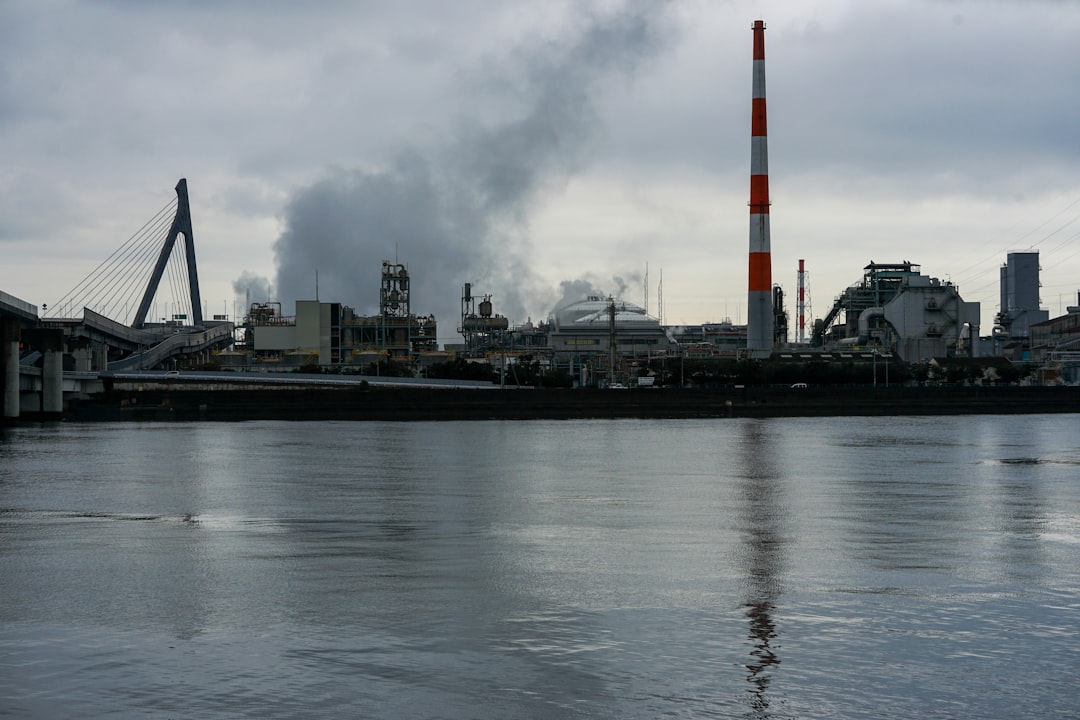
Thermal power plants are a cornerstone of modern energy production, converting heat energy into electrical energy through various processes. These facilities primarily rely on the combustion of fossil fuels, such as coal, natural gas, or oil, to generate steam that drives turbines. The steam is produced in a boiler, where water is heated to high temperatures, creating the necessary pressure to turn the turbine blades.
As the turbine spins, it activates a generator that produces electricity, which is then distributed through the power grid. The efficiency of thermal power plants is influenced by several factors, including the type of fuel used, the technology employed, and the operational conditions. In addition to fossil fuels, some thermal power plants utilize biomass or waste heat recovery systems to enhance their sustainability.
These plants play a crucial role in meeting energy demands, especially in regions where renewable energy sources are not yet fully developed. However, the operation of thermal power plants is not without challenges. They are subject to various environmental regulations aimed at reducing emissions and minimizing their carbon footprint.
As global energy needs continue to rise, understanding the intricacies of thermal power plants becomes increasingly important for ensuring reliable and sustainable energy production.
Key Takeaways
- Heat waves significantly reduce the efficiency and output of thermal power plants due to increased temperatures affecting key components.
- Cooling systems are particularly vulnerable during heat waves, leading to derating and potential operational challenges.
- Regular maintenance, inspection, and monitoring are crucial to minimize performance losses during extreme heat conditions.
- Implementing alternative cooling methods and energy efficiency measures can help mitigate the negative impacts of heat waves.
- Collaboration with grid operators and proactive forecasting are essential for managing thermal power plant performance during heat wave events.
Effects of Heat Waves on Thermal Power Plants
Heat waves pose significant challenges to the operation of thermal power plants, often leading to reduced efficiency and output. During extreme heat events, the ambient temperature rises dramatically, which can affect the cooling systems that are essential for maintaining optimal operating conditions. High temperatures can lead to a decrease in the thermal efficiency of power generation processes, as the temperature differential between the heat source and the cooling medium diminishes.
This reduction in efficiency can result in lower electricity generation capacity, which is particularly concerning during periods of high demand. Moreover, prolonged heat waves can exacerbate existing operational issues within thermal power plants. For instance, water sources used for cooling may experience reduced availability or increased temperatures, further straining the plant’s ability to dissipate heat effectively.
This situation can lead to derating, where the plant operates at a lower capacity than its maximum potential. The implications of such derating extend beyond individual plants; they can contribute to broader energy supply challenges, particularly in regions heavily reliant on thermal generation during peak demand periods.
Factors Contributing to Derating in Heat Wave Conditions
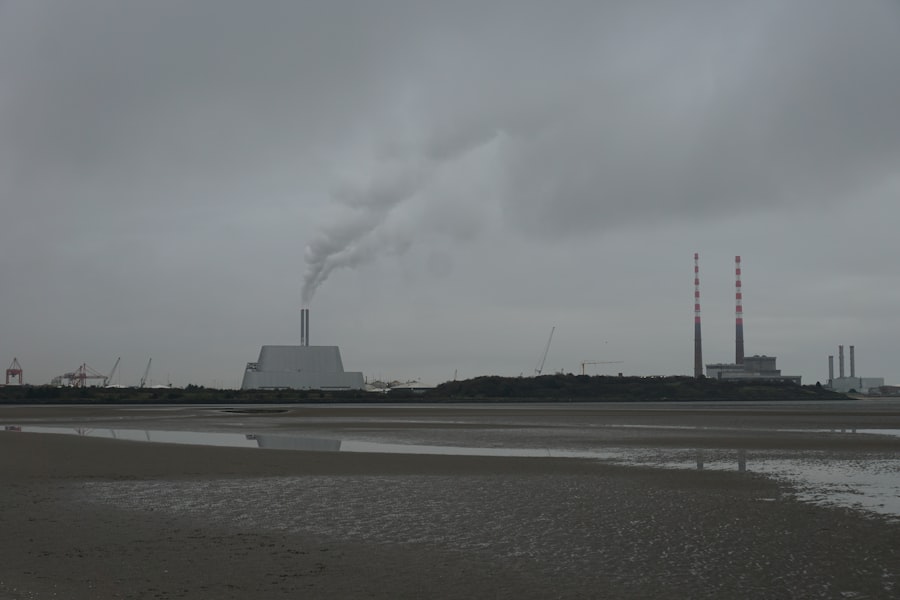
Several factors contribute to the derating of thermal power plants during heat wave conditions. One primary factor is the limitation imposed by cooling water temperatures. As ambient temperatures rise, the temperature of the water drawn from lakes, rivers, or reservoirs also increases.
This can lead to situations where the cooling water is no longer effective at absorbing heat from the plant’s systems, resulting in a need to reduce output to prevent overheating and potential damage to equipment. Another significant factor is the impact of high temperatures on turbine performance. Turbines are designed to operate within specific temperature ranges; exceeding these limits can lead to mechanical stress and reduced efficiency.
Additionally, high ambient temperatures can affect the combustion process itself, leading to incomplete combustion and increased emissions. This not only impacts plant performance but also raises concerns regarding compliance with environmental regulations. As a result, operators must navigate a complex landscape of operational challenges during heat waves, often leading to difficult decisions regarding capacity and output.
Impact of High Temperatures on Cooling Systems
| Metric | Effect of High Temperatures | Typical Range | Impact on Cooling System Performance |
|---|---|---|---|
| Cooling Efficiency (%) | Decreases as ambient temperature rises | 70% – 95% | Reduced heat dissipation, leading to higher system temperatures |
| Compressor Power Consumption (kW) | Increases with higher temperatures | 1.2 – 2.5 kW | Higher energy usage and operational costs |
| Heat Rejection Temperature (°C) | Elevated due to reduced heat transfer efficiency | 35°C – 55°C | Stress on cooling components and potential overheating |
| System Pressure (psi) | Increases with temperature, especially on condenser side | 150 – 300 psi | Risk of system failure or leaks if limits exceeded |
| Cooling Capacity (kW) | Decreases as temperature rises | 5 – 20 kW | Reduced ability to maintain desired temperatures |
| Component Lifespan (years) | Shortened due to thermal stress | 3 – 10 years | Increased maintenance and replacement frequency |
Cooling systems are vital components of thermal power plants, responsible for dissipating excess heat generated during electricity production. High temperatures can severely impact these systems’ effectiveness and reliability. For instance, cooling towers may struggle to maintain adequate temperature differentials when ambient air temperatures soar.
This inefficiency can lead to elevated water temperatures returning to the plant’s systems, further exacerbating derating issues. In addition to cooling towers, other cooling methods such as once-through cooling systems may also face challenges during heat waves. These systems rely on large volumes of water from natural sources; however, during extreme heat events, water levels may drop or temperatures may rise beyond acceptable limits for effective cooling.
The result is a cascading effect that compromises the entire thermal generation process. Operators must be vigilant in monitoring cooling system performance during these periods and be prepared to implement contingency plans to mitigate potential disruptions.
Importance of Maintenance and Inspection during Heat Waves
The importance of maintenance and inspection during heat waves cannot be overstated. As thermal power plants face increased operational stress due to high temperatures, regular maintenance becomes critical for ensuring equipment reliability and performance. Operators must prioritize inspections of key components such as turbines, boilers, and cooling systems to identify any potential issues before they escalate into significant problems.
Moreover, proactive maintenance practices can help mitigate the risks associated with derating during heat waves. By addressing wear and tear on equipment and ensuring that cooling systems are functioning optimally, operators can enhance their plants’ resilience against extreme weather conditions. This approach not only helps maintain output levels but also extends the lifespan of critical infrastructure, ultimately contributing to more sustainable energy production practices.
Strategies for Mitigating Derating in Thermal Power Plants
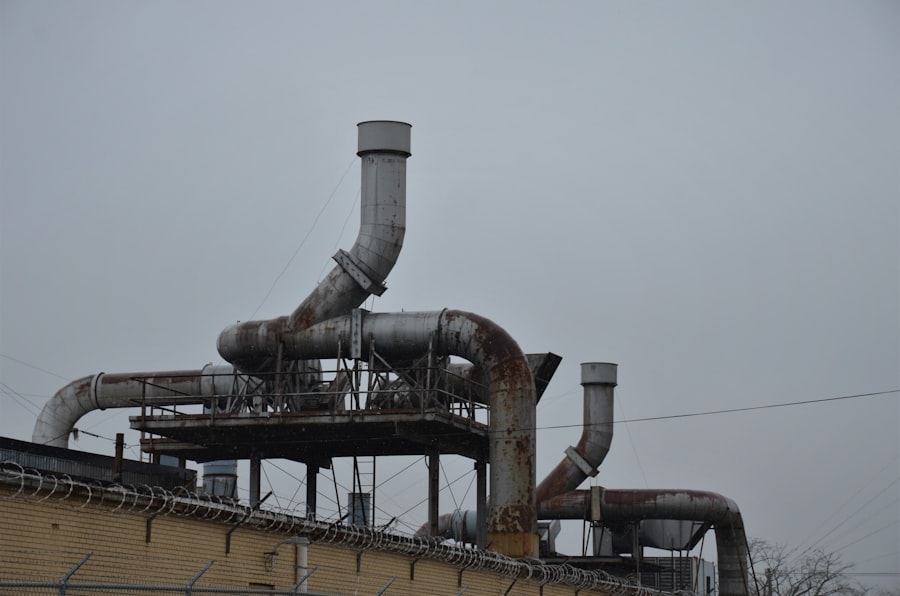
To effectively mitigate derating in thermal power plants during heat waves, operators can implement several strategies aimed at enhancing operational resilience.
These technologies allow for real-time adjustments based on ambient conditions, ensuring that cooling systems operate at peak efficiency even under extreme temperatures.
Additionally, diversifying energy sources can provide a buffer against the impacts of heat waves on thermal generation. By integrating renewable energy sources such as solar or wind into their portfolios, operators can reduce reliance on thermal generation during peak demand periods when heat waves are most likely to occur. This diversification not only enhances overall system reliability but also aligns with broader sustainability goals by reducing greenhouse gas emissions associated with fossil fuel combustion.
Utilizing Alternative Cooling Methods
As climate change continues to intensify the frequency and severity of heat waves, exploring alternative cooling methods becomes increasingly important for thermal power plants. One promising approach is the use of dry cooling systems, which rely on air rather than water for cooling purposes. These systems can significantly reduce water consumption and mitigate the risks associated with high water temperatures during extreme heat events.
Another innovative solution involves employing hybrid cooling systems that combine both wet and dry cooling methods. By utilizing both approaches strategically, operators can optimize cooling performance while minimizing environmental impacts. Such hybrid systems offer flexibility in adapting to varying climatic conditions and can be particularly beneficial in regions prone to prolonged heat waves.
Implementing Energy Efficiency Measures
Implementing energy efficiency measures within thermal power plants is essential for enhancing resilience against heat wave impacts. By optimizing operational processes and reducing energy consumption, plants can improve their overall efficiency and reduce their vulnerability during extreme weather events. Strategies may include upgrading equipment to more efficient models or implementing advanced control systems that optimize fuel usage based on real-time demand.
Furthermore, investing in energy recovery technologies can help capture waste heat generated during electricity production and repurpose it for other applications within the plant or nearby facilities. This not only enhances overall efficiency but also contributes to reducing emissions associated with thermal generation. By prioritizing energy efficiency measures, operators can create a more sustainable operational framework that withstands the challenges posed by climate change.
Importance of Monitoring and Forecasting Heat Waves
Monitoring and forecasting heat waves play a crucial role in enabling thermal power plants to prepare for extreme weather conditions effectively. Advanced meteorological tools and technologies allow operators to anticipate temperature spikes and adjust their operations accordingly. By leveraging predictive analytics and real-time data monitoring, plants can implement proactive measures that minimize disruptions and maintain output levels during critical periods.
Moreover, effective communication between meteorological agencies and power plant operators is essential for ensuring timely responses to impending heat waves. Establishing robust communication channels allows for coordinated efforts in managing energy supply and demand during peak periods. By staying informed about weather patterns and potential heat wave events, operators can make informed decisions that enhance their plants’ resilience against extreme temperatures.
Collaboration with Grid Operators and Energy Suppliers
Collaboration between thermal power plant operators and grid operators is vital for managing energy supply during heat waves effectively. By working together, these entities can develop strategies that optimize resource allocation and ensure grid stability during periods of high demand. This collaboration may involve sharing real-time data on plant performance and availability, allowing grid operators to make informed decisions regarding load management.
Additionally, partnerships with energy suppliers can facilitate access to alternative energy sources during critical periods when thermal generation may be compromised due to heat wave conditions. By diversifying energy portfolios and establishing agreements for backup supply options, operators can enhance their overall resilience against extreme weather events while contributing to a more stable energy grid.
Future Considerations for Thermal Power Plants in Heat Wave Conditions
As climate change continues to influence weather patterns globally, thermal power plants must adapt their operations to address the increasing frequency of heat waves effectively. Future considerations may include investing in research and development aimed at improving plant designs and technologies that enhance resilience against extreme temperatures. This could involve exploring innovative materials that withstand higher operating temperatures or developing advanced cooling technologies that minimize water usage.
Furthermore, regulatory frameworks may evolve to address the challenges posed by climate change on energy production more comprehensively. Policymakers may implement incentives for adopting sustainable practices within thermal power generation or establish stricter emissions standards that encourage operators to invest in cleaner technologies. By proactively addressing these future considerations, thermal power plants can position themselves as reliable contributors to a sustainable energy landscape while navigating the complexities of an evolving climate.
During extreme heat waves, thermal power plants often experience derating, which can significantly impact energy production and supply. For a deeper understanding of how these conditions affect power generation, you can read more in the article available at My Geo Quest. This resource provides insights into the challenges faced by thermal power plants during high-temperature events and the implications for energy reliability.
WATCH THIS! The $500 Billion Bet: Why America’s Biggest Dam Is Guaranteed to Fail
FAQs
What is thermal power plant derating?
Thermal power plant derating refers to the reduction in the maximum output capacity of a power plant due to various operational constraints, such as high ambient temperatures, equipment limitations, or fuel quality issues. It means the plant cannot operate at its full rated capacity.
How does a heat wave affect thermal power plants?
During a heat wave, ambient temperatures rise significantly, which can reduce the efficiency of cooling systems in thermal power plants. This leads to higher condenser temperatures and lower heat transfer rates, causing the plant to operate below its optimal capacity, resulting in derating.
Why is cooling important for thermal power plants?
Cooling is essential in thermal power plants to condense steam back into water after it passes through the turbine. Efficient cooling maintains the thermodynamic cycle’s efficiency. High temperatures during heat waves reduce cooling effectiveness, impacting plant performance.
What are the common methods used to mitigate derating during heat waves?
Common mitigation methods include using alternative cooling technologies (like dry cooling), increasing cooling water flow rates, scheduling maintenance during cooler periods, and optimizing plant operations to reduce thermal stress on equipment.
Does derating affect electricity supply during heat waves?
Yes, derating reduces the power output of thermal plants, which can strain the electricity supply, especially during heat waves when demand for electricity (e.g., for air conditioning) is typically higher.
Are all thermal power plants equally affected by heat waves?
No, the impact varies depending on the plant’s cooling system type, location, design, and age. Plants with advanced cooling technologies or located in cooler regions may experience less derating compared to older plants with less efficient cooling systems.
Can thermal power plants operate safely during derating?
Yes, derating is a controlled operational adjustment to ensure the plant operates safely within its thermal and mechanical limits, preventing damage to equipment and ensuring long-term reliability.
What role does water availability play in thermal power plant derating during heat waves?
Water availability is critical for cooling. During heat waves, water sources may be warmer or have reduced flow, limiting cooling capacity and forcing plants to derate. Water scarcity can exacerbate derating issues.
Is derating a temporary or permanent condition?
Derating due to heat waves is typically a temporary condition that lasts as long as the adverse environmental factors persist. Once temperatures normalize, plants can usually return to full rated capacity.
How can power grid operators manage the impact of thermal power plant derating?
Grid operators can manage impacts by diversifying energy sources, increasing reserve margins, implementing demand response programs, and coordinating with power plants to optimize output during peak demand periods.