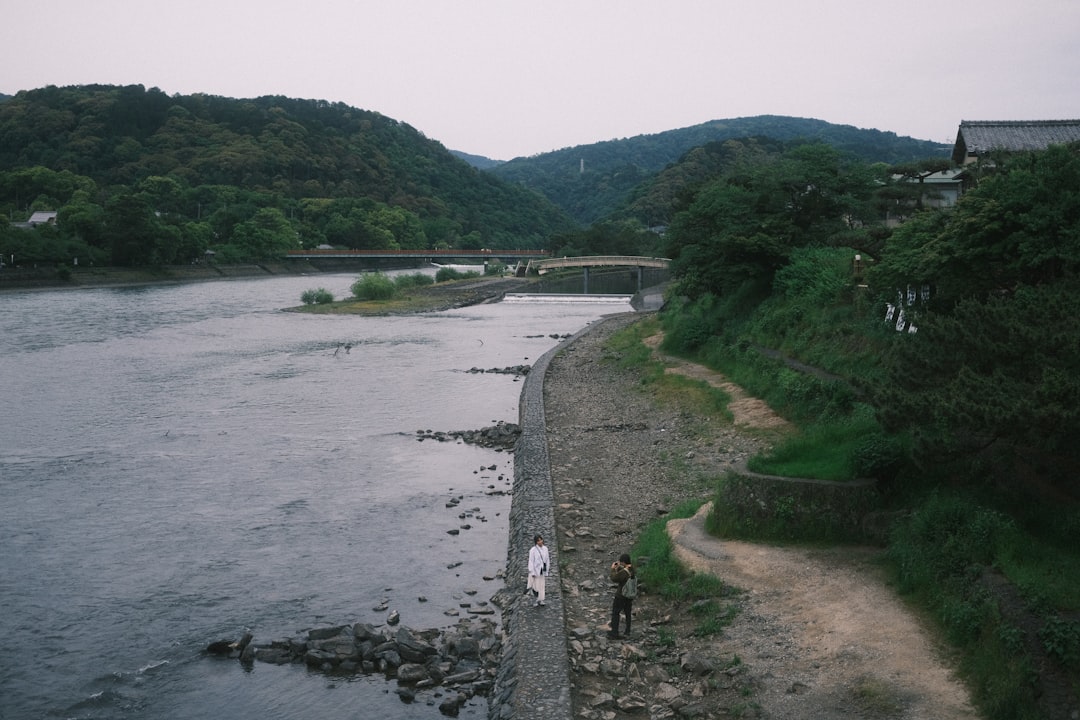
The Yarlung Tsangpo River, known as the Brahmaputra in India and the Jamuna in Bangladesh, is a vital waterway that traverses some of the most densely populated and ecologically diverse regions of South Asia. This river not only serves as a lifeline for millions of people but also stands at the center of a complex geopolitical dispute involving China, India, and Bangladesh. The contention primarily revolves around water rights, dam construction, and environmental sustainability, making it a focal point for regional tensions.
As nations vie for control over this critical resource, the implications extend beyond mere territorial claims, affecting diplomatic relations, economic stability, and environmental health. The significance of the Yarlung Tsangpo River cannot be overstated. It is not just a river; it is a source of livelihood, culture, and identity for the communities that depend on it.
The ongoing dispute highlights the intricate balance between development and conservation, as countries grapple with the challenges posed by population growth and climate change. Understanding the historical context and current dynamics of this dispute is essential for grasping its potential consequences for the region and beyond.
Key Takeaways
- The Yarlung Tsangpo River dispute involves China, India, and Bangladesh and has significant geopolitical implications.
- The river has a rich historical background and plays a crucial role in the region’s economy and environment.
- Environmental concerns related to the Yarlung Tsangpo River include potential dam construction and its impact on the ecosystem.
- Climate change is affecting the Yarlung Tsangpo River, leading to concerns about water scarcity and glacial melt.
- Efforts to resolve the dispute are ongoing, with international organizations playing a role in addressing the issue.
Historical background of the Yarlung Tsangpo River
The Yarlung Tsangpo River has a rich history that dates back thousands of years.
Historically, this river has been revered in various cultures, often regarded as sacred in Hinduism and Buddhism.
Its waters have nourished civilizations along its banks, fostering agriculture and trade. However, the modern era has brought new challenges as nations have sought to harness its power for economic development. In the mid-20th century, geopolitical tensions began to rise in the region, particularly following China’s annexation of Tibet in 1950.
This event marked a turning point in the management of the Yarlung Tsangpo River, as China began to assert its control over the river’s upper reaches. The construction of dams and hydropower projects in Tibet has raised concerns among downstream countries like India and Bangladesh, who fear that these developments could significantly alter water flow and availability. The historical context of these actions is crucial for understanding the current disputes and the motivations behind each country’s stance.
The role of the Yarlung Tsangpo River in the region
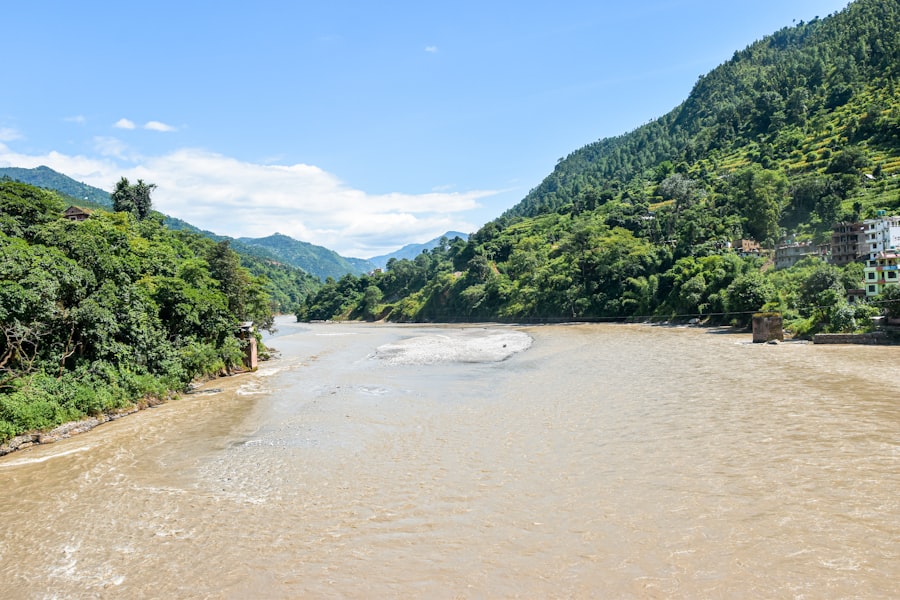
The Yarlung Tsangpo River plays a multifaceted role in the lives of millions across South Asia. It serves as a primary source of freshwater for agriculture, drinking water, and sanitation for communities in India and Bangladesh. The river’s basin supports diverse ecosystems that are home to numerous species of flora and fauna, contributing to the region’s biodiversity.
Additionally, it is a critical artery for trade and transportation, facilitating economic activities that are vital for local economies. Moreover, the river holds cultural significance for many communities. Festivals and rituals centered around its waters reflect deep-rooted traditions that have been passed down through generations.
The Yarlung Tsangpo is not merely a physical entity; it embodies the spiritual and cultural heritage of the people who inhabit its banks. As such, any disruption to its flow or quality can have profound implications for social cohesion and cultural identity in the region.
The dispute between China, India, and Bangladesh over the Yarlung Tsangpo River
| Country | Concerns | Proposed Solutions |
|---|---|---|
| China | Hydropower development, water diversion | Assurances of no harm to downstream countries, bilateral agreements |
| India | Impact on water flow, potential for flooding | Joint river basin management, data sharing |
| Bangladesh | Water scarcity, environmental impact | International mediation, fair water sharing |
The dispute over the Yarlung Tsangpo River is characterized by a complex interplay of national interests and regional dynamics. China has embarked on ambitious hydropower projects along the river, including the construction of dams that have raised alarms in India and Bangladesh. These projects are seen as potential threats to water security for downstream nations, leading to heightened tensions among these countries.
India, in particular, has expressed concerns about China’s unilateral actions that could impact water flow during critical agricultural seasons. Bangladesh also finds itself caught in this geopolitical tug-of-war. As one of the most densely populated countries in the world, it relies heavily on the Brahmaputra for its water needs.
Any alteration in water flow due to upstream developments could exacerbate existing challenges related to flooding and water scarcity. The lack of a comprehensive legal framework governing transboundary water resources further complicates matters, leaving countries to navigate this contentious issue without clear guidelines or agreements.
Environmental concerns related to the Yarlung Tsangpo River
Environmental concerns surrounding the Yarlung Tsangpo River are increasingly coming to the forefront as nations grapple with the implications of dam construction and water management practices. The river’s ecosystem is delicate, with numerous species relying on its natural flow patterns for survival. Disruptions caused by hydropower projects can lead to habitat loss, altered sediment transport, and changes in water quality, all of which can have cascading effects on biodiversity.
Furthermore, the potential for increased pollution from industrial activities along the river’s banks poses significant risks to both human health and ecological integrity. As urbanization accelerates in regions surrounding the river, managing waste and ensuring clean water access becomes paramount. The environmental ramifications of neglecting these issues could be dire, not only for local communities but also for future generations who depend on this vital resource.
The impact of climate change on the Yarlung Tsangpo River
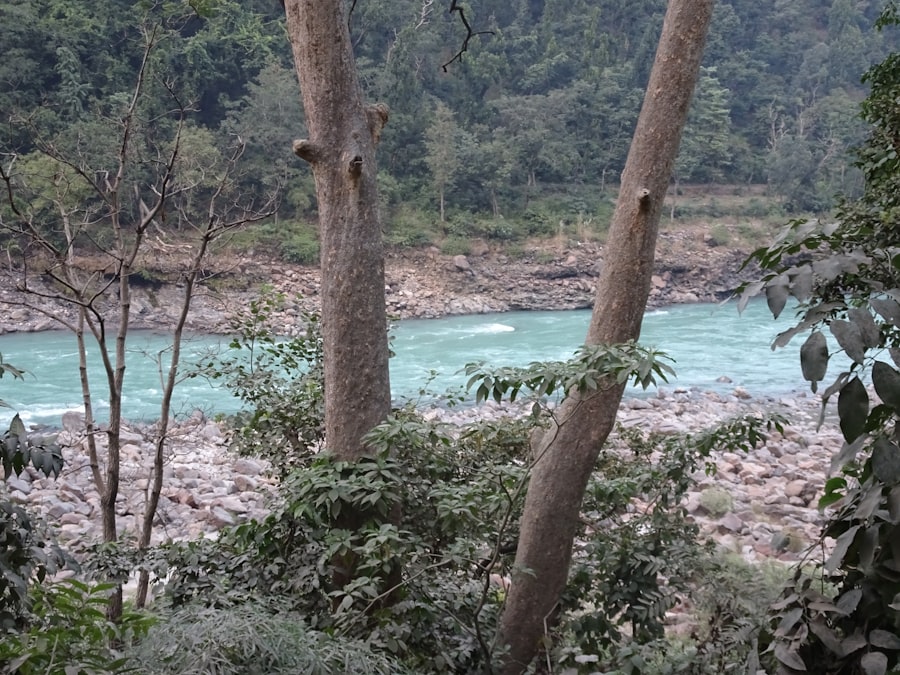
Climate change presents an additional layer of complexity to the already fraught situation surrounding the Yarlung Tsangpo River. Rising temperatures are expected to alter precipitation patterns across South Asia, leading to unpredictable water availability.
These changes threaten to exacerbate existing tensions among China, India, and Bangladesh as they compete for dwindling resources. Increased flooding during monsoon seasons could lead to devastating impacts on agriculture and infrastructure in downstream areas, while prolonged droughts may strain water supplies further upstream. The interconnectedness of these challenges underscores the urgent need for collaborative approaches to water management that take climate change into account.
The potential for conflict escalation in the region
The potential for conflict escalation over the Yarlung Tsangpo River cannot be overlooked. As nations prioritize their own interests in securing water resources, misunderstandings and miscalculations could lead to heightened tensions or even confrontations. Historical grievances and nationalistic sentiments can further fuel animosities between China, India, and Bangladesh, making diplomatic resolutions more challenging.
Moreover, military posturing along borders has become increasingly common as countries seek to assert their claims over water resources. This militarization raises concerns about accidental clashes or misinterpretations of intentions that could spiral into larger conflicts. The stakes are high; not only do these disputes threaten regional stability but they also have implications for global security given South Asia’s strategic importance.
Efforts to resolve the Yarlung Tsangpo River dispute
In light of these challenges, various efforts have been made to address the Yarlung Tsangpo River dispute through diplomatic channels. Bilateral talks between China and India have taken place intermittently, focusing on establishing frameworks for cooperation on transboundary water management. However, progress has often been slow due to differing priorities and a lack of trust between nations.
Regional organizations such as SAARC (South Asian Association for Regional Cooperation) have also attempted to facilitate dialogue among member states regarding shared water resources. However, these efforts have faced obstacles due to political divisions and varying levels of commitment among countries involved. A comprehensive agreement that addresses both immediate concerns and long-term sustainability remains elusive but is essential for fostering cooperation in managing this critical resource.
The geopolitical implications of the Yarlung Tsangpo River dispute
The geopolitical implications of the Yarlung Tsangpo River dispute extend far beyond South Asia itself. As China continues to assert its influence through infrastructure projects along the river, neighboring countries are increasingly wary of its intentions. India’s strategic response has included strengthening ties with other regional players while seeking to enhance its own capabilities in water management.
Additionally, external powers such as the United States have shown interest in South Asia’s stability due to its geopolitical significance. The interplay between regional dynamics and global interests complicates efforts to find common ground among disputing nations. As countries navigate their relationships with one another amidst these tensions, understanding how external influences shape local disputes becomes crucial.
The role of international organizations in addressing the Yarlung Tsangpo River dispute
International organizations play a vital role in mediating disputes over shared water resources like those surrounding the Yarlung Tsangpo River. Institutions such as the United Nations Environment Programme (UNEP) and various non-governmental organizations (NGOs) work towards promoting sustainable practices while advocating for equitable access to water resources among nations. These organizations can facilitate dialogue by providing platforms for knowledge sharing and capacity building among countries involved in transboundary water management issues.
By fostering collaboration on environmental protection initiatives and climate adaptation strategies, international organizations can help mitigate some of the risks associated with unilateral actions taken by individual states.
The future of the Yarlung Tsangpo River dispute
The future of the Yarlung Tsangpo River dispute remains uncertain as nations grapple with competing interests amid growing environmental challenges. While there are avenues for cooperation through diplomatic engagement and international support, achieving lasting solutions will require significant commitment from all parties involved. As climate change continues to reshape water availability patterns across South Asia, collaborative approaches will be essential for ensuring sustainable management of this vital resource.
Ultimately, fostering dialogue based on mutual respect and understanding will be key to navigating this complex landscape. The stakes are high—not only for regional stability but also for millions who depend on the Yarlung Tsangpo River for their livelihoods and well-being. As history has shown, rivers can be both sources of conflict and cooperation; how nations choose to engage with one another will determine whether this vital waterway becomes a bridge or a battleground in the years ahead.
The Yarlung Tsangpo River dispute has significant implications for water security and geopolitical relations in the region. For a deeper understanding of the complexities surrounding this issue, you can read the article on the topic at this link. This article provides insights into the historical context and current tensions between the countries that share this vital water resource.
WATCH THIS! Tibet’s Emptiness Is No Accident
FAQs
What is the Yarlung Tsangpo River dispute?
The Yarlung Tsangpo River dispute refers to the ongoing disagreement between India and China over the construction of dams and other infrastructure projects on the river, which is known as the Brahmaputra River in India.
Why is the Yarlung Tsangpo River important?
The Yarlung Tsangpo River is important because it is the main source of water for the Brahmaputra River, which provides water for irrigation, drinking, and hydroelectric power generation for millions of people in India and Bangladesh.
What are the main concerns of India regarding the Yarlung Tsangpo River dispute?
India is concerned that China’s construction of dams and other infrastructure projects on the Yarlung Tsangpo River could potentially reduce the flow of water into India, impacting its water supply and hydroelectric power generation.
What is China’s position on the Yarlung Tsangpo River dispute?
China maintains that its construction projects on the Yarlung Tsangpo River are for hydropower generation and are not intended to harm downstream countries. China has also stated that it is willing to engage in dialogue with India to address any concerns.
What are the potential implications of the Yarlung Tsangpo River dispute?
The potential implications of the Yarlung Tsangpo River dispute include impacts on water supply, agriculture, and hydroelectric power generation in India and Bangladesh. There are also concerns about the environmental impact of dam construction on the river’s ecosystem.