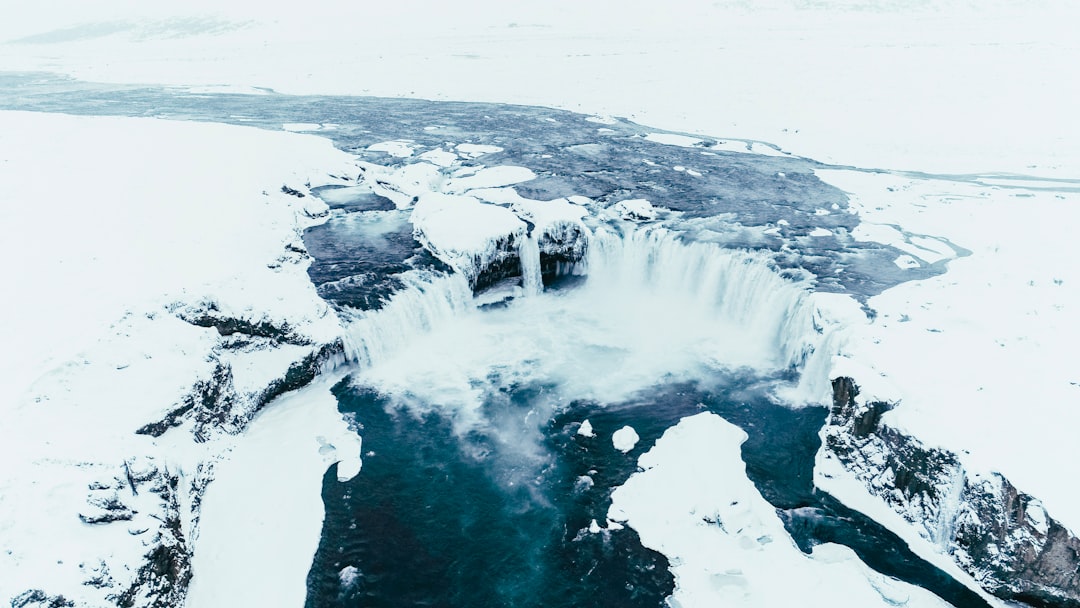
The Arctic, a vast and remote region located at the northernmost part of the Earth, is characterized by its icy landscapes, unique ecosystems, and extreme weather conditions. Spanning across eight countries—Canada, Denmark (Greenland), Norway, Sweden, Finland, Russia, the United States (Alaska), and Iceland—the Arctic is not merely a geographical entity but a complex interplay of natural phenomena and cultural heritage. This region is often perceived as a desolate wilderness, yet it is teeming with life and holds significant importance for the planet as a whole.
The Arctic’s stark beauty, with its towering glaciers and expansive tundras, captivates the imagination while also serving as a critical barometer for global environmental health. As climate change accelerates, the Arctic has become a focal point for scientists and policymakers alike. The region is experiencing some of the most rapid warming on the planet, leading to profound changes in its environment and ecosystems.
Understanding the Arctic is essential not only for appreciating its unique characteristics but also for recognizing its vital role in global climate regulation and biodiversity. The challenges faced by this fragile region are numerous, yet they also present opportunities for international collaboration and innovation in addressing climate change and environmental conservation.
The Arctic’s Role in Climate Regulation
The Arctic plays a crucial role in regulating the Earth’s climate through its influence on ocean currents and atmospheric conditions. The polar ice caps reflect sunlight back into space, helping to maintain the planet’s temperature. This phenomenon, known as the albedo effect, is vital for keeping global temperatures in check.
However, as temperatures rise and ice melts, less sunlight is reflected, leading to further warming—a feedback loop that exacerbates climate change. The loss of sea ice not only affects local ecosystems but also has far-reaching implications for weather patterns across the globe. Moreover, the Arctic serves as a significant carbon sink.
The permafrost, which covers large areas of the region, contains vast amounts of carbon dioxide and methane that have been trapped for millennia. As the permafrost thaws due to rising temperatures, these greenhouse gases are released into the atmosphere, contributing to global warming. This dynamic highlights the interconnectedness of the Arctic with the rest of the world; changes in this remote region can have cascading effects on climate systems far beyond its borders.
Understanding these processes is essential for developing effective strategies to mitigate climate change and protect vulnerable ecosystems.
Unique Wildlife and Ecosystems of the Arctic
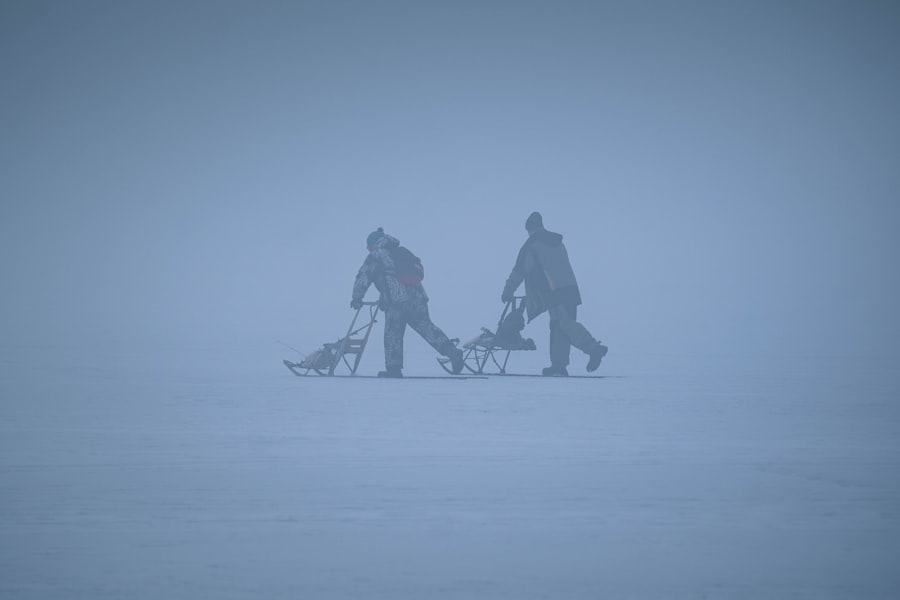
The Arctic is home to a diverse array of wildlife adapted to its harsh conditions. Iconic species such as polar bears, walruses, and seals thrive in this frigid environment, relying on sea ice for hunting and breeding. The region’s unique ecosystems are characterized by their resilience; organisms have evolved specialized adaptations to survive extreme cold and limited food availability.
For instance, Arctic foxes have thick fur that insulates them against freezing temperatures, while migratory birds travel thousands of miles to take advantage of the brief summer when food is abundant. In addition to its charismatic megafauna, the Arctic supports a rich tapestry of marine life. The nutrient-rich waters are teeming with fish species such as cod and herring, which form the basis of a complex food web that sustains both wildlife and human communities.
The underwater ecosystems are equally fascinating, with unique organisms like ice algae and various species of plankton playing critical roles in nutrient cycling. These ecosystems are not only vital for local biodiversity but also contribute to global marine health. Protecting these habitats is essential for maintaining ecological balance and ensuring the survival of species that depend on them.
The Impact of Arctic Melting on Sea Levels
| Year | Arctic Sea Ice Minimum (million square kilometers) | Global Mean Sea Level Rise (millimeters) |
|---|---|---|
| 2000 | 6.22 | 2.3 |
| 2005 | 5.57 | 3.2 |
| 2010 | 4.93 | 3.3 |
| 2015 | 4.63 | 3.4 |
| 2020 | 3.92 | 3.6 |
One of the most alarming consequences of climate change in the Arctic is the melting of glaciers and ice sheets, which significantly contributes to rising sea levels. As global temperatures increase, the Greenland Ice Sheet and other glaciers are losing mass at an unprecedented rate. This melting not only threatens coastal communities around the world but also disrupts marine ecosystems and alters ocean circulation patterns.
The implications of rising sea levels are profound; low-lying areas face increased flooding risks, while entire nations may be at risk of disappearing beneath the waves. The melting ice also has implications for freshwater resources. Many regions rely on glacial meltwater for drinking water and agriculture.
As glaciers recede, these water sources may become less reliable, leading to potential conflicts over water rights and access. Furthermore, the loss of ice alters local climates, affecting weather patterns and agricultural practices in surrounding areas. The interconnectedness of these issues underscores the urgent need for comprehensive strategies to address climate change and its impacts on both local communities and global systems.
The Arctic’s Influence on Global Weather Patterns
The Arctic’s influence extends far beyond its borders; it plays a pivotal role in shaping global weather patterns. The region’s unique climatic conditions affect atmospheric circulation systems that drive weather across continents. For instance, changes in Arctic temperatures can disrupt the polar vortex—a large area of low pressure that typically keeps cold air confined to the polar regions.
When this vortex weakens or shifts, it can lead to extreme weather events such as prolonged cold spells or heatwaves in mid-latitude regions. Additionally, the warming Arctic can lead to changes in precipitation patterns worldwide. As temperatures rise, more moisture is held in the atmosphere, potentially resulting in increased rainfall in some areas while causing droughts in others.
These shifts can have significant implications for agriculture, water supply, and disaster preparedness globally. Understanding these complex interactions is crucial for developing effective climate adaptation strategies that can mitigate the impacts of extreme weather events on vulnerable populations.
Economic Importance of the Arctic
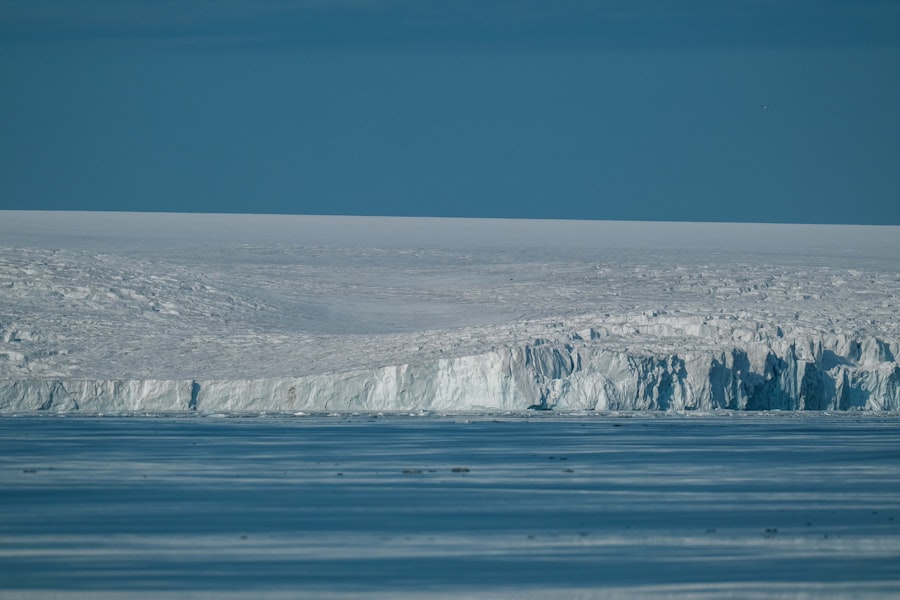
The Arctic is not only an ecological treasure but also an area of growing economic interest due to its vast natural resources. As ice melts and new shipping routes open up, opportunities for trade and resource extraction are becoming more accessible. The region is rich in oil, natural gas, minerals, and fish stocks—resources that are increasingly sought after as global demand rises.
However, this economic potential comes with significant environmental risks that must be carefully managed. The fishing industry is particularly vital for many Arctic communities, providing livelihoods and sustenance for local populations. Sustainable fishing practices are essential to ensure that fish stocks remain healthy while supporting economic growth.
Additionally, as nations vie for control over these resources, geopolitical tensions may arise, necessitating careful diplomacy and cooperation among Arctic nations to prevent conflict over resource exploitation.
Indigenous Communities and Cultural Significance in the Arctic
Indigenous communities have inhabited the Arctic for thousands of years, developing rich cultures deeply intertwined with their environment. These communities possess invaluable knowledge about sustainable living in one of the planet’s most challenging climates.
The cultural significance of the Arctic extends beyond subsistence; it encompasses language, art, spirituality, and social structures that have evolved over generations. However, these communities face numerous challenges due to climate change and industrial development.
Environmental Threats to the Arctic
The Arctic faces a multitude of environmental threats that jeopardize its delicate ecosystems and indigenous ways of life. Climate change remains the most pressing issue, leading to habitat loss, altered migration patterns, and increased vulnerability of species such as polar bears and seals. Additionally, pollution from industrial activities poses significant risks; contaminants can accumulate in the food chain, affecting both wildlife and human health.
Oil spills represent another critical threat to Arctic environments. As exploration for fossil fuels intensifies, the risk of accidents increases dramatically in this remote region where response efforts are complicated by harsh weather conditions and limited infrastructure. Furthermore, invasive species introduced through shipping routes can disrupt local ecosystems by outcompeting native species or introducing new diseases.
Addressing these environmental threats requires concerted efforts from governments, scientists, and local communities to develop sustainable practices that protect this fragile region.
International Cooperation and Governance in the Arctic
Given its unique geopolitical landscape and shared resources, international cooperation is essential for effective governance in the Arctic. Various treaties and agreements have been established to promote collaboration among Arctic nations on issues such as environmental protection, scientific research, and sustainable development. The Arctic Council—a high-level intergovernmental forum—plays a crucial role in facilitating dialogue among member states while also including indigenous representatives to ensure diverse perspectives are considered.
However, challenges remain as nations navigate competing interests related to resource extraction and territorial claims. As climate change continues to reshape the region’s landscape, it becomes increasingly important for countries to work together to address shared challenges while respecting indigenous rights and promoting sustainable practices. Strengthening international governance frameworks will be vital for ensuring that development in the Arctic proceeds responsibly while safeguarding its unique ecosystems.
Research and Scientific Exploration in the Arctic
Scientific research in the Arctic has gained momentum as understanding this region becomes increasingly critical for addressing global challenges such as climate change and biodiversity loss. Researchers from various disciplines—climatology, biology, oceanography—are conducting studies to monitor changes in temperature, ice cover, wildlife populations, and ocean chemistry. This research not only enhances knowledge about the Arctic itself but also provides valuable insights into broader environmental trends affecting the planet.
Collaborative efforts among international research institutions have led to significant advancements in understanding complex systems within the Arctic environment. Initiatives such as long-term monitoring programs help track changes over time while fostering partnerships between scientists and indigenous communities who possess traditional ecological knowledge. By integrating diverse perspectives into research efforts, scientists can develop more comprehensive strategies for conservation and adaptation that benefit both local populations and global ecosystems.
The Future of the Arctic: Challenges and Opportunities
The future of the Arctic is fraught with challenges yet brimming with opportunities for innovation and collaboration. As climate change continues to reshape this region at an alarming pace, urgent action is needed to mitigate its impacts while promoting sustainable development practices that respect indigenous rights and protect fragile ecosystems. The potential for renewable energy sources—such as wind and solar—offers pathways toward reducing reliance on fossil fuels while fostering economic growth within local communities.
Moreover, increased awareness about environmental issues has spurred interest in conservation efforts aimed at preserving biodiversity in the face of rapid change. Engaging indigenous communities as stewards of their land can lead to more effective management strategies that honor traditional knowledge while addressing contemporary challenges posed by climate change. In conclusion, navigating the complexities surrounding the Arctic requires a multifaceted approach that balances economic interests with environmental stewardship and social equity.
By fostering international cooperation among nations while prioritizing indigenous voices within decision-making processes, there lies an opportunity to create a sustainable future for this vital region—one that honors its rich cultural heritage while safeguarding its unique ecosystems for generations to come.
The Arctic region holds immense importance due to its unique ecosystem, significant impact on global climate patterns, and its role as a habitat for diverse wildlife. Understanding the Arctic’s influence on the environment is crucial for addressing climate change and preserving biodiversity. For a deeper insight into why the Arctic is so vital, you can explore a related article on this topic by visiting MyGeoQuest’s sample page. This resource provides valuable information on the ecological and climatic significance of the Arctic, highlighting the need for its conservation and sustainable management.
WATCH THIS! The Arctic Ice Is Melting, And It Will Start World War 3
FAQs
What is the significance of the Arctic region?
The Arctic region is important for several reasons, including its role in regulating the Earth’s climate, its unique ecosystem, and its potential for natural resource extraction.
How does the Arctic region regulate the Earth’s climate?
The Arctic region plays a crucial role in regulating the Earth’s climate by reflecting sunlight and heat back into space, helping to maintain global temperature balance. The melting of Arctic sea ice also affects ocean currents and weather patterns around the world.
What is the unique ecosystem of the Arctic region?
The Arctic region is home to a diverse range of wildlife, including polar bears, seals, whales, and various bird species. Its unique ecosystem is adapted to extreme cold and plays a vital role in the global food chain.
What natural resources are found in the Arctic region?
The Arctic region is rich in natural resources such as oil, natural gas, minerals, and fish. These resources have the potential to significantly impact global energy markets and economies.
How is the Arctic region affected by climate change?
The Arctic region is experiencing rapid and dramatic effects of climate change, including melting sea ice, rising temperatures, and changes in wildlife habitats. These changes have significant implications for the region’s ecosystem and indigenous communities.