
The Great Salt Lake, a sprawling saline body of water in the western United States, is more than just a geological curiosity. It is a colossal ecological, economic, and public health engine, whose desiccated future casts a long and chilling shadow. The perceived cost of its salvation—often pegged at a staggering figure exceeding two trillion dollars—has become a rallying cry for inaction, a siren song luring decision-makers towards complacency. This article delves into the multifaceted impact of the Great Salt Lake, dissecting the true, often understated, costs of its decline and exploring the economic underpinnings that make its existence an invaluable asset.
The Great Salt Lake stands as a critical waypoint for millions of migratory birds, a vibrant hub of biodiversity in an otherwise arid landscape. Its shallow waters, rich in brine shrimp and algae, form the base of an intricate food web that sustains avian populations on routes stretching across continents. The shrinking of the lake, however, is not a gradual fading but a rapid unraveling of this delicate ecosystem.
A Critical Stopover for Migratory Birds
For countless bird species, from the elegant American Avocet to the resilient Eared Grebe, the Great Salt Lake is a vital refueling station. They are the feathered navigators of the sky, their migrations spanning thousands of miles, and the lake’s shores are their essential pit stops. The brine shrimp, microscopic crustaceans that thrive in the lake’s hypersaline environment, are the packed lunches and calorie-dense snacks that power these epic journeys. When the lake level drops, the available habitat shrinks, concentrating the birds into smaller areas, increasing competition for dwindling resources and making them more vulnerable to predation and disease. Imagine a fleet of aircraft attempting to land on a rapidly shrinking runway; the implications for their mission are dire. This ecological disruption ripples outwards, impacting bird populations across North America and beyond.
The Industrial Scale of Brine Shrimp Fisheries
The brine shrimp, often overlooked by the casual observer, are the bedrock of a multi-million dollar industry. These tiny invertebrates are harvested from the Great Salt Lake and processed into nutrient-rich food for aquaculture worldwide. The lake’s unique salinity creates an ideal environment for their proliferation, making it a global powerhouse for this specialized fishery. The economic value of this harvest, while substantial, pales in comparison to the potential cascade of losses if the ecosystem collapses. Disruptions to this fishery are not just local economic blows; they can impact global seafood production and the livelihoods it supports.
The Halophytes: More Than Just Salty Plants
The shores of the Great Salt Lake are adorned with halophytes, salt-tolerant plants that play a crucial role in stabilizing the lakebed and filtering nutrients. These hardy flora, often dismissed as mere weeds, are the unsung heroes of shore stabilization. They act as natural barriers against erosion, preventing dust from becoming airborne. As the lake recedes, these plants are exposed to harsher, drier conditions, leading to their decline and further exacerbating dust issues. Their loss is a subtle but significant blow to the lake’s resilience.
The Great Salt Lake has become a focal point of environmental concern, particularly in light of the alarming findings presented in the article “The Two Trillion Dollar Lie: The Great Salt Lake’s Diminishing Future.” This piece explores the economic implications of the lake’s shrinking size and the potential costs associated with its decline. For further insights into this pressing issue, you can read the full article here: The Two Trillion Dollar Lie: The Great Salt Lake’s Diminishing Future.
The Economic Engine Under Threat
The Great Salt Lake’s economic contributions extend far beyond its ecological significance. It underpins a diverse range of industries, from mineral extraction to tourism and recreation, each facing significant headwinds as the lake diminishes. The notion of a two-trillion-dollar cost of saving the lake often fails to account for the colossal economic losses that are already occurring and will intensify with further decline.
The Mineral Extraction Powerhouse
The Great Salt Lake is a treasure trove of valuable minerals, including potash, magnesium, sodium sulfate, and lithium. Companies extract these resources from the lake’s brines, a process that is both economically vital and historically significant for Utah. The value of these extracted minerals is substantial, contributing significantly to the state’s economy. Any significant decline in the lake’s surface area or volume directly impacts the efficiency and feasibility of these extraction operations, potentially leading to closures and job losses. The lake, in this context, is like a vast, shallow bank account from which industries draw, and a dwindling balance means a shrinking capacity to withdraw.
The Impact on Tourism and Recreation
The Great Salt Lake has historically been a draw for tourists and outdoor enthusiasts. Its unique buoyancy, offering an almost effortless floating experience, has attracted visitors seeking recreation and relaxation. The saline environment also supports a unique ecosystem that attracts birdwatchers and nature lovers. As the lake shrinks and the water quality deteriorates due to increased salinity and potential pollution, these recreational opportunities diminish. The iconic “Great Salt Lake” brand itself, a symbol of natural wonder, begins to erode, taking with it potential tourism revenue and the jobs it supports in hospitality, guiding, and retail.
The Unseen Costs of Dust and Air Quality
Perhaps one of the most insidious economic impacts of a shrinking Great Salt Lake is the deterioration of air quality. Exposed lakebed, rich in salts and potentially heavy metals, becomes a source of toxic dust storms. This dust, when carried by the wind, can pose significant public health risks, leading to increased respiratory illnesses, doctor visits, and lost workdays. The economic cost of these health impacts, including healthcare expenses and reduced productivity, is immense and often overlooked in the grand pronouncements of salvation costs. This is the ghost in the economic machine, silently draining resources.
Water Politics: A Complex Web of Demands
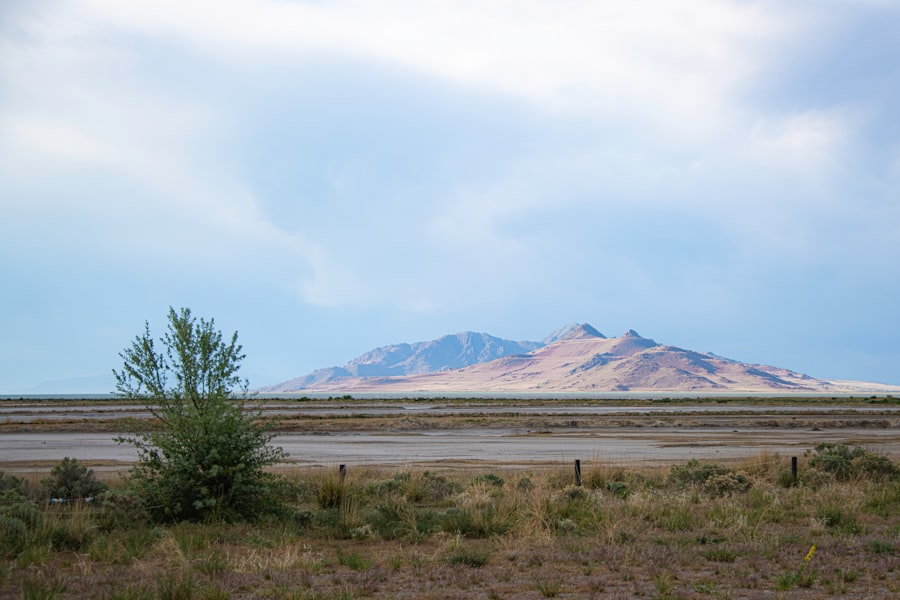
The Great Salt Lake’s water sources are finite and are already heavily allocated to a variety of users, creating a complex and often contentious political landscape. The balancing act between agricultural, municipal, industrial, and ecological needs is delicate, and the shrinking lake only magnifies the inherent conflicts.
Agriculture’s Thirst: The Biggest Water Consumer
Agriculture in the Great Salt Lake basin is heavily reliant on water for irrigation, making it the single largest consumer of the region’s precious water resources. Historically, water rights have been established and allocated based on past availability, often without full consideration of long-term sustainability or the needs of the Great Salt Lake itself. The question of reducing agricultural water use, even by marginal amounts, becomes a politically charged issue, touching upon livelihoods and long-held traditions.
Municipal Growth and Water Scarcity
As populations in the Wasatch Front grow, so does the demand for municipal water. Cities and towns are increasingly looking for new water sources, often at the expense of flows that would otherwise reach the Great Salt Lake. This creates a direct competition for a shrinking resource, where human consumption is prioritized over the ecological health of the lake. The growth of a community, while desirable, becomes a direct driver of the lake’s decline.
The Role of Industrial Water Use
Various industries in the region, including manufacturing and mining, also consume significant amounts of water. While their water use may be less than agriculture, it still represents a crucial demand in the overall allocation picture. Re-evaluating industrial water use and promoting water efficiency measures are critical components of any comprehensive water management strategy for the Great Salt Lake basin.
Deconstructing the “Two Trillion Dollar Lie”
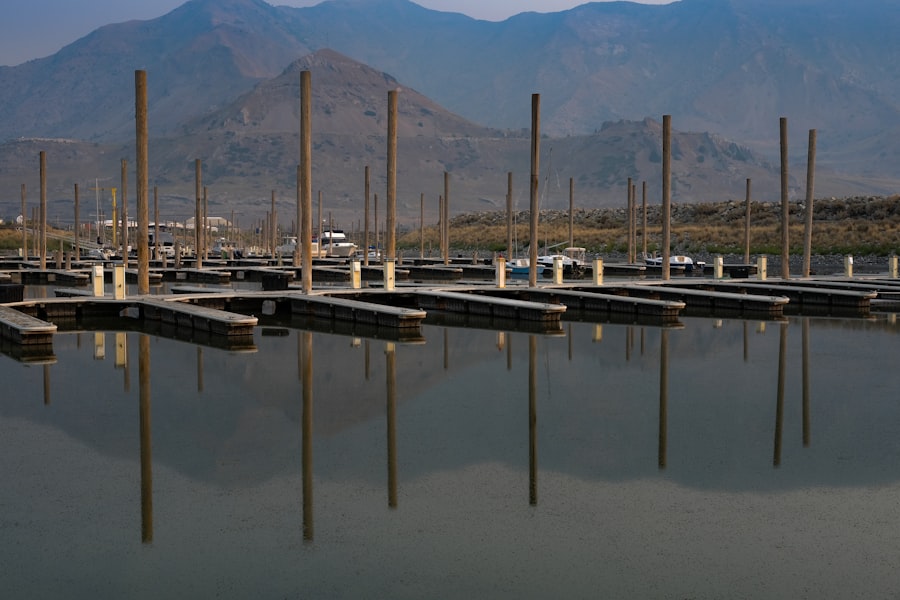
The figure of two trillion dollars, often quoted as the cost of saving the Great Salt Lake, is a broad and often misleading generalization. It typically encompasses a wide range of potential projects, investments, and even hypothetical economic losses over extended periods, lacking specificity and often serving as a convenient justification for inaction. This number is a cloud of uncertainty, obscuring the tangible and immediate costs of inaction.
What Does “Saving the Lake” Actually Mean?
The ambiguity surrounding the “two trillion dollars” lies in its definition of “saving.” Does it refer to restoring the lake to a historical high, a moderate level, or simply preventing its complete desiccation? Each of these scenarios involves vastly different levels of intervention and associated costs, making the blanket figure difficult to contextualize. It’s like being told a house repair will cost “millions” without specifying if it’s a leaky faucet or a total structural collapse.
The Cost of Inaction: An Alternative Calculation
While the projected costs of proactive water management and conservation efforts are substantial, the cost of inaction is arguably far greater when all direct and indirect impacts are accounted for. This includes losses in mineral extraction, tourism revenue, public health expenditures due to dust exposure, loss of ecosystem services, and the potential for widespread environmental and economic disruption. These are not hypothetical future costs but present realities that are escalating.
The Investment, Not the Expense
Viewing the necessary investments in water conservation, infrastructure improvements, and ecological restoration as an “expense” rather than an “investment” is a fundamental mischaracterization. These actions represent an investment in the long-term economic vitality, public health, and ecological integrity of the region. The return on this investment, while not always immediately quantifiable in dollars and cents, is a resilient and prosperous future.
The Great Salt Lake has been the subject of much discussion, particularly in light of the economic implications surrounding its diminishing size, which some experts have dubbed the “two trillion dollar lie.” This concept highlights the potential financial losses associated with the lake’s decline, impacting industries like tourism and recreation. For a deeper understanding of the environmental and economic factors at play, you can explore a related article that delves into these issues further at My Geo Quest.
Pathways to a Sustainable Future
| Metric | Value | Notes |
|---|---|---|
| Estimated Economic Value | 2,000,000,000,000 | Claimed value often cited in media regarding Great Salt Lake’s economic impact |
| Actual Economic Contribution | ~1,000,000,000 | More realistic estimate based on industry reports and local economic data |
| Surface Area | 1,700 | Square miles, varies seasonally |
| Annual Visitors | ~2,000,000 | Tourism related to Great Salt Lake and surrounding areas |
| Primary Industries | Mineral extraction, brine shrimp harvesting, tourism | Key economic activities linked to the lake |
| Environmental Concerns | High | Declining water levels impacting ecosystem and economy |
Addressing the challenges facing the Great Salt Lake requires a multifaceted and collaborative approach, transcending political divides and prioritizing long-term sustainability over short-term expediency. The path forward involves a combination of policy changes, technological innovation, and a fundamental shift in public perception regarding the value of this vital resource.
Water Conservation: The Cornerstone of Solutions
The most critical element in any strategy to save the Great Salt Lake is aggressive and widespread water conservation across all sectors. This includes implementing more efficient irrigation techniques in agriculture, promoting drought-tolerant landscaping and smart watering practices in urban areas, and encouraging water-saving technologies in industrial processes. Every drop saved is a step towards a healthier lake.
Innovative Water Management Strategies
Beyond conservation, innovative water management strategies are essential. This may involve exploring water recycling and reuse initiatives, developing more efficient water storage solutions, and re-evaluating water rights to better reflect current needs and ecological realities. It’s about thinking outside the water tap, so to speak.
Policy and Legislation: Driving Change
Strong policy and legislative frameworks are crucial to incentivize conservation, regulate water use, and ensure accountability. This could include measures like water pricing that reflects scarcity, legislative mandates for water efficiency, and financial incentives for implementing sustainable water practices. Laws are the fences that guide the herd, ensuring they stay within productive pastures.
Public Awareness and Education
Ultimately, the long-term health of the Great Salt Lake depends on a collective understanding of its importance and the shared responsibility to protect it. Public awareness campaigns, educational programs, and community engagement are vital to foster a culture of water stewardship and build the political will necessary for meaningful action. Shifting a societal mindset about water from an inexhaustible commodity to a precious, finite resource is perhaps the greatest challenge. The future of the Great Salt Lake is not a forgone conclusion; it is a narrative yet to be fully written, and the ink is water.
FAQs
What is the “Two Trillion Dollar Lie” related to the Great Salt Lake?
The “Two Trillion Dollar Lie” refers to exaggerated or misleading claims about the economic value or environmental benefits attributed to the Great Salt Lake, which some critics argue overstate its true impact.
Why is the Great Salt Lake important economically?
The Great Salt Lake supports industries such as mineral extraction, brine shrimp harvesting, and tourism, contributing significantly to Utah’s economy, though estimates of its total economic value vary.
What environmental issues are affecting the Great Salt Lake?
The Great Salt Lake faces challenges like water diversion, drought, and climate change, leading to shrinking water levels, increased salinity, and threats to wildlife habitats.
How does the Great Salt Lake impact local wildlife?
The lake provides critical habitat for millions of migratory birds and supports diverse ecosystems, making it an essential site for birdwatching and biodiversity conservation.
What efforts are being made to protect the Great Salt Lake?
Various state and local initiatives focus on water conservation, habitat restoration, and sustainable management to preserve the lake’s ecological and economic functions.