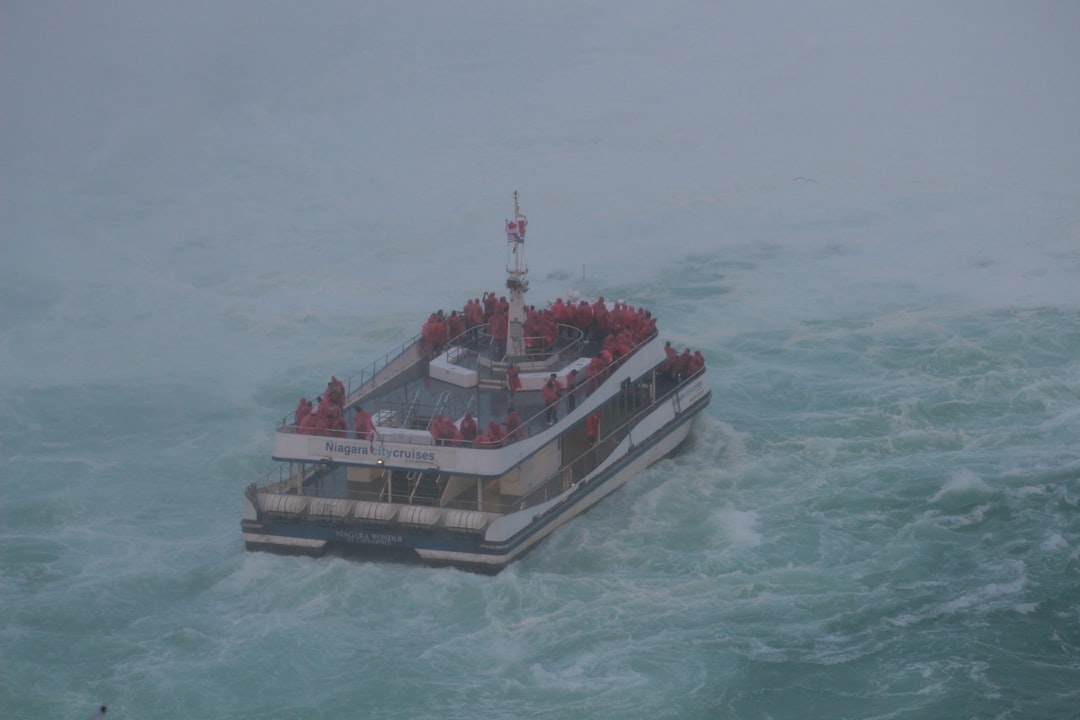
The Drake Passage, a body of water that separates South America from Antarctica, is renowned for its tumultuous seas and unpredictable weather. Named after the English explorer Sir Francis Drake, who navigated these waters in the late 16th century, the passage has become a focal point for maritime exploration and scientific research. Stretching approximately 800 kilometers (500 miles) from Cape Horn to the Antarctic Peninsula, it serves as a critical conduit for ocean currents and marine life.
The Drake Passage is not only a geographical landmark but also a symbol of the challenges faced by those who dare to traverse its often-turbulent waters. Navigating the Drake Passage is no small feat. The region is notorious for its rough seas, which can turn from calm to chaotic in a matter of hours.
This unpredictability has made it a rite of passage for sailors and adventurers alike, drawing them into its embrace with the promise of both peril and discovery. The passage is a gateway to the Antarctic, offering access to one of the most remote and pristine environments on Earth. As such, it holds significant importance for researchers studying climate change, marine ecosystems, and the effects of human activity on fragile environments.
Key Takeaways
- The Drake Passage is a narrow body of water between South America’s Cape Horn and the South Shetland Islands of Antarctica, known for its challenging sailing conditions.
- The passage is influenced by the Antarctic Circumpolar Current, which is the largest and strongest ocean current in the world, and the Southern Ocean, which surrounds Antarctica.
- Strong winds and storms in the Drake Passage can create hazardous conditions for navigation, making it one of the most treacherous waterways in the world.
- Tectonic activity in the region has shaped the landscape and continues to impact the area, contributing to the passage’s unique characteristics and challenges for navigation.
- The Drake Passage is home to diverse wildlife and biodiversity, including penguins, seals, and whales, making it an important area for conservation and environmental protection.
Geographic and Oceanographic Factors
The geographic features of the Drake Passage contribute significantly to its reputation as one of the most challenging maritime routes in the world. The passage is flanked by the rugged coastlines of South America to the north and the icy expanse of Antarctica to the south. This unique positioning creates a funnel effect, where winds and ocean currents converge, intensifying their strength and unpredictability.
The depth of the passage varies, with some areas plunging to over 4,000 meters (13,000 feet), creating an environment ripe for complex oceanographic phenomena. Oceanographically, the Drake Passage plays a pivotal role in global circulation patterns.
This current is essential for regulating ocean temperatures and salinity levels, influencing weather patterns far beyond the Southern Hemisphere. The interaction between the cold waters of the Southern Ocean and the warmer waters from the Atlantic and Pacific Oceans creates a dynamic environment that supports a diverse range of marine life.
Influence of the Antarctic Circumpolar Current
The Antarctic Circumpolar Current (ACC) is one of the most significant ocean currents on the planet, and its influence on the Drake Passage cannot be overstated. Flowing continuously around Antarctica, the ACC acts as a barrier that isolates the continent’s cold waters from the warmer waters of the Atlantic, Indian, and Pacific Oceans. This isolation is crucial for maintaining the unique ecosystems found in and around Antarctica, as it helps regulate temperatures and nutrient distribution.
The ACC also plays a vital role in global climate regulation. By transporting cold water from Antarctica towards the equator, it helps to moderate global temperatures and influences weather patterns across continents. The strength and direction of this current can vary due to changes in wind patterns and ocean temperatures, which can have cascading effects on marine life and weather systems worldwide.
Understanding the dynamics of the ACC is essential for scientists studying climate change and its impact on oceanic systems.
Impact of Strong Winds and Storms
| Location | Number of Strong Wind Events | Number of Storms | Property Damage |
|---|---|---|---|
| United States | 500 | 100 | 2 billion |
| Europe | 300 | 50 | 1.5 billion |
| Asia | 400 | 80 | 1.8 billion |
The Drake Passage is infamous for its strong winds and frequent storms, which can create treacherous conditions for vessels attempting to navigate its waters. The convergence of cold polar air from Antarctica with warmer air masses from lower latitudes often results in violent weather patterns. These storms can produce waves that reach heights of over 15 meters (50 feet), making navigation extremely hazardous.
The impact of these strong winds extends beyond immediate navigation concerns; they also play a crucial role in shaping the marine environment. Wind-driven waves contribute to mixing ocean layers, facilitating nutrient distribution that supports diverse marine ecosystems.
However, this same turbulence can also disrupt shipping routes and pose risks to fishing activities in the region. Understanding wind patterns and their effects on sea conditions is essential for ensuring safe passage through this formidable stretch of water.
Interaction with the Southern Ocean
The Drake Passage serves as a vital link between the Atlantic Ocean and the Southern Ocean, facilitating complex interactions that influence marine ecosystems on both sides. The Southern Ocean is characterized by its cold, nutrient-rich waters that support an abundance of marine life, including krill, seals, and various species of whales. The mixing of waters from different oceanic regions within the Drake Passage enhances productivity and biodiversity, making it a critical area for marine research.
This interaction also has implications for global climate systems. The Southern Ocean plays a key role in carbon cycling, absorbing significant amounts of carbon dioxide from the atmosphere. As climate change continues to alter ocean temperatures and currents, understanding how these changes affect interactions within the Drake Passage becomes increasingly important.
Researchers are closely monitoring these dynamics to assess their potential impacts on marine life and global climate patterns.
Role of Tectonic Activity

Tectonic activity has shaped not only the physical landscape of the Drake Passage but also its ecological significance. The region lies along tectonic plate boundaries where the South American Plate meets the Scotia Plate. This geological activity has resulted in a complex underwater topography that includes ridges, valleys, and seamounts.
These features create diverse habitats that support various marine species, contributing to the overall biodiversity of the area. Moreover, tectonic processes influence ocean currents and water circulation patterns within the passage. As tectonic plates shift and interact, they can alter seabed topography, which in turn affects how water flows through this critical maritime route.
Understanding these geological processes is essential for predicting changes in marine ecosystems and assessing potential impacts on navigation routes.
Historical Significance and Exploration Challenges
The historical significance of the Drake Passage is deeply intertwined with human exploration and maritime history. Sir Francis Drake’s voyage through these waters in 1578 marked one of the first recorded attempts to navigate this treacherous passage. Since then, countless explorers have faced its challenges in pursuit of discovery, trade routes, and scientific knowledge.
The passage has become synonymous with adventure and peril, drawing adventurers from around the globe. However, navigating the Drake Passage has never been without its challenges. The unpredictable weather patterns and rough seas have claimed numerous vessels throughout history, leading to tragic losses at sea.
These challenges have necessitated advancements in navigation technology and maritime safety protocols. Today, modern vessels equipped with sophisticated navigation systems are better prepared to handle the rigors of this formidable passage, yet respect for its power remains paramount among those who venture into its depths.
Wildlife and Biodiversity
The Drake Passage is home to an astonishing array of wildlife that thrives in its cold waters. The nutrient-rich environment supports vast populations of krill, which serve as a crucial food source for many species, including seals, penguins, and whales. The presence of these species highlights the ecological importance of the passage as a feeding ground for migratory animals traveling between feeding areas in Antarctica and breeding grounds further north.
Birdlife is also abundant in this region, with species such as albatrosses and petrels soaring above the waves. These birds are well-adapted to life at sea, often covering vast distances in search of food. The biodiversity found within the Drake Passage underscores its significance as a critical habitat for many marine species, making it an area of interest for conservation efforts aimed at protecting these fragile ecosystems.
Human Activities and Environmental Concerns
Human activities in and around the Drake Passage have raised significant environmental concerns over recent decades. Commercial fishing operations targeting krill and other species have increased dramatically due to rising demand for seafood products. While these activities provide economic benefits, they also pose risks to marine ecosystems that rely on healthy populations of these species.
Additionally, tourism has surged in recent years as adventurers seek to experience the beauty and challenges of navigating the Drake Passage. While ecotourism can promote awareness and conservation efforts, it also raises concerns about potential disturbances to wildlife habitats and increased pollution in this pristine environment. Balancing human interests with environmental protection remains a critical challenge for policymakers and conservationists working in this region.
Future Prospects for Navigating the Drake Passage
As climate change continues to reshape global weather patterns and ocean conditions, future navigation through the Drake Passage may face new challenges and opportunities. Warmer ocean temperatures could alter current patterns and affect marine biodiversity in ways that are not yet fully understood. Additionally, melting ice in Antarctica may open new shipping routes but could also increase risks associated with navigating through ice-laden waters.
Advancements in technology may provide solutions for safer navigation through this challenging passage. Improved forecasting models can help mariners anticipate weather changes more accurately, while innovations in vessel design may enhance stability in rough seas. As researchers continue to study this dynamic environment, understanding how best to navigate its complexities will be essential for ensuring safe passage while minimizing environmental impacts.
Tips for Surviving the Rough Waters
For those daring enough to navigate the Drake Passage, preparation is key to surviving its notorious rough waters. First and foremost, choosing a well-equipped vessel designed for open ocean travel is crucial; sturdy construction can make all the difference when facing towering waves. Additionally, ensuring that all safety equipment is onboard—such as life jackets, flares, and emergency beacons—can provide peace of mind during turbulent conditions.
Sailors should also familiarize themselves with weather patterns specific to the Drake Passage before embarking on their journey. Monitoring forecasts closely can help identify windows of opportunity when conditions may be more favorable for crossing. Finally, maintaining a flexible itinerary allows for adjustments based on real-time weather changes—an essential strategy when navigating one of nature’s most formidable maritime challenges.
In conclusion, navigating the Drake Passage requires not only skill but also respect for its unpredictable nature. As explorers continue to venture into this remarkable body of water, understanding its geographic features, oceanographic dynamics, historical significance, wildlife diversity, human impacts, and future prospects will be essential for ensuring safe passage while preserving its unique ecosystems for generations to come.
The Drake Passage is renowned for its turbulent waters, a phenomenon primarily attributed to the confluence of the Atlantic, Pacific, and Southern Oceans. This unique geographical positioning results in strong ocean currents and powerful winds, making it one of the most challenging maritime passages in the world. The narrowness of the passage, combined with the lack of significant landmasses to break the flow of water, further intensifies the conditions. For a deeper understanding of the factors contributing to the turbulence in the Drake Passage, you can explore a related article on MyGeoQuest, which delves into the oceanographic and meteorological dynamics at play in this region.
WATCH NOW! Drake Passage: Earth’s Deadliest Waters Revealed
FAQs
What is the Drake Passage?
The Drake Passage is the body of water between the southern tip of South America at Cape Horn and the South Shetland Islands of Antarctica. It connects the southwestern part of the Atlantic Ocean with the southeastern part of the Pacific Ocean.
Why is the Drake Passage so turbulent?
The Drake Passage is known for its turbulent waters due to the convergence of the Atlantic, Pacific, and Southern oceans. The strong westerly winds and the lack of any landmass to disrupt the flow of the currents contribute to the rough seas in the area.
What are the weather conditions like in the Drake Passage?
The weather in the Drake Passage is characterized by strong winds, high waves, and rapidly changing conditions. Storms and low-pressure systems are common in the area, making it one of the roughest stretches of water in the world.
How does the turbulent nature of the Drake Passage affect travel and shipping?
The turbulent nature of the Drake Passage makes it a challenging route for ships and vessels to navigate. Travel through the passage can be rough and unpredictable, leading to potential delays and discomfort for passengers and crew. Shipping companies often have to carefully plan their routes and schedules to account for the challenging conditions in the area.
Are there any safety concerns associated with the turbulent waters of the Drake Passage?
The turbulent waters of the Drake Passage can pose safety concerns for ships and vessels navigating through the area. The rough seas and strong winds can lead to potential hazards such as rough sailing conditions, sea sickness, and the risk of ship damage if not properly prepared for. It is important for travelers and shipping companies to be aware of these potential risks and take necessary precautions when traveling through the Drake Passage.