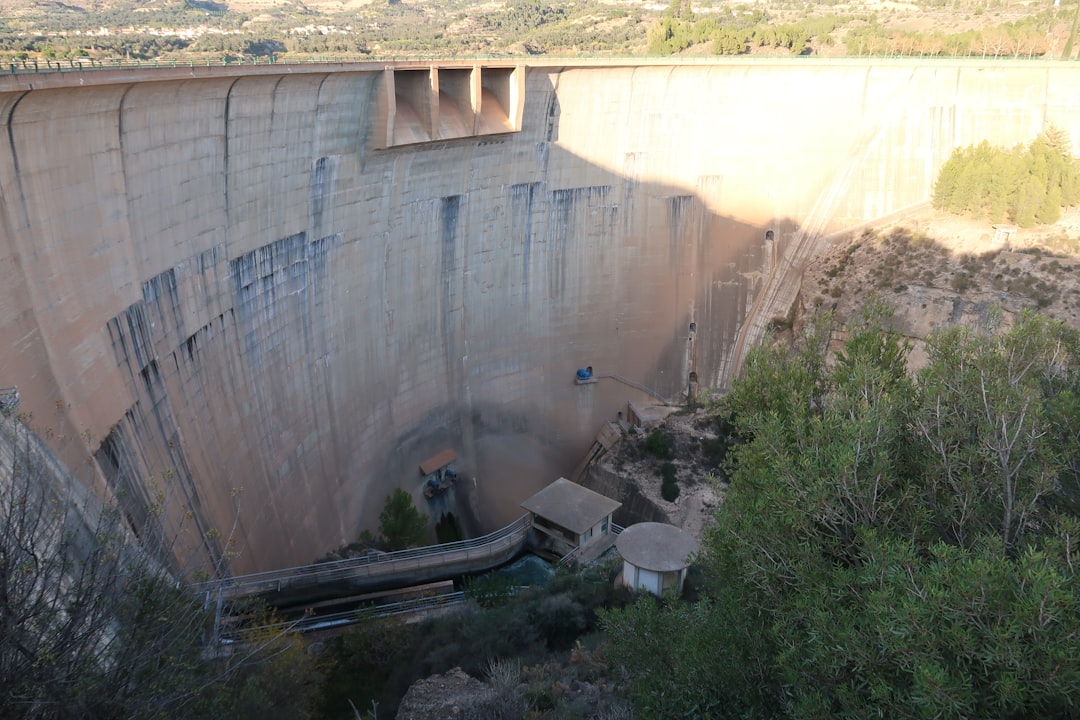
Dam safety is a critical aspect of infrastructure management that directly impacts public safety, environmental health, and economic stability. Dams serve multiple purposes, including water supply, flood control, hydroelectric power generation, and recreational activities. However, the failure of a dam can lead to catastrophic consequences, including loss of life, destruction of property, and long-term environmental damage.
Therefore, ensuring the safety and integrity of these structures is paramount. The importance of dam safety extends beyond the immediate vicinity of the dam itself; it encompasses the well-being of entire communities and ecosystems downstream. Moreover, the significance of dam safety is underscored by the increasing number of aging dams worldwide.
Many dams were constructed decades ago and may not have been designed to withstand modern challenges such as increased rainfall, seismic activity, or changes in land use. As these structures age, the risk of failure rises, making it essential for stakeholders to prioritize dam safety measures. This includes regular assessments, upgrades to engineering standards, and the implementation of advanced monitoring technologies to detect potential issues before they escalate into disasters.
Key Takeaways
- Dam safety is critical to prevent catastrophic failures and protect communities.
- Engineers play a vital role in designing, inspecting, and maintaining dams to ensure their integrity.
- Climate change increases risks to dam safety, necessitating adaptive strategies and technologies.
- Regular inspections, maintenance, and emergency preparedness are essential to mitigate potential failures.
- Government regulations, public education, and technological advancements are key to enhancing dam safety.
Common Threats to Dam Safety
Dams face a variety of threats that can compromise their structural integrity and operational effectiveness. One of the most prevalent threats is the deterioration of materials due to age and environmental factors. Over time, concrete can crack, steel can corrode, and other materials can weaken, leading to potential failures.
Additionally, sediment buildup in reservoirs can alter water flow patterns and increase pressure on dam structures, further exacerbating the risk of failure. Another significant threat to dam safety is extreme weather events, which have become more frequent and intense due to climate change. Heavy rainfall can lead to rapid increases in water levels, overwhelming spillways and causing overtopping.
Conversely, prolonged droughts can reduce water levels to critical points, affecting the dam’s ability to function as intended. Furthermore, seismic activity poses a serious risk to dams located in earthquake-prone regions. A strong earthquake can cause structural damage or even complete failure, highlighting the need for robust engineering solutions to mitigate these risks.
The Role of Engineers in Dam Safety
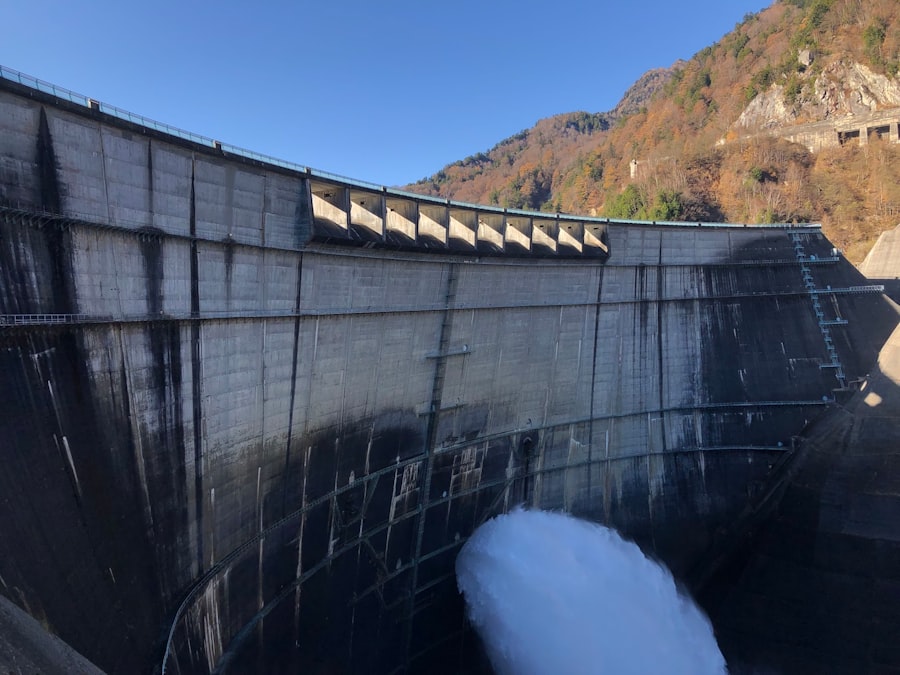
Engineers play a pivotal role in ensuring dam safety through their expertise in design, construction, and maintenance. Their responsibilities begin with the initial design phase, where they must consider various factors such as hydrology, geology, and environmental impact. A well-designed dam takes into account potential risks and incorporates features that enhance its resilience against natural disasters.
Engineers also conduct thorough risk assessments to identify vulnerabilities and develop strategies to address them. In addition to design and construction, engineers are responsible for ongoing monitoring and maintenance of dams throughout their operational life. This includes conducting regular inspections to identify signs of wear or damage and implementing necessary repairs or upgrades.
Engineers utilize advanced technologies such as remote sensing and data analytics to monitor dam performance in real-time, allowing for proactive management of potential issues. Their expertise is essential in developing emergency response plans and ensuring that all stakeholders are prepared for any eventualities.
The Impact of Climate Change on Dam Safety
| Metric | Impact Description | Example Data | Potential Consequences |
|---|---|---|---|
| Increased Rainfall Intensity | Higher frequency of extreme precipitation events leading to rapid reservoir filling. | 30% increase in peak rainfall events over 20 years | Overtopping risk, structural stress, increased spillway use |
| Temperature Rise | Elevated temperatures causing material degradation and altered hydrological cycles. | Average temperature increase of 1.5°C since 1980 | Concrete cracking, reduced dam lifespan, altered inflow patterns |
| Increased Flood Frequency | More frequent floods challenge dam design limits and emergency preparedness. | Flood events doubled in frequency over 30 years | Structural damage, emergency spillway activation, downstream flooding |
| Drought Periods | Extended dry spells reduce reservoir levels, affecting dam stability and water supply. | 20% reduction in average reservoir levels during drought years | Foundation drying and cracking, reduced hydroelectric power generation |
| Seismic Activity Changes | Climate-induced changes in groundwater may influence seismic risks near dams. | 5% increase in minor seismic events near dam sites | Potential structural weakening, increased monitoring needs |
Climate change poses significant challenges to dam safety by altering weather patterns and increasing the frequency of extreme events. Rising temperatures can lead to more intense storms and heavier rainfall, which can overwhelm existing dam infrastructure designed for historical weather patterns. As a result, many dams may be ill-equipped to handle the increased water flow, raising concerns about overtopping and structural failure.
Additionally, climate change can exacerbate existing vulnerabilities in dam systems. For instance, prolonged droughts can lead to reduced reservoir levels, impacting water supply and hydroelectric power generation. Conversely, rapid snowmelt due to warmer temperatures can result in sudden surges in water levels that catch operators off guard.
The unpredictability of climate-related events necessitates a reevaluation of current dam safety standards and practices to ensure that they remain effective in an evolving climate landscape.
The Importance of Regular Inspections and Maintenance
Regular inspections and maintenance are vital components of a comprehensive dam safety program. These activities help identify potential issues before they escalate into serious problems that could compromise the integrity of the structure. Inspections typically involve visual assessments as well as more advanced techniques such as sonar scanning and structural health monitoring systems that provide real-time data on the condition of the dam.
Maintenance activities may include repairing cracks, reinforcing structures, and clearing debris from spillways to ensure proper functionality during high water events. By investing in regular inspections and maintenance, stakeholders can extend the lifespan of dams and reduce the likelihood of catastrophic failures. Furthermore, a proactive approach to maintenance fosters public confidence in the safety of these critical infrastructures.
The Role of Emergency Preparedness in Dam Safety
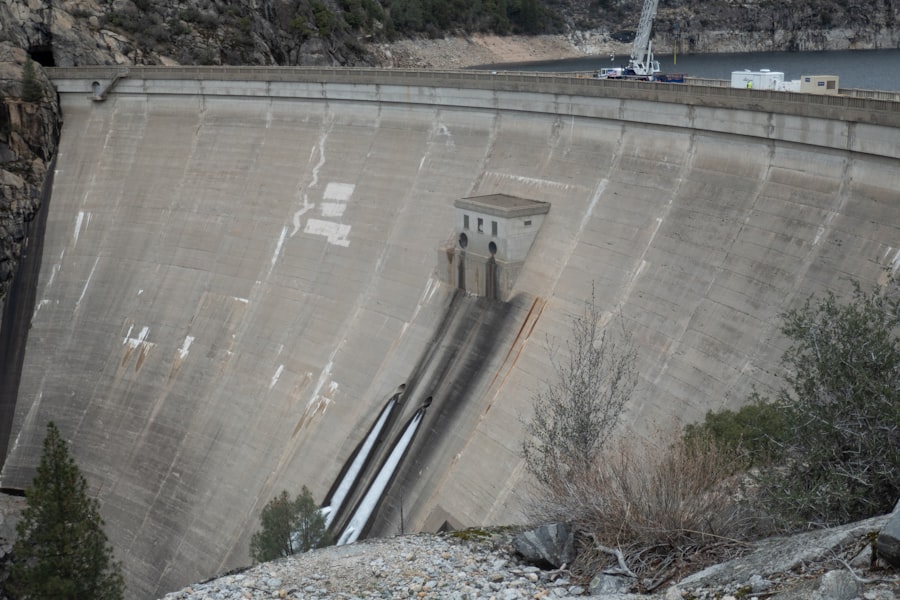
Emergency preparedness is an essential aspect of dam safety management that involves planning for potential failures or emergencies. This includes developing comprehensive emergency action plans (EAPs) that outline procedures for responding to various scenarios such as flooding or structural failure. EAPs should be regularly updated and tested through drills involving local emergency services and community members to ensure that everyone knows their roles in an emergency situation.
Effective communication is also a key component of emergency preparedness. Stakeholders must establish clear lines of communication with local authorities, emergency responders, and the public to disseminate information quickly during a crisis. By fostering a culture of preparedness and awareness within communities living near dams, stakeholders can significantly reduce risks associated with potential failures and enhance overall public safety.
The Economic Cost of Dam Failures
The economic implications of dam failures can be staggering, affecting not only local communities but also regional economies. When a dam fails, it can lead to extensive property damage, loss of infrastructure, and disruption of essential services such as water supply and electricity generation. The costs associated with recovery efforts can be astronomical, often requiring significant public funds for repairs and rebuilding.
Moreover, the economic impact extends beyond immediate damages; it can also affect industries reliant on stable water supplies or hydroelectric power generation. For example, agricultural sectors may suffer from reduced irrigation capabilities following a dam failure, leading to crop losses and financial strain on farmers. The long-term economic consequences underscore the importance of investing in dam safety measures to prevent failures from occurring in the first place.
The Role of Technology in Improving Dam Safety
Advancements in technology have revolutionized the field of dam safety by providing new tools for monitoring and assessment. Remote sensing technologies such as satellite imagery and drones allow engineers to conduct comprehensive inspections without needing physical access to hard-to-reach areas. These technologies enable real-time data collection on water levels, structural integrity, and environmental conditions surrounding dams.
Additionally, data analytics plays a crucial role in enhancing decision-making processes related to dam safety management.
This proactive approach allows for timely interventions that can prevent failures and ensure the continued safe operation of dams.
The Importance of Public Awareness and Education
Public awareness and education are vital components in promoting dam safety at both local and national levels. Communities living near dams should be informed about potential risks associated with dam failures and understand the importance of emergency preparedness measures. Educational programs can empower residents with knowledge about evacuation routes, emergency contacts, and how to respond during a crisis.
Furthermore, fostering a culture of safety within communities encourages individuals to take an active role in monitoring their surroundings and reporting any concerns related to dam conditions. Engaging local stakeholders in discussions about dam safety can also lead to increased transparency and trust between authorities and residents. By prioritizing public awareness initiatives, stakeholders can create a more informed populace that is better equipped to respond effectively in emergencies.
The Role of Government Regulations in Ensuring Dam Safety
Government regulations play a crucial role in establishing standards for dam safety across various jurisdictions.
These regulations are essential for ensuring that dams are built to withstand potential risks while prioritizing public safety.
Moreover, government agencies often provide oversight through regular inspections and assessments to ensure compliance with established standards. In some cases, funding may be allocated for upgrades or repairs needed to bring aging dams up to current safety standards. By enforcing regulations that prioritize dam safety, governments can help mitigate risks associated with potential failures while safeguarding communities reliant on these critical infrastructures.
The Future of Dam Safety: Challenges and Opportunities
The future of dam safety presents both challenges and opportunities as society grapples with evolving environmental conditions and technological advancements. One significant challenge lies in addressing the aging infrastructure crisis faced by many countries worldwide. As more dams reach the end of their operational lifespan without adequate maintenance or upgrades, the risk of failure increases significantly.
However, this challenge also presents an opportunity for innovation within the field of engineering and infrastructure management. By embracing new technologies such as artificial intelligence for predictive maintenance or advanced materials for construction upgrades, stakeholders can enhance the resilience of existing dams while ensuring that new projects are designed with future challenges in mind. In conclusion, prioritizing dam safety is essential for protecting lives, preserving ecosystems, and maintaining economic stability.
Through collaboration among engineers, government agencies, communities, and technological advancements, stakeholders can work together to address current challenges while seizing opportunities for improvement in this critical area of infrastructure management.
Understanding dam safety is crucial for preventing catastrophic failures that can lead to loss of life and property. For a deeper insight into this topic, you can read the article on dam safety measures and regulations at this link. This resource provides valuable information on the standards and practices that ensure the integrity of dams and the safety of surrounding communities.
WATCH THIS! The $50 Billion Lie: America’s Dams Are About to Fail (60-Minute Documentary)
FAQs
What is dam safety?
Dam safety refers to the practices, regulations, and engineering measures implemented to ensure that dams are constructed, maintained, and operated in a manner that prevents failures and minimizes risks to people, property, and the environment.
Why is dam safety important?
Dam safety is crucial because dam failures can lead to catastrophic flooding, loss of life, environmental damage, and significant economic losses. Proper safety measures help protect communities downstream and preserve water resources.
How are dams inspected for safety?
Dams are inspected through regular visual assessments, structural evaluations, monitoring of seepage and pressure, and sometimes through advanced techniques like sonar or drone surveys. Inspections are typically conducted by qualified engineers and regulatory agencies.
What causes dam failures?
Common causes of dam failures include structural weaknesses, poor design or construction, overtopping due to extreme weather, foundation problems, seismic activity, and inadequate maintenance.
Are all dams equally risky?
No, the risk associated with a dam depends on factors such as its size, design, location, age, and the potential consequences of failure. Large dams near populated areas generally require more stringent safety measures.
Who is responsible for dam safety?
Dam owners are primarily responsible for maintaining dam safety, but government agencies at local, state, and federal levels also play key roles in regulation, inspection, and emergency planning.
What regulations govern dam safety?
Dam safety regulations vary by country and region but typically include standards for design, construction, inspection, maintenance, and emergency preparedness. In the United States, for example, the Federal Emergency Management Agency (FEMA) and state agencies oversee dam safety programs.
Can dam safety be improved?
Yes, dam safety can be improved through regular inspections, maintenance, upgrading aging infrastructure, implementing advanced monitoring technologies, and developing comprehensive emergency action plans.
What should communities do to prepare for dam-related emergencies?
Communities should be informed about nearby dams, understand evacuation routes, participate in emergency drills, and stay updated on warnings issued by authorities to ensure preparedness in case of dam failure.
Are new technologies used in dam safety?
Yes, modern technologies such as remote sensing, real-time monitoring systems, drones, and computer modeling are increasingly used to enhance dam safety by providing early warnings and detailed structural assessments.