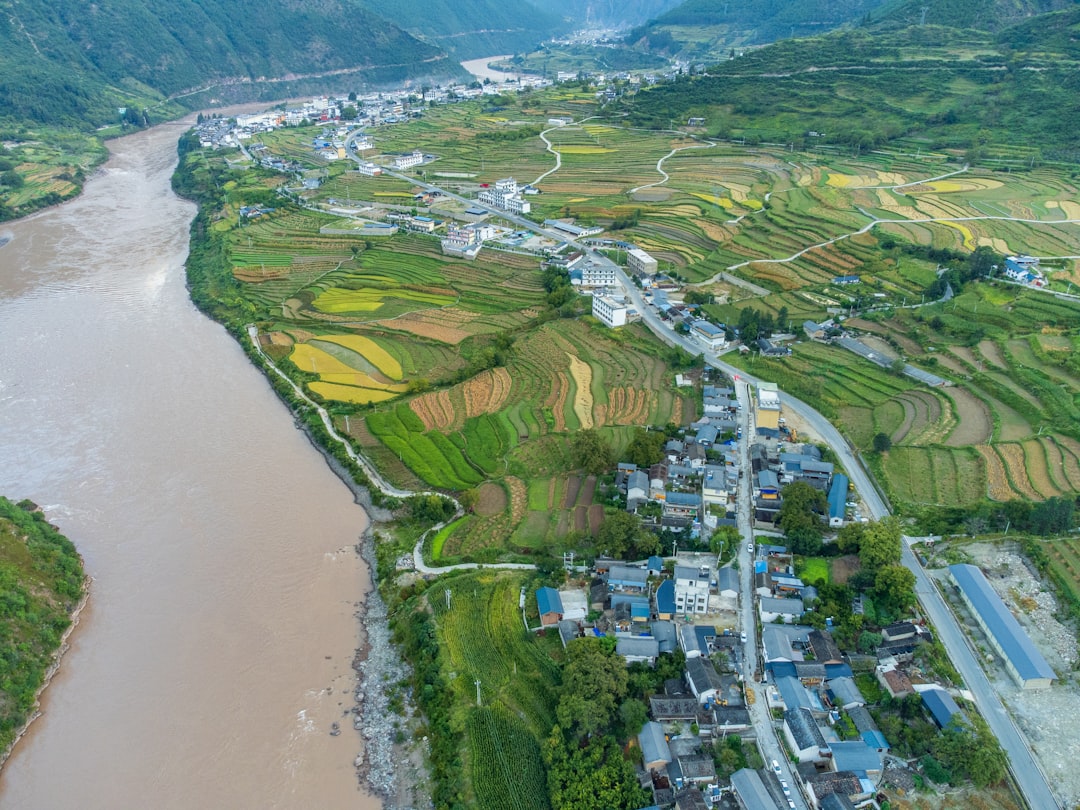
The Three Gorges Dam, an engineering marvel located on the Yangtze River in Hubei province, China, stands as one of the largest and most ambitious infrastructure projects in history. Spanning over 2,300 meters in length and reaching a height of 185 meters, this colossal structure has become a symbol of modern Chinese engineering prowess. Completed in 2012 after nearly two decades of construction, the dam was designed to serve multiple purposes, including hydroelectric power generation, flood control, and improved navigation along the river.
Its sheer scale and complexity have drawn both admiration and criticism from around the world, making it a focal point for discussions on environmental impact, social displacement, and economic development. The dam’s construction was driven by a pressing need to address the frequent and devastating floods that plagued the Yangtze River basin. Historically, these floods have caused significant loss of life and property, prompting the Chinese government to seek a long-term solution.
The Three Gorges Dam was envisioned not only as a means to harness the river’s power but also as a protective barrier against the natural disasters that had long threatened the region. As such, it represents a critical intersection of human ingenuity and nature’s formidable forces, raising questions about the balance between development and environmental stewardship.
Key Takeaways
- The Three Gorges Dam was built primarily for flood control, power generation, and navigation improvement.
- Despite its design, the dam has experienced failures in effectively controlling floods.
- These flood control failures have led to significant environmental and social consequences.
- Responses to the failures include reassessment of flood management strategies and infrastructure improvements.
- Lessons from the dam’s shortcomings have global implications for large-scale flood control projects.
The purpose of the Three Gorges Dam
The primary purpose of the Three Gorges Dam is multifaceted, encompassing flood control, hydroelectric power generation, and improved navigation. Flood control was one of the most compelling reasons for its construction, as the Yangtze River has historically been prone to catastrophic flooding. By regulating water flow and creating a reservoir capable of storing excess water during heavy rainfall, the dam aims to mitigate the risk of flooding downstream.
This aspect of the dam’s design is particularly crucial for protecting densely populated areas along the riverbanks, where millions of people reside. In addition to flood control, the dam serves as a significant source of renewable energy. With an installed capacity of over 22,500 megawatts, it is one of the largest hydroelectric power stations in the world.
The energy generated by the dam contributes substantially to China’s growing energy needs, supporting industrial growth and urbanization. Furthermore, the dam enhances navigation along the Yangtze River by allowing larger vessels to traverse its waters more easily. This improvement in transportation infrastructure facilitates trade and commerce, further integrating the region into China’s broader economic framework.
The construction of the Three Gorges Dam
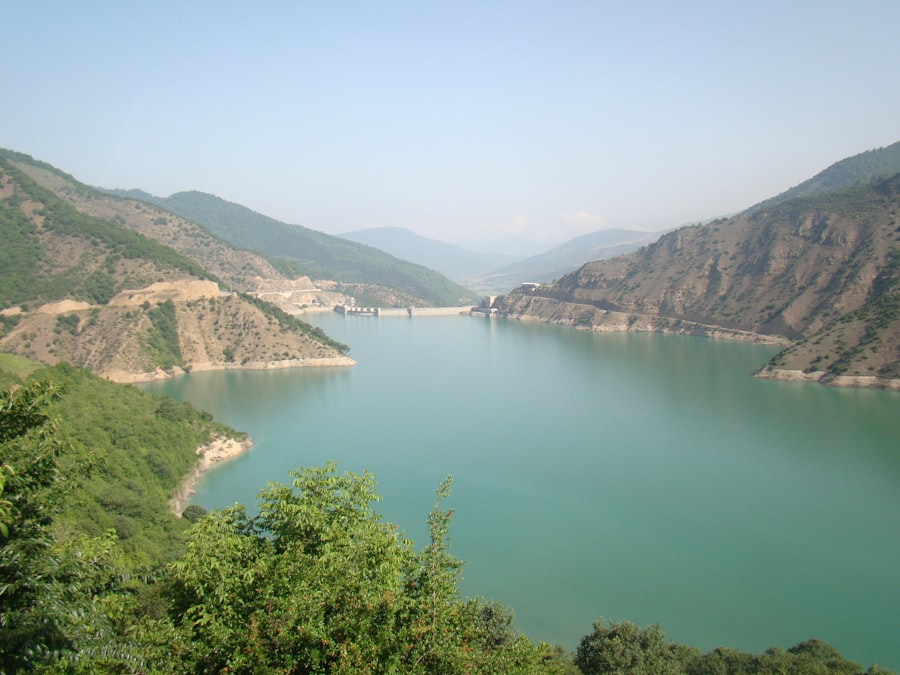
The construction of the Three Gorges Dam was a monumental undertaking that began in 1994 and involved thousands of workers and engineers. The project faced numerous challenges, including geological complexities, environmental concerns, and social implications. The sheer scale of the dam required extensive planning and coordination among various government agencies and stakeholders.
As construction progressed, it became evident that the project would not only reshape the landscape but also displace millions of residents from their homes. The process of building the dam involved significant excavation and concrete pouring, with vast amounts of materials transported to the site. Workers faced harsh conditions and tight deadlines as they labored to complete this ambitious project.
Despite these challenges, the construction proceeded with remarkable speed, showcasing China’s capacity for large-scale infrastructure development. However, this rapid progress came at a cost; many communities were uprooted, leading to widespread social disruption and loss of cultural heritage.
The impact of the Three Gorges Dam on flood control
| Metric | Before Three Gorges Dam | After Three Gorges Dam | Impact on Flood Control |
|---|---|---|---|
| Flood Storage Capacity (billion cubic meters) | None | 22.15 | Significant increase in floodwater storage capacity |
| Frequency of Major Floods (per decade) | 3-4 | 1-2 | Reduction in frequency of major floods downstream |
| Maximum Flood Discharge Controlled (cubic meters per second) | Up to 70,000 | Reduced to around 35,000 | Halved peak flood discharge downstream |
| Flood Damage Cost (relative index) | 100 (baseline) | Reduced by approximately 40% | Lower economic losses due to flood control |
| Area Protected from Flooding (million hectares) | Approximately 0.5 | Over 1.0 | Expanded flood protection area |
Initially hailed as a breakthrough in flood management, the Three Gorges Dam was expected to significantly reduce the risk of flooding in the Yangtze River basin. By creating a vast reservoir capable of holding back excess water during periods of heavy rainfall, it was believed that the dam would protect downstream communities from catastrophic floods. The reservoir’s capacity was designed to absorb surges in water flow, thereby stabilizing river levels and preventing overflow.
In its early years of operation, the dam appeared to fulfill its promise of enhanced flood control. Reports indicated that it successfully managed water levels during several rainy seasons, providing a sense of security to residents living along the riverbanks. The dam’s ability to regulate water flow was seen as a triumph of engineering, demonstrating how human intervention could mitigate natural disasters.
However, this initial success would soon be overshadowed by unforeseen challenges that would call into question the effectiveness of its flood control measures.
The failure of the Three Gorges Dam in flood control
Despite its initial successes in managing water levels, the Three Gorges Dam faced significant challenges during extreme weather events. In recent years, heavy rainfall and climate change have led to unprecedented flooding in parts of China, raising concerns about the dam’s ability to cope with such conditions. In 2020, for instance, record-breaking rainfall overwhelmed the reservoir’s capacity, leading to fears that it could not adequately protect downstream areas from flooding.
Critics argue that while the dam was designed with flood control in mind, it may not be equipped to handle increasingly severe weather patterns exacerbated by climate change. The reliance on a single structure for flood management has proven problematic; when faced with extreme conditions, the dam’s limitations became apparent. This failure has sparked debates about whether reliance on large-scale infrastructure projects is sufficient for addressing complex environmental challenges.
The consequences of the Three Gorges Dam’s flood control failure
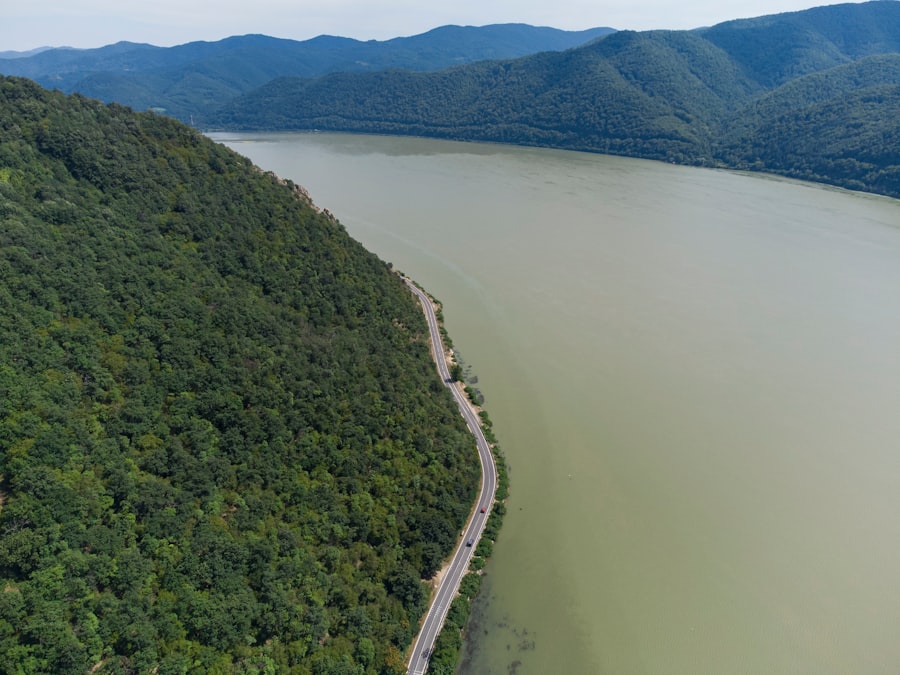
The failure of the Three Gorges Dam to effectively manage flooding has had far-reaching consequences for communities along the Yangtze River. When heavy rains inundated areas downstream in 2020, many residents experienced devastating losses as homes were submerged and livelihoods destroyed. The psychological toll on affected populations has been profound; fear and anxiety about future flooding events have become pervasive among those who live in proximity to the dam.
Moreover, the economic implications of these flooding events cannot be understated. Agriculture in affected regions suffered significantly due to crop destruction and soil erosion caused by rising waters.
The dam’s failure to provide reliable flood control has raised questions about its overall efficacy and has led some communities to reconsider their long-term strategies for disaster preparedness.
The response to the Three Gorges Dam’s flood control failure
In response to its flood control failures, authorities have implemented various measures aimed at improving management practices around the Three Gorges Dam. These efforts include enhancing monitoring systems to better predict weather patterns and water levels in real-time. By investing in advanced technology and data analysis, officials hope to make more informed decisions regarding water release from the reservoir during periods of heavy rainfall.
Additionally, there has been a push for greater community engagement in flood preparedness initiatives. Local governments are working with residents to develop contingency plans that account for potential flooding scenarios. This collaborative approach aims to empower communities with knowledge and resources necessary for effective response during emergencies.
While these measures represent steps toward addressing past shortcomings, they also highlight the need for ongoing adaptation in light of changing environmental conditions.
The future of the Three Gorges Dam and flood control
Looking ahead, the future of the Three Gorges Dam remains uncertain as climate change continues to pose challenges for flood management strategies across China. Authorities are grappling with how best to adapt existing infrastructure to meet evolving environmental realities while ensuring public safety. This may involve re-evaluating operational protocols for water release during extreme weather events or investing in supplementary flood control measures beyond reliance on a single dam.
Furthermore, discussions surrounding sustainable development are becoming increasingly relevant in light of recent events. Balancing economic growth with environmental protection will be crucial as China navigates its path forward. The Three Gorges Dam serves as both a symbol of progress and a reminder of potential pitfalls associated with large-scale engineering projects; thus, its future will likely involve ongoing scrutiny from both domestic and international observers.
Lessons learned from the Three Gorges Dam’s flood control failure
The experience surrounding the Three Gorges Dam offers valuable lessons for future infrastructure projects worldwide. One key takeaway is the importance of incorporating flexibility into design and operational plans when addressing complex environmental challenges. Relying solely on large-scale structures may not suffice; instead, a multifaceted approach that includes community engagement and adaptive management strategies is essential for effective disaster preparedness.
Additionally, understanding local ecological dynamics is critical when planning major infrastructure projects. The interplay between human activity and natural systems can yield unpredictable outcomes; therefore, thorough environmental assessments should inform decision-making processes from inception through implementation. By learning from past mistakes associated with the Three Gorges Dam’s flood control failures, future projects can strive for greater resilience against climate-related risks.
The global implications of the Three Gorges Dam’s flood control failure
The implications of the Three Gorges Dam’s flood control failures extend beyond China’s borders; they resonate globally as nations grapple with similar challenges posed by climate change and extreme weather events. As countries invest in large-scale infrastructure projects aimed at mitigating natural disasters, they must consider lessons learned from experiences like those surrounding the Three Gorges Dam. Internationally, there is an increasing recognition that collaboration among nations is essential for addressing shared environmental challenges effectively.
Knowledge sharing regarding best practices in flood management can foster innovation while promoting sustainable development goals across regions facing similar risks. The Three Gorges Dam serves as both a cautionary tale and an opportunity for dialogue among nations seeking solutions to complex environmental issues.
Conclusion and recommendations for the Three Gorges Dam’s flood control failure
In conclusion, while the Three Gorges Dam was initially celebrated as a triumph of engineering designed to combat flooding along one of China’s most vital rivers, its recent failures highlight significant shortcomings in flood management strategies. As climate change continues to exacerbate extreme weather patterns globally, it is imperative that authorities reassess their reliance on singular infrastructure solutions like dams. Recommendations for improving flood control around the Three Gorges Dam include investing in advanced monitoring technologies that enhance predictive capabilities regarding weather patterns and water levels.
Additionally, fostering community engagement through education initiatives can empower residents with knowledge about disaster preparedness strategies tailored to their specific needs. Ultimately, addressing these challenges requires a holistic approach that integrates engineering solutions with ecological understanding while prioritizing community resilience against future flooding events. By learning from past experiences associated with the Three Gorges Dam’s flood control failures, stakeholders can work toward creating more sustainable systems capable of adapting to an uncertain future.
The Three Gorges Dam, while designed to control flooding along the Yangtze River, has faced significant challenges in its flood management capabilities, raising concerns about its effectiveness. For a deeper understanding of the implications of such failures, you can read more in the article on flood management strategies at this link. This article explores various approaches to flood control and the lessons learned from large-scale projects like the Three Gorges Dam.
WATCH THIS! The $30 Billion Lie: Why China’s Three Gorges Dam Will Fail Sooner Than You Think
FAQs
What is the Three Gorges Dam?
The Three Gorges Dam is a hydroelectric gravity dam located on the Yangtze River in Hubei Province, China. It is the world’s largest power station in terms of installed capacity and was constructed primarily for flood control, power generation, and navigation improvement.
What was the intended purpose of the Three Gorges Dam in flood control?
The dam was designed to reduce the frequency and severity of flooding downstream by regulating the flow of the Yangtze River. It can store large volumes of water during the rainy season and release it gradually, thereby mitigating flood risks in the lower reaches of the river.
What does “flood control failure” mean in the context of the Three Gorges Dam?
Flood control failure refers to situations where the dam was unable to prevent or significantly reduce flooding downstream, either due to extreme weather events exceeding design expectations, operational challenges, or structural limitations.
Has the Three Gorges Dam ever failed to control floods?
While the dam has generally been effective in reducing flood risks, there have been instances during exceptionally heavy rainfall when floodwaters exceeded the dam’s storage capacity, leading to downstream flooding. These events are often described as flood control failures or limitations.
What factors contribute to flood control challenges at the Three Gorges Dam?
Factors include extreme and unpredictable weather patterns, sediment accumulation reducing reservoir capacity, operational decisions during peak inflow periods, and the sheer volume of water during major flood events that can surpass the dam’s design limits.
What are the consequences of flood control failure at the Three Gorges Dam?
Consequences can include downstream flooding, damage to infrastructure and agriculture, displacement of populations, and increased risk to human safety. It can also affect the dam’s reputation and raise concerns about its long-term effectiveness.
How does the Three Gorges Dam impact flood control downstream?
The dam helps by storing floodwaters and releasing them in a controlled manner, which reduces peak flood levels downstream. However, its effectiveness depends on reservoir management, weather conditions, and coordination with other flood control measures.
Are there ongoing efforts to improve flood control at the Three Gorges Dam?
Yes, Chinese authorities continuously monitor and upgrade dam operations, improve forecasting and early warning systems, and implement complementary flood management strategies to enhance the dam’s flood control capabilities.
What role does climate change play in the flood control challenges of the Three Gorges Dam?
Climate change can lead to more frequent and intense rainfall events, increasing the volume and unpredictability of floodwaters. This poses additional challenges for the dam’s flood control capacity and requires adaptive management strategies.
Is the Three Gorges Dam the only flood control measure on the Yangtze River?
No, the Yangtze River basin has multiple dams, levees, reservoirs, and flood diversion areas that work together to manage flood risks. The Three Gorges Dam is a key component but not the sole flood control infrastructure in the region.