
The Three Gorges Dam, located on the Yangtze River in Hubei province, China, stands as a monumental feat of engineering and a symbol of national pride. Completed in 2012, this colossal structure stretches over 2,300 meters in length and reaches a height of 185 meters, making it the largest hydroelectric power station in the world by installed capacity. The dam was conceived as a multi-purpose project aimed at flood control, power generation, and improved navigation along the Yangtze River.
Its construction has been a focal point of both admiration and controversy, reflecting the complexities of modern infrastructure development in a rapidly changing world. The dam’s construction began in 1994 and involved the relocation of over a million people, the submergence of numerous towns, and significant alterations to the local ecosystem. While it has undoubtedly transformed the landscape and provided substantial benefits in terms of energy production and flood management, the dam has also sparked intense debates regarding its environmental and social ramifications.
Key Takeaways
- The Three Gorges Dam has significant environmental, social, and economic impacts on China and the region.
- Safety concerns and potential consequences of dam failure remain critical issues.
- The dam influences geopolitical dynamics, affecting international relations.
- Efforts are underway to address safety and environmental challenges associated with the dam.
- Alternatives to the dam are being considered to balance development and sustainability.
Environmental Impact of the Three Gorges Dam
The environmental consequences of the Three Gorges Dam are profound and multifaceted. One of the most significant impacts has been on the local ecosystem, particularly aquatic life. The dam has altered the natural flow of the Yangtze River, disrupting migratory patterns for fish species such as the Chinese sturgeon and the Yangtze river dolphin.
These changes have led to a decline in biodiversity, raising concerns among environmentalists about the long-term health of the river’s ecosystem. The dam’s reservoir has also created a stagnant body of water that can promote algal blooms, further threatening aquatic life. In addition to affecting wildlife, the dam has had repercussions for local vegetation and soil quality.
The flooding caused by the reservoir has submerged vast areas of farmland, leading to soil erosion and loss of arable land. This transformation has not only impacted agriculture but has also altered local climates, with changes in temperature and precipitation patterns observed in surrounding areas. The dam’s construction has thus initiated a cascade of environmental changes that continue to unfold, prompting calls for more sustainable practices in large-scale infrastructure projects.
Social Impact of the Three Gorges Dam
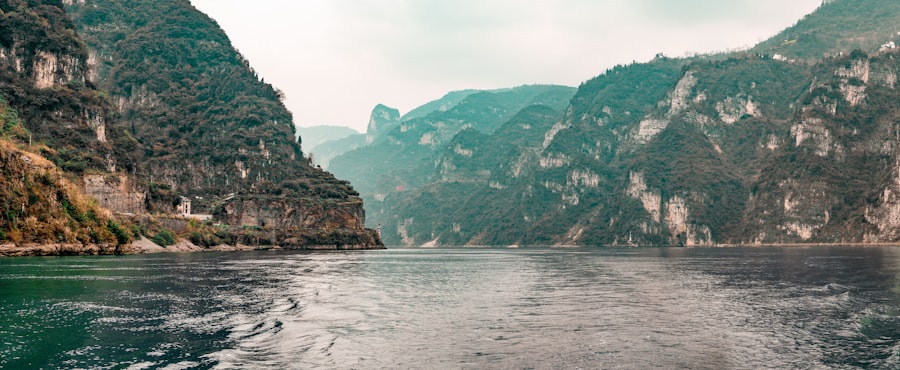
The social implications of the Three Gorges Dam are equally significant, particularly concerning the millions of people who were displaced during its construction. The relocation process was fraught with challenges, as entire communities were uprooted from their homes and livelihoods. Many residents faced inadequate compensation and insufficient support for resettlement, leading to social unrest and dissatisfaction.
The psychological toll on those displaced cannot be understated; individuals lost not only their homes but also their cultural heritage and community ties. Moreover, the dam’s construction has led to changes in local economies. While some regions have benefited from new job opportunities related to construction and tourism, others have suffered from economic decline due to loss of agricultural land and traditional livelihoods.
The influx of workers and tourists has also strained local resources and infrastructure, creating tensions between newcomers and long-time residents. As communities continue to adapt to these changes, the social fabric of the region remains under pressure, highlighting the need for comprehensive planning that considers both human and environmental factors.
Economic Impact of the Three Gorges Dam
| Metric | Value | Unit | Notes |
|---|---|---|---|
| Construction Cost | 180 | billion | Estimated total investment |
| Installed Capacity | 22,500 | MW | Hydroelectric power generation capacity |
| Annual Power Generation | 98 | billion kWh | Average yearly electricity production |
| Flood Control Capacity | 22 | billion cubic meters | Reservoir flood storage volume |
| Number of People Relocated | 1.3 | million | Population displaced due to reservoir creation |
| Annual Economic Benefit | 30 | billion | Estimated yearly economic gains from power and flood control |
| Reduction in Coal Consumption | 31 | million tons | Annual coal savings due to hydroelectric power |
| Improved Navigation Capacity | 10,000 | tons | Maximum ship tonnage enabled on the Yangtze River |
Economically, the Three Gorges Dam has been heralded as a transformative project for China. It is estimated that the dam generates over 100 terawatt-hours of electricity annually, significantly contributing to the country’s energy needs. This renewable energy source has helped reduce reliance on coal-fired power plants, aligning with China’s goals for cleaner energy production.
The dam has also improved navigation along the Yangtze River, facilitating trade and transportation for goods across central China. However, while the dam has spurred economic growth in certain sectors, it has also created disparities among different regions. Areas surrounding the dam have seen an influx of investment and development, while others have experienced stagnation or decline due to loss of agricultural land and traditional industries.
Additionally, the costs associated with resettlement and environmental mitigation efforts have raised questions about the overall economic viability of such large-scale projects.
Geopolitical Implications of the Three Gorges Dam
The geopolitical ramifications of the Three Gorges Dam extend beyond China’s borders. As one of the largest infrastructure projects in history, it has implications for regional water management and international relations. The Yangtze River flows through several provinces and is a vital resource for millions of people; thus, any changes to its flow can affect neighboring countries that rely on its waters.
Concerns have been raised about potential conflicts over water rights and usage among countries sharing river basins. Furthermore, the dam symbolizes China’s growing influence on the global stage. By showcasing its engineering capabilities and commitment to renewable energy, China positions itself as a leader in sustainable development.
However, this leadership comes with scrutiny from international observers who question the environmental and social costs associated with such projects. As global attention shifts toward climate change and resource management, the Three Gorges Dam serves as a focal point for discussions about responsible development practices.
Safety Concerns Surrounding the Three Gorges Dam
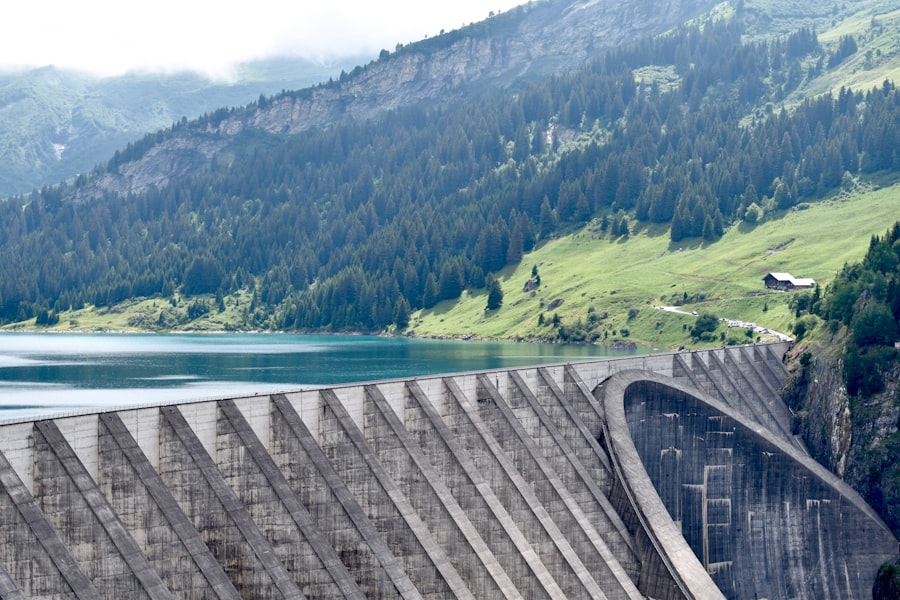
Safety concerns regarding the Three Gorges Dam have been a topic of ongoing debate since its inception. Given its massive size and capacity, any failure could have catastrophic consequences for millions living downstream. Experts have raised alarms about potential structural weaknesses due to geological factors such as seismic activity in the region.
The dam is situated in an area prone to earthquakes, which raises questions about its ability to withstand natural disasters. In addition to geological risks, there are concerns about sediment buildup in the reservoir. Over time, sediment can accumulate behind dams, reducing their storage capacity and increasing pressure on their structures.
If not managed properly, this could lead to increased risks of flooding or even dam failure. As climate change continues to exacerbate extreme weather events, ensuring the safety and integrity of such a massive structure becomes increasingly critical.
Potential Consequences of a Dam Failure
The potential consequences of a failure at the Three Gorges Dam are alarming to both local residents and international observers alike. A catastrophic breach could unleash a torrent of water downstream, inundating cities and towns along the Yangtze River with little warning. The loss of life could be staggering; estimates suggest that millions could be affected within hours if such an event were to occur.
Beyond immediate human casualties, a dam failure would have long-lasting repercussions for infrastructure and ecosystems in the region. Flooding could destroy homes, disrupt transportation networks, and damage agricultural land essential for food production. The environmental impact would also be severe; ecosystems that have already been stressed by dam construction would face further degradation from sudden flooding events.
The potential for widespread devastation underscores the importance of rigorous safety measures and contingency planning.
Current Efforts to Address Safety Concerns
In response to safety concerns surrounding the Three Gorges Dam, Chinese authorities have implemented various measures aimed at enhancing its structural integrity and monitoring systems. Regular inspections are conducted to assess potential vulnerabilities, while advanced technology is employed to monitor water levels and sediment accumulation within the reservoir. These proactive measures are designed to mitigate risks associated with natural disasters or structural failures.
Additionally, there is an ongoing effort to improve emergency response protocols in case of an unforeseen event. Local governments have been tasked with developing evacuation plans and public awareness campaigns to ensure that residents are prepared for potential emergencies related to dam safety. By prioritizing safety measures and community preparedness, authorities aim to instill confidence among residents living in proximity to this monumental structure.
International Response to the Three Gorges Dam
The international response to the Three Gorges Dam has been mixed, reflecting a range of perspectives on large-scale infrastructure projects. Environmental organizations have voiced strong opposition due to concerns about ecological degradation and human rights violations associated with forced relocations. Critics argue that such projects often prioritize economic growth over environmental sustainability and social equity.
Conversely, some countries view China’s investment in renewable energy infrastructure as a positive step toward addressing global climate challenges. Supporters argue that large dams like Three Gorges can play a crucial role in reducing carbon emissions by providing clean energy alternatives to fossil fuels. This dichotomy highlights ongoing debates about development priorities in an era marked by climate change and resource scarcity.
Alternatives to the Three Gorges Dam
As discussions surrounding large-scale dams evolve, alternative approaches to energy generation and flood management are gaining traction. Smaller-scale hydroelectric projects that prioritize local ecosystems and communities are being explored as viable options for sustainable development. These projects often involve less disruption to natural habitats while still providing renewable energy sources.
Additionally, investments in solar and wind energy technologies are becoming increasingly popular as countries seek diverse energy portfolios that reduce reliance on large dams. Innovations in energy storage solutions also present opportunities for harnessing renewable energy without necessitating massive infrastructure projects like the Three Gorges Dam. By exploring these alternatives, nations can work toward achieving energy security while minimizing environmental impacts.
The Future of the Three Gorges Dam
The future of the Three Gorges Dam remains uncertain as it navigates complex challenges related to safety, environmental sustainability, and social equity. While it stands as a testament to human ingenuity and ambition, it also serves as a cautionary tale about the potential consequences of large-scale infrastructure projects. As China continues to grapple with its development trajectory amid pressing global issues like climate change, finding a balance between progress and responsibility will be paramount.
Moving forward, it is essential for policymakers to engage with diverse stakeholders—local communities, environmental advocates, and international observers—to ensure that future decisions regarding infrastructure development prioritize both human well-being and ecological health. The lessons learned from the Three Gorges Dam can inform more sustainable practices that respect both people and nature as societies strive for resilience in an ever-changing world.
The Three Gorges Dam has been a topic of intense debate, particularly regarding its potential risks and environmental impact. For a deeper understanding of the implications surrounding this massive structure, you can read a related article on MyGeoQuest that explores the dam’s challenges and the concerns of experts who label it a “ticking time bomb.” Check it out here: MyGeoQuest.
WATCH THIS! The $30 Billion Lie: Why China’s Three Gorges Dam Will Fail Sooner Than You Think
FAQs
What is the Three Gorges Dam?
The Three Gorges Dam is a hydroelectric gravity dam located on the Yangtze River in Hubei Province, China. It is the world’s largest power station in terms of installed capacity and was completed in 2012.
Why is the Three Gorges Dam considered a “ticking time bomb” by some?
Some experts and critics refer to the dam as a “ticking time bomb” due to concerns about its structural integrity, potential for seismic activity, sediment buildup, and the environmental and social impacts that could lead to catastrophic consequences if not properly managed.
What are the main structural concerns related to the Three Gorges Dam?
Concerns include the dam’s ability to withstand earthquakes, the pressure exerted by the massive volume of water it holds, and the long-term effects of sediment accumulation which can affect water flow and dam stability.
Has the Three Gorges Dam experienced any significant problems since its completion?
While the dam has generally operated as intended, there have been reports of minor cracks and maintenance issues. Chinese authorities regularly monitor the dam to ensure its safety and address any emerging problems.
What environmental impacts are associated with the Three Gorges Dam?
The dam has caused significant ecological changes, including altered river ecosystems, displacement of wildlife, changes in sediment transport, and flooding of large areas leading to habitat loss.
How has the Three Gorges Dam affected local communities?
The construction of the dam led to the displacement of over a million people, requiring large-scale resettlement programs. It has also impacted local economies, both positively through improved flood control and power generation, and negatively through loss of arable land and cultural sites.
What measures are in place to ensure the safety of the Three Gorges Dam?
The Chinese government has implemented extensive monitoring systems, regular maintenance, emergency response plans, and ongoing research to address potential risks such as earthquakes and flooding.
Is the Three Gorges Dam at risk of failure?
There is no current evidence to suggest imminent failure. However, due to its size and complexity, continuous monitoring and maintenance are critical to prevent any potential issues.
What role does the Three Gorges Dam play in China’s energy production?
The dam is a major source of renewable energy, generating over 22,500 megawatts of electricity, which contributes significantly to China’s power grid and helps reduce reliance on fossil fuels.
Can the Three Gorges Dam help with flood control?
Yes, one of the primary purposes of the dam is to control flooding along the Yangtze River, which has historically caused severe damage and loss of life in the region.