
The Tibetan Plateau, often referred to as the “Roof of the World,” is a vast expanse of high-altitude terrain that stretches across Central Asia, primarily encompassing the Tibet Autonomous Region of China, parts of India, Nepal, and Bhutan. This remarkable geographical feature is the highest and largest plateau on Earth, with an average elevation exceeding 4,500 meters (14,800 feet) above sea level. The plateau is characterized by its rugged mountains, expansive grasslands, and unique ecosystems, making it a region of immense natural beauty and ecological diversity.
The Tibetan Plateau is not only a geographical marvel but also a cultural and spiritual heartland for many ethnic groups, particularly the Tibetan people, who have inhabited this region for centuries. The significance of the Tibetan Plateau extends beyond its breathtaking landscapes. It serves as a critical watershed for several major rivers in Asia, including the Yangtze, Yellow, and Indus rivers.
These rivers are vital for the livelihoods of millions of people who depend on them for water, agriculture, and energy. The plateau’s unique climate and topography have shaped its ecosystems and biodiversity, making it a crucial area for scientific research and environmental conservation. As global attention increasingly turns to climate change and its impacts on vulnerable regions, the Tibetan Plateau stands out as a focal point for understanding these challenges and their broader implications.
Key Takeaways
- The Tibetan Plateau is the highest and largest plateau in the world, often referred to as the “Roof of the World.”
- The Tibetan Plateau holds significant geopolitical importance due to its strategic location and its influence on the surrounding regions.
- The plateau is crucial for environmental stability, as it serves as the source of major rivers in Asia, including the Yangtze, Yellow, Mekong, and Indus rivers.
- The Tibetan Plateau’s water resources are essential for sustaining the livelihoods of millions of people in Asia, making it a critical area for water security.
- Climate change is having a profound impact on the Tibetan Plateau, leading to glacial retreat, permafrost degradation, and changes in water availability, with far-reaching consequences for the region and beyond.
Geopolitical significance of the Tibetan Plateau
The geopolitical importance of the Tibetan Plateau cannot be overstated. Its strategic location at the crossroads of several major countries—China, India, Nepal, and Bhutan—makes it a focal point for regional power dynamics. The plateau serves as a natural barrier and a buffer zone between these nations, influencing their political relations and security strategies.
The territorial disputes that have arisen in this region, particularly between China and India, underscore the plateau’s significance in international politics. The ongoing tensions over border demarcations and resource allocation highlight how the Tibetan Plateau is not merely a geographical entity but a critical player in the geopolitical landscape of Asia. Moreover, the Tibetan Plateau is rich in natural resources, including minerals and potential energy sources.
This wealth has attracted the attention of various nations and corporations seeking to exploit these resources for economic gain. China’s policies in Tibet have been shaped by its desire to assert control over these resources while simultaneously promoting national unity and security. The plateau’s geopolitical significance is further amplified by its role in China’s Belt and Road Initiative (BRI), which aims to enhance connectivity and trade across Asia.
As countries navigate their interests in this region, the Tibetan Plateau remains a pivotal area for understanding the complexities of modern geopolitics.
Environmental importance of the Tibetan Plateau
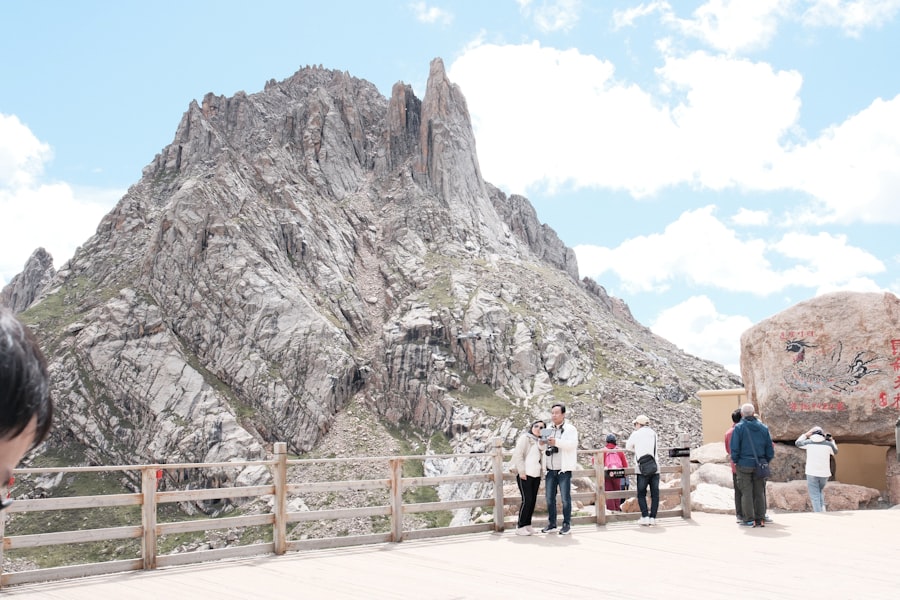
The environmental significance of the Tibetan Plateau is profound, as it plays a crucial role in regulating climate patterns across Asia. The plateau acts as a climatic barrier that influences monsoon systems and weather patterns in surrounding regions. Its high altitude and unique geography contribute to the formation of distinct microclimates that support diverse ecosystems.
The plateau is home to numerous endemic species of flora and fauna, many of which are adapted to its harsh conditions. This biodiversity is not only vital for ecological balance but also holds potential for scientific research and conservation efforts. Furthermore, the Tibetan Plateau serves as a critical carbon sink, helping to mitigate climate change by absorbing carbon dioxide from the atmosphere.
The permafrost found in certain areas of the plateau stores significant amounts of carbon, which could be released if temperatures continue to rise. The delicate balance of this ecosystem is increasingly threatened by human activities such as mining, infrastructure development, and climate change itself. Protecting the environmental integrity of the Tibetan Plateau is essential not only for preserving its unique biodiversity but also for maintaining the ecological health of the broader Asian continent.
Water resources and the Tibetan Plateau
| Metrics | Data |
|---|---|
| Annual Precipitation | 400-1000 mm |
| Glacial Meltwater Contribution | 40-50% |
| Major Rivers Originating | Indus, Ganges, Brahmaputra, Yangtze, Yellow |
| Permafrost Area | 1.5 million km² |
The Tibetan Plateau is often referred to as the “Third Pole” due to its vast reserves of freshwater resources, which are crucial for millions of people living downstream.
The Yangtze River, Yellow River, Indus River, and Brahmaputra River all originate from this high-altitude region, making it a vital water tower for Asia.
The management and preservation of these water resources are critical not only for regional stability but also for addressing global water scarcity issues. However, the increasing demand for water due to population growth and industrialization poses significant challenges for sustainable management of these resources. As countries downstream rely heavily on the rivers originating from the Tibetan Plateau, any changes in water flow or quality can have far-reaching consequences.
Climate change further complicates this situation by altering precipitation patterns and melting glaciers that feed these rivers. The delicate balance between conservation efforts and economic development must be navigated carefully to ensure that the water resources of the Tibetan Plateau continue to support both local communities and broader regional needs.
Impact of climate change on the Tibetan Plateau
Climate change poses a significant threat to the Tibetan Plateau, with profound implications for its ecosystems, water resources, and local communities. Rising temperatures are causing glaciers to melt at an alarming rate, leading to changes in river flow patterns and increased risks of glacial lake outburst floods. These environmental shifts not only threaten biodiversity but also jeopardize the livelihoods of millions who depend on predictable water supplies from the plateau’s rivers.
As glaciers recede, there is growing concern about long-term water availability for agriculture and drinking purposes in downstream regions. Additionally, climate change is impacting traditional ways of life for many indigenous communities on the plateau. Changes in temperature and precipitation patterns affect grazing lands for pastoralists and agricultural practices for farmers.
The delicate balance that has sustained these communities for generations is increasingly disrupted by environmental changes that they may not be equipped to adapt to quickly. Addressing these challenges requires concerted efforts from local governments, international organizations, and communities themselves to develop sustainable practices that can withstand the impacts of climate change while preserving cultural heritage.
Strategic military significance of the Tibetan Plateau
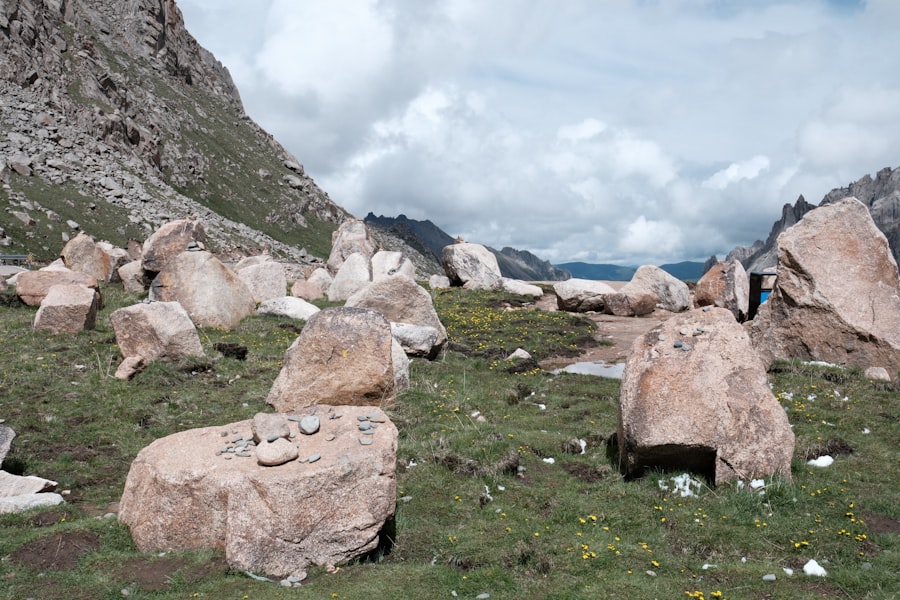
The strategic military significance of the Tibetan Plateau is underscored by its elevation and location along key borders between major powers such as China and India. The high-altitude terrain presents both challenges and advantages for military operations. For China, maintaining control over Tibet is crucial for national security; it allows for surveillance over neighboring countries while also serving as a buffer against potential threats.
The plateau’s rugged landscape provides natural defensive advantages that can be leveraged in military strategy. In recent years, tensions between China and India have heightened concerns about military presence in this region. Both nations have invested heavily in infrastructure development along their borders, including roads and military installations.
The plateau’s strategic importance has led to increased military posturing from both sides, raising fears of potential conflict over territorial disputes or resource competition. As geopolitical dynamics continue to evolve in Asia, the military significance of the Tibetan Plateau will remain a critical factor influencing regional stability.
Economic potential of the Tibetan Plateau
The economic potential of the Tibetan Plateau is vast yet largely untapped due to its challenging geography and harsh climate conditions. Rich in natural resources such as minerals, rare earth elements, and hydropower potential, the plateau offers opportunities for economic development that could benefit both local communities and national economies. Mining operations have already begun to extract valuable resources from this region; however, such activities must be balanced with environmental considerations to prevent degradation of this fragile ecosystem.
With its stunning landscapes, rich cultural heritage, and spiritual significance, the region attracts visitors from around the world seeking adventure or spiritual experiences. Sustainable tourism initiatives can provide income for local communities while promoting conservation efforts.
However, careful planning is essential to ensure that tourism does not compromise the very attributes that make the plateau appealing in the first place.
Cultural and historical significance of the Tibetan Plateau
The cultural and historical significance of the Tibetan Plateau is deeply intertwined with its geography. For centuries, it has been home to diverse ethnic groups who have developed rich traditions and ways of life adapted to its unique environment. The Tibetan people, in particular, have a profound spiritual connection to this land, viewing it as sacred.
Monasteries dotting the landscape serve as centers of religious practice and cultural preservation, embodying centuries-old traditions that continue to thrive despite modern challenges. Historically, the plateau has been a crossroads for trade routes connecting Central Asia with South Asia. This historical significance has shaped not only local cultures but also broader regional interactions throughout history.
As globalization continues to influence cultural exchanges, preserving the unique heritage of the Tibetan Plateau becomes increasingly important amidst pressures from modernization and external influences.
International relations and the Tibetan Plateau
The international relations surrounding the Tibetan Plateau are complex and multifaceted. China’s governance over Tibet has been a contentious issue on the global stage, drawing criticism from human rights organizations and foreign governments concerned about cultural preservation and autonomy for Tibetans. The plateau’s geopolitical significance means that developments in this region often reverberate through international diplomatic channels.
Countries such as India have vested interests in maintaining stability along their borders with Tibet due to security concerns related to China’s assertiveness in regional affairs. Additionally, international organizations are increasingly recognizing the importance of addressing environmental issues on the plateau as part of broader climate change discussions. As nations navigate their interests in this sensitive region, fostering dialogue around human rights, environmental sustainability, and regional cooperation will be essential for promoting peace and stability.
Challenges and opportunities in the development of the Tibetan Plateau
The development of the Tibetan Plateau presents both challenges and opportunities that require careful consideration by policymakers and stakeholders alike. On one hand, there is immense potential for economic growth through resource extraction, tourism development, and infrastructure projects aimed at improving connectivity within this remote region. However, these opportunities must be balanced against environmental sustainability concerns and respect for local cultures.
One significant challenge lies in ensuring that development initiatives benefit local communities rather than exacerbating existing inequalities or displacing populations. Engaging with indigenous voices in decision-making processes can help create more equitable outcomes that honor traditional ways of life while promoting economic advancement. Additionally, fostering sustainable practices that protect fragile ecosystems will be crucial in mitigating negative impacts associated with rapid development.
The future of the Tibetan Plateau
The future of the Tibetan Plateau hangs in a delicate balance between development aspirations and environmental preservation efforts. As global attention increasingly focuses on climate change impacts and resource management challenges facing vulnerable regions like this one, there is an opportunity for collaborative approaches that prioritize sustainability while respecting cultural heritage. Navigating these complexities will require concerted efforts from local governments, international organizations, civil society groups, and indigenous communities themselves.
By fostering dialogue around shared interests—such as environmental conservation, cultural preservation, economic development—stakeholders can work together towards a future where both people and nature thrive on this remarkable plateau known as “the Roof of the World.”
The strategic importance of the Tibetan Plateau is underscored by its role in regional geopolitics, environmental sustainability, and water resource management. For a deeper understanding of these dynamics, you can explore the article on this topic at My Geo Quest, which delves into how the plateau influences not only the surrounding nations but also global climate patterns and water supplies.
WATCH THIS! Tibet’s Emptiness Is No Accident
FAQs
What is the strategic importance of the Tibetan Plateau?
The Tibetan Plateau is strategically important due to its geographical location, as it serves as a natural barrier between India and China. It also has significant water resources and is a source of several major rivers in Asia.
How does the Tibetan Plateau impact regional climate and weather patterns?
The Tibetan Plateau influences regional climate and weather patterns through its high elevation, which affects atmospheric circulation and the formation of the Asian monsoon. It also plays a role in the distribution of precipitation and temperature in surrounding areas.
What are the geopolitical implications of the Tibetan Plateau?
The Tibetan Plateau has geopolitical implications as it is a contested region between India and China, and it has been a focal point in their border disputes. Additionally, the plateau’s strategic location has led to increased military presence and infrastructure development in the region.
How does the Tibetan Plateau impact water resources in Asia?
The Tibetan Plateau is often referred to as the “Water Tower of Asia” because it is the source of several major rivers, including the Yangtze, Yellow, Mekong, and Brahmaputra. These rivers provide water for millions of people in downstream regions and are crucial for agriculture, industry, and energy production.
What environmental significance does the Tibetan Plateau hold?
The Tibetan Plateau is ecologically significant as it is home to unique and diverse ecosystems, including alpine meadows, wetlands, and permafrost regions. It also serves as a habitat for several endangered species, such as the snow leopard and Tibetan antelope. The plateau’s environmental health is important for maintaining biodiversity and mitigating the impacts of climate change.