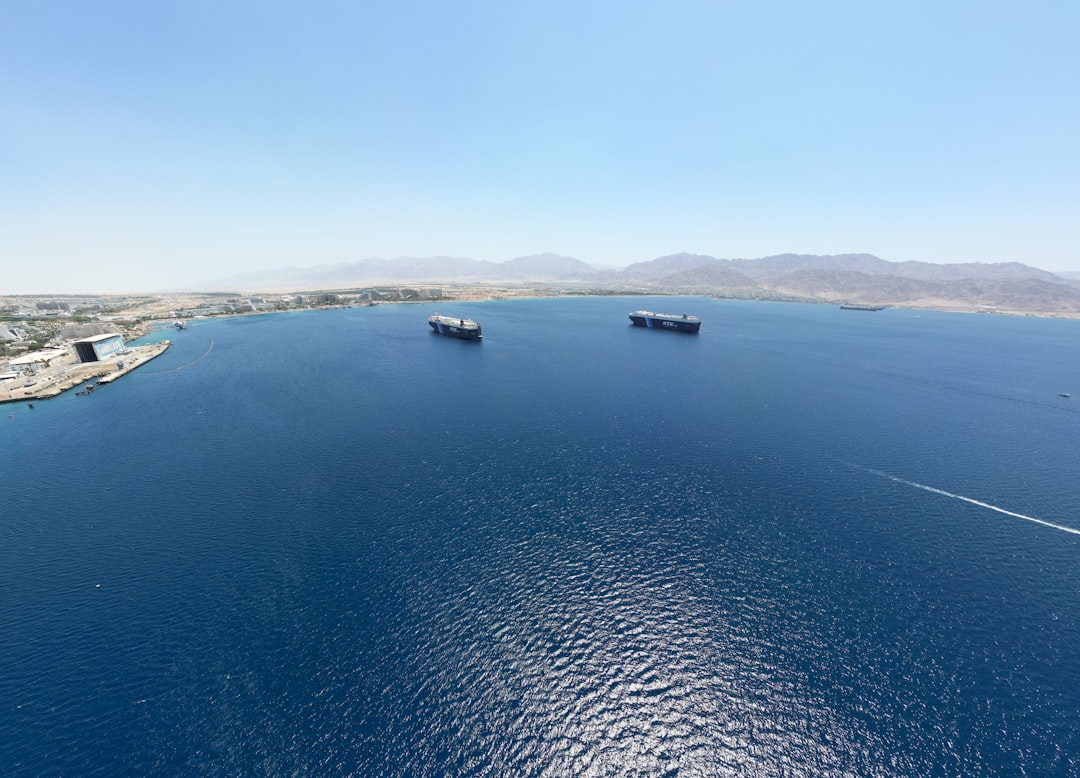
The Strait of Hormuz, a narrow waterway connecting the Persian Gulf to the Gulf of Oman, serves as a critical juncture for maritime trade and energy transportation. Spanning approximately 21 miles at its narrowest point, this strait is flanked by Iran to the north and Oman and the United Arab Emirates to the south. Its strategic location has made it one of the most significant maritime passages in the world, particularly for oil shipments.
The strait is not only a vital artery for global energy supplies but also a focal point for geopolitical tensions and military maneuvers. As one of the busiest shipping lanes globally, the Strait of Hormuz sees a substantial volume of maritime traffic daily. It is estimated that around 20% of the world’s oil supply passes through this narrow passage, underscoring its importance in the global energy market.
The strait’s significance extends beyond mere geography; it embodies the intricate interplay of international relations, economic interests, and security concerns that define the region. Understanding the multifaceted role of the Strait of Hormuz is essential for grasping the complexities of contemporary geopolitics and global economics.
Key Takeaways
- The Strait of Hormuz is a narrow waterway that connects the Persian Gulf to the Gulf of Oman and the Arabian Sea, making it a crucial maritime chokepoint.
- The historical significance of the Strait of Hormuz dates back to ancient times, as it has been a key trade route and strategic location for various empires and civilizations.
- The geopolitical importance of the Strait of Hormuz lies in its location at the crossroads of major global powers and its role in shaping regional alliances and conflicts.
- The economic significance of the Strait of Hormuz is immense, as it is a vital artery for the transportation of oil and gas, with a significant impact on global energy markets.
- Controlling the Strait of Hormuz has significant military implications, as it provides leverage for regional and global powers and can disrupt maritime trade and energy supplies.
Historical significance of the Strait of Hormuz
Historically, the Strait of Hormuz has been a pivotal point for trade and cultural exchange for centuries. Its strategic location has attracted various civilizations, from ancient Persian empires to maritime traders from Europe and Asia. The strait has long been recognized as a gateway to the riches of the East, facilitating not only the movement of goods but also the exchange of ideas and cultures.
This historical backdrop has shaped the identities and interactions of nations surrounding the strait. In more recent history, the Strait of Hormuz has been at the center of numerous conflicts and power struggles. The discovery of vast oil reserves in the Persian Gulf during the 20th century transformed the region’s geopolitical landscape, making control over this waterway increasingly vital.
The Iranian Revolution in 1979 and subsequent tensions between Iran and its neighbors have further complicated the historical narrative surrounding the strait. These events have underscored its role as a flashpoint for international relations, with various nations vying for influence over this crucial maritime route.
Geopolitical importance of the Strait of Hormuz
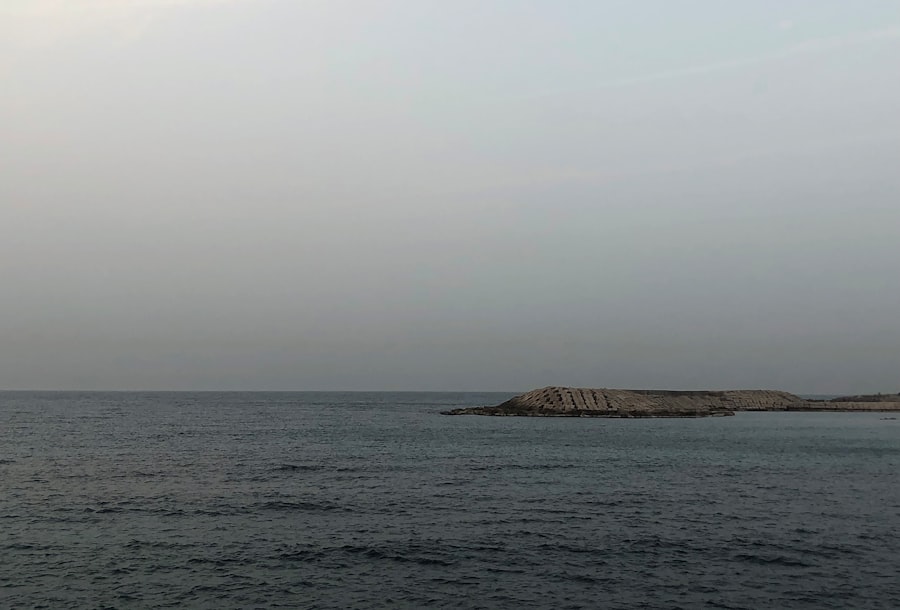
The geopolitical significance of the Strait of Hormuz cannot be overstated. It serves as a critical chokepoint in global energy supply chains, making it a focal point for international diplomacy and military strategy. The strait’s control is often viewed through the lens of national security, with countries like Iran asserting their influence over it as a means of projecting power in the region.
This has led to heightened tensions between Iran and Western nations, particularly the United States, which maintains a significant military presence in nearby waters. Moreover, the strait’s geopolitical importance extends beyond oil transportation. It is also a vital route for liquefied natural gas (LNG) shipments, further intertwining energy security with regional stability.
The potential for conflict in this area poses risks not only to neighboring countries but also to global markets that rely on uninterrupted energy supplies. As such, the Strait of Hormuz remains a focal point for international negotiations and strategic alliances, with nations continuously assessing their interests in this critical maritime corridor.
Economic significance of the Strait of Hormuz
| Metrics | Data |
|---|---|
| Oil Flow | Approximately 20% of the world’s oil passes through the strait |
| Global Trade | Over 30% of global maritime-traded oil passes through the strait |
| Regional Economies | The economies of Iran, Iraq, Kuwait, Saudi Arabia, Bahrain, Qatar, UAE, and Oman heavily rely on the strait for oil exports |
| Global Impact | Disruption in the strait could lead to significant impact on global oil prices and trade |
The economic implications of the Strait of Hormuz are profound, given its role as a conduit for oil and gas exports from some of the world’s largest producers. Countries like Saudi Arabia, Iraq, and Kuwait rely heavily on this strait to transport their energy resources to global markets. The economic stability of these nations is closely tied to their ability to navigate this narrow passage safely and efficiently.
Disruptions in this vital route can lead to significant fluctuations in oil prices, impacting economies worldwide. Furthermore, the economic significance extends beyond oil exports. The strait also facilitates trade in various goods and commodities, making it an essential hub for regional commerce.
Ports along its shores serve as critical points for import and export activities, contributing to the economic vitality of surrounding nations. As global demand for energy continues to rise, the economic stakes associated with the Strait of Hormuz will likely grow, further entrenching its role in international trade dynamics.
Military implications of controlling the Strait of Hormuz
The military implications of controlling the Strait of Hormuz are significant, as it represents a strategic asset that can influence regional power dynamics. Nations with naval capabilities in this area can project force and deter potential adversaries, making control over this waterway a priority for military planners. The presence of naval fleets from various countries underscores the strait’s importance as a theater for military operations and deterrence strategies.
Tensions in the region often manifest through military posturing and exercises aimed at demonstrating capabilities. Iran has frequently conducted naval drills in the strait, showcasing its ability to disrupt maritime traffic if provoked. Conversely, Western nations have maintained a robust naval presence to ensure freedom of navigation and protect their interests in this vital corridor.
The potential for military conflict in this area remains a pressing concern, with any escalation having far-reaching consequences for regional stability and global energy markets.
Impact of the oil trade on the global economy

The oil trade through the Strait of Hormuz has far-reaching implications for the global economy. As one of the primary routes for oil transportation, any disruption in this passage can lead to immediate repercussions on oil prices and supply chains worldwide. Fluctuations in oil prices can have cascading effects on economies, influencing everything from inflation rates to consumer spending patterns.
Countries that are heavily reliant on oil imports are particularly vulnerable to changes in supply dynamics originating from this critical waterway. Moreover, the interconnectedness of global markets means that instability in one region can reverberate across continents. For instance, geopolitical tensions or military conflicts in or around the Strait of Hormuz can lead to increased uncertainty among investors, prompting shifts in market behavior that can affect stock prices and currency values globally.
As such, maintaining stability in this region is not only crucial for local economies but also for ensuring a balanced global economic landscape.
Environmental concerns and the Strait of Hormuz
Environmental concerns surrounding the Strait of Hormuz are increasingly coming to light as awareness grows about the ecological impacts of maritime activities. The strait’s waters are home to diverse marine life, including endangered species that could be adversely affected by oil spills or increased shipping traffic. The potential for environmental disasters poses significant risks not only to local ecosystems but also to communities that depend on these resources for their livelihoods.
Additionally, climate change considerations are becoming more prominent in discussions about maritime routes like the Strait of Hormuz. As global efforts intensify to transition towards renewable energy sources, there is an ongoing debate about how best to balance economic interests with environmental stewardship. The strait’s role as a major shipping lane raises questions about sustainable practices and regulatory measures that can mitigate environmental impacts while ensuring safe navigation.
International efforts to secure the safety of the strait
International efforts to secure the safety of the Strait of Hormuz have become increasingly vital given its strategic importance. Various nations have engaged in collaborative initiatives aimed at ensuring freedom of navigation and protecting maritime trade routes from potential threats. Multilateral agreements and naval coalitions have been established to enhance security measures in this critical area, reflecting a shared commitment to maintaining stability.
These efforts often involve joint military exercises and intelligence-sharing among allied nations to deter potential aggressors and respond effectively to emerging threats. The presence of international naval forces serves as a deterrent against piracy and other illicit activities that could disrupt shipping operations. As geopolitical tensions continue to evolve, ongoing international cooperation will be essential in safeguarding this vital maritime corridor.
Threats to the stability of the region
The stability of the Strait of Hormuz is continually challenged by various threats that stem from both regional dynamics and external influences. Tensions between Iran and its neighbors often escalate into confrontations that raise concerns about potential military conflicts affecting shipping lanes. Additionally, non-state actors operating within or near this region can pose significant risks to maritime security, complicating efforts to maintain safe passage through the strait.
Moreover, external powers with vested interests in Middle Eastern affairs contribute to an environment fraught with uncertainty. The involvement of foreign nations can exacerbate existing tensions or create new flashpoints that threaten regional stability. As such, addressing these multifaceted threats requires comprehensive strategies that encompass diplomatic engagement alongside robust security measures.
Future developments and challenges for the Strait of Hormuz
Looking ahead, several developments and challenges will shape the future landscape surrounding the Strait of Hormuz. As global energy consumption patterns evolve with increasing emphasis on renewable sources, there may be shifts in how nations approach their reliance on oil transported through this waterway. This transition could alter geopolitical dynamics as countries reassess their energy strategies and seek alternative routes or sources.
Additionally, technological advancements may play a role in enhancing maritime security and environmental protection efforts within the strait. Innovations such as improved surveillance systems or eco-friendly shipping practices could mitigate some risks associated with increased traffic through this vital corridor. However, these advancements will need to be balanced against ongoing geopolitical tensions that could hinder collaborative efforts aimed at ensuring safety and sustainability.
The ongoing importance of the Strait of Hormuz
In conclusion, the Strait of Hormuz remains an enduring focal point for global energy trade, geopolitical maneuvering, and environmental considerations. Its historical significance has evolved into a contemporary narrative marked by complex interactions among nations vying for influence over this critical maritime passage. As economic dependencies on oil continue to shape international relations, understanding the multifaceted implications associated with this strait is essential.
The challenges posed by regional instability, environmental concerns, and evolving energy landscapes underscore that securing safe passage through the Strait of Hormuz will remain a priority for nations worldwide. Ongoing international cooperation will be crucial in navigating these complexities while ensuring that this vital corridor continues to serve as a lifeline for global commerce and energy supplies well into the future.
The Strait of Hormuz is a critical maritime chokepoint, playing a pivotal role in global energy security due to its strategic location and the volume of oil that passes through it daily.
For instance, an article on com/sample-page/’>MyGeoQuest delves into various geographical features and their global implications, providing a broader context to the importance of such strategic locations.
This resource can offer additional perspectives on why regions like the Strait of Hormuz are vital to international trade and energy distribution.
WATCH THIS! One Narrow Strait Holds Global Economy Hostage
FAQs
What is the significance of the Strait of Hormuz?
The Strait of Hormuz is a crucial waterway that connects the Persian Gulf to the Gulf of Oman and the Arabian Sea. It is one of the world’s most important strategic chokepoints for the transportation of oil and natural gas.
How much oil passes through the Strait of Hormuz?
Approximately 20% of the world’s oil supply passes through the Strait of Hormuz, making it a critical artery for global energy trade.
Why is the security of the Strait of Hormuz important?
Ensuring the security and stability of the Strait of Hormuz is vital for global energy security and the uninterrupted flow of oil to international markets. Any disruption in the strait could have significant impacts on the global economy and energy prices.
What are the geopolitical implications of the Strait of Hormuz?
The strategic location of the Strait of Hormuz has made it a focal point for geopolitical tensions and conflicts. The control of this waterway has been a source of contention among regional and global powers.
How does the international community address security concerns in the Strait of Hormuz?
The international community, including the United States and its allies, has conducted naval patrols and security operations in the region to ensure the safe passage of vessels through the strait and to deter potential threats to maritime trade.