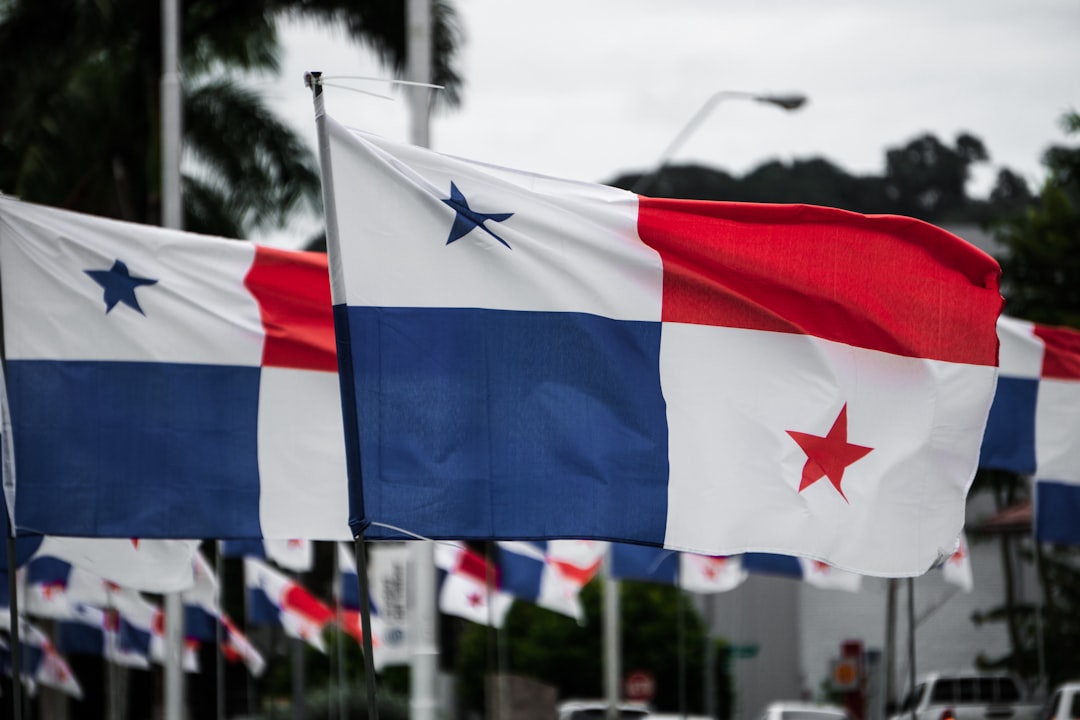
The Panama Canal stands as one of the most remarkable engineering feats in human history, a vital waterway that connects the Atlantic and Pacific Oceans. Spanning approximately 50 miles across the Isthmus of Panama, this artificial canal has transformed maritime navigation since its completion in 1914. The canal allows ships to avoid the lengthy and perilous journey around the southern tip of South America, significantly reducing travel time and distance for global shipping routes.
Its construction was a monumental task that involved overcoming numerous geographical and technical challenges, as well as navigating complex political landscapes. The significance of the Panama Canal extends beyond its physical dimensions; it symbolizes human ingenuity and determination. The canal’s creation was not merely an engineering project but a transformative event that reshaped international trade and commerce.
As vessels traverse its waters, they carry goods that fuel industries, support livelihoods, and connect nations, underscoring the canal’s enduring importance in the modern era.
Key Takeaways
- The Panama Canal is a key waterway that connects the Atlantic and Pacific Oceans, providing a crucial shortcut for global maritime trade.
- The construction of the Panama Canal had a significant impact on world history, revolutionizing trade routes and global commerce.
- The economic impact of the Panama Canal is immense, as it facilitates the transportation of goods and reduces shipping costs for international trade.
- The strategic importance of the Panama Canal during wartime has been demonstrated in various conflicts, making it a vital asset for military and defense purposes.
- The Panama Canal plays a crucial role in global trade, serving as a major artery for the movement of goods between the East and West.
Historical significance of the Panama Canal
The historical significance of the Panama Canal is deeply intertwined with the broader narrative of American imperialism and global trade dynamics in the early 20th century. Initially conceived by the French in the 1880s, the project faced insurmountable challenges, including tropical diseases and engineering difficulties, which ultimately led to its abandonment. However, the United States recognized the canal’s potential and took over the project in 1904, successfully completing it a decade later.
This shift marked a pivotal moment in U.S. foreign policy, as it asserted American influence in Central America and established a strategic foothold in global maritime affairs. The canal’s opening in 1914 was met with worldwide acclaim, heralding a new era of international shipping.
It not only facilitated faster trade routes but also symbolized technological progress and human resilience. The canal’s construction was a testament to the collaboration between engineers, laborers, and political leaders who navigated complex social and economic landscapes.
Economic impact of the Panama Canal
The economic impact of the Panama Canal is profound and multifaceted, influencing trade patterns and economic growth on a global scale. By providing a shortcut for maritime traffic, the canal has drastically reduced shipping times and costs for goods traveling between major markets. This efficiency has made it an essential conduit for international trade, allowing countries to engage in commerce more effectively.
The canal’s tolls generate significant revenue for Panama, contributing to national development and infrastructure projects that benefit its citizens. Moreover, the canal has stimulated economic activity beyond its immediate vicinity. Ports on both ends of the canal have experienced growth as they serve as critical hubs for transshipment and logistics.
The surrounding regions have also seen increased investment in industries such as tourism, agriculture, and manufacturing, all of which benefit from improved access to global markets. The economic ripple effects of the canal extend far beyond Panama’s borders, influencing trade relationships and supply chains across continents.
Strategic importance of the Panama Canal during wartime
| Aspect | Details |
|---|---|
| Geopolitical Significance | The Panama Canal provides a strategic shortcut between the Atlantic and Pacific Oceans, allowing for faster movement of naval and commercial vessels. |
| Military Advantage | Control of the Panama Canal enables the ability to project military power and influence in both hemispheres. |
| Logistical Importance | The canal facilitates the rapid deployment of military assets and supplies, enhancing strategic mobility during wartime. |
| Economic Impact | Disruption of the canal’s operations can significantly impact global trade and commerce, making it a valuable target during conflicts. |
Throughout history, the strategic importance of the Panama Canal has been magnified during times of conflict. Its location makes it a critical asset for military operations, allowing naval forces to move swiftly between oceans. During World War II, for instance, control of the canal was vital for the United States as it facilitated the rapid deployment of troops and resources to various theaters of war.
The canal’s ability to shorten travel distances proved invaluable in maintaining supply lines and ensuring military readiness. In addition to its logistical advantages, the canal has also been a focal point in geopolitical tensions. Control over this strategic waterway has been a matter of national security for various countries, leading to diplomatic negotiations and military posturing.
The canal’s significance during wartime underscores its role not only as a commercial artery but also as a geopolitical chess piece that can influence global power dynamics.
The role of the Panama Canal in global trade
The Panama Canal plays an indispensable role in global trade by serving as a critical link between major shipping routes. Approximately 14,000 vessels transit through the canal each year, carrying a diverse array of goods ranging from consumer products to raw materials. This volume underscores the canal’s importance as a facilitator of international commerce, enabling countries to import and export goods efficiently.
The reduction in travel time afforded by the canal has allowed businesses to optimize their supply chains, leading to lower costs for consumers and increased competitiveness for exporters. Furthermore, the canal’s role in global trade extends beyond mere transportation; it has also influenced trade policies and agreements among nations. Countries that rely on the canal for their shipping needs often engage in diplomatic efforts to ensure its continued accessibility and efficiency.
As global trade patterns evolve with changing economic landscapes, the Panama Canal remains a linchpin that connects markets and fosters economic interdependence among nations.
Environmental challenges and sustainability of the Panama Canal
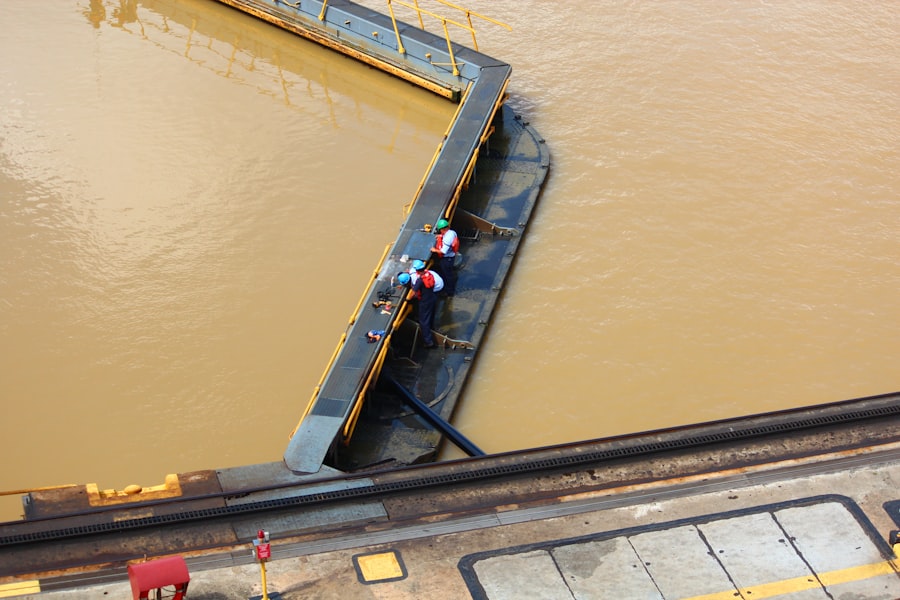
While the Panama Canal has brought significant economic benefits, it also faces pressing environmental challenges that necessitate sustainable management practices. The construction and operation of the canal have had profound impacts on local ecosystems, including deforestation, habitat loss, and water pollution. The introduction of invasive species through maritime traffic poses additional threats to biodiversity in the region.
As awareness of environmental issues grows, there is an increasing demand for sustainable practices that balance economic interests with ecological preservation. Efforts to address these challenges have led to initiatives aimed at enhancing sustainability within the canal’s operations. The Panama Canal Authority has implemented measures to reduce water consumption during transit and promote biodiversity conservation in surrounding areas.
Additionally, there is ongoing research into innovative technologies that can minimize environmental impacts while maintaining operational efficiency. The future of the canal hinges on its ability to adapt to these challenges while continuing to serve as a vital artery for global trade.
Geopolitical implications of the Panama Canal
The geopolitical implications of the Panama Canal are far-reaching, influencing relationships between nations and shaping regional dynamics in Central America. Control over this strategic waterway has historically been a source of tension between powerful nations seeking to assert their influence in Latin America. The United States’ involvement in the canal’s construction and subsequent administration exemplifies how geopolitical interests can drive foreign policy decisions.
As global power dynamics shift, emerging economies are increasingly recognizing the canal’s significance as they seek to enhance their own maritime capabilities. In recent years, China’s growing interest in Latin America has added another layer of complexity to the geopolitical landscape surrounding the Panama Canal. Investments in infrastructure projects and trade agreements have positioned China as a key player in regional affairs, prompting discussions about how this influence may affect U.S.-Panama relations and broader geopolitical stability.
The canal remains a focal point for international diplomacy, reflecting ongoing power struggles and alliances that shape global politics.
Technological advancements and the Panama Canal
Technological advancements have played a crucial role in enhancing the efficiency and capacity of the Panama Canal since its inception. The introduction of modern navigation systems, automated lock operations, and advanced communication technologies has streamlined transit processes and improved safety measures. These innovations have allowed larger vessels to navigate through the canal more effectively, accommodating an increasing volume of maritime traffic while minimizing delays.
Moreover, ongoing research into sustainable technologies aims to address environmental concerns associated with canal operations. Innovations such as water-saving locks and eco-friendly dredging techniques are being explored to reduce ecological impacts while maintaining operational efficiency. As technology continues to evolve, it holds promise for further enhancing the canal’s capabilities while ensuring its long-term viability as a critical conduit for global trade.
Security and safety measures at the Panama Canal
Security and safety measures at the Panama Canal are paramount given its strategic importance and high volume of maritime traffic. The Panama Canal Authority employs a comprehensive security framework that includes surveillance systems, patrols, and emergency response protocols to safeguard vessels transiting through its waters. These measures are designed to mitigate risks associated with piracy, terrorism, and other potential threats that could disrupt operations or compromise safety.
In addition to security concerns, safety measures are also focused on preventing accidents within the canal itself. Strict regulations govern vessel operations, including speed limits and navigational protocols that ensure safe passage through narrow channels and locks. Regular training exercises for personnel further enhance preparedness for emergencies, ensuring that both human resources and technological systems are equipped to respond effectively to any incidents that may arise.
Expansion and future developments of the Panama Canal
The expansion of the Panama Canal, completed in 2016 with the addition of a new set of locks known as the Third Set of Locks project, marked a significant milestone in its history. This expansion allows larger vessels—known as “New Panamax” ships—to transit through the canal, effectively doubling its capacity and accommodating modern shipping demands. The expansion reflects an understanding of evolving trends in global trade and shipping logistics while positioning Panama as a key player in international maritime commerce.
Looking ahead, future developments at the Panama Canal will likely focus on further enhancing operational efficiency and sustainability. Ongoing investments in infrastructure improvements, technological upgrades, and environmental initiatives will be essential for maintaining its competitive edge in an increasingly interconnected world. As global trade continues to evolve, so too will the strategies employed by those who manage this vital waterway.
The enduring relevance of the Panama Canal
In conclusion, the enduring relevance of the Panama Canal is evident across multiple dimensions—historical, economic, strategic, environmental, geopolitical, technological, security-related, and developmental. As one of humanity’s most significant engineering achievements, it continues to facilitate global trade while shaping international relations and influencing regional dynamics. The challenges it faces today underscore the need for sustainable practices that balance economic growth with environmental stewardship.
As nations navigate an ever-changing global landscape marked by shifting trade patterns and geopolitical tensions, the Panama Canal remains an indispensable asset that connects economies and fosters collaboration among nations. Its legacy is not only one of engineering triumph but also one that reflects humanity’s capacity for innovation in addressing complex challenges—ensuring that it will continue to play a vital role in shaping our world for generations to come.
The Panama Canal has long been a critical maritime route, significantly impacting global trade by providing a shortcut between the Atlantic and Pacific Oceans. Its strategic importance is underscored by its ability to facilitate the swift movement of goods, thereby reducing shipping times and costs. An article that delves into the strategic significance of the Panama Canal can be found on MyGeoQuest. This piece explores the canal’s role in international trade and its geopolitical implications. For more insights, you can read the full article by visiting MyGeoQuest.
😨 WATCH THIS! 🚢 The Panama Canal Is a Ticking Time Bomb: What Happens If It Fails?
FAQs
What is the strategic importance of the Panama Canal?
The Panama Canal is strategically important as it provides a crucial shortcut for international maritime trade, allowing ships to avoid the lengthy and hazardous trip around the southern tip of South America.
How does the Panama Canal benefit global trade?
The Panama Canal facilitates global trade by significantly reducing the time and cost of shipping goods between the Atlantic and Pacific Oceans. This has a direct impact on the efficiency and competitiveness of international trade.
What impact does the Panama Canal have on global shipping routes?
The Panama Canal has a major impact on global shipping routes by providing a direct link between the Atlantic and Pacific Oceans, allowing ships to bypass the longer routes around South America.
Why is the control of the Panama Canal considered strategically significant?
Control of the Panama Canal is considered strategically significant because it provides the controlling country with leverage over global trade and the ability to influence international maritime routes.
How does the Panama Canal affect the military and defense strategies of countries?
The Panama Canal affects military and defense strategies by providing a crucial maritime route that can be strategically important in times of conflict or for the movement of military assets. Control of the canal can also impact a country’s ability to project power globally.