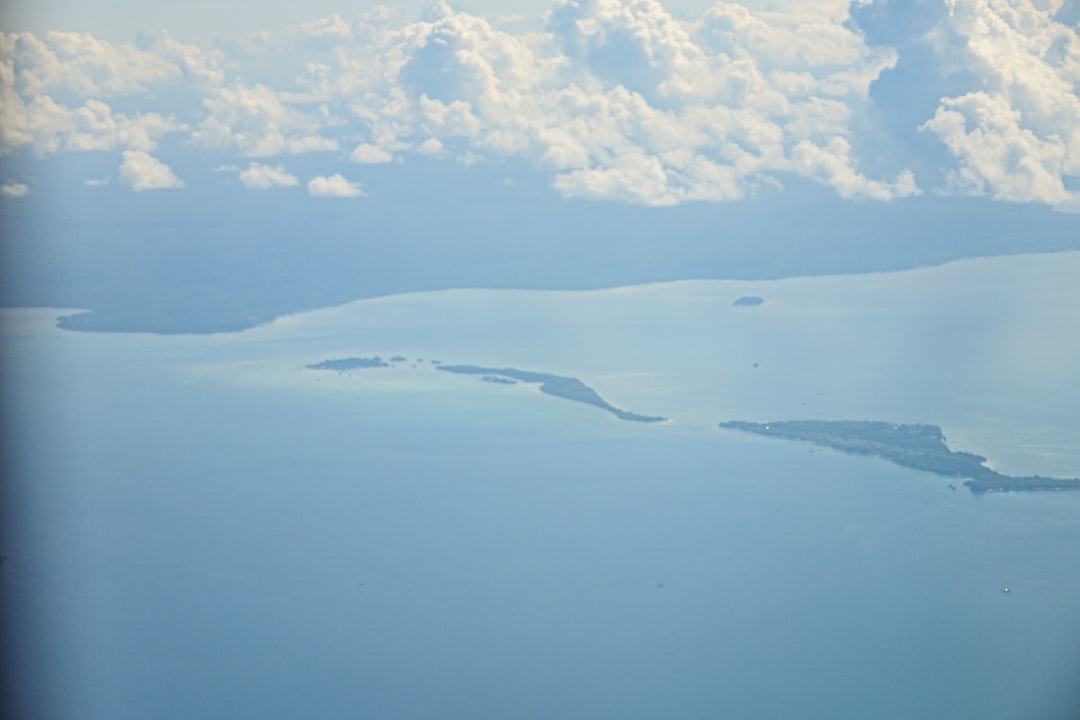
The Malacca Strait is a narrow waterway separating the Malay Peninsula from Sumatra, Indonesia, spanning approximately 550 miles in length. This maritime passage connects the Indian Ocean to the South China Sea and Pacific Ocean, making it one of the world’s most strategically important shipping routes. The strait handles approximately 40% of global maritime trade, including substantial volumes of oil shipments.
This high traffic volume makes it a critical component of international supply chains and global commerce. The waterway’s narrow width and heavy usage create potential bottlenecks that can significantly impact worldwide trade flows. Due to its strategic position, the Malacca Strait influences the maritime policies and economic strategies of multiple nations in the region.
The passage serves as a key factor in regional security considerations and geopolitical relationships, as control or disruption of this route could affect global trade patterns and energy supplies.
Key Takeaways
- The Malacca Strait is a crucial maritime passage with deep historical and economic importance.
- It faces significant security challenges, including piracy and territorial disputes.
- The strait’s geopolitical position influences regional and global power dynamics.
- Environmental concerns and infrastructure developments are key issues affecting the strait.
- International cooperation is essential for managing future challenges and maintaining the strait’s significance.
Historical significance of the Malacca Strait
Historically, the Malacca Strait has been a vital trade route for centuries, serving as a bridge between East and West. Its significance dates back to ancient times when it was a key passage for traders from various civilizations, including the Chinese, Indian, and Arab merchants. The strait facilitated the exchange of goods such as spices, silk, and precious metals, contributing to the prosperity of port cities like Malacca, which emerged as a bustling trading hub in the 15th century.
The arrival of European powers in the region further transformed the historical landscape of the Malacca Strait. The Portuguese, Dutch, and British sought control over this strategic waterway to dominate trade routes and expand their empires. The strait became a battleground for colonial ambitions, with various powers vying for supremacy.
This historical context has left an indelible mark on the region’s cultural and political fabric, shaping contemporary relationships among nations that continue to navigate its waters.
Economic importance of the Malacca Strait

The economic significance of the Malacca Strait cannot be overstated. As one of the busiest shipping lanes in the world, it serves as a critical artery for global commerce. The strait facilitates the movement of goods between major economies, including China, Japan, India, and Southeast Asian nations.
The economic activities generated by this maritime route contribute significantly to regional GDPs and employment opportunities. Moreover, the strait is particularly vital for energy transportation. A substantial portion of the world’s oil and liquefied natural gas (LNG) shipments pass through this narrow passage.
For countries like Japan and South Korea, which rely heavily on energy imports, the Malacca Strait is indispensable for ensuring energy security. The economic implications extend beyond trade; they also encompass investments in infrastructure and logistics that support maritime activities in the region.
Security concerns and challenges in the Malacca Strait
Despite its economic advantages, the Malacca Strait faces numerous security challenges that threaten its stability and safety. Piracy has historically plagued this vital waterway, with incidents of hijacking and robbery posing risks to vessels traversing its waters. Although international efforts have led to a decline in piracy incidents in recent years, the threat remains a concern for shipping companies and governments alike.
In addition to piracy, geopolitical tensions in the region contribute to security challenges in the Malacca Strait. Territorial disputes in nearby waters, particularly in the South China Sea, have heightened military presence and surveillance activities among regional powers. These dynamics create an environment of uncertainty that can impact maritime safety and navigation.
As nations seek to assert their influence in this strategically important area, ensuring security in the Malacca Strait becomes increasingly complex.
Geopolitical implications of the Malacca Strait
| Metric | Data/Value | Significance |
|---|---|---|
| Annual Shipping Traffic | ~100,000 vessels | One of the busiest shipping lanes globally, facilitating international trade |
| Oil Transit Volume | ~15 million barrels per day | Critical route for energy supplies, especially to East Asia |
| Length of Strait | ~930 km (580 miles) | Strategic maritime passage connecting the Indian Ocean and South China Sea |
| Width at Narrowest Point | ~2.8 km (1.7 miles) | Potential chokepoint affecting global shipping security |
| Countries Bordering Strait | Malaysia, Indonesia, Singapore | Geopolitical importance and regional cooperation challenges |
| Percentage of Global Trade Passing Through | ~25% | Significant share of global maritime trade volume |
| Incidents of Piracy (Annual Average) | Varies, historically up to 50 incidents | Security concern impacting shipping safety and insurance costs |
The geopolitical implications of the Malacca Strait are profound, influencing relationships among regional powers and shaping broader international dynamics. As a critical chokepoint for global trade, control over this waterway has become a strategic objective for various nations. The strait’s significance is particularly pronounced in the context of U.S.-China relations, where both countries seek to secure their interests in Southeast Asia.
China’s Belt and Road Initiative (BRI) exemplifies its ambitions to enhance connectivity and influence in the region. By investing in infrastructure projects along maritime routes, China aims to strengthen its economic ties with Southeast Asian nations while asserting its presence in strategic waterways like the Malacca Strait. Conversely, the United States has sought to maintain its influence through partnerships with regional allies and freedom of navigation operations.
This geopolitical tug-of-war underscores the strait’s role as a focal point for international power dynamics.
Environmental impact of the Malacca Strait

The environmental impact of activities in the Malacca Strait is a growing concern that warrants attention from policymakers and stakeholders alike. The strait’s waters are home to diverse marine ecosystems that are increasingly threatened by pollution from shipping activities, oil spills, and coastal development. The increase in maritime traffic has raised alarms about overfishing and habitat degradation, which can have long-term consequences for marine biodiversity.
Regional cooperation among countries bordering the strait is crucial for implementing sustainable practices that protect marine life while allowing for continued economic activity. Initiatives aimed at reducing pollution and promoting responsible fishing practices can help safeguard this vital waterway for future generations.
Infrastructure developments in the Malacca Strait
Infrastructure developments around the Malacca Strait have been instrumental in enhancing its capacity as a major shipping route. Ports along its shores have undergone significant upgrades to accommodate larger vessels and improve efficiency in cargo handling. The Port of Tanjung Pelepas in Malaysia and Port of Belawan in Indonesia are prime examples of facilities that have expanded their capabilities to meet growing demand.
In addition to port enhancements, investments in transportation networks connecting these ports to inland markets have further bolstered economic activity in the region. Improved road and rail links facilitate seamless movement of goods from ports to consumers, enhancing trade competitiveness. As infrastructure continues to evolve, it plays a pivotal role in shaping the future of maritime commerce in the Malacca Strait.
International cooperation and governance in the Malacca Strait
International cooperation is essential for ensuring safe navigation and sustainable management of resources in the Malacca Strait. Various multilateral initiatives have been established to address security concerns, environmental protection, and maritime safety. The Malacca Strait Patrols (MSP), involving Indonesia, Malaysia, and Singapore, exemplify collaborative efforts to combat piracy and enhance maritime security through joint patrols and information sharing.
Furthermore, regional organizations such as ASEAN play a crucial role in fostering dialogue among member states regarding governance issues related to the strait. Collaborative frameworks enable countries to address common challenges while promoting stability and economic growth. As global trade continues to evolve, strengthening international cooperation will be vital for maintaining peace and security in this strategically important waterway.
Future prospects and challenges for the Malacca Strait
Looking ahead, the future prospects for the Malacca Strait are intertwined with both opportunities and challenges. As global trade continues to expand, demand for shipping through this vital passage is expected to grow. However, this growth comes with challenges related to environmental sustainability and security concerns that must be addressed proactively.
Technological advancements may offer solutions to some of these challenges. Innovations such as automated shipping and improved navigation systems could enhance safety while reducing environmental impacts. However, balancing economic growth with environmental protection will require concerted efforts from all stakeholders involved in maritime activities within the strait.
Alternative routes and their impact on the Malacca Strait
The emergence of alternative shipping routes poses both opportunities and threats to the significance of the Malacca Strait. Projects such as China’s proposed Northern Sea Route through Arctic waters present potential shortcuts for global shipping but also raise questions about their feasibility and environmental implications. If these alternative routes gain traction, they could divert traffic away from the Malacca Strait, impacting economies reliant on maritime trade through this passage.
However, it is essential to recognize that while alternative routes may offer advantages in terms of time or cost savings, they may not fully replace the strategic importance of the Malacca Strait. Factors such as geopolitical stability, infrastructure readiness, and environmental considerations will continue to influence shipping patterns in this region.
The enduring significance of the Malacca Strait
In conclusion, the Malacca Strait remains an enduring symbol of global trade’s interconnectedness and complexity. Its historical significance as a trade route has evolved into a contemporary focal point for economic activity, geopolitical maneuvering, and environmental stewardship. As nations navigate challenges related to security, sustainability, and infrastructure development within this vital waterway, collaboration will be key to ensuring its continued relevance.
The future of the Malacca Strait will depend on how effectively stakeholders address emerging challenges while capitalizing on opportunities for growth. As global dynamics shift and new routes emerge, understanding the multifaceted nature of this strategic passage will be crucial for policymakers seeking to navigate its complexities successfully. Ultimately, the Malacca Strait’s enduring significance lies not only in its role as a maritime corridor but also as a testament to humanity’s ongoing quest for connection across borders and oceans.
The Malacca Strait is a crucial maritime passage that plays a significant role in global trade, connecting the Indian Ocean to the South China Sea. Its strategic importance is highlighted in the article found at this link, which discusses the geopolitical implications and economic significance of the strait. Understanding the dynamics of this vital waterway is essential for comprehending international shipping routes and regional security.
WATCH THIS! 🌍 THE $15 TRILLION GAMBLE: What Happens If The Strait of Malacca Closes For One Week?
FAQs
What is the Malacca Strait?
The Malacca Strait is a narrow, 890-kilometer-long waterway located between the Malay Peninsula and the Indonesian island of Sumatra. It connects the Andaman Sea (Indian Ocean) to the South China Sea (Pacific Ocean).
Why is the Malacca Strait important for global trade?
The Malacca Strait is one of the busiest shipping lanes in the world, serving as a critical passage for approximately 25% of the world’s traded goods, including oil, natural gas, and manufactured products. It is a key route for maritime trade between Europe, the Middle East, and East Asia.
How does the Malacca Strait impact energy security?
A significant portion of the world’s oil shipments passes through the Malacca Strait, making it vital for energy security, especially for countries like China, Japan, and South Korea that rely heavily on imported oil transported via this route.
What are the security concerns associated with the Malacca Strait?
The Malacca Strait faces security challenges such as piracy, maritime terrorism, and territorial disputes. These issues can disrupt shipping traffic and pose risks to vessels passing through the narrow and congested waterway.
How do countries manage the safety and security of the Malacca Strait?
Countries bordering the Malacca Strait, including Malaysia, Indonesia, and Singapore, cooperate through joint patrols, information sharing, and maritime security initiatives to ensure safe passage for vessels and to combat piracy and other threats.
What environmental concerns are linked to the Malacca Strait?
Due to heavy maritime traffic, the Malacca Strait is vulnerable to oil spills, marine pollution, and habitat disruption, which can affect marine biodiversity and coastal communities in the region.
Are there alternative routes to the Malacca Strait?
Yes, alternative routes such as the Lombok Strait and Sunda Strait exist, but they are longer and less efficient. The Malacca Strait remains the preferred route due to its strategic location and shorter distance between major trading hubs.
How does the Malacca Strait influence regional geopolitics?
The Malacca Strait is strategically significant, influencing regional power dynamics and international relations. Control and access to this vital waterway are important for economic and military reasons among regional and global powers.