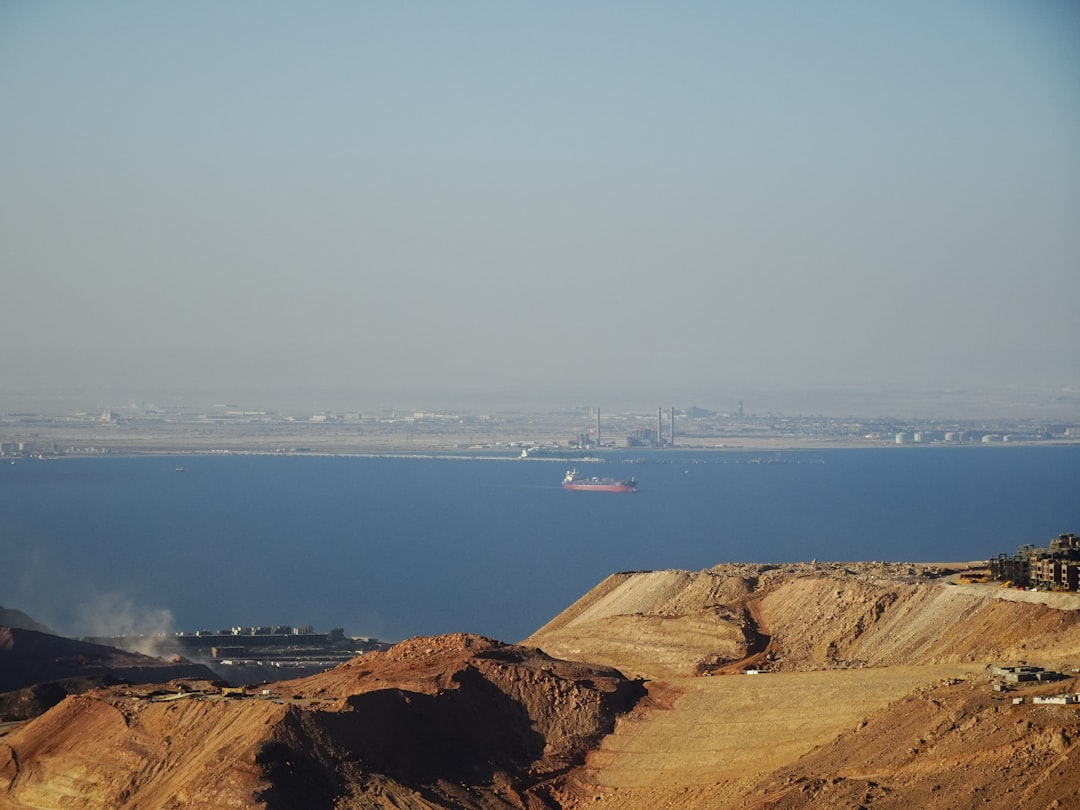
The Strait of Hormuz, a narrow waterway connecting the Persian Gulf to the Gulf of Oman, serves as a critical juncture for maritime trade and energy transportation. Spanning approximately 21 miles at its narrowest point, this strait is flanked by Iran to the north and Oman and the United Arab Emirates to the south. Its strategic significance cannot be overstated, as it is one of the most vital maritime corridors in the world, facilitating the passage of a substantial portion of the globe’s oil supply.
The Strait of Hormuz has become a focal point for international attention due to its economic importance and the geopolitical tensions that often arise in the region. The historical context of the Strait of Hormuz adds layers to its significance. For centuries, it has been a vital route for trade, linking various cultures and economies.
In contemporary times, however, its role has evolved primarily into a conduit for energy resources. The strait is responsible for the transit of nearly 20% of the world’s oil supply, making it an essential artery for global energy security. As nations increasingly rely on oil imports, the stability and security of this waterway have become paramount concerns for governments and businesses alike.
Key Takeaways
- The Strait of Hormuz is a crucial waterway connecting the Persian Gulf to the Arabian Sea, through which a significant portion of the world’s oil supply is transported.
- Geopolitical tensions in the region, particularly between Iran and the United States, have raised concerns about the potential for conflict and its impact on global oil prices.
- Iran plays a significant role in the strait, as it has threatened to block the passage of oil tankers in response to international sanctions.
- The United States has a vested interest in the region and has deployed military assets to ensure freedom of navigation in the strait.
- Geopolitical tensions in the region have the potential to significantly impact global oil prices, leading to economic repercussions worldwide.
Importance of the Strait of Hormuz in Global Trade
The Strait of Hormuz is not merely a geographical feature; it is a linchpin in the machinery of global trade. The strait serves as a gateway for oil tankers transporting crude oil from major producers in the Middle East to markets across Asia, Europe, and beyond. Countries such as Saudi Arabia, Iraq, and Iran rely heavily on this route to export their oil, which is crucial for their economies.
The sheer volume of oil that passes through this strait underscores its importance in maintaining global energy supplies and stabilizing prices. In addition to oil, the Strait of Hormuz also facilitates the movement of liquefied natural gas (LNG) and other goods. The economic implications of any disruption in this waterway can be profound, affecting not only oil prices but also broader economic stability.
A significant percentage of the world’s LNG exports traverse this strait, making it essential for countries that depend on natural gas for energy. Thus, the Strait of Hormuz stands as a critical artery for both oil and gas, reinforcing its status as a vital component of global trade networks.
Geopolitical Tensions in the Region
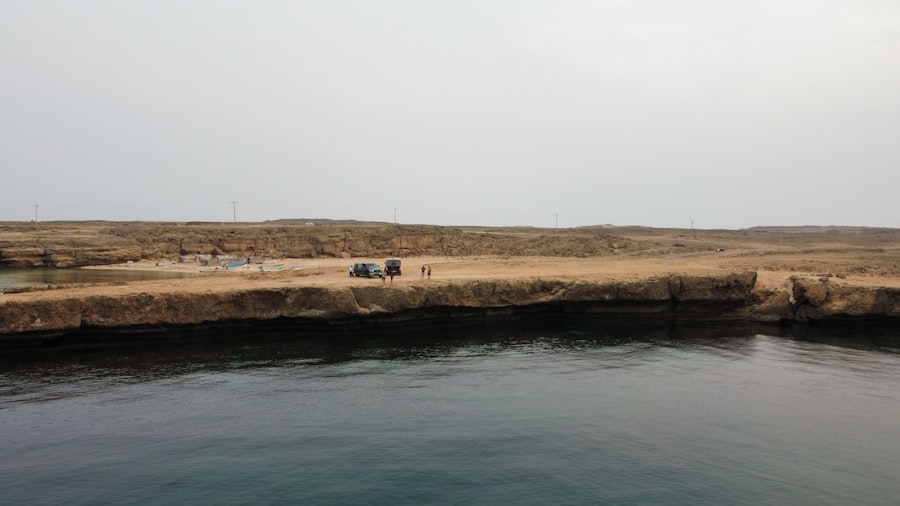
The geopolitical landscape surrounding the Strait of Hormuz is fraught with tension and complexity. The region has been characterized by historical rivalries, territorial disputes, and ideological conflicts that have shaped its current dynamics. Iran’s assertive posture in the strait has often led to confrontations with neighboring countries and Western powers.
The presence of military forces from various nations in the region further complicates matters, creating an environment where misunderstandings can escalate into conflicts. The ongoing tensions between Iran and the United States have been particularly pronounced in recent years. Following the U.S.
This deterioration has manifested in various forms, including military confrontations in the strait itself. The potential for miscalculations or provocations in such a volatile environment raises concerns about stability not only in the region but also in global markets that depend on uninterrupted access to this crucial waterway.
Iran’s Role in the Strait of Hormuz
| Metrics | Data |
|---|---|
| Oil Flow | 20% of the world’s oil passes through the Strait of Hormuz |
| Iran’s Threats | Iran has threatened to close the strait in response to sanctions |
| Naval Presence | Iran has a significant naval presence in the strait |
| International Concern | The potential closure of the strait has raised international concern |
Iran’s geographical position grants it significant influence over the Strait of Hormuz, allowing it to control access to this vital maritime route. The Iranian government has often leveraged its strategic location to assert its interests and project power in the region. This control has led to a series of confrontations with other nations, particularly when Iran perceives threats to its sovereignty or national security.
The Iranian Revolutionary Guard Corps (IRGC) plays a pivotal role in safeguarding Iran’s interests in the strait, conducting naval exercises and asserting its presence through various military maneuvers. Moreover, Iran’s ability to disrupt shipping lanes has been a point of concern for international stakeholders. The country has threatened to close the strait in response to perceived aggressions or sanctions imposed by foreign powers.
Such threats have raised alarms among oil-importing nations, highlighting Iran’s capacity to influence global energy markets through its actions in this narrow waterway. As a result, Iran’s role in the Strait of Hormuz is not only one of control but also one that carries significant implications for international relations and economic stability.
United States’ Involvement in the Region
The United States has maintained a significant military presence in the Persian Gulf region for decades, viewing it as essential for ensuring freedom of navigation and protecting vital shipping routes like the Strait of Hormuz. U.S. naval forces regularly conduct patrols and exercises in these waters to deter potential threats from Iran and other regional actors.
This military engagement reflects America’s broader strategy to secure its interests in a region rich in energy resources while also supporting allies such as Saudi Arabia and other Gulf Cooperation Council (GCC) states. The U.S. involvement has not been without controversy.
Critics argue that American military actions can exacerbate tensions rather than alleviate them, leading to an escalation of hostilities between Iran and its adversaries. The presence of U.S. forces has often been met with hostility from Iran, which views it as an infringement on its sovereignty.
This complex interplay between U.S. military strategy and Iranian responses creates a precarious balance that could tip into conflict at any moment.
Impact of Geopolitical Tensions on Global Oil Prices
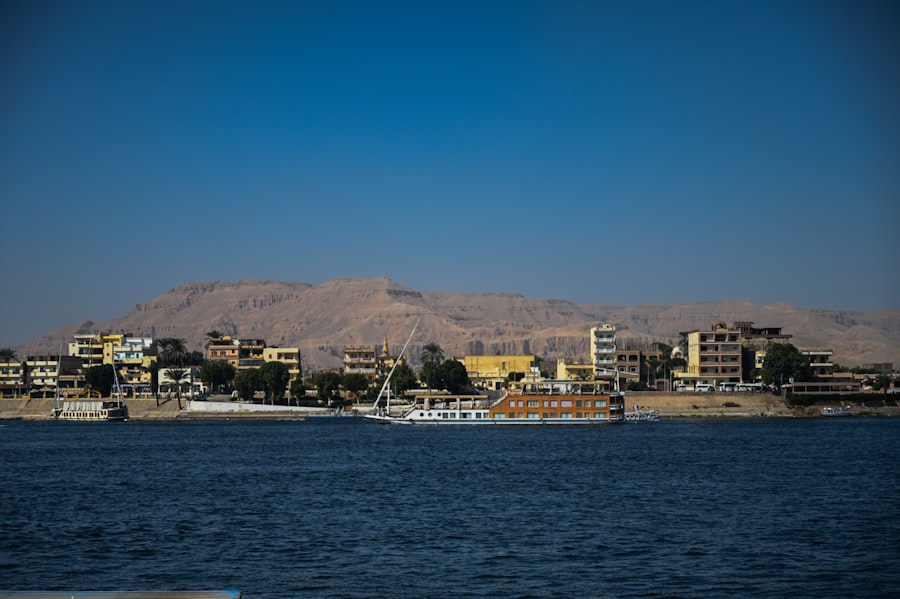
Geopolitical tensions surrounding the Strait of Hormuz have far-reaching implications for global oil prices. Any perceived threat to the security of this vital shipping lane can lead to immediate fluctuations in oil markets, as traders react to potential disruptions in supply. For instance, when tensions escalate between Iran and the United States or when military incidents occur in or near the strait, oil prices often spike due to fears of supply shortages.
The volatility associated with these tensions can create uncertainty for businesses and consumers alike. Higher oil prices can lead to increased transportation costs, which may ultimately be passed on to consumers through higher prices for goods and services. Additionally, countries that rely heavily on oil imports may experience economic strain as they grapple with rising energy costs.
Thus, geopolitical tensions in the Strait of Hormuz not only affect immediate market conditions but also have broader implications for global economic stability.
International Efforts to Ensure Freedom of Navigation in the Strait
In response to ongoing tensions and threats to navigation in the Strait of Hormuz, various international efforts have emerged aimed at ensuring freedom of passage through this critical waterway. Multinational coalitions have been formed to enhance maritime security and deter potential aggressions against commercial shipping. These coalitions often involve naval forces from countries such as the United States, Britain, France, and others committed to maintaining open sea lanes.
Additionally, diplomatic initiatives have been pursued to address underlying tensions between regional actors. Dialogue between nations can play a crucial role in de-escalating conflicts and fostering cooperation on maritime security issues. International organizations such as the United Nations have also engaged in discussions aimed at promoting stability in the region and ensuring that all nations respect international maritime laws governing navigation rights.
Environmental Concerns in the Strait of Hormuz
While much attention is focused on geopolitical tensions and energy transportation through the Strait of Hormuz, environmental concerns are equally pressing. The strait’s waters are home to diverse marine ecosystems that could be adversely affected by increased shipping traffic and potential oil spills resulting from accidents or conflicts. The delicate balance between economic activity and environmental preservation poses significant challenges for policymakers.
Moreover, military activities in the region can exacerbate environmental risks. Naval exercises and confrontations can lead to pollution from fuel spills or damage to marine habitats. As nations navigate their strategic interests in this vital waterway, it becomes imperative to consider environmental sustainability alongside economic imperatives.
Collaborative efforts among nations can help address these concerns while ensuring that maritime activities do not come at the expense of ecological integrity.
Potential for Conflict in the Region
The potential for conflict in and around the Strait of Hormuz remains a pressing concern for regional and global stakeholders alike. The combination of historical grievances, territorial disputes, and competing national interests creates an environment ripe for misunderstandings and escalations. Incidents involving naval vessels or aircraft can quickly spiral out of control if not managed carefully, leading to unintended consequences that could draw multiple nations into conflict.
Furthermore, domestic political pressures within Iran or other regional powers can influence decision-making regarding military actions in the strait. Leaders may feel compelled to adopt aggressive postures to rally domestic support or distract from internal challenges. This dynamic underscores the need for vigilance among international actors who seek to prevent conflict while navigating a complex geopolitical landscape characterized by uncertainty.
Strategies to Mitigate Geopolitical Tensions in the Strait of Hormuz
To mitigate geopolitical tensions surrounding the Strait of Hormuz, a multifaceted approach is necessary that combines diplomatic engagement with practical measures aimed at enhancing security and cooperation among regional actors. Confidence-building measures can play a crucial role in reducing misunderstandings and fostering dialogue between nations with competing interests. Additionally, establishing communication hotlines between military forces operating in the region can help prevent accidental confrontations or miscalculations during tense situations.
Joint maritime exercises involving multiple nations can also promote collaboration while reinforcing commitments to ensuring freedom of navigation through shared interests.
The Future of the Strait of Hormuz
The future of the Strait of Hormuz remains uncertain as geopolitical tensions continue to shape its dynamics. While its importance as a critical maritime corridor for global trade is unlikely to diminish anytime soon, addressing underlying issues will be essential for ensuring stability in this vital region. International cooperation will be paramount in navigating these challenges while balancing economic interests with environmental sustainability.
As nations grapple with their strategic priorities in this complex landscape, proactive measures aimed at fostering dialogue and collaboration will be crucial for preventing conflict and ensuring that this vital waterway remains open for commerce. Ultimately, the future of the Strait of Hormuz will depend on collective efforts by regional powers and international stakeholders committed to maintaining peace and stability in one of the world’s most critical maritime routes.
The strategic significance of the Strait of Hormuz cannot be overstated, as it serves as a critical chokepoint for global oil transportation. This narrow passageway has been a focal point of geopolitical tensions, often described as a “hostage” due to its potential to disrupt global energy supplies. For a deeper understanding of the geopolitical dynamics surrounding this vital waterway, you can explore a related article on MyGeoQuest, which provides insights into the historical and contemporary issues affecting the region.
WATCH THIS! One Narrow Strait Holds Global Economy Hostage
FAQs
What is the Strait of Hormuz?
The Strait of Hormuz is a narrow waterway located between the Persian Gulf and the Gulf of Oman. It is one of the most important strategic chokepoints in the world, through which a significant portion of the world’s oil supply is transported.
Why is the Strait of Hormuz considered a hostage?
The term “hostage” is used to describe the vulnerability of the global oil supply to potential disruptions in the strait. Due to its narrow width and the high volume of oil tankers that pass through it, any disruption in the strait could have significant impacts on global oil prices and supply.
What are the potential threats to the security of the Strait of Hormuz?
The security of the strait is threatened by geopolitical tensions in the region, including conflicts between Iran and other countries, as well as the presence of non-state actors such as pirates and terrorist groups. Additionally, there is the potential for military action or sabotage targeting the strait’s infrastructure.
How does the security of the Strait of Hormuz impact global oil markets?
Any disruption in the security of the strait, such as a blockade or military conflict, could lead to a significant increase in oil prices and supply shortages on a global scale. This is due to the large volume of oil that passes through the strait, making it a critical artery for the global oil trade.
What measures are in place to protect the security of the Strait of Hormuz?
Several countries, including the United States, have naval forces deployed in the region to ensure the security of the strait. Additionally, international efforts are underway to promote diplomatic solutions to regional conflicts and reduce the risk of disruptions in the strait.