
In the vast expanse of the world’s oceans, a clandestine operation unfolds, known as the “shadow fleet.” This term refers to a network of oil tankers that operate outside the purview of conventional regulations and oversight. These vessels, often unregistered or operating under flags of convenience, play a significant role in the global oil trade, particularly in times of geopolitical tension or economic sanctions. The shadow fleet has emerged as a critical player in the energy market, providing a means for countries and companies to circumvent restrictions and maintain their oil supply chains.
However, this hidden aspect of maritime commerce raises numerous questions about legality, safety, and environmental impact. The existence of the shadow fleet highlights the complexities of modern oil trading. As nations grapple with fluctuating energy demands and political pressures, the need for flexibility in oil transportation has never been more pronounced.
The shadow fleet operates in the dark, both literally and figuratively, often eluding detection by authorities and regulatory bodies. This article delves into the multifaceted world of oil tankers operating in the shadows, exploring their significance in global trade, the risks they face, and the implications for the environment and energy security.
Key Takeaways
- The Shadow Fleet refers to the operation of oil tankers in the dark, presenting unique challenges and risks.
- Oil tankers play a crucial role in global trade, transporting a significant portion of the world’s oil supply.
- Operating oil tankers in the dark poses various risks and challenges, including navigation, collision, and piracy.
- The Shadow Fleet has a significant impact on the environment, with potential oil spills and emissions contributing to pollution.
- Technology and innovation are driving advancements in the oil tanker industry, improving safety and efficiency in dark conditions.
The Importance of Oil Tankers in Global Trade
Oil tankers are the lifeblood of global trade, facilitating the movement of crude oil and refined petroleum products across international waters. These vessels are essential for meeting the energy demands of nations and industries alike. With oil being a primary source of energy for transportation, manufacturing, and electricity generation, the role of oil tankers cannot be overstated.
They enable countries to import and export oil efficiently, ensuring that supply meets demand in an increasingly interconnected world. The significance of oil tankers extends beyond mere transportation; they are integral to the economic stability of many nations. Countries that rely heavily on oil exports depend on these vessels to deliver their products to global markets.
Conversely, nations that import oil rely on tankers to secure their energy needs. The intricate web of trade routes and shipping lanes underscores the importance of these vessels in maintaining economic balance and fostering international relations. As such, any disruption in oil tanker operations can have far-reaching consequences for global economies.
The Risks and Challenges of Operating Oil Tankers in the Dark
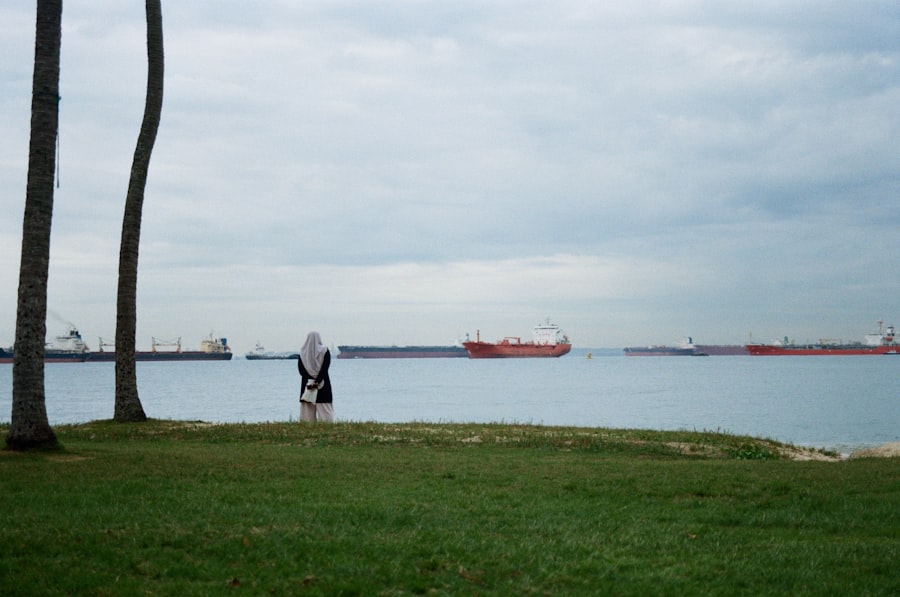
Operating oil tankers in the shadows presents a myriad of risks and challenges that can jeopardize both the vessels themselves and the broader maritime ecosystem. One of the most pressing concerns is safety. Shadow fleet vessels often lack proper oversight and maintenance, increasing the likelihood of accidents at sea.
Without adherence to international safety standards, these tankers may be more prone to mechanical failures or navigational errors, leading to catastrophic spills or collisions. Moreover, the clandestine nature of shadow fleet operations complicates efforts to ensure compliance with environmental regulations. Many of these vessels may not be equipped with modern pollution control technologies, posing a significant threat to marine life and coastal communities.
The potential for environmental disasters is heightened when tankers operate without proper monitoring or accountability. As such, the risks associated with shadow fleet operations extend beyond immediate safety concerns; they encompass broader implications for environmental sustainability and public health.
The Impact of the Shadow Fleet on the Environment
| Metrics | Impact |
|---|---|
| Carbon Emissions | Increased due to fuel consumption |
| Water Pollution | Caused by oil spills and waste disposal |
| Air Pollution | Resulting from exhaust emissions |
| Marine Life Disturbance | Disruption of habitats and ecosystems |
The environmental impact of the shadow fleet is a pressing concern that cannot be overlooked. Oil spills from tankers can have devastating effects on marine ecosystems, leading to long-term damage to biodiversity and habitats. When these vessels operate without regulatory oversight, they may engage in practices that exacerbate their environmental footprint.
For instance, improper waste disposal or failure to adhere to emissions standards can contribute to pollution in oceans and coastal areas. Additionally, the shadow fleet’s operations often occur in sensitive ecological regions where marine life is particularly vulnerable. The risk of accidents increases in these areas, where a spill could disrupt entire ecosystems and harm wildlife populations.
The lack of transparency surrounding shadow fleet activities makes it challenging for environmental organizations and governments to monitor and mitigate these risks effectively. As global awareness of environmental issues grows, the shadow fleet’s impact on marine health remains a critical area of concern.
Technology and Innovation in the Oil Tanker Industry
In response to the challenges posed by shadow fleet operations, the oil tanker industry has begun to embrace technology and innovation as key drivers for improvement. Advances in navigation systems, communication technologies, and monitoring tools have enhanced the ability to track vessels in real-time. These innovations not only improve operational efficiency but also bolster safety measures by enabling better situational awareness for crews and shipping companies.
Moreover, technological advancements are paving the way for more environmentally friendly practices within the industry. The development of cleaner fuel alternatives and emissions-reducing technologies is becoming increasingly important as stakeholders seek to minimize their ecological impact. Innovations such as hull modifications designed to improve fuel efficiency are also gaining traction among operators looking to reduce costs while adhering to stricter environmental regulations.
Safety and Security Measures for Oil Tankers in the Dark
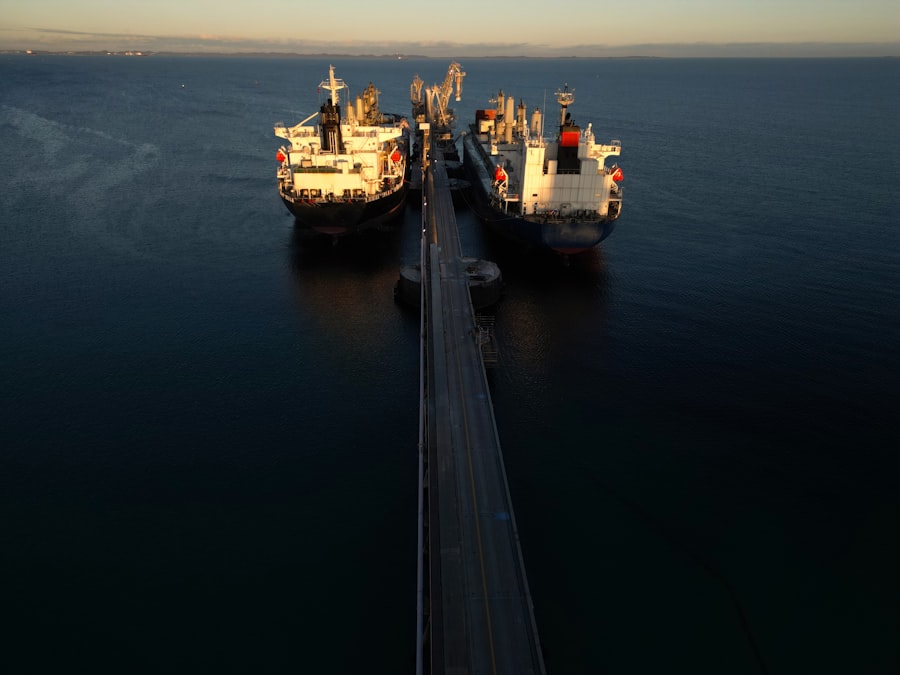
Ensuring safety and security for oil tankers operating in the shadows is paramount for protecting both human lives and marine environments. Shipping companies are increasingly adopting comprehensive safety protocols that encompass everything from crew training to emergency response plans. These measures are designed to mitigate risks associated with operating in less regulated waters where oversight may be limited.
In addition to internal safety protocols, collaboration with international maritime organizations is crucial for enhancing security measures. Initiatives aimed at improving vessel tracking systems and sharing intelligence on potential threats can help safeguard tankers from piracy or other criminal activities that may arise in unregulated areas. By fostering cooperation among nations and industry stakeholders, it becomes possible to create a more secure environment for oil tanker operations, even within the complexities of shadow fleet activities.
The Role of Oil Tankers in Energy Security
Oil tankers play a pivotal role in ensuring energy security for nations around the globe. As countries strive to maintain stable energy supplies amidst geopolitical tensions and fluctuating market conditions, these vessels serve as vital conduits for transporting crude oil and refined products. The ability to access diverse sources of oil through tanker shipments enhances resilience against supply disruptions caused by conflicts or natural disasters.
This diversification reduces dependence on any single source or supplier, thereby bolstering national energy security. In an era where energy demands continue to rise, maintaining a robust fleet of oil tankers is essential for safeguarding against potential shortages or price volatility.
The Economics of the Shadow Fleet: Oil Tankers in the Dark
The economics surrounding the shadow fleet are complex and multifaceted. Operating outside traditional regulatory frameworks allows these vessels to capitalize on price differentials created by sanctions or geopolitical tensions. For instance, countries facing embargoes may rely on shadow fleet operations to secure essential oil supplies at lower costs than those available through conventional channels.
However, this economic advantage comes with inherent risks. Engaging with shadow fleets can expose companies to legal repercussions if they inadvertently violate sanctions or regulations. Additionally, fluctuating market conditions can impact profitability; as demand for illicitly sourced oil rises or falls, so too does the viability of shadow fleet operations.
Ultimately, while there are economic incentives associated with operating in the shadows, they must be weighed against potential legal liabilities and reputational damage.
Regulations and Compliance in the Oil Tanker Industry
Regulatory compliance is a cornerstone of safe and responsible oil tanker operations. International conventions such as MARPOL (the International Convention for the Prevention of Pollution from Ships) set forth guidelines aimed at minimizing environmental impacts from shipping activities. However, enforcement can be challenging when it comes to shadow fleets that operate outside established frameworks.
Efforts are underway to enhance regulatory oversight within the industry by increasing transparency and accountability among operators. Initiatives aimed at improving vessel tracking systems and sharing information about ownership can help authorities identify non-compliant vessels more effectively. By fostering collaboration between governments, industry stakeholders, and environmental organizations, it becomes possible to create a more robust regulatory environment that addresses both safety concerns and environmental protection.
The Future of the Shadow Fleet: Oil Tankers in the Dark
As global energy dynamics continue to evolve, so too will the landscape surrounding shadow fleets operating in the dark. The increasing emphasis on sustainability and environmental responsibility may prompt greater scrutiny of these vessels’ activities. Regulatory bodies are likely to intensify efforts aimed at curbing illicit operations while promoting transparency within maritime commerce.
Moreover, advancements in technology will play a crucial role in shaping the future of oil tankers operating in shadows. Enhanced tracking systems and data analytics capabilities will enable better monitoring of vessel movements, making it more difficult for shadow fleets to evade detection. As stakeholders prioritize safety and environmental stewardship, it is conceivable that innovative solutions will emerge to address challenges associated with operating outside traditional frameworks.
Navigating the Shadows – The Future of Oil Tankers
The world of oil tankers operating in shadows presents a complex interplay between economic necessity, regulatory challenges, environmental concerns, and technological advancements. While these vessels play an essential role in global trade and energy security, their clandestine nature raises significant questions about safety and sustainability. As nations grapple with evolving energy demands and geopolitical tensions, navigating this intricate landscape will require collaboration among stakeholders across industries.
Looking ahead, it is imperative that efforts continue toward enhancing regulatory frameworks while embracing innovation within the oil tanker industry. By prioritizing safety measures and environmental protection alongside economic viability, stakeholders can work together to ensure that oil tankers operate responsibly—whether in plain sight or within the shadows—ultimately contributing to a more sustainable future for global energy commerce.
In recent years, the emergence of shadow fleet oil tankers has significantly impacted global oil trade dynamics, often operating under the radar to circumvent international sanctions and regulations. These vessels, typically older and less scrutinized, play a crucial role in transporting oil from sanctioned countries to willing buyers, thereby maintaining a flow of crude oil despite geopolitical tensions. For a deeper understanding of how these shadow fleets operate and their implications on global trade, you can explore a related article on this topic by visiting this page. This article delves into the intricacies of shadow fleet operations and their broader economic and environmental impacts.
WATCH THIS! One Narrow Strait Holds Global Economy Hostage
FAQs
What is the shadow fleet of oil tankers?
The shadow fleet of oil tankers refers to a group of vessels that are not officially registered or recognized by maritime authorities. These tankers often operate outside of regulatory oversight and may engage in illegal or unethical activities.
Why are oil tankers part of the shadow fleet?
Oil tankers may become part of the shadow fleet for various reasons, including evasion of regulations, sanctions, or taxes. Some operators may also seek to conceal the true ownership or origin of the vessels for strategic or illicit purposes.
What are the risks associated with the shadow fleet oil tankers?
The shadow fleet oil tankers pose significant risks to the environment, maritime safety, and global security. Their lack of oversight and adherence to regulations can lead to oil spills, accidents, and illegal trade activities, which can have severe consequences.
How are shadow fleet oil tankers monitored and regulated?
Monitoring and regulating the shadow fleet oil tankers is a complex challenge for maritime authorities and international organizations. Efforts to address this issue involve improved tracking technologies, international cooperation, and stricter enforcement of maritime laws and regulations.
What are the potential impacts of the shadow fleet oil tankers on the oil industry?
The presence of shadow fleet oil tankers can disrupt the global oil market by facilitating illicit trade, tax evasion, and circumvention of sanctions. This can lead to market instability, unfair competition, and loss of revenue for legitimate operators.