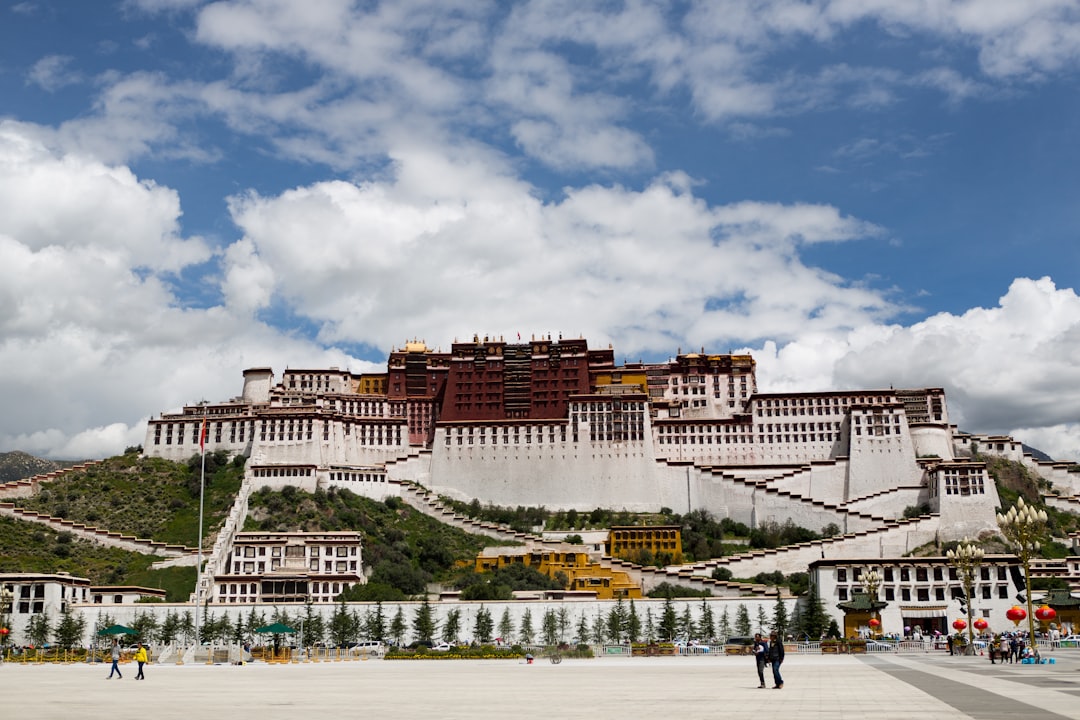
Tibet, often referred to as the “Roof of the World,” is a region steeped in mystique and spirituality, characterized by its breathtaking landscapes and rich cultural heritage. Despite its vast expanse of over 1.2 million square kilometers, Tibet is home to a relatively low population, estimated at around three million people. This demographic reality raises intriguing questions about the factors that contribute to such a sparse population density.
The interplay of historical, cultural, environmental, and socio-political elements has shaped Tibet’s demographic landscape, creating a unique tapestry that reflects both the challenges and resilience of its people. The low population density in Tibet is not merely a statistical anomaly; it is a reflection of centuries of historical evolution and cultural practices. Understanding the reasons behind this phenomenon requires a multifaceted approach that considers the region’s past, its environmental conditions, and the traditional lifestyles of its inhabitants.
As Tibet navigates the complexities of modernization and globalization, the implications of its population dynamics become increasingly significant, warranting a closer examination of the factors at play.
Key Takeaways
- Tibet’s low population is influenced by historical, cultural, environmental, and governmental factors.
- Traditional Tibetan lifestyle, influenced by environmental factors, has impacted population size in Tibet.
- Buddhism has played a significant role in shaping population size in Tibet.
- Government policies and population control measures have also influenced population growth in Tibet.
- Balancing cultural preservation and population growth is a key challenge for sustainable population management in Tibet.
Historical and Cultural Factors Contributing to Low Population
Historically, Tibet has been marked by periods of isolation and limited interaction with neighboring regions. The rugged terrain and harsh climatic conditions have made it difficult for large populations to thrive. For centuries, Tibetans have lived in small, self-sustaining communities, often scattered across the vast highlands.
This historical context has fostered a culture that values simplicity and self-reliance, which in turn has influenced population growth patterns. Culturally, Tibetan society has been shaped by its unique traditions and beliefs. The emphasis on spiritual practices and communal living has often prioritized quality of life over sheer numbers.
Families traditionally have had fewer children, partly due to the challenges of raising them in such a demanding environment. Additionally, the nomadic lifestyle practiced by many Tibetan communities has led to a more transient population, further contributing to the low overall numbers. The intertwining of history and culture creates a complex backdrop against which Tibet’s demographic trends can be understood.
Environmental Factors Influencing Population Size

The environmental conditions in Tibet are both awe-inspiring and formidable. The region’s high altitude, extreme weather patterns, and limited arable land pose significant challenges for sustaining large populations. The harsh climate, characterized by long winters and short growing seasons, restricts agricultural productivity, making it difficult for communities to support themselves through farming alone.
As a result, many Tibetans have historically relied on pastoralism, herding livestock as a primary means of subsistence. Moreover, the fragile ecosystem of the Tibetan Plateau is susceptible to climate change and environmental degradation. Melting glaciers and changing precipitation patterns threaten water resources, which are vital for both agriculture and livestock.
These environmental challenges not only limit population growth but also compel communities to adapt their lifestyles in ways that may not favor larger family units. The interplay between environmental factors and population dynamics underscores the delicate balance that exists in this unique region.
Traditional Tibetan Lifestyle and Its Impact on Population
| Aspect | Impact on Population |
|---|---|
| Nomadic lifestyle | Decreasing due to government resettlement policies |
| Diet | High in meat and dairy, impacting health and environment |
| Traditional medicine | Continues to be practiced, impacting healthcare choices |
| Family structure | Extended families living together, impacting social dynamics |
The traditional Tibetan lifestyle is deeply intertwined with the region’s geography and cultural practices. Many Tibetans have historically engaged in a nomadic or semi-nomadic way of life, moving with their herds across the vast grasslands and mountains. This lifestyle inherently limits population density, as nomadic groups tend to be smaller in size to facilitate mobility and resource management.
The emphasis on communal living and shared resources further influences family structures, often resulting in smaller households. Additionally, the traditional Tibetan diet, which is heavily reliant on barley, dairy products, and meat from livestock, reflects the challenges of agricultural production in the region. The limited availability of diverse food sources can impact family planning decisions, as families may choose to have fewer children to ensure adequate resources for those they do have.
This traditional way of life not only shapes individual choices but also contributes to the broader demographic patterns observed in Tibet.
Role of Buddhism in Shaping Population Size
Buddhism plays a central role in Tibetan culture and has significant implications for population dynamics. The teachings of Buddhism emphasize compassion, mindfulness, and the interconnectedness of all living beings. These principles often translate into a lifestyle that values spiritual fulfillment over material wealth or population growth.
Many Tibetans view life through a spiritual lens that prioritizes harmony with nature and community well-being. Moreover, Buddhist practices often encourage smaller family sizes as a means of fostering spiritual development. The belief in reincarnation can lead individuals to focus on nurturing their existing children rather than seeking to expand their families significantly.
This spiritual perspective shapes societal norms around family planning and contributes to the overall low population growth rate in Tibet. The influence of Buddhism on demographic trends highlights the profound connection between culture, spirituality, and population dynamics.
Government Policies and Population Control in Tibet
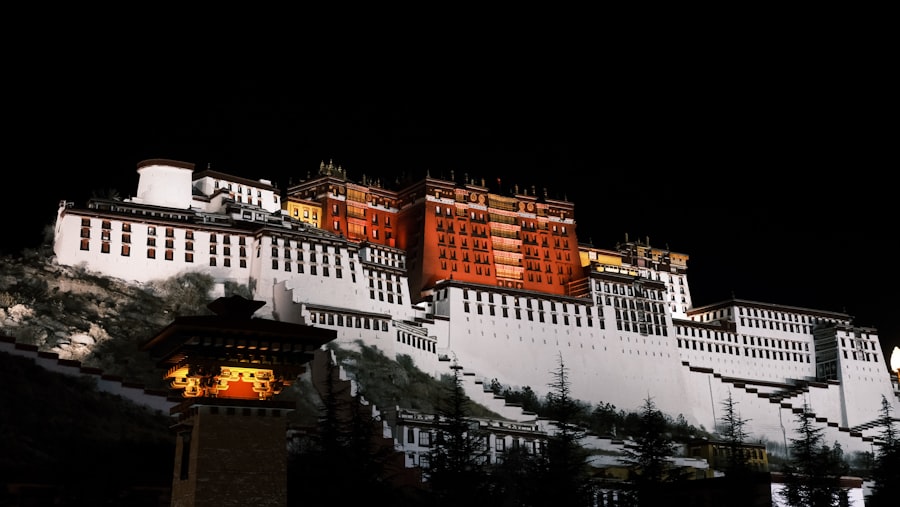
In recent decades, government policies have also played a role in shaping Tibet’s population dynamics. Following China’s incorporation of Tibet in the 1950s, various policies aimed at modernizing the region have had mixed effects on its demographic landscape. While some initiatives have sought to improve healthcare and education access, others have led to significant changes in traditional lifestyles.
Population control measures implemented by the Chinese government have further complicated the situation. These policies often prioritize urbanization and economic development over preserving traditional ways of life. As a result, many young Tibetans migrate to urban centers in search of better opportunities, leading to depopulation in rural areas.
Challenges and Opportunities for Population Growth in Tibet
Tibet faces numerous challenges when it comes to population growth. The harsh environmental conditions, coupled with historical isolation and modern migration trends, create barriers to increasing the population size sustainably. Additionally, ongoing political tensions and cultural assimilation pressures can discourage families from having more children or settling in one place.
However, there are also opportunities for fostering sustainable population growth in Tibet. Initiatives aimed at improving healthcare access and education can empower families to make informed choices about family planning while preserving their cultural identity. Furthermore, promoting sustainable agricultural practices can enhance food security and encourage families to remain in rural areas rather than migrating to cities.
Impact of Modernization on Tibet’s Population
Modernization has brought both challenges and opportunities for Tibet’s population dynamics. On one hand, increased access to education and healthcare has improved quality of life for many Tibetans. Young people are now more aware of family planning options and may choose to have fewer children as they pursue higher education or career opportunities.
On the other hand, rapid urbanization poses significant risks to traditional lifestyles and community cohesion. As young Tibetans flock to cities for better prospects, rural areas face depopulation and potential cultural erosion. The tension between modernization and cultural preservation creates a complex landscape where population growth must be balanced with the need to maintain Tibetan identity.
Balancing Cultural Preservation and Population Growth
The challenge of balancing cultural preservation with population growth is particularly pronounced in Tibet. As modernization continues to reshape societal norms and values, there is a growing concern about losing traditional practices that define Tibetan identity. Families may feel pressured to conform to urban lifestyles that prioritize economic success over cultural heritage.
Efforts to promote cultural preservation alongside sustainable population growth are essential for maintaining Tibet’s unique identity. Community-led initiatives that celebrate Tibetan traditions while providing resources for families can help bridge this gap. By fostering an environment where cultural practices are valued alongside modern advancements, Tibet can navigate the complexities of population dynamics while honoring its rich heritage.
Lessons from Tibet for Sustainable Population Management
Tibet offers valuable lessons for sustainable population management that extend beyond its borders. The region’s unique blend of historical resilience, cultural richness, and environmental awareness provides insights into how communities can thrive despite challenging circumstances. Emphasizing quality of life over quantity can lead to more sustainable demographic trends that prioritize well-being.
Furthermore, integrating traditional knowledge with modern practices can create innovative solutions for addressing population challenges. By valuing local wisdom alongside contemporary approaches, regions facing similar issues can learn from Tibet’s experiences in navigating the delicate balance between growth and preservation.
The Future of Tibet’s Population
The future of Tibet’s population remains uncertain as it grapples with the forces of modernization, environmental change, and cultural preservation. While challenges abound, there are also opportunities for fostering sustainable growth that honors Tibetan traditions and values. By embracing a holistic approach that considers historical context, environmental factors, and cultural identity, Tibet can chart a path forward that respects its unique heritage while adapting to contemporary realities.
As Tibetans continue to navigate these complexities, their experiences may serve as a beacon for other regions facing similar demographic challenges worldwide. Ultimately, the future of Tibet’s population will depend on finding harmony between tradition and progress—a delicate balance that holds profound implications for both its people and their rich cultural legacy.
For a deeper understanding of the geographical and social dynamics influencing Tibet’s demographics, you can read more in this related article on MyGeoQuest: MyGeoQuest.
WATCH THIS! Tibet’s Emptiness Is No Accident
FAQs
What is the population of Tibet?
Tibet has a population of around 3.5 million people, making it one of the least densely populated regions in the world.
What factors contribute to Tibet’s low population?
Tibet’s high altitude, harsh climate, and rugged terrain make it a challenging environment for human habitation. Additionally, historical and political factors have also played a role in limiting population growth in Tibet.
How does the Tibetan culture and lifestyle affect population growth?
Tibetan culture places a strong emphasis on spiritual and religious practices, which can influence family planning and population growth. Additionally, traditional nomadic lifestyles and agricultural practices may also limit population growth in certain areas.
What role does government policy play in Tibet’s population control?
The Chinese government has implemented policies that restrict population growth in Tibet, including the enforcement of birth control measures and limitations on family size. These policies have contributed to the low population growth in the region.
What are the potential implications of Tibet’s low population?
Tibet’s low population has implications for economic development, infrastructure, and social services in the region. It also raises concerns about the preservation of Tibetan culture and traditions in the face of demographic challenges.