
In the ever-evolving landscape of urban logistics, the concept of underground logistics hubs has emerged as a transformative solution to the challenges posed by increasing urbanization and congestion. These subterranean facilities are designed to streamline the movement of goods beneath the bustling streets of cities, thereby alleviating surface-level traffic and enhancing overall efficiency.
Underground logistics hubs represent a forward-thinking approach that not only addresses these challenges but also reimagines the way goods are transported in urban environments. The idea of utilizing underground spaces for logistics is not entirely new; however, it has gained significant traction in recent years due to advancements in technology and a growing awareness of sustainability. By leveraging existing underground infrastructure, such as tunnels and basements, cities can create efficient networks for the distribution of goods.
This approach not only minimizes the impact on surface-level traffic but also opens up new possibilities for urban planning and development. As cities continue to expand, the integration of underground logistics hubs into urban infrastructure could play a pivotal role in shaping the future of urban mobility.
Key Takeaways
- Underground logistics hubs offer innovative solutions to urban congestion and supply chain challenges.
- They provide environmental benefits by reducing surface traffic and emissions.
- Advanced technology and automation are key to the efficiency of underground logistics systems.
- Despite advantages, underground hubs face challenges like high initial costs and regulatory hurdles.
- Future trends indicate growing adoption driven by economic impact and sustainability goals.
The Need for Alternative Logistics Solutions
The rapid growth of urban populations has led to an unprecedented demand for efficient logistics solutions. Traditional methods of transportation, reliant on trucks and delivery vehicles navigating congested streets, are increasingly proving inadequate. Traffic congestion not only delays deliveries but also contributes to higher emissions and increased operational costs for businesses.
As cities become more densely populated, the need for alternative logistics solutions becomes paramount. Urban planners and logistics experts are now tasked with finding innovative ways to ensure that goods can be delivered swiftly and sustainably. Moreover, the rise of e-commerce has further exacerbated these challenges.
With consumers expecting faster delivery times, businesses are under pressure to optimize their supply chains. This has led to a surge in last-mile delivery services, which often struggle to navigate crowded urban environments. The limitations of traditional logistics methods highlight the urgent need for alternative solutions that can enhance efficiency while reducing environmental impact.
Underground logistics hubs offer a promising avenue for addressing these issues, providing a dedicated space for the movement of goods that is largely insulated from surface-level disruptions.
Advantages of Underground Logistics Hubs
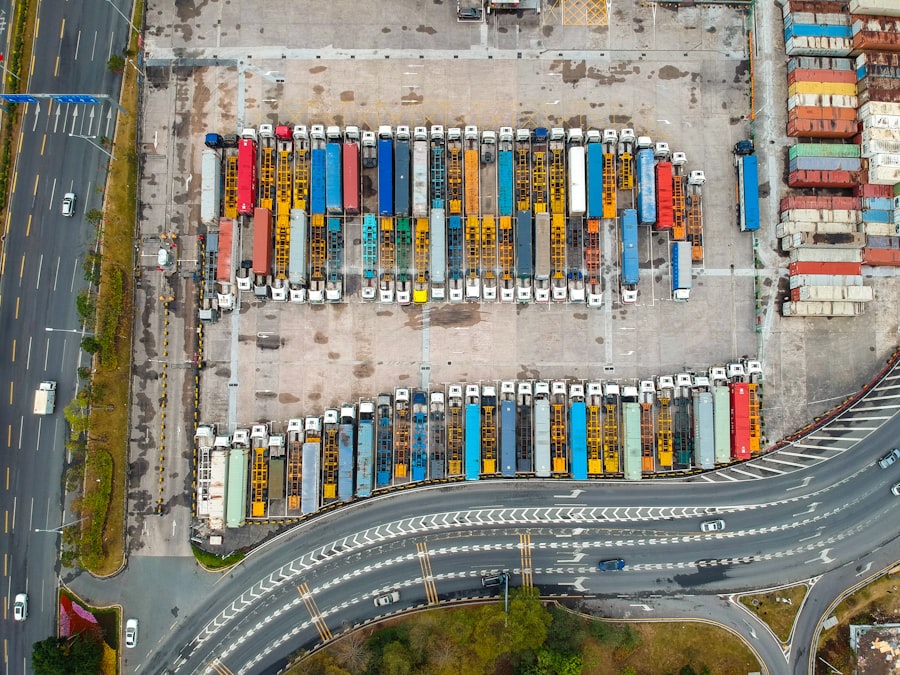
One of the primary advantages of underground logistics hubs is their ability to significantly reduce surface-level congestion. By relocating freight operations below ground, cities can alleviate traffic bottlenecks caused by delivery vehicles. This not only improves the flow of traffic but also enhances the overall quality of life for urban residents.
With fewer delivery trucks on the roads, air quality can improve, and noise pollution can be minimized, creating a more pleasant urban environment. Additionally, underground logistics hubs can facilitate faster and more reliable deliveries. With dedicated pathways for freight movement, goods can be transported directly from distribution centers to retail locations without the delays associated with surface-level traffic.
This efficiency can lead to reduced delivery times, which is particularly crucial in an era where consumers increasingly demand rapid service. Furthermore, these hubs can be designed to accommodate various modes of transportation, including automated vehicles and drones, further enhancing their operational capabilities.
Examples of Successful Underground Logistics Hubs
| Logistics Hub | Location | Year Established | Key Features | Annual Throughput (tons) | Primary Use |
|---|---|---|---|---|---|
| London Crossrail Freight Tunnel | London, UK | 2022 | Automated cargo handling, direct rail connections | 1,200,000 | Urban freight distribution |
| Tokyo Metro Underground Logistics Center | Tokyo, Japan | 2018 | Robotic sorting, temperature-controlled storage | 900,000 | Last-mile delivery hub |
| Paris La Défense Subterranean Hub | Paris, France | 2015 | Multi-modal transport integration, energy-efficient design | 750,000 | Commercial goods distribution |
| New York City Underground Freight Terminal | New York, USA | 2020 | Electric vehicle loading docks, real-time tracking | 1,100,000 | Urban retail supply chain |
| Singapore Deep Logistics Hub | Singapore | 2019 | Automated guided vehicles, high-density storage | 1,000,000 | Regional distribution center |
Several cities around the world have begun to implement underground logistics hubs with notable success. One prominent example is the city of Amsterdam, which has developed an extensive network of underground tunnels specifically designed for freight transport. This initiative has not only improved delivery efficiency but has also contributed to the city’s sustainability goals by reducing emissions from delivery vehicles.
The Amsterdam model serves as a blueprint for other urban centers looking to adopt similar strategies.
The Parisian approach emphasizes collaboration between public and private sectors, allowing for a seamless integration of freight transport into existing transportation networks.
By utilizing existing underground spaces, such as former metro lines and utility tunnels, Paris has successfully created a system that enhances logistical efficiency while minimizing disruption to daily urban life.
Technology and Innovation in Underground Logistics
The success of underground logistics hubs is heavily reliant on technological advancements that facilitate efficient operations. Automation plays a crucial role in this context, with automated guided vehicles (AGVs) and drones being deployed to transport goods within these subterranean networks. These technologies not only enhance speed and efficiency but also reduce labor costs associated with traditional delivery methods.
Moreover, data analytics and smart logistics systems are integral to optimizing operations within underground hubs. By leveraging real-time data on traffic patterns, demand fluctuations, and inventory levels, logistics managers can make informed decisions that enhance overall efficiency. The integration of Internet of Things (IoT) devices allows for seamless communication between various components of the logistics network, ensuring that goods are tracked and managed effectively throughout their journey.
Environmental Benefits of Underground Logistics Hubs
The environmental benefits of underground logistics hubs are significant and multifaceted. By reducing the number of delivery vehicles on surface streets, these hubs contribute to lower greenhouse gas emissions and improved air quality in urban areas. This is particularly important in light of global efforts to combat climate change and promote sustainable urban development.
Furthermore, underground logistics hubs can be designed with sustainability in mind. For instance, they can incorporate energy-efficient technologies such as solar panels and energy-efficient lighting systems. Additionally, by utilizing existing underground infrastructure, cities can minimize the need for new construction, thereby reducing the environmental impact associated with building new facilities.
The potential for underground logistics hubs to contribute positively to urban sustainability makes them an attractive option for cities seeking to balance economic growth with environmental responsibility.
Challenges and Limitations of Underground Logistics Hubs
Despite their numerous advantages, underground logistics hubs are not without challenges and limitations. One significant hurdle is the high initial investment required for construction and maintenance. Developing underground facilities necessitates substantial financial resources, which may deter some municipalities from pursuing such projects.
Additionally, securing funding and support from both public and private sectors can be a complex process that requires careful planning and collaboration. Another challenge lies in the technical complexities associated with operating underground logistics systems. Ensuring safety and accessibility within these facilities is paramount, as they must accommodate various modes of transportation while adhering to strict safety regulations.
Furthermore, integrating these hubs into existing urban infrastructure requires meticulous planning to avoid disruptions to other essential services such as utilities and transportation networks.
Future Trends in Underground Logistics
As urbanization continues to accelerate, the future of underground logistics hubs appears promising. One emerging trend is the increasing collaboration between cities and private companies in developing these facilities. Public-private partnerships can facilitate investment and innovation, allowing for more efficient implementation of underground logistics solutions.
Additionally, advancements in technology will likely play a pivotal role in shaping the future of underground logistics. The integration of artificial intelligence (AI) and machine learning into logistics operations can enhance decision-making processes and optimize supply chain management. As cities continue to explore innovative solutions to address urban challenges, underground logistics hubs will likely become an integral component of modern urban infrastructure.
Economic Impact of Underground Logistics Hubs
The economic impact of underground logistics hubs extends beyond immediate operational efficiencies; they also have the potential to stimulate local economies. By improving delivery times and reducing transportation costs, businesses can enhance their competitiveness in an increasingly globalized market. This can lead to increased investment in urban areas as companies seek to capitalize on improved logistical capabilities.
Moreover, the development of underground logistics hubs can create job opportunities in various sectors, including construction, technology, and logistics management. As cities invest in these facilities, they not only address current logistical challenges but also lay the groundwork for future economic growth and resilience.
Regulatory and Safety Considerations for Underground Logistics
The establishment of underground logistics hubs necessitates careful consideration of regulatory and safety frameworks. Local governments must develop comprehensive policies that address zoning regulations, safety standards, and environmental impact assessments associated with these facilities. Ensuring compliance with existing regulations is crucial for gaining public support and facilitating successful implementation.
Safety considerations are paramount when designing underground logistics systems. These facilities must be equipped with robust safety measures to protect workers and ensure efficient operations. Emergency response protocols must be established to address potential hazards associated with operating in subterranean environments.
The Potential of Underground Logistics Hubs
In conclusion, underground logistics hubs represent a compelling solution to the myriad challenges faced by modern urban environments. As cities continue to grapple with congestion, environmental concerns, and evolving consumer demands, these subterranean facilities offer a pathway toward more efficient and sustainable logistics operations. The advantages they provide—ranging from reduced traffic congestion to enhanced delivery speeds—underscore their potential as a transformative element in urban planning.
As technology continues to advance and collaboration between public and private sectors strengthens, the future of underground logistics hubs looks bright. By embracing this innovative approach to urban logistics, cities can not only improve their operational efficiencies but also contribute positively to environmental sustainability and economic growth. The potential impact of underground logistics hubs on shaping the future of urban mobility cannot be overstated; they may very well redefine how goods are transported in our increasingly complex urban landscapes.
Underground logistics hubs are becoming increasingly important in urban planning, as they offer efficient solutions for managing the flow of goods in densely populated areas. For a deeper understanding of the implications and benefits of such systems, you can read more in this related article on the topic. Check it out here: Underground Logistics Hubs: A New Frontier in Urban Infrastructure.
WATCH THIS! The Map You Can’t See: America’s $50 Billion Secret Underground City
FAQs
What are underground logistics hubs?
Underground logistics hubs are specialized facilities located below ground level designed to facilitate the storage, sorting, and distribution of goods. They help optimize urban logistics by reducing surface traffic congestion and improving delivery efficiency.
Why are underground logistics hubs important?
They are important because they help alleviate urban traffic congestion, reduce carbon emissions from delivery vehicles, and make better use of limited urban space. By moving logistics operations underground, cities can improve air quality and enhance the overall efficiency of supply chains.
How do underground logistics hubs work?
These hubs typically use automated systems such as conveyor belts, robotic vehicles, and elevators to move goods between underground storage areas and surface-level distribution points. They connect to transportation networks like subways, tunnels, or dedicated freight corridors to facilitate efficient movement of goods.
Where are underground logistics hubs commonly used?
They are commonly used in densely populated urban areas where surface space is limited and traffic congestion is a significant problem. Cities in Europe, Asia, and North America have started implementing underground logistics hubs as part of smart city and sustainable urban development initiatives.
What types of goods are handled in underground logistics hubs?
Underground logistics hubs typically handle a wide range of goods including parcels, retail products, food supplies, and sometimes industrial materials. The focus is often on last-mile delivery items that require quick and efficient distribution within urban areas.
What are the benefits of underground logistics hubs?
Benefits include reduced surface traffic congestion, lower greenhouse gas emissions, improved delivery speed and reliability, better use of urban space, and enhanced resilience of supply chains against surface-level disruptions such as weather or accidents.
Are there any challenges associated with underground logistics hubs?
Challenges include high initial construction costs, technical complexity of underground operations, safety and security concerns, and the need for integration with existing urban infrastructure and transportation systems.
How do underground logistics hubs contribute to sustainability?
By reducing the number of delivery vehicles on city streets, underground logistics hubs help lower air pollution and carbon emissions. They also promote the use of electric and automated vehicles within the underground network, further enhancing environmental benefits.
Can underground logistics hubs be integrated with other urban infrastructure?
Yes, they can be integrated with subway systems, underground parking, utility tunnels, and other subterranean infrastructure to maximize space utilization and improve overall urban logistics efficiency.
What technologies are commonly used in underground logistics hubs?
Common technologies include automated guided vehicles (AGVs), robotics, conveyor systems, real-time tracking and inventory management software, and advanced communication networks to coordinate logistics operations underground.