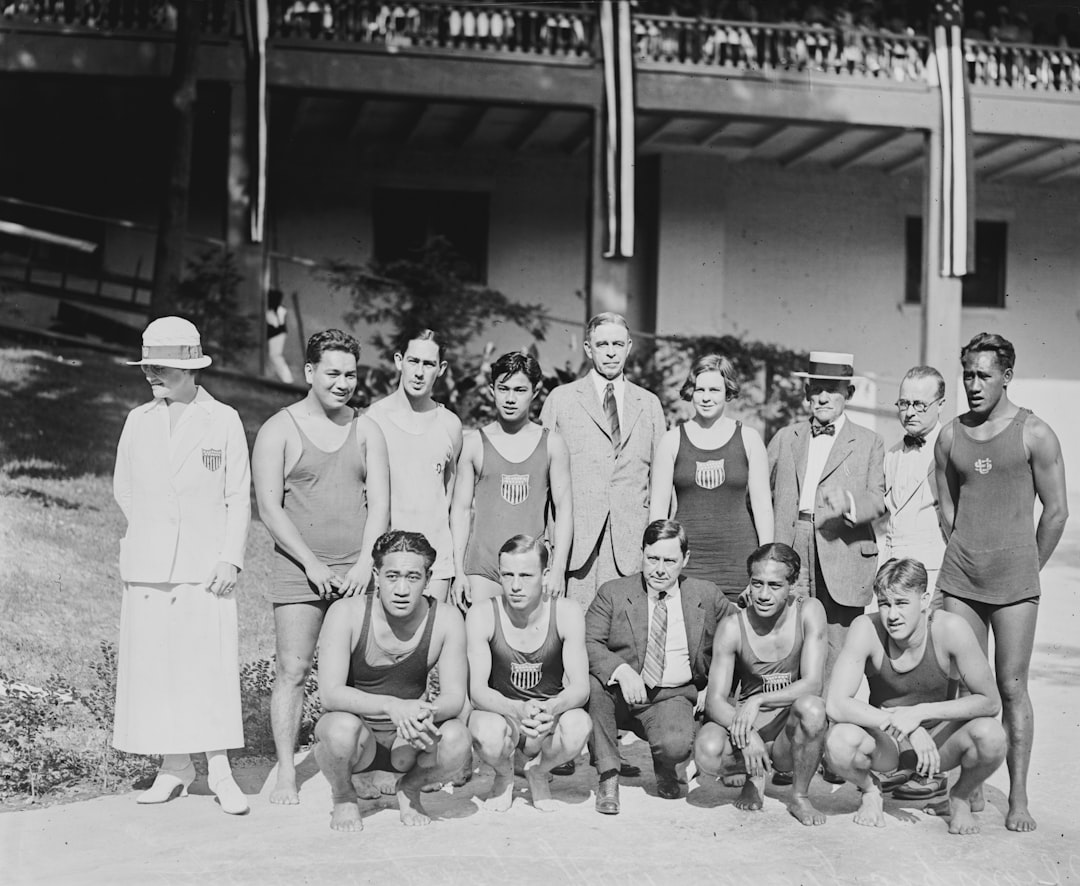
The Marshallese Diaspora refers to the communities of Marshallese people who have migrated from the Marshall Islands, a small nation in the central Pacific Ocean, to various parts of the world, particularly the United States. This migration has been driven by a combination of factors, including economic opportunities, environmental changes, and the legacy of nuclear testing conducted by the United States in the mid-20th century. As a result, the Marshallese have established vibrant communities in places like Arkansas, Hawaii, and California, where they maintain their cultural identity while navigating the complexities of life in a new environment.
The diaspora is characterized by a rich cultural heritage that includes traditional practices, languages, and social structures. However, the transition to life outside the Marshall Islands has not been without its challenges. The Marshallese people often face significant barriers in accessing healthcare, education, and employment opportunities.
Understanding the health challenges faced by this community is crucial for developing effective interventions and support systems that honor their unique cultural context while addressing their specific needs.
Key Takeaways
- The Marshallese Diaspora faces unique health challenges due to historical and cultural factors, as well as limited access to healthcare.
- Historical and cultural factors, such as the impact of nuclear testing and traditional dietary practices, contribute to the health challenges within the Marshallese Diaspora.
- Limited access to healthcare, including language barriers and lack of culturally competent care, further exacerbates the health disparities experienced by the Marshallese Diaspora.
- Mental health issues, such as trauma and acculturation stress, are prevalent within the Marshallese Diaspora and require targeted interventions and support.
- Community-based initiatives, education, and policy interventions are crucial for addressing the health challenges and improving the well-being of the Marshallese Diaspora.
Health challenges faced by the Marshallese Diaspora
The health challenges confronting the Marshallese Diaspora are multifaceted and deeply rooted in both historical and contemporary issues. One of the most pressing concerns is the prevalence of chronic diseases such as diabetes, hypertension, and obesity. These conditions have been exacerbated by lifestyle changes that accompany migration, including shifts in diet and physical activity levels.
Traditional diets rich in fish and coconuts have often been replaced by processed foods that are high in sugar and unhealthy fats, leading to a rise in health complications. Moreover, the Marshallese community often grapples with limited access to healthcare services. Many individuals may lack health insurance or face language barriers that hinder their ability to navigate the healthcare system effectively.
This lack of access can result in delayed diagnoses and inadequate management of chronic conditions, further compounding health disparities within the community. Additionally, cultural beliefs about health and illness can influence how individuals seek care, often leading to reliance on traditional remedies rather than conventional medical treatment.
The impact of historical and cultural factors on the health of the Marshallese Diaspora
Historical events have profoundly shaped the health landscape of the Marshallese Diaspora. The legacy of nuclear testing conducted by the United States in the 1940s and 1950s has had lasting effects on both physical health and psychological well-being. Many Marshallese individuals were exposed to radiation, leading to increased rates of cancer and other health issues.
The trauma associated with these experiences continues to affect subsequent generations, contributing to a sense of mistrust towards governmental institutions and healthcare providers. Cultural factors also play a significant role in shaping health behaviors within the Marshallese community. Traditional beliefs about health often emphasize holistic approaches that prioritize spiritual well-being alongside physical health.
This perspective can sometimes conflict with Western medical practices, leading to misunderstandings between patients and healthcare providers. Furthermore, communal values that prioritize family and social connections may influence how individuals approach health-seeking behaviors, often placing collective needs above personal health concerns.
Access to healthcare for the Marshallese Diaspora
| Country | Percentage of Marshallese Diaspora with Access to Healthcare | Healthcare Facilities Available |
|---|---|---|
| United States | 70% | Hospitals, Clinics, Community Health Centers |
| Japan | 60% | Hospitals, Clinics |
| Australia | 75% | Health Centers, General Practitioners |
Access to healthcare remains a critical issue for the Marshallese Diaspora, with numerous barriers impeding their ability to receive timely and appropriate care. Geographic isolation is one significant factor; many Marshallese individuals reside in areas where healthcare facilities are limited or far away. This can lead to long travel times for medical appointments, which may discourage individuals from seeking care altogether.
Financial constraints also pose a significant challenge. Many members of the Marshallese community work in low-wage jobs that do not provide adequate health insurance coverage. As a result, they may forgo necessary medical treatments due to cost concerns or may rely on emergency services when health issues become severe.
Language barriers further complicate access to healthcare; many Marshallese individuals may not be fluent in English, making it difficult to communicate effectively with healthcare providers or understand medical instructions.
Mental health issues within the Marshallese Diaspora
Mental health issues are prevalent within the Marshallese Diaspora, yet they often remain underreported and inadequately addressed. The stressors associated with migration—such as cultural dislocation, economic instability, and social isolation—can contribute to higher rates of anxiety, depression, and other mental health disorders. Additionally, the historical trauma linked to nuclear testing has left deep psychological scars that continue to affect individuals and families within the community.
Stigma surrounding mental health can further complicate matters. In many cultures, including that of the Marshallese, mental health issues are often viewed as a source of shame or weakness. This stigma can prevent individuals from seeking help or discussing their struggles openly with family members or friends.
As a result, many may suffer in silence, exacerbating their conditions and hindering their overall well-being.
Opportunities for improving the health of the Marshallese Diaspora
Despite the numerous challenges faced by the Marshallese Diaspora, there are significant opportunities for improving their health outcomes. Community engagement is essential; by involving Marshallese leaders and organizations in health initiatives, programs can be tailored to meet the specific needs of the community while respecting cultural values. Collaborative efforts can foster trust between healthcare providers and community members, encouraging individuals to seek care when needed.
Education plays a pivotal role in promoting healthier lifestyles within the diaspora. By providing culturally relevant information about nutrition, physical activity, and chronic disease management, community programs can empower individuals to make informed choices about their health. Workshops that incorporate traditional practices alongside modern health education can bridge gaps in understanding while honoring cultural heritage.
Community-based initiatives for addressing health challenges within the Marshallese Diaspora
Community-based initiatives have emerged as effective strategies for addressing health challenges within the Marshallese Diaspora. Organizations such as the Marshallese Educational Initiative (MEI) have been instrumental in promoting health awareness through culturally tailored programs that engage community members directly. These initiatives often focus on preventive care, encouraging regular check-ups and screenings while providing resources for managing chronic conditions.
Additionally, peer support networks have proven beneficial in fostering a sense of belonging and shared experience among Marshallese individuals facing similar health challenges. These networks can provide emotional support while also serving as platforms for sharing information about available resources and services. By leveraging existing social structures within the community, these initiatives can enhance overall well-being and resilience.
The role of education and awareness in improving the health of the Marshallese Diaspora
Education and awareness are critical components in improving health outcomes for the Marshallese Diaspora. Health literacy programs that focus on teaching individuals about their rights within the healthcare system can empower them to advocate for themselves effectively. Understanding how to navigate insurance options, access services, and communicate with providers can significantly enhance their ability to receive appropriate care.
By utilizing culturally relevant messaging and engaging trusted community leaders as advocates, these campaigns can resonate more deeply with individuals and families.
Government and policy interventions for supporting the health of the Marshallese Diaspora
Governmental support is essential for addressing the health disparities faced by the Marshallese Diaspora. Policy interventions aimed at expanding access to healthcare services—such as Medicaid expansion or targeted funding for community health centers—can significantly improve outcomes for this population. Additionally, policies that promote cultural competence training for healthcare providers can enhance understanding and communication between providers and Marshallese patients.
Furthermore, advocacy efforts aimed at raising awareness about the unique challenges faced by the Marshallese community can lead to more inclusive policies at local, state, and national levels. By amplifying their voices in policy discussions, Marshallese leaders can help ensure that their needs are recognized and addressed within broader public health initiatives.
The importance of cultural competence in healthcare for the Marshallese Diaspora
Cultural competence is paramount when providing healthcare services to the Marshallese Diaspora. Healthcare providers must recognize and respect cultural differences that influence patients’ perceptions of health and illness. Training programs that emphasize cultural sensitivity can equip providers with the skills necessary to engage effectively with diverse populations.
Moreover, incorporating traditional healing practices alongside conventional medicine can foster trust between patients and providers. By acknowledging the value of cultural beliefs while providing evidence-based care, healthcare professionals can create an environment where patients feel understood and respected.
Moving forward to address the health challenges and opportunities within the Marshallese Diaspora
As the Marshallese Diaspora continues to grow and evolve, addressing their unique health challenges requires a multifaceted approach that encompasses community engagement, education, policy interventions, and cultural competence in healthcare delivery. By recognizing the historical context that shapes their experiences and actively involving community members in developing solutions, stakeholders can create pathways toward improved health outcomes. Moving forward, it is essential to foster collaboration among government agencies, healthcare providers, community organizations, and Marshallese leaders to ensure that interventions are effective and culturally relevant.
By prioritizing these efforts, there is hope for a healthier future for the Marshallese Diaspora—one where individuals can thrive physically, mentally, and socially while honoring their rich cultural heritage.
The Marshallese diaspora has faced numerous health challenges, particularly as they settle in different parts of the world. These challenges often stem from a combination of cultural, environmental, and socio-economic factors that affect their access to healthcare and overall well-being. An insightful article that delves into the health issues faced by the Marshallese community can be found on MyGeoQuest.
For more information, you can read the full article by visiting this link.
FAQs
What is the Marshallese diaspora?
The Marshallese diaspora refers to the population of Marshallese people who have migrated and settled in other countries, particularly the United States. This diaspora has been primarily driven by economic opportunities and the impact of nuclear testing in the Marshall Islands.
What are some health challenges faced by the Marshallese diaspora?
The Marshallese diaspora faces various health challenges, including high rates of diabetes, heart disease, and certain types of cancer. Additionally, access to healthcare and health education can be limited for Marshallese individuals living in the United States.
What factors contribute to the health disparities experienced by the Marshallese diaspora?
Several factors contribute to the health disparities experienced by the Marshallese diaspora, including language barriers, cultural differences in healthcare practices, limited access to healthcare services, and challenges in navigating the U.S. healthcare system.
How does the history of nuclear testing in the Marshall Islands impact the health of the Marshallese diaspora?
The history of nuclear testing in the Marshall Islands has had long-term health effects on the Marshallese people, including increased rates of cancer, birth defects, and other health issues. Additionally, the environmental impact of nuclear testing continues to affect the health and well-being of the Marshallese diaspora.
What efforts are being made to address the health disparities within the Marshallese diaspora?
Various organizations and healthcare providers are working to address the health disparities within the Marshallese diaspora by providing culturally sensitive healthcare services, increasing access to health education, and advocating for policies that support the health and well-being of Marshallese individuals living in the United States.