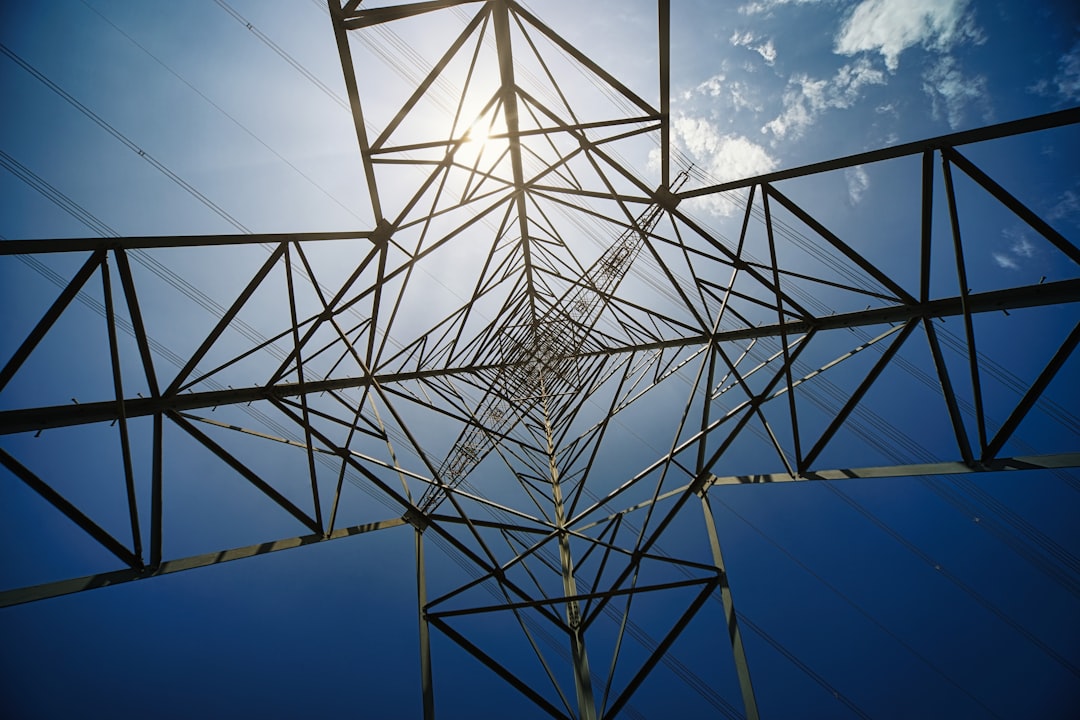
The aging power grid infrastructure represents a critical challenge for modern society, as it underpins the very fabric of daily life. As populations grow and energy demands increase, the existing grid, much of which was constructed decades ago, struggles to keep pace. This outdated system is not only inefficient but also increasingly vulnerable to a myriad of threats, including natural disasters, cyberattacks, and the integration of renewable energy sources.
The urgency to address these issues has never been more pronounced, as the consequences of neglecting the grid can lead to widespread outages and significant economic repercussions. In recent years, discussions surrounding the power grid have gained momentum, highlighting the need for modernization and resilience.
As the world transitions towards a more sustainable energy future, understanding the intricacies of the aging power grid becomes paramount in developing effective solutions that can withstand the challenges of the 21st century.
Key Takeaways
- Aging power grid infrastructure shows signs of deterioration, threatening energy reliability.
- Natural disasters and extreme weather events expose vulnerabilities in the current grid system.
- Technological advancements and renewable energy integration are key to modernizing the grid.
- Funding, cybersecurity, and government policies present significant challenges and opportunities.
- Community engagement and public awareness are crucial for supporting a sustainable, resilient energy future.
Signs of Deterioration: Understanding the Problem
The signs of deterioration in the power grid are becoming increasingly evident, manifesting in various forms that signal an urgent need for intervention. Aging equipment, such as transformers and transmission lines, often exhibits wear and tear that compromises their functionality. Many components of the grid were designed to last for decades, but as they approach or exceed their intended lifespan, the risk of failure escalates.
Frequent outages and disruptions in service have become commonplace in many regions, serving as a stark reminder of the grid’s vulnerabilities. Moreover, the lack of investment in maintenance and upgrades exacerbates these issues. Utilities often prioritize short-term profits over long-term infrastructure health, leading to deferred maintenance and insufficient funding for necessary improvements.
This neglect not only jeopardizes the reliability of energy supply but also places an undue burden on consumers who face rising energy costs and service interruptions. Understanding these signs of deterioration is crucial for stakeholders aiming to advocate for comprehensive reforms that address the root causes of grid instability.
Impact on Energy Reliability: Potential Consequences
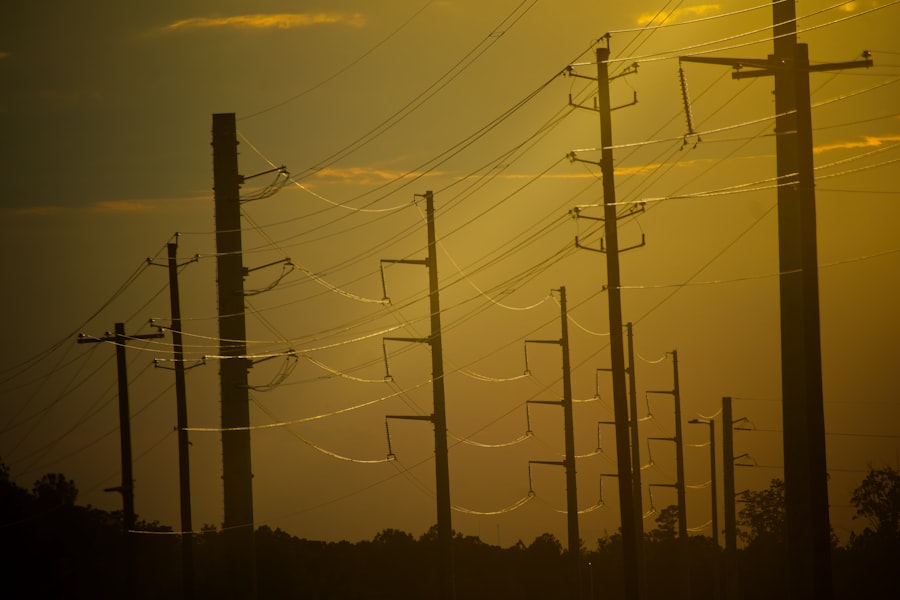
The impact of an aging power grid on energy reliability cannot be overstated. As infrastructure deteriorates, the likelihood of blackouts and brownouts increases, disrupting daily life and economic activities. Businesses rely on a stable power supply to operate efficiently; any interruption can lead to lost revenue and diminished productivity.
For households, frequent outages can result in spoiled food, disrupted routines, and increased frustration. The ripple effects of unreliable energy supply extend beyond individual inconveniences, affecting entire communities and regional economies. Furthermore, the consequences of an unreliable power grid can have far-reaching implications for public safety.
Emergency services, hospitals, and critical infrastructure depend on consistent electricity to function effectively. In times of crisis, such as natural disasters or public health emergencies, a compromised grid can hinder response efforts and exacerbate existing challenges. The potential consequences of neglecting grid modernization underscore the urgency for stakeholders to prioritize investments in infrastructure that ensure a reliable energy supply for all.
Vulnerabilities to Natural Disasters and Extreme Weather Events
The vulnerabilities of the aging power grid are particularly pronounced in the face of natural disasters and extreme weather events. Climate change has intensified the frequency and severity of storms, wildfires, floods, and other catastrophic occurrences that can wreak havoc on electrical infrastructure. Aging components are often ill-equipped to withstand these challenges, leading to widespread outages and prolonged recovery times.
For instance, hurricanes can topple transmission lines and flood substations, while wildfires can destroy critical infrastructure in their path. Moreover, the interconnected nature of the power grid means that disruptions in one area can have cascading effects throughout the system. A localized outage caused by a natural disaster can quickly escalate into a regional crisis if backup systems fail or if neighboring grids are unable to provide support.
As climate-related threats continue to evolve, it becomes increasingly clear that modernizing the power grid is not merely a matter of improving efficiency; it is essential for safeguarding communities against the unpredictable forces of nature.
Technological Advancements: Solutions for Modernizing the Grid
| Metric | Value | Description |
|---|---|---|
| Average Age of Power Transformers | 40 years | Many transformers in the grid have exceeded their expected lifespan of 25-30 years |
| Percentage of Transmission Lines Over 50 Years Old | 30% | Significant portion of transmission infrastructure is aging and prone to failure |
| Annual Failure Rate Increase | 5% per year | Failure rates of aging equipment have been rising steadily |
| Average Outage Duration | 120 minutes | Outages caused by aging infrastructure tend to last longer due to repair complexity |
| Investment in Grid Modernization | 15% of total utility budget | Current spending aimed at upgrading and replacing aging components |
| Percentage of Grid Components Requiring Replacement | 40% | Estimated portion of infrastructure needing urgent replacement or upgrade |
| Impact on Grid Reliability | Decreased by 10% over last decade | Reliability metrics have declined due to aging infrastructure |
Technological advancements offer promising solutions for modernizing the aging power grid and enhancing its resilience. Smart grid technology represents a significant leap forward in how electricity is generated, distributed, and consumed. By integrating digital communication tools with traditional infrastructure, smart grids enable real-time monitoring and management of energy flow.
This allows utilities to identify issues proactively, optimize energy distribution, and respond swiftly to outages or disruptions. Additionally, advancements in energy storage technologies are transforming how electricity is managed within the grid. Battery storage systems can store excess energy generated during peak production times and release it during periods of high demand or low generation.
This capability not only enhances reliability but also facilitates the integration of renewable energy sources like solar and wind into the grid. As these technologies continue to evolve, they hold the potential to create a more efficient and resilient energy system that meets the demands of a changing world.
The Role of Renewable Energy in Grid Modernization
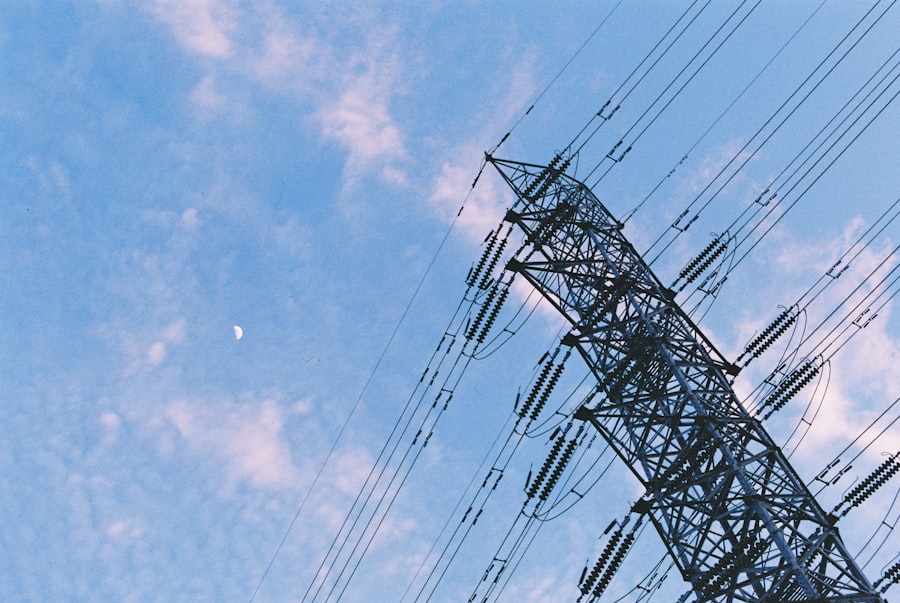
Renewable energy plays a pivotal role in the modernization of the power grid, offering both challenges and opportunities for enhancing its resilience. As society shifts towards cleaner energy sources such as solar, wind, and hydroelectric power, integrating these variable resources into the existing grid presents unique hurdles. However, with proper planning and investment in infrastructure upgrades, renewable energy can significantly contribute to a more sustainable energy future.
The decentralized nature of renewable energy generation allows for greater flexibility within the grid. Distributed energy resources (DERs), such as rooftop solar panels and community wind farms, can reduce reliance on centralized power plants while providing localized energy solutions. This diversification not only enhances energy security but also mitigates some vulnerabilities associated with traditional grid systems.
By embracing renewable energy as a cornerstone of grid modernization efforts, stakeholders can create a more resilient energy landscape that aligns with environmental goals.
Challenges in Funding and Implementing Grid Upgrades
Despite the clear need for modernization, challenges persist in securing funding and implementing necessary upgrades to the power grid. The financial burden associated with overhauling aging infrastructure is substantial, often requiring significant investments from both public and private sectors. Utilities may face resistance from shareholders who prioritize short-term profits over long-term infrastructure health, complicating efforts to allocate resources for upgrades.
Moreover, regulatory frameworks can hinder progress by imposing bureaucratic obstacles that delay project approvals and increase costs. Navigating these complexities requires collaboration among various stakeholders, including government agencies, utility companies, and community organizations. Innovative financing models, such as public-private partnerships or green bonds, may offer viable solutions to bridge funding gaps while ensuring that modernization efforts align with broader sustainability goals.
The Importance of Cybersecurity in Grid Modernization
As technology becomes increasingly integrated into the power grid, cybersecurity emerges as a critical concern in modernization efforts. The rise of smart grids and connected devices introduces new vulnerabilities that malicious actors may exploit to disrupt services or compromise sensitive data. Cyberattacks on critical infrastructure can have devastating consequences, ranging from widespread outages to threats against national security.
To safeguard against these risks, it is essential for utilities and policymakers to prioritize cybersecurity measures alongside physical infrastructure upgrades. This includes investing in robust security protocols, conducting regular vulnerability assessments, and fostering collaboration between public and private sectors to share information about emerging threats. By addressing cybersecurity proactively within the context of grid modernization, stakeholders can enhance overall resilience while protecting vital energy systems from potential attacks.
Community Engagement and Public Awareness
Community engagement plays a vital role in successful grid modernization initiatives. As stakeholders work towards upgrading infrastructure and integrating new technologies, it is essential to involve local communities in discussions about their energy needs and preferences. Public awareness campaigns can help educate residents about the importance of modernization efforts while fostering support for necessary changes.
Engaging communities also allows for valuable feedback that can inform decision-making processes. Residents may have unique insights into local challenges or opportunities that could shape how modernization efforts are implemented. By prioritizing transparency and inclusivity in these discussions, stakeholders can build trust with communities while ensuring that modernization initiatives align with local priorities.
Government Policies and Regulations: Supporting Grid Modernization
Government policies and regulations play a crucial role in supporting grid modernization efforts at both state and federal levels. Policymakers have the opportunity to create frameworks that incentivize investment in infrastructure upgrades while promoting sustainability goals. This may include tax credits for renewable energy projects or grants for utilities investing in smart grid technologies.
Additionally, regulatory bodies must adapt to evolving technologies by streamlining approval processes for new projects. By reducing bureaucratic hurdles and fostering innovation within regulatory frameworks, governments can facilitate faster implementation of necessary upgrades while ensuring that safety standards are maintained. Collaborative efforts between government agencies and industry stakeholders are essential for creating an environment conducive to successful grid modernization.
The Future of Grid Infrastructure: Ensuring a Sustainable and Resilient Energy System
Looking ahead, the future of grid infrastructure hinges on a commitment to sustainability and resilience in energy systems worldwide. As climate change continues to pose significant challenges, modernizing the power grid becomes imperative not only for reliability but also for environmental stewardship. By embracing innovative technologies, integrating renewable energy sources, and prioritizing community engagement, stakeholders can create an energy landscape that meets current demands while preparing for future uncertainties.
Ultimately, ensuring a sustainable and resilient energy system requires collaboration among all stakeholders—utilities, governments, communities, and technology providers alike. By working together towards common goals of reliability and sustainability, society can build a power grid capable of withstanding both present challenges and future demands while fostering economic growth and environmental responsibility for generations to come.
The aging crisis of power grid infrastructure poses significant challenges to energy reliability and safety across the nation. As highlighted in a related article, the need for modernization and investment in our electrical systems has never been more urgent. For more insights on this critical issue, you can read the full article [here](https://www.mygeoquest.com/sample-page/).
FAQs
What is the power grid infrastructure aging crisis?
The power grid infrastructure aging crisis refers to the widespread deterioration and obsolescence of electrical grid components, such as transformers, transmission lines, and substations, due to decades of use without sufficient upgrades or replacements. This aging infrastructure can lead to increased failures, outages, and reduced reliability of electricity supply.
Why is the power grid infrastructure aging?
Much of the power grid infrastructure in many countries was built several decades ago and has exceeded or is nearing the end of its expected operational lifespan. Limited investment in modernization, increased demand, and environmental factors contribute to the accelerated aging of these components.
What are the risks associated with an aging power grid?
An aging power grid increases the risk of equipment failures, power outages, reduced efficiency, and vulnerability to extreme weather events. It can also hinder the integration of renewable energy sources and smart grid technologies, impacting overall energy security and reliability.
How does the aging power grid affect consumers?
Consumers may experience more frequent and prolonged power outages, voltage fluctuations, and higher electricity costs due to inefficiencies and maintenance needs. It can also limit access to advanced energy services and technologies.
What measures are being taken to address the aging power grid?
Utilities and governments are investing in grid modernization efforts, including upgrading equipment, implementing smart grid technologies, enhancing grid resilience, and increasing maintenance and monitoring. Policies and funding initiatives aim to support these improvements.
How does the aging power grid impact renewable energy integration?
An outdated grid may lack the flexibility and capacity to accommodate variable renewable energy sources like solar and wind. Modernizing the grid is essential to enable efficient energy flow, storage, and management required for higher renewable penetration.
What role does technology play in solving the aging grid crisis?
Advanced technologies such as smart meters, sensors, automated controls, and energy storage systems help monitor grid health, optimize performance, and quickly respond to issues. These innovations are key to extending the life and improving the reliability of the power grid.
Is the aging power grid crisis a global issue?
Yes, many countries around the world face challenges related to aging power grid infrastructure. The severity and specific issues vary depending on the region’s investment history, climate, and energy demands.
How long can aging power grid components continue to operate safely?
The lifespan of grid components varies, but many were designed for 30 to 50 years of service. Without proper maintenance and upgrades, their reliability and safety can decline significantly after this period.
What are the economic implications of the aging power grid?
Failing infrastructure can lead to costly outages, increased maintenance expenses, and higher operational costs. Investing in modernization can be expensive upfront but typically results in long-term savings and economic benefits through improved reliability and efficiency.