
The Lithium Triangle, a vast, arid expanse straddling the borders of Argentina, Bolivia, and Chile, holds immense reserves of lithium, a crucial component for modern technology, particularly electric vehicle batteries. Yet, this mineral wealth is inextricably linked to a severe water crisis, a paradox that defines the region and poses significant global challenges.
An Unforgiving Landscape
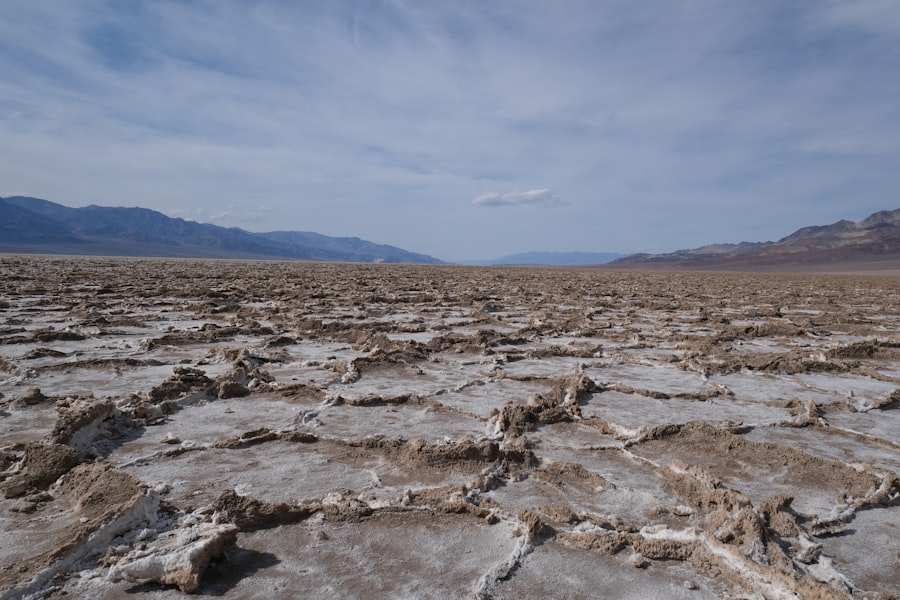
The Lithium Triangle is characterized by its extreme aridity, a testament to its location in the heart of the Atacama Desert, one of the driest places on Earth. This region is a stark canvas of salt flats, sand dunes, and bare, rocky mountains, sculpted by relentless winds and minimal rainfall. Here, precipitation is not a daily occurrence but a rare, cherished event. Annual rainfall in many parts of the desert is measured in millimeters, not centimeters, making any form of conventional agriculture a near impossibility. The air itself seems to crave moisture, a constant reminder of the scarcity of this vital resource.
The Altiplano’s Embrace
The dominant geographical feature is the Altiplano, a high-altitude plateau that forms the backbone of the Andes Mountains. At elevations often exceeding 4,000 meters (13,000 feet), the air is thin, the sun is intense, and temperatures fluctuate dramatically between day and night. This high-altitude environment contributes to the aridity, as warmer air holds more moisture, and the cooler temperatures of the Altiplano limit its moisture-carrying capacity. The vast, flat expanse of the salt flats, known locally as salares, are a defining visual element. These ancient lakebeds, now dry, are not merely barren landscapes but also the subsurface reservoirs where lithium is found.
Permafrost and Snowmelt: The Subtle Sources
While the surface is parched, the Andes do hold pockets of moisture. Glaciers and permanent snowfields, remnants of Pleistocene ice ages, cling to the highest peaks. These icy crowns, though slowly receding due to climate change, act as a crucial, albeit limited, source of fresh water through slow melt. This meltwater trickles down into the underground aquifers, often feeding ephemeral rivers and supporting small oases. Furthermore, permafrost, a layer of soil that remains frozen year-round, exists at higher elevations. While not a direct source of liquid water, it plays a role in regulating the flow of meltwater and can contribute to subsurface storage. These subtle, often hidden sources are the lifeblood of the arid ecosystem and the communities that inhabit it.
The lithium triangle, which encompasses parts of Argentina, Bolivia, and Chile, is facing a significant water crisis that threatens both local communities and the burgeoning lithium industry. This situation is exacerbated by the increasing demand for lithium in electric vehicle batteries, leading to unsustainable water extraction practices. For a deeper understanding of the complexities surrounding this issue, you can read the article that provides an in-depth analysis of the water crisis in the lithium triangle at this link.
The Lithium Bounty: An Underground Ocean
Saline Waters: The Lithium’s Home
The lithium in the Lithium Triangle is not found in rocks, but rather dissolved in vast underground brine pools. These saline solutions are trapped beneath the impermeable layers of the salares, a subterranean ocean of sorts, rich in dissolved minerals, with lithium being the most economically significant. The concentration of lithium in these brines can be remarkably high, making extraction economically viable. These brines are the result of millions of years of geological processes, where volcanic activity brought mineral-rich fluids to the surface, and the arid conditions prevented them from evaporating entirely.
Concentration and Extraction: A Thirsty Process
Extracting lithium from these brines is a multi-stage process that is notoriously water-intensive. The brine is pumped from the underground reservoirs to the surface and then channeled into a series of vast evaporation ponds. Under the intense Andean sun, water evaporates, leaving behind a progressively concentrated lithium salt solution. This process can take many months, even over a year, depending on the ambient conditions and the size of the ponds. During this time, immense quantities of water are lost to the atmosphere, a significant environmental cost.
The Chemical Alchemy
Once the brine reaches a sufficient concentration, further chemical processing is required to isolate the pure lithium carbonate or lithium hydroxide, the forms most suitable for battery manufacturing. This step also involves the use of various chemicals and, crucially, further water inputs for washing and purification. The entire process, from pumping the brine to producing the final lithium compound, is a thirsty endeavor, a stark contrast to the bone-dry environment in which it takes place. It is akin to drawing from a precious, finite well and pouring much of it out to the winds in exchange for a small, valuable treasure.
Water Demands: A Thirsty Industry
Evaporation Ponds: Vast Lakes of Waste
The most visually striking and water-consuming aspect of lithium extraction is the construction and operation of vast evaporation ponds. These man-made lakes, often stretching for kilometers, are filled with the pumped brine. The sheer scale of these ponds is immense, covering hundreds, if not thousands, of hectares in some operations. The primary purpose is to allow solar energy to do the heavy lifting by evaporating the water, concentrating the lithium salts. However, this method is extremely inefficient in terms of water usage, as the majority of the water pumped from the ground is released into the atmosphere as vapor.
Brine Pumping: Depleting the Underground Reserves
The act of pumping brine from the salares has direct implications for local water availability. While the brines are saline and not directly potable, they are part of a delicate hydrological system. Over-extraction can lead to the lowering of the water table, affecting the availability of less saline groundwater that may be crucial for local ecosystems and human consumption. The rate at which these brines are replenished is a subject of scientific debate and concern. If extraction outpaces natural replenishment, these underground reserves could be depleted, with long-term consequences.
Process Water: The Unseen Consumption
Beyond the evaporation ponds, lithium extraction requires significant amounts of process water for various stages of purification and chemical treatment. While the volume may be less than that lost through evaporation, it still represents a substantial demand on a scarce resource. This process water is often sourced from local groundwater wells or, in some cases, from rivers, further straining regional water supplies. The cumulative demand from the burgeoning lithium industry, alongside the needs of local communities and agriculture, creates a potential for severe water competition.
The Human and Environmental Toll
Communities Dependent on Scarce Resources
The Lithium Triangle is home to indigenous communities and small settlements that have historically relied on the limited availability of fresh water for their survival. For generations, these communities have adapted to the arid conditions, utilizing small springs, occasional rainfall, and traditional water management techniques. The arrival of large-scale lithium mining operations has introduced a new, voracious consumer of water, creating a direct conflict of interest. These communities often find themselves at the sharp end of the water crisis, with their traditional water sources diminishing or becoming contaminated.
Impact on Local Ecosystems
The impact of lithium extraction extends beyond human communities to the fragile desert ecosystems. The salares, though seemingly barren, support unique microbial life and serve as critical habitats for migratory birds and other wildlife that have adapted to extreme conditions. Alterations to the hydrological balance, including the lowering of water tables due to brine pumping, can disrupt these delicate ecosystems. Furthermore, the chemicals used in the extraction process, if not managed properly, pose a risk of polluting surrounding water sources and soil, threatening biodiversity.
Competition and Conflict: A Growing Scarcity
As the demand for lithium intensifies, so does the competition for water resources. The contradiction of a water-scarce region being the source of a resource essential for a “green” energy transition is stark. This competition can lead to social friction, with local communities feeling marginalized and exploited. The expansion of mining operations often overshadows the needs of these communities, leading to protests and a sense of injustice. The very industry envisioned as a solution to climate change creates its own set of environmental and social challenges, a Gordian knot of resource management.
The ongoing water crisis in the lithium triangle has raised significant concerns about the sustainability of lithium extraction in South America. As detailed in a related article, the delicate balance between water resources and lithium production is becoming increasingly precarious. This situation is further complicated by the growing demand for electric vehicles and renewable energy technologies, which rely heavily on lithium-ion batteries. For a deeper understanding of the implications of this crisis, you can read more in this insightful piece on MyGeoQuest.
Towards a Sustainable Future: Innovation and Management
| Metric | Description | Impact on Lithium Triangle | Source/Notes |
|---|---|---|---|
| Annual Water Usage for Lithium Extraction | Amount of water consumed per ton of lithium produced | Approximately 500,000 gallons per ton in Salar de Atacama | High water consumption strains local water supplies |
| Water Table Decline Rate | Annual decrease in groundwater levels in lithium mining areas | Up to 20 cm per year in some regions | Leads to drying of wetlands and affects local agriculture |
| Local Community Water Access | Percentage of population with reliable access to clean water | Less than 50% in some indigenous communities | Water scarcity exacerbated by mining activities |
| Lithium Production Growth Rate | Yearly increase in lithium extraction volume | Estimated 20% annual growth to meet EV demand | Increased extraction intensifies water crisis |
| Evaporation Rate in Salt Flats | Annual water loss due to evaporation in lithium brine pools | Up to 2 meters per year | Reduces available water for ecosystems and communities |
| Area of Affected Wetlands | Size of wetlands impacted by water extraction | Thousands of hectares showing degradation | Loss of biodiversity and traditional livelihoods |
Technological Innovations: Reducing Water Footprints
The significant water demands of traditional lithium extraction methods have spurred a search for more sustainable alternatives. Researchers and companies are actively developing and implementing new technologies aimed at reducing water consumption. These include direct lithium extraction (DLE) methods, which aim to extract lithium from brines without the need for extensive evaporation ponds. DLE technologies often involve chemical or electrochemical processes that are more targeted and can achieve higher recovery rates with less water loss.
Water Management and Conservation: A Collective Responsibility
Effective water management is paramount in the Lithium Triangle. This requires a multi-faceted approach involving governments, mining companies, and local communities. Implementing strict regulations on water usage, monitoring extraction rates, and investing in water-efficient technologies are crucial steps. Furthermore, promoting water conservation practices within local communities and exploring alternative water sources, such as desalination (though energy-intensive) or advanced wastewater treatment, could help alleviate pressure on existing freshwater supplies.
Balancing Economic Growth and Environmental Stewardship
The challenge lies in finding a delicate balance between the economic benefits of lithium extraction and the imperative of environmental stewardship. The global demand for lithium is undeniable, but its extraction must not come at the cost of irreversible damage to the environment and the well-being of local populations. This necessitates a commitment to responsible mining practices, transparency in resource management, and equitable benefit sharing with the communities that host these valuable resources. It is a tightrope walk, where every step must be carefully considered to avoid a fall into a parched abyss.
FAQs
What is the Lithium Triangle?
The Lithium Triangle refers to a region in South America where the borders of Argentina, Bolivia, and Chile meet. This area contains some of the world’s largest reserves of lithium, a key component in batteries for electric vehicles and electronic devices.
Why is there a water crisis in the Lithium Triangle?
The water crisis in the Lithium Triangle is primarily due to the high water consumption required for lithium extraction. The process often involves pumping large amounts of brine from underground salt flats, which depletes local water sources and affects the availability of water for local communities and ecosystems.
How does lithium mining impact local communities?
Lithium mining can lead to reduced water availability for agriculture, drinking, and livestock, which negatively impacts the livelihoods of indigenous and rural communities. Additionally, environmental degradation from mining activities can harm local ecosystems and biodiversity.
What measures are being taken to address the water crisis?
Efforts to address the water crisis include implementing more sustainable mining practices, improving water management, and increasing community engagement. Some companies and governments are exploring technologies that reduce water usage or recycle water during lithium extraction.
Why is lithium important despite the environmental concerns?
Lithium is essential for producing rechargeable batteries used in electric vehicles and renewable energy storage, which are critical for reducing global carbon emissions and combating climate change. Balancing lithium demand with environmental protection is a key challenge for sustainable development.