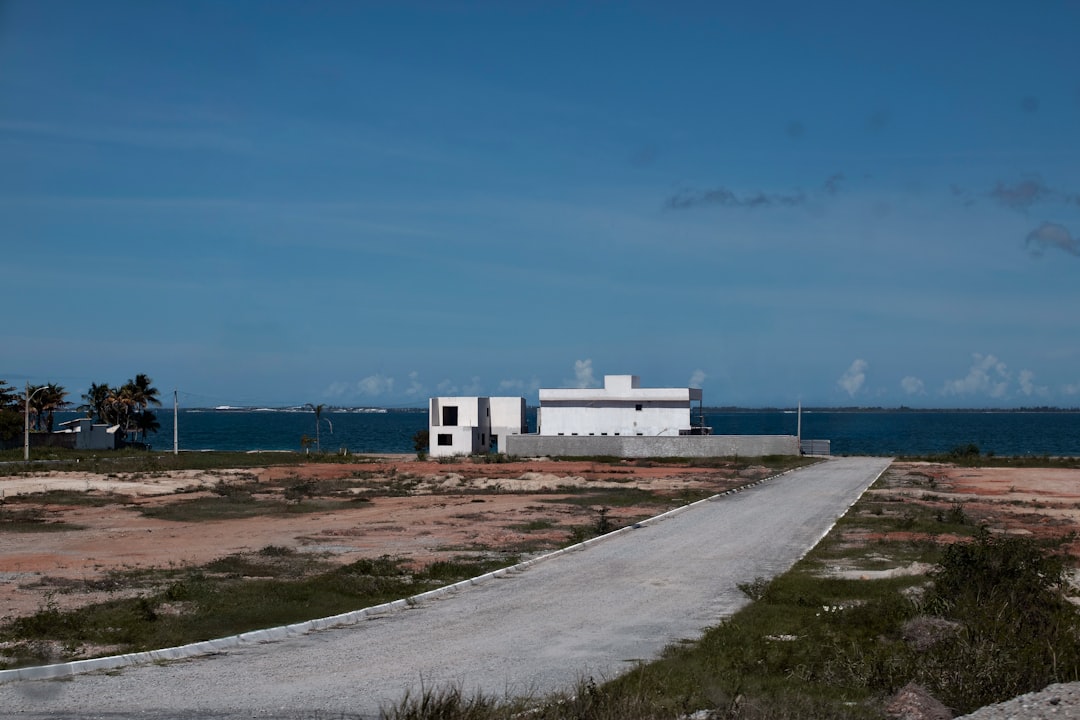
Bikini Atoll, a remote group of islands in the Marshall Islands, is often recognized for its striking beauty and rich marine biodiversity. However, its history is marred by the catastrophic effects of nuclear testing conducted by the United States during the mid-20th century. The atoll consists of 36 islands and islets, encircled by a lagoon that is home to vibrant coral reefs and a plethora of marine life.
Despite its picturesque landscape, Bikini Atoll serves as a poignant reminder of the destructive power of nuclear weapons and the long-lasting consequences of human intervention in nature. The atoll gained international notoriety in 1946 when it became the site of the first post-World War II nuclear tests. The U.S.
government selected Bikini for its strategic location and relatively uninhabited status, believing it to be an ideal testing ground for atomic bombs. The tests conducted here not only altered the physical landscape but also had profound implications for the local population and the environment. As such, Bikini Atoll stands as a symbol of both natural beauty and human folly, encapsulating the duality of progress and destruction.
Key Takeaways
- Bikini Atoll, a remote island in the Pacific, was the site of extensive nuclear testing by the United States in the mid-20th century.
- The nuclear testing had devastating impacts on the environment and the health of the residents, leading to their displacement from their ancestral homeland.
- Efforts to recover and restore the environment at Bikini Atoll have been ongoing, with international organizations playing a key role in these efforts.
- Despite recovery efforts, Bikini Atoll still faces environmental challenges, and its cultural and historical significance remains a key aspect of its legacy.
- The legacy of Bikini Atoll has had a significant impact on global nuclear policy, serving as a cautionary tale for the dangers of nuclear testing and the importance of environmental and cultural preservation.
The Impact of Nuclear Testing on Bikini Atoll
The nuclear tests at Bikini Atoll had devastating effects on both the environment and the health of its inhabitants. Between 1946 and 1958, the U.S. conducted 23 nuclear detonations in the area, including the infamous “Castle Bravo” test, which was the largest nuclear explosion ever detonated by the United States.
This test alone released a yield equivalent to 15 megatons of TNT, resulting in widespread radioactive contamination that affected not only Bikini but also neighboring islands. The fallout from these tests rendered large areas uninhabitable and caused significant ecological damage, disrupting marine ecosystems and leading to long-term health risks for those exposed to radiation. The immediate aftermath of the tests was catastrophic.
The once-thriving coral reefs were severely damaged, and many species of fish and other marine life were either killed or displaced. The lagoon, which had been a source of sustenance for the local population, became tainted with radioactive materials, leading to concerns about food safety and health risks associated with consuming contaminated fish. The environmental impact was not limited to the immediate vicinity; it extended far beyond, affecting ocean currents and ecosystems across the Pacific region.
The Displacement of the Bikini Atoll residents
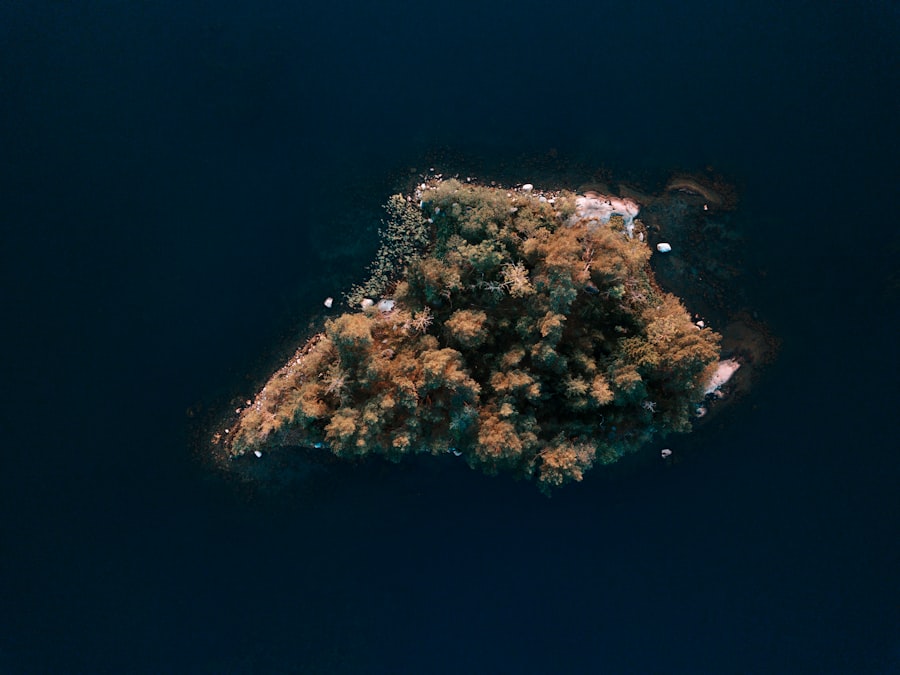
The residents of Bikini Atoll faced forced displacement as a direct consequence of the nuclear testing program. In 1946, prior to the commencement of tests, the U.S. government relocated approximately 167 inhabitants to other islands in the Marshall Islands, promising them that they would eventually return home once it was deemed safe.
However, this promise proved hollow as years turned into decades without any viable return plan. The displacement not only severed their connection to their ancestral land but also disrupted their traditional way of life, leading to cultural dislocation and loss. The psychological toll on the Bikini people was profound.
Many residents experienced a deep sense of loss and grief as they were uprooted from their homes, which held significant cultural and spiritual value. The relocation process was fraught with challenges; families were scattered across different islands, and they struggled to adapt to new environments that lacked the resources they had relied upon for generations. The ongoing uncertainty about their future compounded their distress, as they were left in limbo without clear communication from authorities regarding their potential return.
The Environmental Recovery Efforts at Bikini Atoll
| Environmental Recovery Efforts at Bikini Atoll | |
|---|---|
| Location | Bikini Atoll, Marshall Islands |
| Radioactive Contamination | High levels due to nuclear testing in the 1940s and 1950s |
| Environmental Impact | Damage to marine life and coral reefs |
| Recovery Initiatives | Removal of radioactive debris, coral transplantation, and monitoring of marine life |
| Current Status | Ongoing efforts to restore the ecosystem and promote environmental recovery |
In response to the extensive environmental damage caused by nuclear testing, various recovery efforts have been initiated over the years. Scientists and environmentalists have worked diligently to assess the extent of contamination and develop strategies for rehabilitation. One significant initiative has been the monitoring of radiation levels in soil and water, which has provided crucial data for understanding the long-term effects of nuclear fallout on the ecosystem.
Efforts have also focused on restoring marine habitats that were devastated by the tests. Coral restoration projects have been implemented to promote regrowth and resilience in affected areas.
While progress has been made, challenges remain, as some areas continue to exhibit elevated radiation levels that pose risks to both human health and marine life.
The Role of International Organizations in the Recovery of Bikini Atoll
International organizations have played a pivotal role in supporting recovery efforts at Bikini Atoll. Agencies such as the United Nations Development Programme (UNDP) and various non-governmental organizations have collaborated with local communities to address environmental concerns and promote sustainable development. These organizations have provided technical expertise, funding, and resources necessary for conducting environmental assessments and implementing recovery projects.
Additionally, international advocacy has helped raise awareness about the plight of Bikini Atoll residents and their ongoing struggles for justice and recognition. Efforts to document their experiences have garnered global attention, leading to increased pressure on governments to take responsibility for past actions and support affected communities. Through these collaborative efforts, there is hope for a more sustainable future for Bikini Atoll and its people.
The Current Environmental State of Bikini Atoll
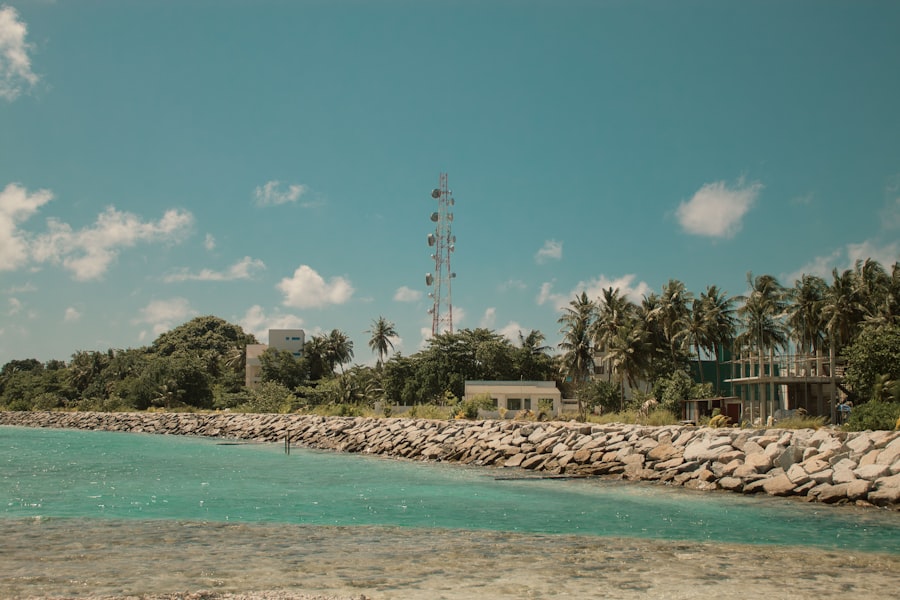
Today, Bikini Atoll remains a complex tapestry of recovery and ongoing challenges. While some areas have shown signs of ecological resilience, others continue to grapple with contamination issues stemming from decades-old nuclear tests. Monitoring programs are in place to track radiation levels in both soil and marine environments, providing valuable insights into the long-term effects of nuclear fallout.
Despite these challenges, there are glimmers of hope as scientists observe gradual recovery in certain marine species and habitats. Coral reefs are beginning to regenerate in some areas, indicating that nature has an incredible capacity for healing when given time and protection. However, concerns about climate change and rising sea levels add another layer of complexity to recovery efforts, as these factors threaten not only the ecological balance but also the very existence of low-lying island nations like those in the Marshall Islands.
The Cultural and Historical Significance of Bikini Atoll
Bikini Atoll holds immense cultural and historical significance for its indigenous people. For centuries, it served as a vital center for fishing, agriculture, and cultural practices among the Marshallese people. The displacement caused by nuclear testing severed these deep-rooted connections to land and tradition, leading to a loss of cultural identity that continues to resonate today.
Efforts are underway to preserve and revitalize Bikini culture through education and community engagement initiatives. Local leaders are working tirelessly to document oral histories, traditional practices, and languages that risk being forgotten due to displacement. By fostering a sense of pride in their heritage, residents aim to reclaim their identity while advocating for recognition and reparations from those responsible for their suffering.
The Future of Bikini Atoll
The future of Bikini Atoll remains uncertain but filled with potential for renewal and resilience. As environmental recovery efforts continue, there is hope that sustainable practices can be integrated into local economies, allowing residents to thrive while respecting their cultural heritage. Initiatives focused on ecotourism may provide new opportunities for economic development while promoting awareness about the historical significance of the atoll.
Moreover, ongoing dialogue about nuclear disarmament and environmental justice can serve as a platform for advocating for affected communities worldwide. By sharing their experiences, residents can contribute valuable insights into global discussions about nuclear policy and environmental stewardship, ensuring that lessons learned from Bikini Atoll resonate far beyond its shores.
The Lessons Learned from Bikini Atoll
Bikini Atoll serves as a powerful case study highlighting the consequences of nuclear testing on both human populations and ecosystems. It underscores the importance of considering long-term impacts when making decisions about military actions or technological advancements. The experiences of Bikini residents remind us that progress should never come at the expense of vulnerable communities or fragile environments.
Furthermore, Bikini Atoll emphasizes the need for accountability in international relations. As nations navigate complex geopolitical landscapes, it is crucial to prioritize ethical considerations over strategic interests. The lessons learned from this tragic chapter in history can inform future policies aimed at preventing similar injustices from occurring elsewhere.
The Impact of Bikini Atoll on Global Nuclear Policy
The legacy of Bikini Atoll has had far-reaching implications for global nuclear policy discussions. The visible consequences of nuclear testing have spurred movements advocating for disarmament and stricter regulations surrounding nuclear weapons development. As nations grapple with the realities of nuclear proliferation, Bikini serves as a stark reminder of what is at stake when such powerful technologies are wielded without regard for human life or environmental integrity.
In addition to influencing policy debates, Bikini Atoll has become a symbol for anti-nuclear activism worldwide. Its story resonates with those advocating for peace and justice, inspiring generations to challenge militarism and demand accountability from governments responsible for past atrocities.
The Ongoing Legacy of Bikini Atoll
The ongoing legacy of Bikini Atoll is one marked by resilience amidst adversity. While its history is fraught with pain and loss due to nuclear testing, it also embodies hope for recovery and renewal through collective action and advocacy. As efforts continue to restore both the environment and cultural identity of its people, Bikini Atoll stands as a testament to humanity’s capacity for healing.
Ultimately, Bikini Atoll serves as a reminder that our choices today will shape tomorrow’s world—both environmentally and socially. By learning from its past mistakes while honoring its rich cultural heritage, there is potential not only for healing but also for forging a more just future where communities can thrive in harmony with nature once again.
Bikini Atoll, a site infamous for its nuclear testing during the mid-20th century, remains a poignant reminder of the environmental and human impacts of nuclear experimentation. The atoll, part of the Marshall Islands, was subjected to 23 nuclear tests by the United States between 1946 and 1958, leading to significant radioactive contamination and the displacement of its indigenous population. For those interested in exploring more about the geographical and historical significance of such sites, a related article can be found on MyGeoQuest. This resource delves into various geographical locations and their historical contexts, providing a broader understanding of how places like Bikini Atoll fit into global narratives. You can read more about it by visiting MyGeoQuest.
FAQs
What is Bikini Atoll?
Bikini Atoll is a coral reef in the Marshall Islands that was used as a nuclear test site by the United States between 1946 and 1958.
How many nuclear tests were conducted at Bikini Atoll?
A total of 23 nuclear tests were conducted at Bikini Atoll, including the famous “Castle Bravo” test in 1954, which was the largest nuclear test conducted by the United States.
What was the impact of the nuclear tests on Bikini Atoll?
The nuclear tests caused widespread environmental and human health impacts on Bikini Atoll. The local population was relocated and has not been able to return due to the lingering radiation.
Is Bikini Atoll safe to visit now?
Bikini Atoll is still considered to be unsafe for human habitation due to the lingering radiation from the nuclear tests. It is not recommended to visit without proper authorization and precautions.
What is being done to clean up Bikini Atoll?
Efforts have been made to clean up and decontaminate Bikini Atoll, but the process has been slow and challenging due to the extent of the contamination. The local government and international organizations continue to work on remediation efforts.