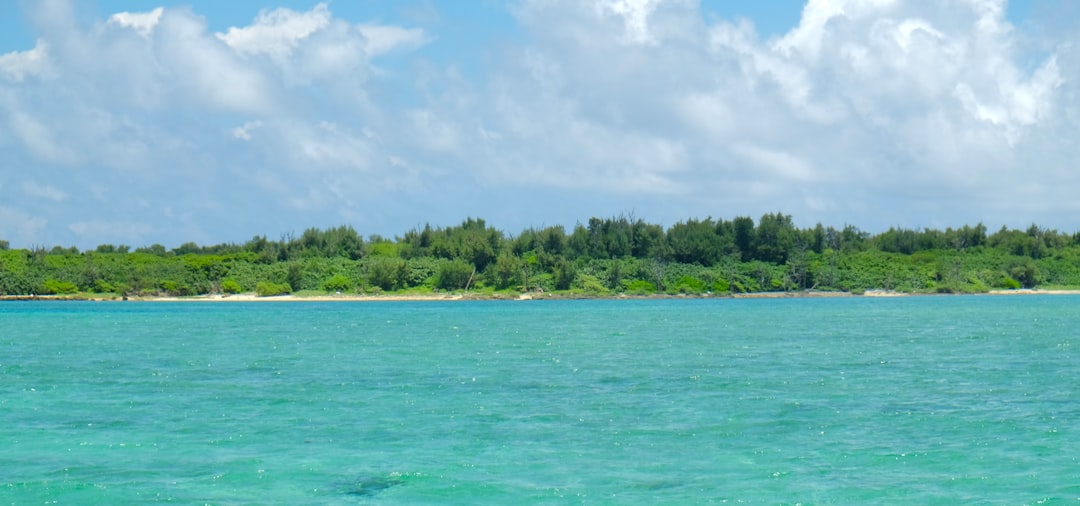
Bikini Atoll, a remote group of islands in the Marshall Islands, is often recognized for its striking beauty and serene landscapes. Comprising 36 islands and islets, this atoll is encircled by a vibrant lagoon that teems with marine life. The picturesque scenery, characterized by white sandy beaches and crystal-clear waters, belies the tumultuous history that has unfolded in this seemingly idyllic location.
Once a peaceful haven for the indigenous Bikinian people, the atoll has become synonymous with nuclear testing and environmental devastation, leaving an indelible mark on both the land and its inhabitants. The allure of Bikini Atoll extends beyond its natural beauty; it serves as a poignant reminder of humanity’s complex relationship with nature and technology. The juxtaposition of its tranquil environment against the backdrop of nuclear experimentation raises critical questions about the consequences of scientific advancement and the ethical responsibilities that accompany it.
As the world grapples with the legacy of nuclear power, Bikini Atoll stands as a testament to both human ingenuity and folly, inviting reflection on the lessons learned from its past.
Key Takeaways
- Bikini Atoll is a remote island in the Pacific Ocean, known for being the site of nuclear testing by the United States in the mid-20th century.
- The history of Bikini Atoll is deeply intertwined with the nuclear tests conducted by the United States between 1946 and 1958, which had devastating consequences for the environment and the local population.
- The nuclear tests at Bikini Atoll had severe environmental impacts, including radiation contamination of the land, water, and marine life, leading to long-term health risks for the inhabitants and ecosystem.
- The human cost of the nuclear tests at Bikini Atoll was significant, with the local population being displaced from their homeland and suffering from health issues due to exposure to radiation.
- The displacement of the Bikinian people from their ancestral land due to the nuclear tests has had long-lasting social, cultural, and economic impacts on their community.
The History of Bikini Atoll
The history of Bikini Atoll is rich and multifaceted, deeply intertwined with the lives of its original inhabitants. The Bikinian people, who have lived on these islands for centuries, cultivated a culture steeped in tradition and connection to their environment. Their way of life was intricately linked to the land and sea, relying on fishing, farming, and communal practices that fostered a strong sense of community.
However, this harmonious existence was disrupted in the mid-20th century when geopolitical tensions escalated following World War
In 1946, the United States government selected Bikini Atoll as a site for nuclear testing, marking a significant turning point in its history. The decision was made without the consent of the Bikinian people, who were forcibly relocated to other islands under the pretext of national security. This marked the beginning of a long and painful chapter for the inhabitants of Bikini Atoll, as their ancestral home was transformed into a testing ground for some of the most powerful weapons ever created.
The historical significance of this decision reverberates through time, shaping not only the fate of the Bikinian people but also influencing global attitudes toward nuclear power and warfare.
The Bikini Atoll Nuclear Tests
| Event | Date | Location | Yield (TNT) |
|---|---|---|---|
| Operation Crossroads | 1946 | Bikini Atoll | 23 kilotons |
| Operation Castle | 1954 | Bikini Atoll | 15 megatons |
| Operation Hardtack I | 1958 | Bikini Atoll | 8.9 megatons |
The nuclear tests conducted at Bikini Atoll began in 1946 and continued into the 1950s, with a total of 23 detonations taking place in this isolated region. These tests were part of a broader strategy by the United States to demonstrate its military might during the Cold War era. The first test, known as Operation Crossroads, aimed to assess the effects of nuclear weapons on naval vessels.
The spectacle drew international attention, with journalists and military personnel witnessing the explosions from a safe distance. However, what was initially perceived as a scientific endeavor soon revealed itself to be a harbinger of destruction. The tests at Bikini Atoll were not merely isolated events; they represented a significant escalation in nuclear arms development.
The most infamous of these detonations was the Castle Bravo test in 1954, which yielded an explosion far more powerful than anticipated. The fallout from this test contaminated not only the surrounding environment but also affected nearby islands and even Japanese fishing vessels hundreds of miles away. The sheer scale of destruction caused by these tests underscored the devastating potential of nuclear weapons and raised urgent questions about their ethical implications.
The Environmental Impact of the Nuclear Tests
The environmental impact of the nuclear tests at Bikini Atoll has been profound and long-lasting. The detonation of nuclear devices released vast amounts of radioactive materials into the atmosphere, contaminating both land and sea. The once-pristine waters of the lagoon became tainted with radioactive isotopes, posing significant risks to marine life and ecosystems.
Coral reefs, which are vital to maintaining biodiversity, suffered extensive damage from the blasts and subsequent fallout. In addition to immediate destruction, the long-term consequences of radiation exposure have continued to affect the environment. Studies have shown that certain areas within the atoll remain hazardous due to lingering radioactivity, making them unsafe for human habitation or agricultural use.
The delicate balance of life that once thrived in Bikini Atoll has been disrupted, leading to a decline in fish populations and other marine species. This environmental degradation serves as a stark reminder of the far-reaching effects of human actions on nature.
The Human Cost of the Nuclear Tests

The human cost associated with the nuclear tests at Bikini Atoll is immeasurable. The Bikinian people were forcibly removed from their homeland, stripped of their cultural heritage and connection to their ancestral land. This displacement not only disrupted their way of life but also led to psychological trauma that has persisted across generations.
Many Bikinian families were relocated to other islands where they faced challenges in adapting to new environments and lifestyles. Moreover, those who returned to Bikini Atoll after initial testing were met with dire consequences. Exposure to radiation resulted in health issues such as cancer and other illnesses among both former residents and those involved in cleanup efforts.
The U.
government’s response to these health crises has been criticized for its inadequacy, leaving many survivors without proper medical care or compensation for their suffering. The human toll of these tests highlights the ethical dilemmas surrounding nuclear experimentation and raises questions about accountability for those affected.
The Displacement of the Bikinian People
The displacement of the Bikinian people is one of the most tragic aspects of Bikini Atoll’s history. In 1946, when they were ordered to evacuate their islands for nuclear testing, they were promised that they would eventually be able to return home. However, this promise proved hollow as years turned into decades without any resolution.
Families were relocated to other islands such as Kili and Ejit, where they struggled to adapt to unfamiliar environments and lifestyles. The psychological impact of this forced relocation cannot be overstated. Many Bikinian people experienced profound grief over losing their homes and cultural identity.
Traditional practices tied to their land were disrupted, leading to a loss of community cohesion and cultural continuity. As time passed, feelings of resentment grew towards the U.S. government for its role in their displacement and for failing to provide adequate support or compensation for their suffering.
The Irony of Bikini Atoll as a Nuclear Testing Site
The irony surrounding Bikini Atoll as a nuclear testing site is striking. Once celebrated for its natural beauty and cultural significance, it became a symbol of destruction and environmental degradation due to human intervention. The very name “Bikini” has become synonymous with nuclear testing, overshadowing its rich cultural heritage and history as a peaceful community.
This irony extends beyond mere nomenclature; it reflects broader themes about humanity’s relationship with nature and technology. The decision to use such a beautiful location for destructive purposes raises questions about ethical responsibility in scientific endeavors. As society continues to grapple with advancements in technology and energy production, Bikini Atoll serves as a cautionary tale about prioritizing progress over preservation.
The Current State of Bikini Atoll
Today, Bikini Atoll remains largely uninhabited due to its contaminated environment and lingering radiation concerns. While some areas have been deemed safe for limited visits, much of the atoll is still considered hazardous for human habitation. The once-thriving community has been reduced to a ghostly reminder of what once was—a place where vibrant culture met tragic fate.
Despite its desolation, Bikini Atoll has garnered interest from researchers and environmentalists seeking to understand the long-term effects of nuclear testing on ecosystems. Studies continue to reveal insights into how nature can recover from such devastation, albeit slowly and unevenly. The atoll’s current state serves as both a warning about the consequences of human actions and an opportunity for reflection on environmental stewardship.
Efforts to Clean Up Bikini Atoll
Efforts to clean up Bikini Atoll have been ongoing since the conclusion of nuclear testing in the 1950s. Various initiatives have aimed at assessing contamination levels and restoring affected areas to make them safe for habitation once again. In 1978, the U.S. government established a program focused on monitoring radiation levels and conducting cleanup operations on contaminated sites. However, these efforts have faced numerous challenges over the years due to limited funding and complex logistical issues associated with cleanup operations in remote locations. While some progress has been made in decontaminating certain areas, significant work remains before Bikini Atoll can be considered safe for resettlement by its original inhabitants or future generations.
The Legacy of Bikini Atoll
The legacy of Bikini Atoll is multifaceted, encompassing themes of resilience, loss, and cautionary tales about humanity’s relationship with technology. For the Bikinian people, their history is marked by displacement and struggle but also by an enduring spirit that seeks recognition and justice for their plight. Their story serves as a powerful reminder of the human cost associated with scientific experimentation gone awry.
On a broader scale, Bikini Atoll has become emblematic of global discussions surrounding nuclear energy and warfare. It stands as a testament to both human ingenuity in harnessing atomic power and folly in wielding it without regard for consequences. As nations continue to navigate complex geopolitical landscapes involving nuclear capabilities, lessons learned from Bikini Atoll remain relevant today.
Lessons to be Learned from Bikini Atoll
In conclusion, Bikini Atoll offers profound lessons about humanity’s relationship with nature, technology, and ethical responsibility. Its transformation from a peaceful haven into a site of destruction underscores the need for careful consideration when pursuing scientific advancements that carry significant risks. The experiences of the Bikinian people remind us that progress should never come at the expense of cultural heritage or human dignity.
As society moves forward into an era increasingly defined by technological innovation, it is crucial to reflect on past mistakes like those made at Bikini Atoll.
The story of Bikini Atoll is steeped in irony, as it is a place where the beauty of nature starkly contrasts with its history of nuclear testing. This paradox is further explored in a related article on MyGeoQuest, which delves into the environmental and cultural impacts of such testing on the atoll. The article provides a comprehensive look at how the island’s past has shaped its present, offering insights into the resilience of both the natural world and the communities affected by these historical events.
FAQs
What is Bikini Atoll?
Bikini Atoll is a small, circular coral atoll in the Pacific Ocean, part of the Marshall Islands. It is known for its role in nuclear testing during the mid-20th century.
Why is there irony associated with Bikini Atoll?
The irony of Bikini Atoll lies in the fact that it was once a paradise for the local inhabitants, but it became the site of extensive nuclear testing by the United States, leading to the displacement of the indigenous people and long-lasting environmental and health consequences.
When did the United States conduct nuclear testing at Bikini Atoll?
The United States conducted a series of nuclear tests at Bikini Atoll between 1946 and 1958, as part of its nuclear weapons development program.
What were the effects of the nuclear testing on Bikini Atoll?
The nuclear testing at Bikini Atoll resulted in widespread environmental contamination, including radioactive fallout and the displacement of the local population. The atoll remains uninhabitable due to high levels of radiation.
What is the current status of Bikini Atoll?
Bikini Atoll is still considered unsafe for human habitation due to the lingering effects of nuclear testing. The local population has not been able to return to their homeland, and efforts to clean up the contamination have been ongoing.