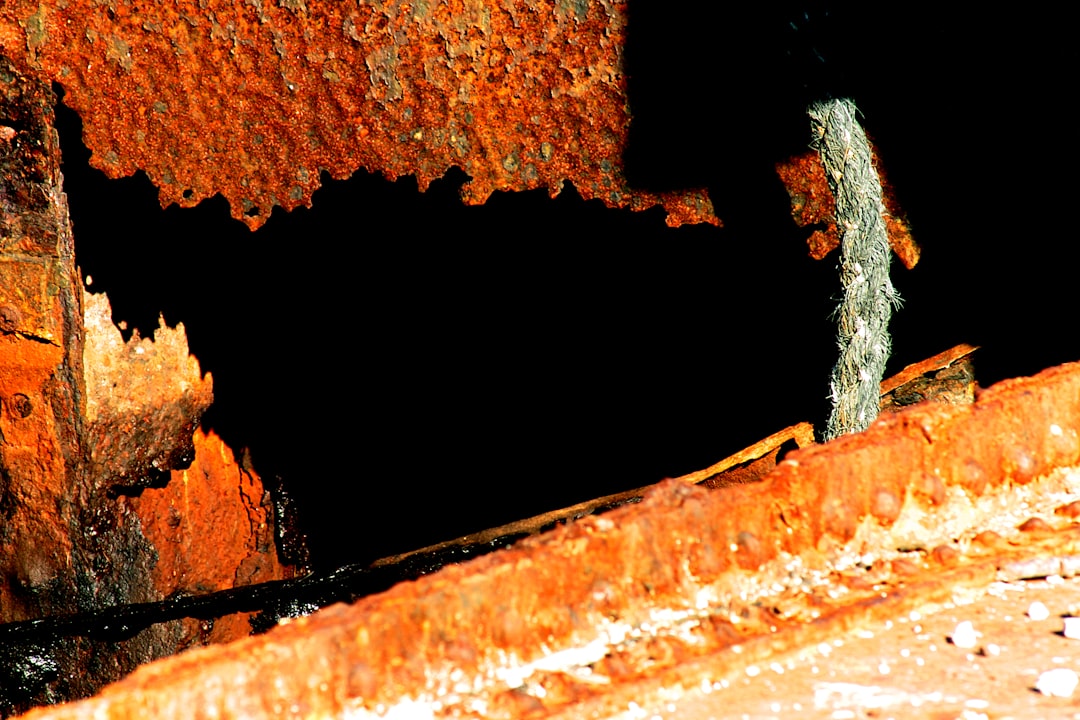
Corrosion is a natural process that involves the deterioration of materials, particularly metals, due to chemical reactions with their environment.
The most common types of corrosion encountered in water systems include uniform corrosion, pitting corrosion, and galvanic corrosion.
Each type presents unique challenges and can significantly affect the integrity of pipes, tanks, and other infrastructure components. Understanding the mechanisms behind these corrosion processes is crucial for developing effective strategies to mitigate their impact. The factors contributing to corrosion in water systems are multifaceted.
Water chemistry plays a pivotal role; for instance, the pH level, temperature, and concentration of dissolved oxygen can all influence the rate at which corrosion occurs. Additionally, the presence of aggressive ions such as chloride can exacerbate the deterioration of metal surfaces. Furthermore, biological factors, including microbial activity, can lead to bio-corrosion, where bacteria produce corrosive byproducts that further compromise material integrity.
Recognizing these variables is essential for water system operators and engineers to implement appropriate corrosion control measures.
Key Takeaways
- Corrosion significantly affects water quality and infrastructure longevity in water systems.
- Implementing corrosion control methods is essential for maintaining safe drinking water and industrial water systems.
- Corrosion inhibitors and regular monitoring play a critical role in effective water treatment and system maintenance.
- Proper corrosion control offers both environmental protection and economic savings by reducing damage and repair costs.
- Compliance with regulatory requirements and best practices ensures successful corrosion management in water distribution networks.
The Impact of Corrosion on Water Quality
Corrosion not only threatens the structural integrity of water systems but also poses significant risks to water quality. As metals corrode, they can release harmful substances into the water supply, including lead, copper, and other heavy metals. These contaminants can have serious health implications for consumers, particularly vulnerable populations such as children and pregnant women.
The leaching of these metals into drinking water can lead to acute and chronic health issues, making it imperative for water utilities to monitor and manage corrosion effectively. Moreover, corrosion can lead to aesthetic problems in water quality. Discoloration, unpleasant tastes, and odors can arise from corroded pipes and fixtures, leading to consumer dissatisfaction and loss of trust in public water systems.
The presence of rust particles and other corrosion byproducts can also contribute to the formation of biofilms within distribution systems, further complicating water quality issues. Therefore, addressing corrosion is not only a matter of infrastructure maintenance but also a critical public health concern that requires ongoing attention and resources.
The Importance of Corrosion Control in Infrastructure Maintenance
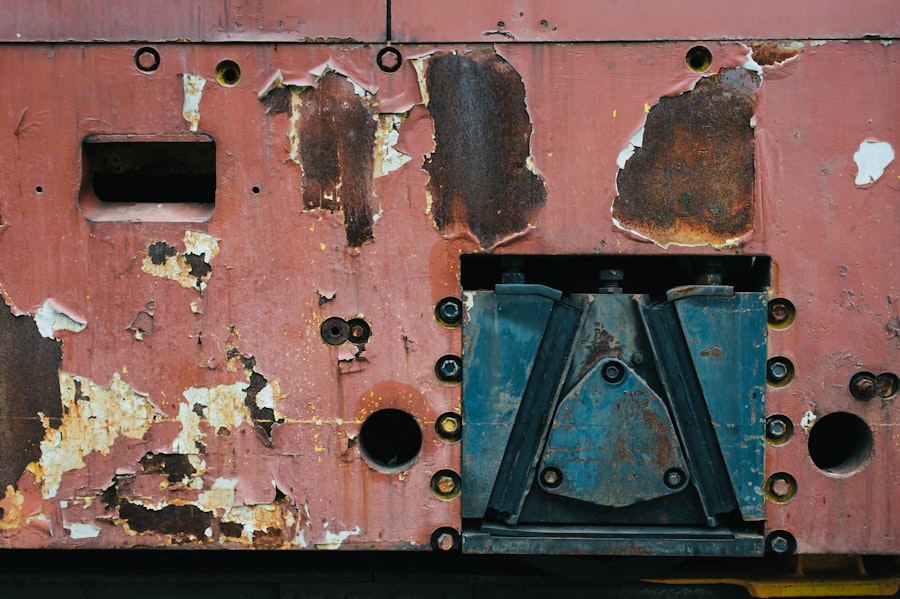
The maintenance of water infrastructure is a vital aspect of ensuring reliable service delivery and safeguarding public health. Corrosion control plays a central role in this maintenance strategy. By implementing effective corrosion management practices, water utilities can extend the lifespan of their assets, reduce repair costs, and minimize service disruptions.
This proactive approach not only enhances the reliability of water systems but also contributes to overall operational efficiency. Furthermore, the economic implications of neglecting corrosion control can be substantial. The costs associated with repairing or replacing corroded infrastructure can quickly escalate, burdening municipalities and taxpayers alike.
In contrast, investing in corrosion prevention measures can yield significant long-term savings by reducing the frequency and severity of infrastructure failures. As such, water utilities must prioritize corrosion control as an integral component of their asset management strategies to ensure sustainable and resilient water systems.
Corrosion Control Methods for Water Systems
| Corrosion Control Method | Description | Effectiveness | Common Applications | Advantages | Disadvantages |
|---|---|---|---|---|---|
| pH Adjustment | Altering water pH to reduce corrosiveness | Moderate to High | Potable water systems, cooling towers | Simple, cost-effective | May require continuous monitoring |
| Corrosion Inhibitors | Chemicals added to water to form protective films | High | Industrial water systems, boilers | Effective at low concentrations | Potential environmental impact |
| Material Selection | Using corrosion-resistant materials like stainless steel | High | Piping, tanks, fittings | Long-term durability | Higher initial cost |
| Protective Coatings | Applying paints or linings to prevent metal exposure | Moderate to High | Storage tanks, pipelines | Prevents direct contact with water | Requires maintenance and inspection |
| Cathodic Protection | Applying electrical current to prevent corrosion | High | Underground pipelines, storage tanks | Effective for buried or submerged structures | Complex installation and monitoring |
| Water Softening | Removing hardness ions to reduce scale and corrosion | Moderate | Boiler feedwater, cooling systems | Reduces scale formation | Does not prevent all types of corrosion |
Various methods exist for controlling corrosion in water systems, each tailored to specific conditions and materials. One common approach is the use of protective coatings that create a barrier between the metal surface and the corrosive environment. These coatings can be applied to pipes and tanks during installation or as part of maintenance activities.
Additionally, cathodic protection is another widely used technique that involves applying a small electrical current to counteract the electrochemical reactions that cause corrosion. Another effective method for controlling corrosion is the adjustment of water chemistry. By modifying parameters such as pH levels and alkalinity, water utilities can create conditions that are less conducive to corrosion.
For instance, maintaining a slightly alkaline pH can help reduce the solubility of certain metals and minimize their leaching into the water supply. Furthermore, the use of corrosion inhibitors—chemicals that slow down the corrosion process—can be integrated into treatment protocols to enhance protection against deterioration.
Preventing Corrosion in Drinking Water Distribution Systems
Preventing corrosion in drinking water distribution systems requires a multifaceted approach that encompasses both design considerations and operational practices. One key strategy is selecting appropriate materials for pipes and fittings that are resistant to corrosion. For example, using plastic or composite materials instead of traditional metals can significantly reduce the risk of corrosion-related issues.
Regular monitoring and maintenance are also critical components of a successful prevention strategy. Water utilities should conduct routine inspections to identify early signs of corrosion and address them promptly before they escalate into more significant problems. Implementing a comprehensive asset management plan that includes corrosion risk assessments can help prioritize maintenance activities based on the condition and age of infrastructure components.
Corrosion Control in Industrial Water Systems
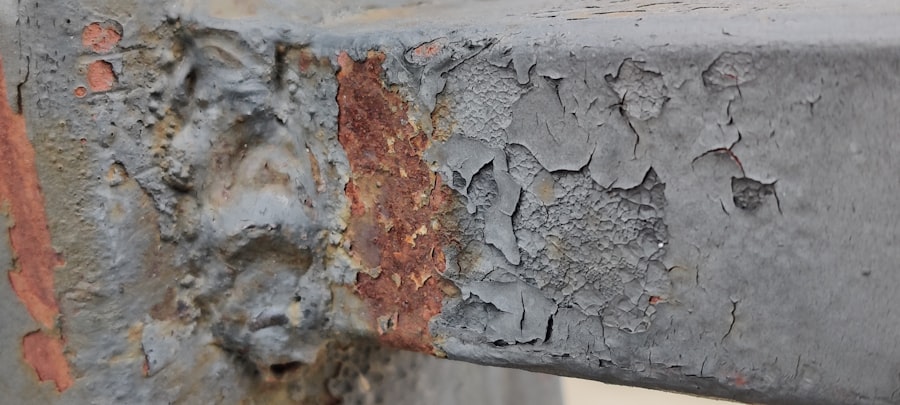
In industrial settings, where water systems often operate under more aggressive conditions than municipal systems, corrosion control becomes even more critical. Industries such as manufacturing, power generation, and food processing rely heavily on water for various processes, making the integrity of their water systems paramount. The consequences of corrosion in these environments can be severe, leading to production downtime, equipment failures, and costly repairs.
To effectively manage corrosion in industrial water systems, operators must adopt tailored strategies that consider the specific challenges posed by their processes. This may include implementing advanced monitoring technologies that provide real-time data on corrosion rates and system conditions. Additionally, regular training for personnel on best practices for corrosion management can foster a culture of awareness and proactive maintenance within industrial facilities.
The Role of Corrosion Inhibitors in Water Treatment
Corrosion inhibitors play a vital role in protecting water systems from deterioration by chemically altering the environment in which corrosion occurs. These substances work by forming a protective film on metal surfaces or by interfering with the electrochemical reactions that lead to corrosion. In many cases, they are added during the water treatment process to enhance the overall effectiveness of corrosion control measures.
The selection of appropriate corrosion inhibitors depends on various factors, including the type of metal being protected, the specific water chemistry, and regulatory considerations. Some inhibitors are designed for use in drinking water systems and must meet stringent safety standards to ensure they do not pose health risks to consumers. Others may be more suitable for industrial applications where different performance criteria apply.
Understanding these nuances is essential for water treatment professionals tasked with implementing effective corrosion management strategies.
Corrosion Monitoring and Inspection in Water Systems
Effective corrosion management relies heavily on robust monitoring and inspection practices. Regular assessments allow utilities to identify potential issues before they escalate into significant problems that could compromise system integrity or public health. Various techniques are employed for monitoring corrosion rates, including electrochemical methods, visual inspections, and non-destructive testing technologies.
Data collected from monitoring efforts can inform decision-making regarding maintenance schedules and necessary interventions. For instance, if monitoring reveals elevated corrosion rates in specific sections of a distribution system, targeted repairs or upgrades may be warranted to prevent further deterioration. By integrating monitoring into routine operations, water utilities can enhance their ability to respond proactively to corrosion-related challenges.
Environmental and Economic Benefits of Corrosion Control
The benefits of effective corrosion control extend beyond infrastructure maintenance; they also encompass environmental sustainability and economic efficiency. By reducing the frequency of leaks and failures associated with corroded pipes, utilities can minimize water loss—a critical concern in regions facing water scarcity. This conservation effort not only preserves valuable resources but also reduces energy consumption associated with treating and distributing additional water supplies.
Economically, investing in corrosion control measures can yield significant returns over time. By extending the lifespan of infrastructure assets and reducing repair costs, utilities can allocate resources more effectively while maintaining service reliability. Furthermore, improved water quality resulting from effective corrosion management enhances public trust in municipal services, fostering community support for future investments in infrastructure improvements.
Regulatory Requirements for Corrosion Control in Water Systems
Regulatory frameworks governing water quality often include specific requirements related to corrosion control measures. Agencies such as the Environmental Protection Agency (EPA) in the United States set standards aimed at protecting public health by limiting contaminants associated with corroded materials. Compliance with these regulations necessitates that water utilities implement effective monitoring and management strategies to mitigate corrosion risks.
In addition to federal regulations, many states have their own guidelines that further delineate best practices for corrosion control in drinking water systems. Utilities must stay informed about these evolving requirements to ensure compliance while safeguarding public health and environmental integrity. Failure to adhere to regulatory standards can result in penalties or legal repercussions, underscoring the importance of proactive management efforts.
Best Practices for Implementing Corrosion Control Measures
Implementing effective corrosion control measures requires a comprehensive approach that encompasses planning, execution, and ongoing evaluation. Best practices include conducting thorough assessments of existing infrastructure to identify vulnerabilities and prioritize maintenance activities accordingly. Engaging stakeholders—such as engineers, operators, and regulatory agencies—in this process fosters collaboration and ensures that diverse perspectives are considered.
Training personnel on best practices for corrosion management is also essential for successful implementation. Regular workshops or training sessions can equip staff with the knowledge needed to recognize early signs of corrosion and respond appropriately. Additionally, establishing clear communication channels within organizations facilitates information sharing regarding emerging technologies or strategies that may enhance corrosion control efforts.
In conclusion, addressing corrosion in water systems is a multifaceted challenge that requires ongoing attention from utilities and stakeholders alike. By understanding the mechanisms behind corrosion, its impact on water quality, and effective control methods, organizations can develop robust strategies that protect both infrastructure integrity and public health. Through proactive monitoring, regulatory compliance, and best practices implementation, utilities can ensure sustainable management of their water systems while reaping environmental and economic benefits.
Corrosion control in water systems is essential for maintaining the integrity of pipes and ensuring safe drinking water. One related article that delves deeper into this topic is available at this link. It discusses various methods and technologies used to mitigate corrosion, highlighting the importance of regular monitoring and maintenance in water distribution systems.
WATCH THIS! The $100 Billion Lie: America’s Water System Is About to Poison Every Major City
FAQs
What is corrosion control in water?
Corrosion control in water refers to the methods and processes used to prevent or reduce the deterioration of metal pipes, fixtures, and infrastructure caused by chemical reactions with water and its constituents.
Why is corrosion control important in water systems?
Corrosion control is important because it helps maintain the integrity and safety of water distribution systems, prevents leaks and pipe failures, reduces maintenance costs, and ensures the water remains safe for consumption.
What causes corrosion in water systems?
Corrosion in water systems is primarily caused by chemical reactions between metals and water, often accelerated by factors such as pH levels, dissolved oxygen, temperature, water velocity, and the presence of corrosive ions like chloride and sulfate.
What are common methods of corrosion control in water?
Common methods include adjusting water chemistry (pH and alkalinity), adding corrosion inhibitors (such as orthophosphates), using protective linings inside pipes, cathodic protection, and selecting corrosion-resistant materials.
How does adjusting pH help in corrosion control?
Adjusting the pH to a neutral or slightly alkaline level reduces the corrosiveness of water by minimizing the solubility of metal ions and forming protective oxide layers on pipe surfaces.
What role do corrosion inhibitors play in water treatment?
Corrosion inhibitors, like orthophosphates, form a protective film on the interior surfaces of pipes, which helps prevent metal dissolution and reduces the release of metals such as lead and copper into the water.
Can corrosion affect water quality?
Yes, corrosion can lead to the leaching of metals like lead, copper, and iron into the water, which can pose health risks and affect the taste, color, and odor of the water.
Is corrosion control required by regulations?
Many regulatory agencies require corrosion control measures to ensure safe drinking water and to minimize the release of harmful metals from plumbing systems.
How is corrosion monitored in water systems?
Corrosion is monitored through water quality testing for parameters like pH, alkalinity, metal concentrations, and by inspecting pipes for signs of deterioration or leaks.
Can corrosion control extend the lifespan of water infrastructure?
Yes, effective corrosion control can significantly extend the lifespan of water pipes and infrastructure by preventing or slowing down the degradation process.