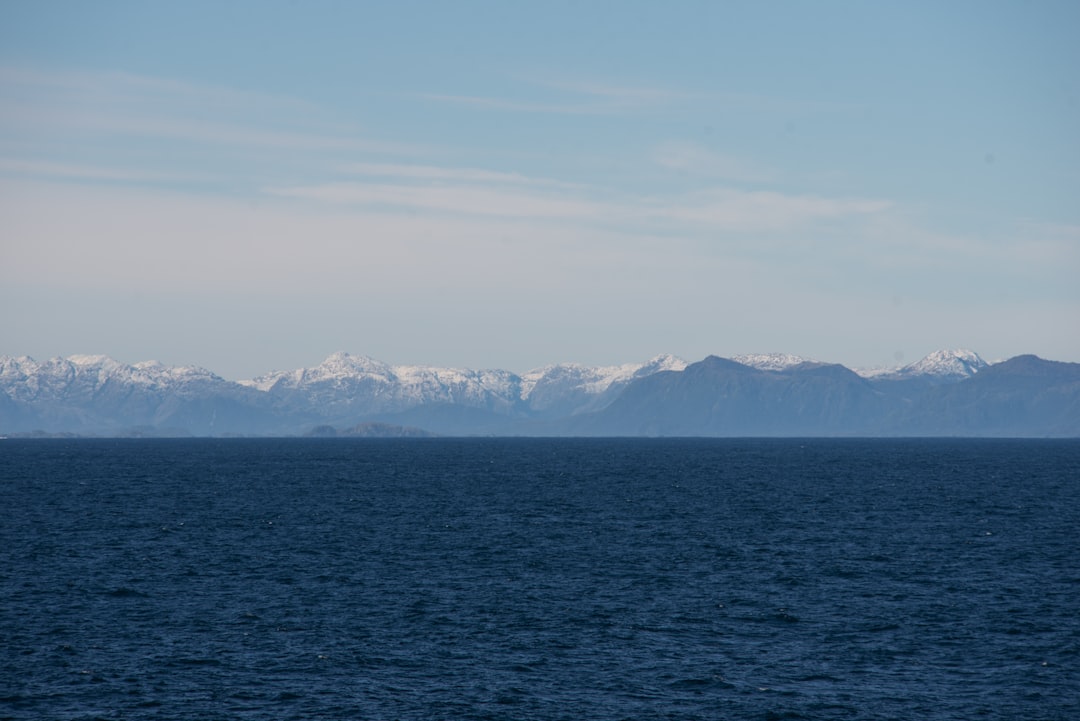
The Drake Passage, a body of water located between the southern tip of South America and Antarctica, is renowned for its tumultuous seas and significant role in global ocean dynamics. Named after the English explorer Sir Francis Drake, who navigated these waters in the late 16th century, the passage is often characterized by its fierce winds and unpredictable weather patterns. Stretching approximately 800 kilometers (500 miles) wide, it serves as a critical conduit for ocean currents, connecting the Atlantic and Pacific Oceans.
The Drake Passage is not only a geographical marvel but also a vital ecological zone that supports a diverse array of marine life. The passage is often regarded as one of the most challenging maritime routes due to its rough conditions, which can deter even the most seasoned sailors. However, its importance extends far beyond navigation; it plays a crucial role in regulating the Earth’s climate and oceanic systems.
The unique geographical features of the Drake Passage facilitate the mixing of warm and cold waters, which is essential for maintaining global ocean circulation patterns. As such, understanding the implications of any changes to this vital waterway is paramount for scientists, policymakers, and environmentalists alike.
Key Takeaways
- The Drake Passage is a narrow body of water between South America’s Cape Horn and the South Shetland Islands of Antarctica, known for its rough seas and strong winds.
- The Drake Passage plays a crucial role in global ocean circulation, as it allows the unimpeded flow of the Antarctic Circumpolar Current, which helps regulate the Earth’s climate.
- Closing the Drake Passage could have significant impacts on marine life, disrupting ecosystems and migration patterns of various species, including whales, seals, and seabirds.
- The closure of the Drake Passage could lead to changes in climate and weather patterns, affecting global temperatures and precipitation levels.
- The economic consequences of closing the Drake Passage could be substantial, impacting shipping routes, fisheries, and tourism in the region.
The importance of the Drake Passage for global ocean circulation
The Drake Passage is integral to the global ocean conveyor belt, a system of currents that regulates climate by distributing heat across the planet. The Antarctic Circumpolar Current (ACC), which flows through the Drake Passage, is the world’s largest ocean current and plays a pivotal role in driving this circulation. By facilitating the movement of cold, nutrient-rich waters from the Southern Ocean to other parts of the globe, the Drake Passage helps sustain marine ecosystems and influences weather patterns far beyond its immediate vicinity.
Moreover, the interaction between the ACC and other ocean currents creates a dynamic environment that supports a rich biodiversity. The mixing of waters in the Drake Passage not only nourishes marine life but also contributes to carbon sequestration, a process that mitigates climate change by absorbing carbon dioxide from the atmosphere. Thus, any alteration to the flow or characteristics of this passage could have far-reaching consequences for both marine ecosystems and global climate stability.
Potential impacts of closing the Drake Passage on marine life

The closure of the Drake Passage would have profound implications for marine life in and around this critical waterway. The unique conditions created by the mixing of warm and cold waters support a diverse range of species, from krill to whales. Krill, in particular, serves as a foundational species in the Southern Ocean ecosystem, providing sustenance for larger predators such as seals, penguins, and various fish species.
A disruption in this delicate balance could lead to significant declines in these populations, ultimately affecting the entire food web. Furthermore, many migratory species rely on the currents facilitated by the Drake Passage for their seasonal movements. The closure could hinder these migrations, leading to population isolation and reduced genetic diversity among marine species.
This isolation could make them more vulnerable to diseases and environmental changes, further threatening their survival. The potential loss of biodiversity in this region would not only impact marine ecosystems but could also have cascading effects on human communities that depend on these resources for their livelihoods.
Implications for climate change and weather patterns
| Metrics | Data |
|---|---|
| Temperature Increase | Global average temperature has increased by 1.2°C since the late 19th century |
| Extreme Weather Events | Frequency and intensity of extreme weather events such as hurricanes, heatwaves, and heavy rainfall have increased |
| Sea Level Rise | Global sea levels have risen by about 8 inches since 1880 |
| Glacial Retreat | Glaciers are retreating at an unprecedented rate, impacting water supply and ecosystems |
| Shifts in Weather Patterns | Changes in precipitation patterns and shifts in climate zones are affecting agriculture and ecosystems |
The closure of the Drake Passage would likely exacerbate climate change effects and alter weather patterns across the globe. The Antarctic Circumpolar Current plays a crucial role in regulating temperatures by transporting cold water northward while allowing warmer waters to flow southward. If this current were to be disrupted or cease entirely due to a closure, it could lead to significant shifts in temperature distributions across oceans and continents.
Such changes could result in more extreme weather events, including intensified storms and altered precipitation patterns. Regions that currently benefit from temperate climates might experience harsher conditions, while others could face increased flooding or droughts. The interconnectedness of global weather systems means that these changes would not be confined to areas near the Drake Passage; rather, they would ripple outward, affecting ecosystems and human populations worldwide.
Economic consequences of closing the Drake Passage
The economic ramifications of closing the Drake Passage would be substantial, particularly for industries reliant on marine resources and shipping routes. The fishing industry, which thrives on the rich biodiversity supported by the currents in this region, would face severe challenges. A decline in fish populations due to disrupted ecosystems could lead to reduced catches and increased competition for dwindling resources.
This situation would not only threaten food security for communities dependent on fishing but also impact global seafood markets.
A closure would necessitate longer shipping routes around South America or through alternative passages, increasing transit times and costs.
This shift could lead to higher prices for goods and disrupt supply chains that rely on timely deliveries. The economic impact would extend beyond immediate industries; it could also affect tourism in regions like Antarctica, where visitors are drawn by its unique wildlife and landscapes.
Political and geopolitical implications of closing the Drake Passage
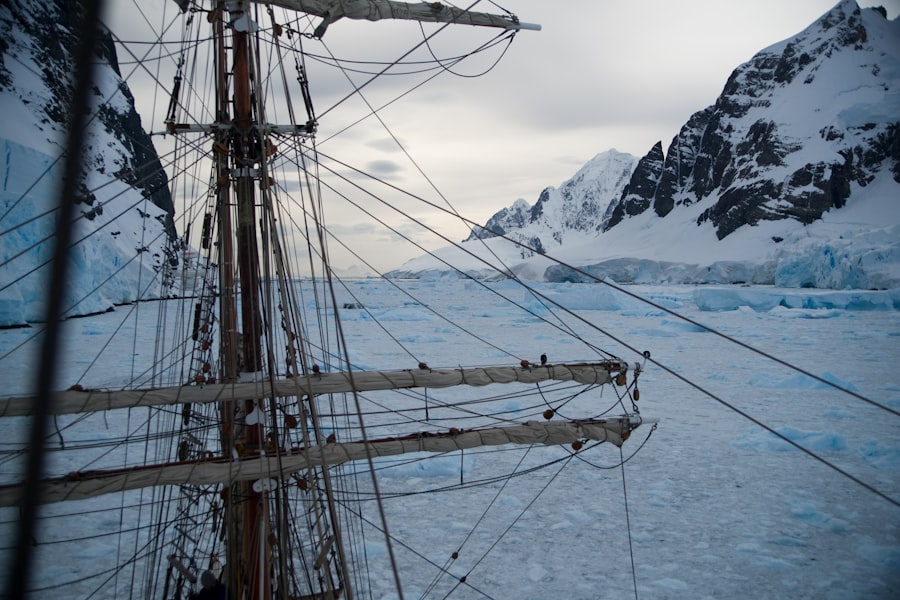
The potential closure of the Drake Passage would have significant political and geopolitical implications as nations grapple with the consequences of such a drastic change. Countries bordering this vital waterway may find themselves at odds over resource management and territorial claims. As marine resources become scarcer due to ecological disruptions, competition among nations could intensify, leading to conflicts over fishing rights and access to shipping lanes.
Moreover, geopolitical tensions could arise as nations seek to assert control over alternative routes or resources that become more accessible due to changes in ocean currents. The strategic importance of the Drake Passage as a maritime corridor means that any alterations could shift power dynamics in international relations. Countries may need to engage in diplomatic negotiations to address these emerging challenges while balancing their national interests with global environmental concerns.
Strategies for mitigating the effects of closing the Drake Passage
In light of the potential consequences associated with closing the Drake Passage, it is essential to explore strategies for mitigating these effects. One approach involves enhancing marine protected areas (MPAs) within and around the passage to safeguard critical habitats and promote biodiversity resilience. By establishing MPAs, nations can work collaboratively to manage fishing practices sustainably and protect vulnerable species from overexploitation.
Additionally, investing in scientific research and monitoring efforts is crucial for understanding how changes in ocean circulation impact marine ecosystems. By gathering data on species populations, water temperatures, and nutrient flows, researchers can develop adaptive management strategies that respond effectively to shifting conditions. Collaborative international research initiatives can foster knowledge sharing and promote innovative solutions to address challenges posed by potential closures.
Potential conflicts and disputes arising from the closure of the Drake Passage
The closure of the Drake Passage could give rise to various conflicts and disputes among nations with vested interests in its resources and navigation routes. As fishing stocks decline due to ecological disruptions, countries may engage in aggressive tactics to secure access to dwindling resources.
Furthermore, disputes may arise over shipping routes as countries seek to control alternative passages or establish new trade agreements in response to changing maritime dynamics. The potential for increased military presence in these waters could heighten tensions among nations, leading to an arms race or confrontational posturing that undermines regional stability. Addressing these conflicts will require diplomatic efforts aimed at fostering cooperation and establishing frameworks for resource management that prioritize sustainability.
Scientific research and monitoring efforts in response to the closure of the Drake Passage
In response to the potential closure of the Drake Passage, scientific research and monitoring efforts will be paramount for understanding its implications on marine ecosystems and global climate systems. Researchers will need to focus on collecting data related to ocean temperatures, salinity levels, and nutrient distributions to assess how changes in circulation patterns affect marine life. Long-term monitoring programs can provide valuable insights into shifts in species distributions and population dynamics.
Collaboration among international research institutions will be essential for addressing these challenges effectively. By pooling resources and expertise, scientists can develop comprehensive models that predict how alterations in ocean currents may impact ecosystems over time. This collaborative approach will not only enhance understanding but also inform policymakers about necessary interventions needed to mitigate adverse effects on marine life and climate stability.
International cooperation and diplomacy in addressing the closure of the Drake Passage
Addressing the potential closure of the Drake Passage will require robust international cooperation and diplomacy among nations with interests in this critical waterway. Collaborative frameworks must be established to facilitate dialogue on resource management, environmental protection, and conflict resolution. Multilateral agreements can help ensure that all stakeholders have a voice in decision-making processes while promoting sustainable practices that benefit both marine ecosystems and human communities.
Furthermore, fostering partnerships between governments, non-governmental organizations (NGOs), and scientific communities can enhance efforts toward conservation initiatives within the passage. By working together toward common goals—such as protecting biodiversity or mitigating climate change—nations can build trust and strengthen relationships that transcend geopolitical tensions.
The urgent need to address the potential consequences of closing the Drake Passage
The potential closure of the Drake Passage presents a multifaceted challenge with far-reaching implications for marine life, climate stability, economic systems, political relations, and international cooperation. As scientists continue to study this vital waterway’s role in global ocean circulation, it becomes increasingly clear that proactive measures are necessary to mitigate its potential impacts. Addressing these challenges requires a concerted effort from governments, researchers, industry stakeholders, and civil society alike.
By prioritizing sustainable practices, fostering international collaboration, and investing in scientific research, nations can work together to safeguard not only the ecological integrity of the Drake Passage but also ensure a stable future for communities reliant on its resources. The urgency of this situation cannot be overstated; proactive engagement is essential for navigating an uncertain future shaped by environmental change.
The closure of the Drake Passage would have profound implications on global ocean currents and climate systems. This narrow body of water, located between the southern tip of South America and Antarctica, plays a crucial role in the Antarctic Circumpolar Current, which helps regulate the Earth’s climate by facilitating the exchange of water between the Atlantic, Pacific, and Indian Oceans. If the Drake Passage were to close, it could disrupt these oceanic currents, potentially leading to significant changes in weather patterns and marine ecosystems. For a deeper understanding of the geological and environmental significance of the Drake Passage, you can explore a related article on this topic by visiting