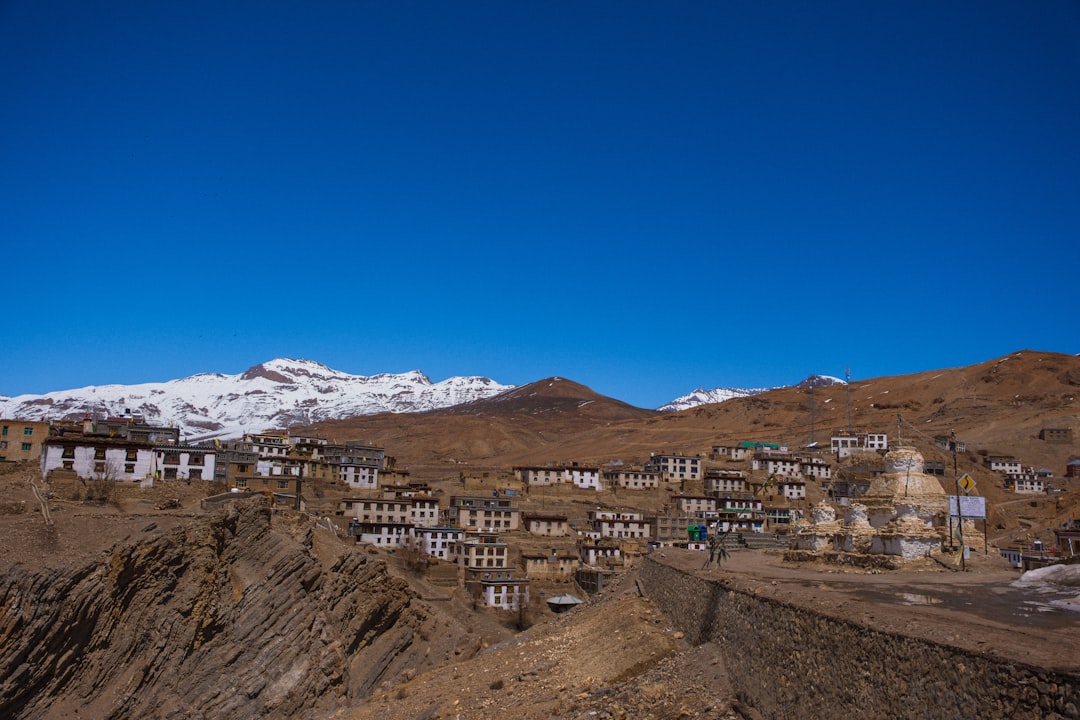
Tibet, often referred to as the “Roof of the World,” is a region characterized by its unique and diverse climate. Nestled high in the Himalayas, this vast plateau experiences a range of climatic conditions, from arid and cold in the north to more temperate in the south. The elevation of Tibet, averaging over 4,500 meters above sea level, plays a significant role in shaping its weather patterns.
The region is marked by harsh winters, with temperatures plummeting well below freezing, while summers can be surprisingly warm, particularly in the lower valleys. This stark contrast in temperature and precipitation creates a complex ecosystem that supports a variety of flora and fauna. The climate of Tibet is not only significant for its local inhabitants but also for its broader implications on global weather systems.
The region’s high altitude and geographical position make it a critical player in the Earth’s climate dynamics.
As climate change continues to pose challenges worldwide, the study of Tibet’s unique climatic conditions becomes increasingly important for predicting future environmental shifts.
Key Takeaways
- Tibet’s climate is characterized by extreme temperature variations and low precipitation, making it a unique and challenging environment.
- The Tibetan Plateau plays a crucial role in global climate regulation, influencing atmospheric circulation and the distribution of heat and moisture.
- Tibet’s glaciers are important indicators of global climate change, with their melting contributing to rising sea levels and altering regional climate patterns.
- The monsoon season in Tibet has a significant impact on global climate, affecting rainfall patterns and atmospheric circulation in Asia and beyond.
- Tibet’s grasslands act as a carbon sink and play a key role in regulating global climate by sequestering carbon dioxide from the atmosphere.
- Tibet’s contribution to the Asian water cycle is vital, as its rivers and lakes supply water to over a billion people in Asia.
- The link between Tibet’s climate and global weather patterns is evident in the influence of the Tibetan Plateau on the formation of the Asian monsoon and the jet stream.
- Climate change poses a serious threat to Tibet’s ecosystems, leading to the loss of glaciers, changes in precipitation patterns, and the degradation of grasslands.
- Tibet’s climate is of international importance, as it affects global weather patterns and has implications for international climate policy and agreements.
- Mitigating Tibet’s impact on global climate requires sustainable land use practices, conservation of ecosystems, and international cooperation to reduce greenhouse gas emissions.
- The future of Tibet’s climate and its global impact will depend on efforts to address climate change, protect ecosystems, and promote sustainable development in the region.
The Role of Tibet’s Plateau in Global Climate
Tibet’s plateau serves as a vital component of the Earth’s climate system. Its vast expanse acts as a barrier to monsoon winds, influencing precipitation patterns across South Asia. The plateau’s elevation creates a significant thermal contrast with the surrounding regions, which affects atmospheric circulation.
This phenomenon is particularly evident during the summer months when the Tibetan Plateau heats up, causing air to rise and creating low-pressure systems that draw in moisture-laden winds from the Indian Ocean. This interaction is crucial for the monsoon rains that sustain millions of people in countries like India, Nepal, and Bangladesh. Moreover, Tibet’s plateau plays a pivotal role in regulating temperatures across Asia.
The high altitude helps to cool the surrounding areas, acting as a natural air conditioner for the continent. This cooling effect is essential for maintaining ecological balance and supporting diverse ecosystems. As global temperatures rise due to climate change, the stability of Tibet’s plateau becomes increasingly critical.
Any alterations to its climate could have far-reaching consequences, not only for the region itself but also for the broader Asian climate system.
The Influence of Tibet’s Glaciers on Global Climate
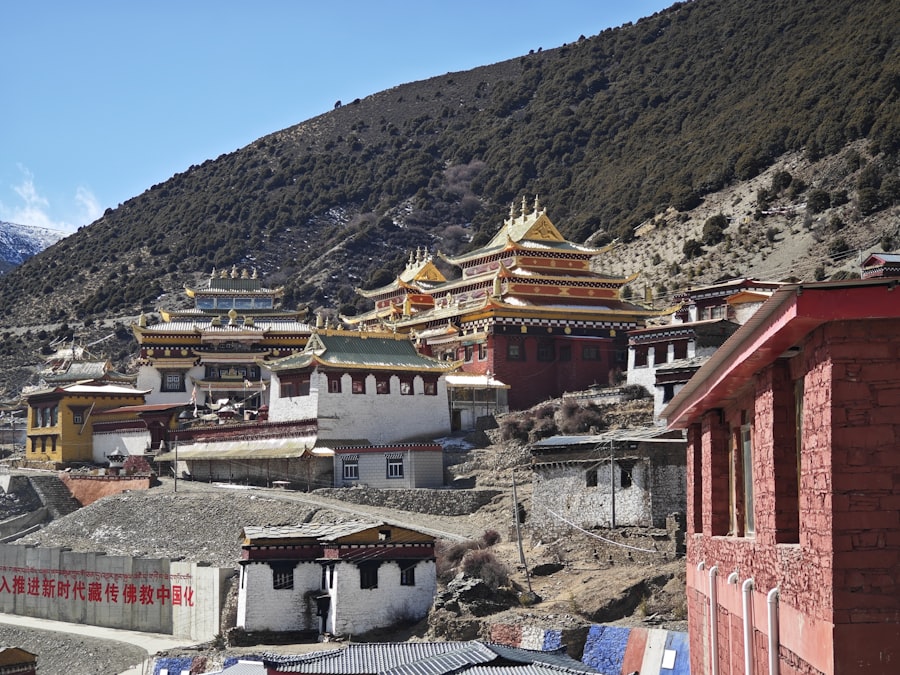
The glaciers of Tibet are often referred to as the “Third Pole,” housing the largest reserve of freshwater outside of the polar regions.
As they melt, they release freshwater into rivers that feed into major water systems across Asia, including the Indus, Ganges, and Brahmaputra rivers.
This melting process is crucial for sustaining agriculture and drinking water supplies for millions of people downstream. However, the impact of climate change on Tibet’s glaciers is alarming. Rising temperatures have led to accelerated melting rates, threatening not only local ecosystems but also global sea levels.
The loss of these glaciers could result in severe water shortages for countries that rely on glacial meltwater during dry seasons. Furthermore, as glaciers retreat, they contribute to changes in albedo—the reflectivity of Earth’s surface—which can further exacerbate global warming. The interconnectedness of Tibet’s glaciers with global climate systems underscores their importance in understanding and addressing climate change.
The Effect of Tibet’s Monsoon Season on Global Climate
| Metrics | Data |
|---|---|
| Monsoon Season Duration | May to September |
| Rainfall in Tibet | Significant increase during monsoon season |
| Impact on Global Climate | Increased moisture in atmosphere, affecting weather patterns |
| Temperature Changes | Decrease due to cloud cover and increased rainfall |
The monsoon season in Tibet is a critical climatic event that has far-reaching implications for weather patterns across Asia. Typically occurring from June to September, this season brings heavy rainfall to the region, which is essential for replenishing water sources and supporting agriculture. The monsoon winds that sweep across Tibet are influenced by the thermal dynamics of the plateau, which creates a complex interplay between land and atmospheric conditions.
The impact of Tibet’s monsoon extends beyond its borders; it significantly affects agricultural productivity and water availability in neighboring countries. For instance, the Indian subcontinent relies heavily on the summer monsoon for its agricultural cycles. Any disruption in this seasonal pattern due to changes in Tibet’s climate could lead to food shortages and economic instability in these regions.
Additionally, variations in monsoon intensity can influence weather extremes such as floods or droughts, further highlighting Tibet’s role as a climatic linchpin in Asia.
The Impact of Tibet’s Grasslands on Global Climate
Tibet’s grasslands are another crucial element of its climate system, contributing to both local biodiversity and global carbon cycles. These expansive grasslands serve as carbon sinks, absorbing significant amounts of carbon dioxide from the atmosphere. This process is vital for mitigating climate change impacts by reducing greenhouse gas concentrations.
The health of these grasslands is directly linked to climatic conditions; changes in temperature and precipitation can affect their ability to sequester carbon effectively. Moreover, Tibet’s grasslands support diverse ecosystems that are home to various species, including endangered animals such as the Tibetan antelope and snow leopard. The preservation of these habitats is essential not only for biodiversity but also for maintaining ecological balance within the region.
As climate change threatens these grasslands through increased aridity and shifting weather patterns, it poses risks not only to local wildlife but also to global efforts aimed at combating climate change.
Tibet’s Contribution to the Asian Water Cycle
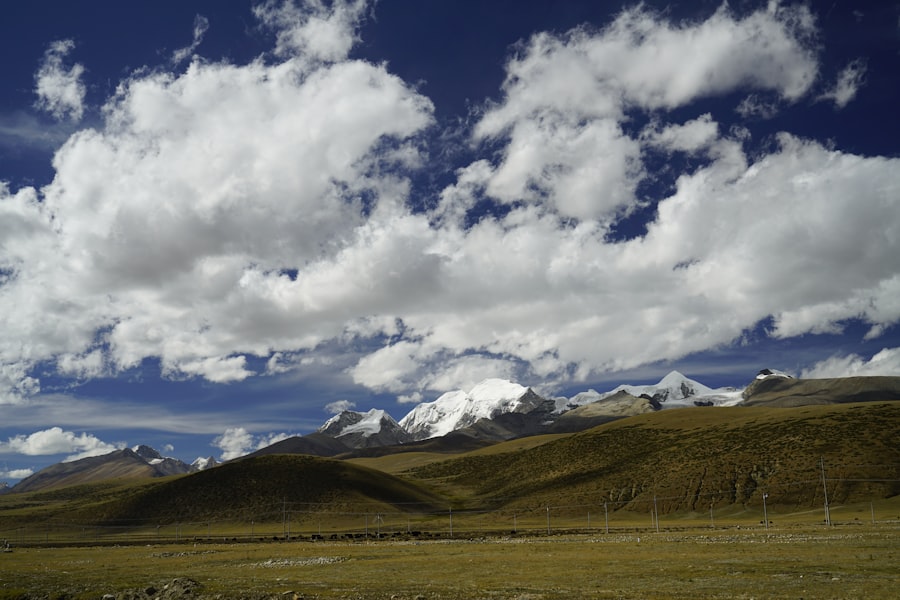
Tibet plays a pivotal role in the Asian water cycle, acting as a source of freshwater for numerous major rivers that flow into several countries. The region’s glaciers and snowmelt provide essential water resources that sustain millions of people across Asia. Rivers originating from Tibet are crucial for irrigation, drinking water, and hydropower generation in countries like India, China, Nepal, and Bangladesh.
This interconnectedness highlights Tibet’s significance as a water tower for the continent. The health of Tibet’s water resources is increasingly threatened by climate change, which alters precipitation patterns and accelerates glacial melt. As temperatures rise, the timing and volume of river flows may become unpredictable, leading to potential water shortages during critical agricultural periods.
Additionally, changes in water availability can exacerbate tensions between countries that share these vital resources. Thus, understanding Tibet’s contribution to the Asian water cycle is essential for managing water resources sustainably and ensuring regional stability.
The Link Between Tibet’s Climate and Global Weather Patterns
Tibet’s unique climatic conditions have profound implications for global weather patterns. The plateau influences atmospheric circulation systems that extend far beyond its borders. For instance, changes in temperature or precipitation in Tibet can affect monsoon patterns across South Asia and even impact weather systems as far away as North America or Europe.
This interconnectedness underscores the importance of monitoring Tibet’s climate as part of global climate studies. Furthermore, Tibet acts as a critical feedback mechanism within the Earth’s climate system. As global temperatures rise due to anthropogenic factors, changes in Tibet’s snow cover and glacier mass can alter heat distribution across the planet.
This feedback loop can lead to more extreme weather events globally, including heatwaves, storms, and altered precipitation patterns. Understanding these links is crucial for developing effective strategies to mitigate climate change impacts on a global scale.
The Threat of Climate Change on Tibet’s Ecosystems
Climate change poses significant threats to Tibet’s delicate ecosystems. Rising temperatures have already begun to alter precipitation patterns and accelerate glacial melt, leading to habitat loss for many species that depend on stable climatic conditions. The unique flora and fauna that thrive in this high-altitude environment are particularly vulnerable to these changes, as they have adapted over millennia to specific climatic niches.
Additionally, shifts in temperature and precipitation can disrupt traditional livelihoods for local communities that rely on agriculture and pastoralism. As grasslands become less productive due to changing climatic conditions, food security may be jeopardized for those who depend on these resources. The loss of biodiversity and traditional ways of life highlights the urgent need for conservation efforts aimed at protecting Tibet’s ecosystems from the impacts of climate change.
The Importance of Tibet’s Climate in International Climate Policy
Tibet’s climate has garnered increasing attention within international climate policy discussions due to its far-reaching implications for global environmental stability. As nations grapple with the challenges posed by climate change, understanding how regional climates like Tibet influence global systems becomes paramount. Policymakers recognize that addressing climate change requires a comprehensive approach that considers not only local impacts but also how they resonate on a global scale.
International cooperation is essential for developing effective strategies to mitigate climate change impacts on Tibet and its ecosystems. Collaborative efforts can facilitate research initiatives aimed at understanding regional climatic dynamics while promoting sustainable practices that protect both local communities and global environmental health. By prioritizing Tibet within international climate policy frameworks, nations can work together to address shared challenges and foster resilience against future climatic shifts.
The Potential Solutions to Mitigate Tibet’s Impact on Global Climate
Addressing the challenges posed by climate change in Tibet requires innovative solutions that prioritize sustainability and resilience. One potential approach involves enhancing conservation efforts aimed at protecting fragile ecosystems while promoting sustainable land-use practices among local communities. By fostering an understanding of ecological stewardship, stakeholders can work together to ensure that natural resources are managed responsibly.
Additionally, investing in renewable energy sources such as solar or wind power can help reduce reliance on fossil fuels while providing sustainable energy solutions for local populations. These initiatives not only contribute to mitigating greenhouse gas emissions but also empower communities economically by creating jobs within emerging green industries. By implementing such solutions collaboratively with local stakeholders, it is possible to create a more sustainable future for both Tibet and the broader global community.
The Future of Tibet’s Climate and its Global Impact
The future of Tibet’s climate remains uncertain amid ongoing challenges posed by climate change. As temperatures continue to rise and weather patterns shift unpredictably, the implications for both local ecosystems and global environmental stability become increasingly pronounced. Understanding how these changes will unfold is crucial for developing effective strategies aimed at mitigating their impacts.
Ultimately, safeguarding Tibet’s unique climatic conditions is not just about preserving a region; it is about recognizing its integral role within the larger context of global climate dynamics. By prioritizing sustainable practices and fostering international cooperation, there exists an opportunity to protect this vital region while addressing pressing environmental challenges worldwide. The fate of Tibet’s climate will undoubtedly shape not only its own future but also that of countless communities across Asia and beyond.
Tibet, often referred to as the “Third Pole,” plays a crucial role in regulating the global climate due to its vast glaciers and unique ecosystem. The melting of these glaciers, driven by climate change, has significant implications not only for the local environment but also for water resources across Asia. For a deeper understanding of Tibet’s impact on global climate, you can read the article available at this link.
WATCH THIS! Tibet’s Emptiness Is No Accident
FAQs
What is the impact of Tibet on global climate?
Tibet has a significant impact on global climate due to its high altitude and unique geographical features. The Tibetan Plateau, often referred to as the “Roof of the World,” influences weather patterns and climate systems across Asia and beyond.
How does Tibet’s high altitude affect global climate?
Tibet’s high altitude contributes to the formation of the Asian monsoon system, which plays a crucial role in the climate of the region. The plateau’s elevation also affects atmospheric circulation and the distribution of heat, which in turn influences global climate patterns.
What role does Tibet play in the water cycle and global climate?
Tibet is often referred to as the “Water Tower of Asia” because it is the source of many major rivers, including the Yangtze, Yellow, Mekong, and Indus. The water that originates from Tibet’s glaciers and rivers has a significant impact on regional and global climate, as well as on the availability of water resources for millions of people downstream.
How does Tibet’s landscape contribute to global climate change?
Tibet’s landscape, including its glaciers and permafrost, is highly sensitive to climate change. The melting of glaciers and thawing of permafrost in Tibet can contribute to rising sea levels and changes in global climate patterns.
What are the potential implications of changes in Tibet’s climate for the rest of the world?
Changes in Tibet’s climate can have far-reaching implications for global climate patterns, including shifts in monsoon systems, changes in precipitation patterns, and impacts on the frequency and intensity of extreme weather events. These changes can affect agricultural productivity, water resources, and the livelihoods of millions of people across Asia and beyond.