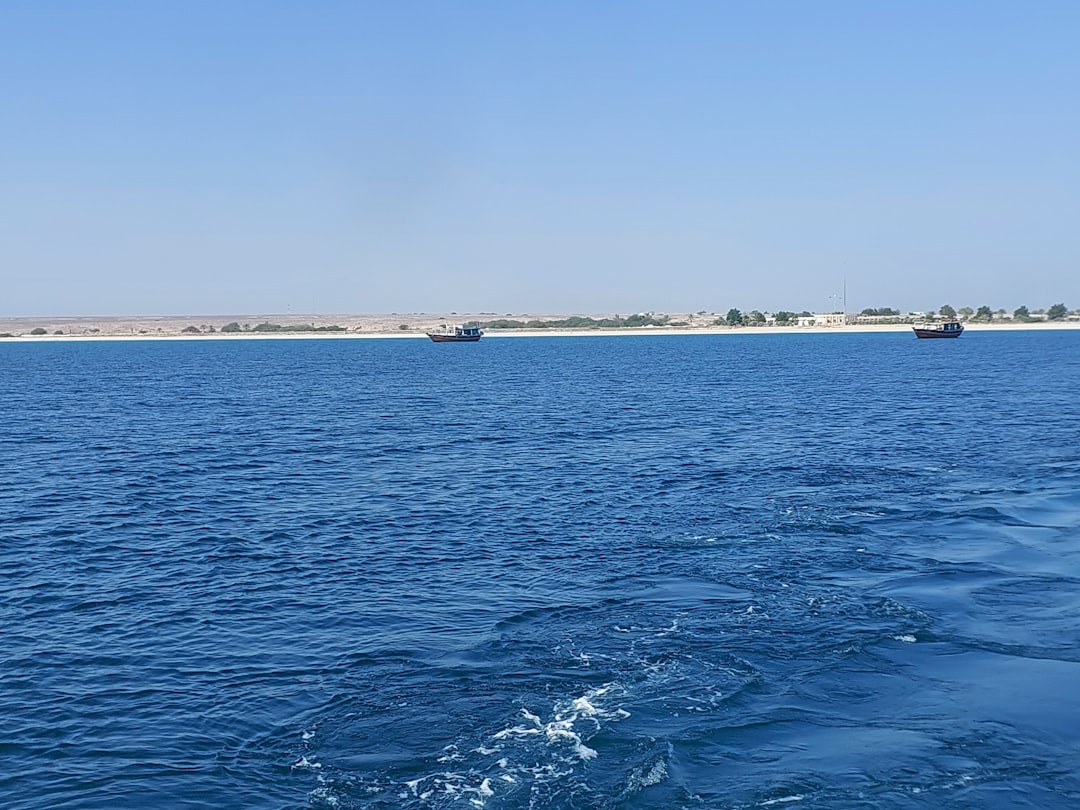
The Strait of Hormuz, a narrow waterway located between Oman and Iran, serves as a critical juncture for maritime trade, particularly in the oil sector. This strategic strait connects the Persian Gulf with the Gulf of Oman and the Arabian Sea, making it one of the most significant chokepoints in global shipping. Approximately 20% of the world’s oil supply passes through this narrow passage, underscoring its importance not only to regional economies but also to the global market.
The geopolitical significance of the Strait of Hormuz has made it a focal point for international relations, often drawing attention from major powers due to its implications for energy security. The strait’s geographical features contribute to its strategic importance. With a width of only about 21 miles at its narrowest point, it is susceptible to blockades and military confrontations.
The surrounding nations, particularly Iran, have historically exerted influence over this vital route, leading to tensions that can disrupt shipping lanes. As global demand for oil continues to rise, the Strait of Hormuz remains a pivotal area where economic interests and geopolitical strategies intersect, making it essential to understand its role in shaping global trade dynamics.
Key Takeaways
- The Strait of Hormuz is a crucial waterway connecting the Persian Gulf to the Gulf of Oman and the Arabian Sea, making it a vital route for global trade and energy transportation.
- The strait’s significance for global trade is underscored by the fact that it facilitates the passage of about 20% of the world’s oil supply, making it a critical chokepoint for energy markets.
- Disruptions in the strait can lead to significant fluctuations in oil prices, impacting global inflation rates and potentially causing economic instability.
- The vulnerability of the global economy to disruptions in the strait highlights the need for proactive strategies to mitigate inflation risks associated with potential closures or conflicts in the region.
- Historical examples of strait disruptions have shown their direct impact on inflation, emphasizing the need for businesses and governments to prepare for potential economic consequences.
Importance of the Strait of Hormuz for Global Trade
The Strait of Hormuz is not merely a geographical feature; it is a lifeline for international trade, especially for oil-exporting countries in the Middle East. The strait facilitates the transportation of crude oil from major producers like Saudi Arabia, Iraq, and the United Arab Emirates to markets in Asia, Europe, and North America. The sheer volume of oil that traverses this waterway highlights its significance in maintaining the flow of energy resources essential for industrial activities and economic growth worldwide.
Any disruption in this passage can have far-reaching consequences for global supply chains and energy prices. Moreover, the Strait of Hormuz is crucial for liquefied natural gas (LNG) shipments, which have gained prominence in recent years as countries seek cleaner energy alternatives. The increasing reliance on LNG has further solidified the strait’s role in global energy markets.
As nations strive to diversify their energy sources and reduce dependence on fossil fuels, the importance of secure maritime routes like the Strait of Hormuz becomes even more pronounced. The implications of any potential disruptions extend beyond oil prices; they can affect energy security and economic stability across multiple sectors.
Impact of the Strait of Hormuz on Oil Prices

The relationship between the Strait of Hormuz and oil prices is direct and profound. When tensions arise in or around the strait—whether due to military conflicts, political disputes, or threats of blockades—market participants react swiftly. Speculation about potential disruptions can lead to immediate spikes in oil prices as traders anticipate supply shortages.
Historical data shows that even minor incidents in the region can trigger significant fluctuations in crude oil prices, reflecting the market’s sensitivity to geopolitical risks. For instance, during periods of heightened military activity or diplomatic tensions involving Iran, oil prices have often surged as traders factor in the risk premium associated with potential disruptions. Conversely, when tensions ease or diplomatic solutions are reached, prices may stabilize or decline.
The impact on oil prices not only affects producers and consumers but also has ripple effects throughout various sectors reliant on stable energy costs.
Influence of Oil Prices on Inflation
| Year | Average Oil Price (USD) | Inflation Rate (%) |
|---|---|---|
| 2015 | 48.72 | 0.12 |
| 2016 | 43.58 | 1.26 |
| 2017 | 50.79 | 2.13 |
| 2018 | 64.90 | 2.44 |
| 2019 | 57.05 | 1.76 |
The connection between oil prices and inflation is well-documented and multifaceted. As oil prices rise due to disruptions in critical shipping routes like the Strait of Hormuz, the cost of transportation and production increases across various industries. This escalation often leads to higher prices for goods and services, contributing to overall inflationary pressures within economies.
Consumers may find themselves paying more at the pump and for everyday products, as businesses pass on increased costs to maintain profit margins. Furthermore, inflation driven by rising oil prices can have a cascading effect on monetary policy. Central banks may respond to inflationary pressures by adjusting interest rates, which can influence borrowing costs and consumer spending.
The interplay between oil prices and inflation creates a complex economic landscape where fluctuations in one can significantly impact the other. As such, understanding this relationship is crucial for policymakers and economists alike when assessing economic health and formulating strategies to mitigate inflationary risks.
Vulnerability of Global Economy to Strait of Hormuz Disruptions
The global economy’s vulnerability to disruptions in the Strait of Hormuz cannot be overstated. Given that a substantial portion of the world’s oil supply passes through this narrow passage, any interruption—whether due to military conflict, natural disasters, or political instability—can lead to immediate consequences for energy markets and broader economic stability. Countries heavily reliant on imported oil are particularly susceptible to price shocks that can arise from such disruptions.
Moreover, the interconnectedness of global supply chains means that disruptions in one region can have cascading effects worldwide. For instance, industries that depend on timely deliveries of raw materials may face delays or increased costs due to rising oil prices or shipping uncertainties. This vulnerability highlights the need for countries to develop contingency plans and diversify their energy sources to mitigate potential risks associated with reliance on a single chokepoint like the Strait of Hormuz.
Historical Examples of Strait of Hormuz Disruptions and their Impact on Inflation

Historically, there have been several notable instances where disruptions in the Strait of Hormuz have had significant impacts on inflation rates globally. One such example occurred during the Iran-Iraq War in the 1980s when both nations targeted each other’s oil exports. The conflict led to increased insurance costs for shipping companies and heightened fears of supply shortages, resulting in sharp increases in oil prices that reverberated through economies worldwide.
Another significant event was the 2019 attacks on oil tankers near the strait, which raised concerns about maritime security and potential supply disruptions. Following these incidents, oil prices surged as markets reacted to fears of escalating tensions in the region. The subsequent rise in fuel costs contributed to inflationary pressures felt by consumers and businesses alike, illustrating how geopolitical events can translate into economic realities that affect everyday life.
Strategies for Mitigating Inflation Risks Associated with the Strait of Hormuz
To address the inflation risks associated with potential disruptions in the Strait of Hormuz, various strategies can be employed by governments and businesses alike. One approach involves diversifying energy sources and supply routes to reduce dependence on any single chokepoint. By investing in alternative energy infrastructure and exploring renewable energy options, countries can enhance their energy security and mitigate risks associated with fluctuations in oil prices.
Additionally, fostering strategic partnerships with other oil-producing nations can help create a buffer against potential supply shocks. Collaborative efforts aimed at stabilizing production levels and sharing resources can contribute to greater resilience within global energy markets. Businesses can also adopt flexible pricing strategies that allow them to adjust more readily to changes in input costs without passing excessive burdens onto consumers.
Role of Geopolitical Tensions in the Strait of Hormuz and Inflation
Geopolitical tensions surrounding the Strait of Hormuz play a pivotal role in shaping inflationary trends globally. The region’s complex political landscape often leads to uncertainty that permeates financial markets. Investors closely monitor developments involving Iran, Saudi Arabia, and other regional players, as any escalation can trigger immediate reactions in oil prices and broader economic indicators.
Moreover, geopolitical tensions can lead to increased military presence in the region, further heightening risks associated with shipping routes. The potential for conflict not only affects oil supply but also creates an environment where speculation drives market volatility.
Implications of Inflation for Businesses and Consumers
The implications of rising inflation driven by disruptions in the Strait of Hormuz extend beyond macroeconomic indicators; they significantly impact businesses and consumers alike. For businesses, increased operational costs due to rising fuel prices can erode profit margins and lead to difficult decisions regarding pricing strategies or workforce management. Companies may find themselves caught between maintaining competitive pricing and absorbing higher costs, which can ultimately affect their sustainability.
Consumers are not immune to these pressures either; they often bear the brunt of inflation through higher prices for essential goods and services. As disposable incomes shrink due to rising costs, consumer spending may decline, leading to slower economic growth. This cycle creates a challenging environment where both businesses and consumers must navigate rising costs while striving for stability amidst uncertainty.
Government Responses to Strait of Hormuz Disruptions and Inflation
Governments play a crucial role in responding to disruptions in the Strait of Hormuz and their subsequent impact on inflation. Policymakers may implement measures aimed at stabilizing energy markets during times of crisis, such as releasing strategic petroleum reserves or engaging in diplomatic efforts to de-escalate tensions in the region. These actions can help mitigate immediate price spikes and provide some relief to consumers facing rising costs.
Additionally, central banks may adjust monetary policy in response to inflationary pressures stemming from oil price fluctuations. By raising interest rates or implementing other monetary tools, they aim to curb inflation while balancing economic growth objectives. Such responses highlight the interconnectedness between geopolitical events and economic policy decisions, emphasizing the need for coordinated efforts at both national and international levels.
Navigating the Impact of the Strait of Hormuz on Inflation
In conclusion, the Strait of Hormuz stands as a critical artery for global trade with profound implications for oil prices and inflation rates worldwide. Its strategic importance cannot be overstated; disruptions within this narrow passage can trigger significant economic consequences that ripple through various sectors. Understanding this dynamic is essential for policymakers, businesses, and consumers alike as they navigate an increasingly complex global landscape marked by geopolitical tensions.
As nations grapple with these challenges, proactive strategies aimed at diversifying energy sources and enhancing resilience will be vital in mitigating risks associated with potential disruptions in the Strait of Hormuz. By fostering collaboration among stakeholders and remaining vigilant about geopolitical developments, it is possible to navigate the intricate relationship between energy security and economic stability effectively. Ultimately, addressing these challenges will require a concerted effort from all parties involved to ensure a more secure and stable future for global trade and economic prosperity.
The Strait of Hormuz plays a crucial role in global economics, particularly in influencing inflation rates due to its strategic position as a major oil transit chokepoint. Disruptions in this region can lead to significant fluctuations in oil prices, which in turn affect inflation rates worldwide. For a deeper understanding of the geopolitical dynamics and their economic implications, you might find the article on MyGeoQuest insightful. This article explores the broader geopolitical landscape and its impact on global markets, providing context to how such strategic locations can influence economic stability.
WATCH THIS! One Narrow Strait Holds Global Economy Hostage
FAQs
What is the Strait of Hormuz?
The Strait of Hormuz is a narrow waterway located between the Persian Gulf and the Gulf of Oman. It is one of the most important strategic chokepoints in the world, through which a significant portion of the world’s oil supply is transported.
How does the Strait of Hormuz affect inflation?
The instability or closure of the Strait of Hormuz can disrupt the global supply of oil, leading to an increase in oil prices. Since oil is a key input in the production of goods and services, higher oil prices can lead to increased production costs, which can then be passed on to consumers in the form of higher prices for goods and services. This can contribute to inflationary pressures in economies that are heavily reliant on oil imports.
What are the potential impacts of a disruption in the supply of oil through the Strait of Hormuz?
A disruption in the supply of oil through the Strait of Hormuz can lead to higher oil prices, which can have a cascading effect on the global economy. Higher oil prices can increase the cost of transportation, production, and heating, leading to higher prices for goods and services. This can contribute to inflation and potentially slow down economic growth.
How do governments and central banks respond to potential inflationary pressures caused by disruptions in the supply of oil through the Strait of Hormuz?
Governments and central banks may implement various measures to mitigate the impact of potential inflationary pressures caused by disruptions in the supply of oil through the Strait of Hormuz. These measures may include adjusting monetary policy, releasing strategic oil reserves, and implementing policies to promote energy efficiency and diversification of energy sources.