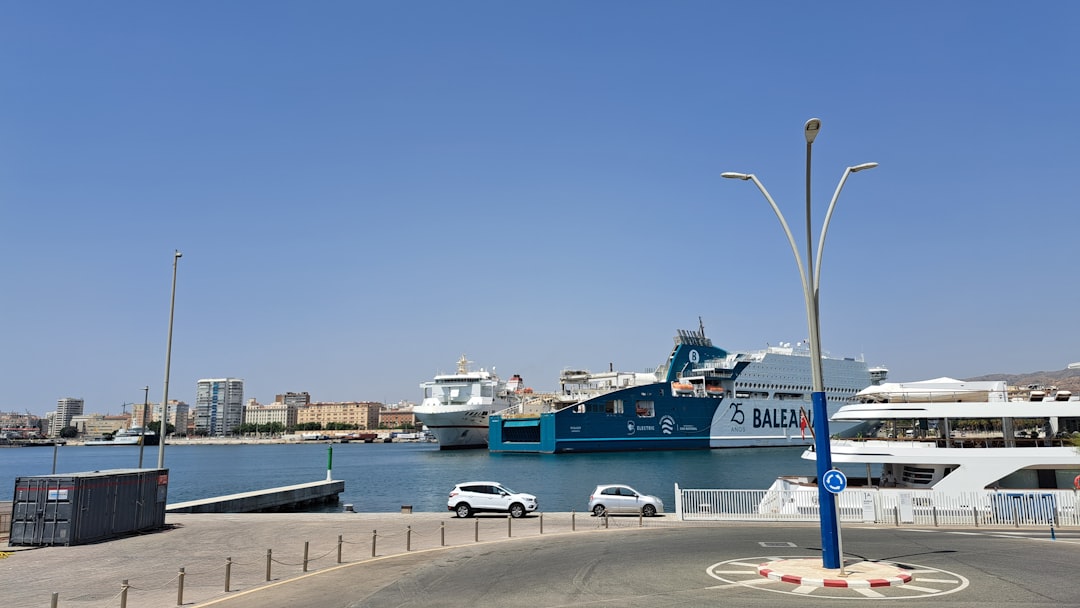
The Suez Canal, an engineering marvel that connects the Mediterranean Sea to the Red Sea, stands as a pivotal artery for maritime trade. Completed in 1869, this artificial waterway spans approximately 120 miles and serves as a shortcut for vessels traveling between Europe and Asia, significantly reducing the journey time compared to the lengthy route around the southern tip of Africa. The canal’s strategic location has made it one of the most important waterways in the world, facilitating not only commerce but also cultural exchange and geopolitical dynamics.
The significance of the Suez Canal extends beyond its physical dimensions; it embodies a historical narrative of ambition, innovation, and international cooperation. The canal was conceived by French engineer Ferdinand de Lesseps, who envisioned a direct maritime route that would revolutionize global trade. Over the years, it has evolved into a critical infrastructure that supports the movement of goods and resources, shaping the economic landscape of nations and influencing global supply chains.
Key Takeaways
- The Suez Canal is a crucial waterway connecting the Mediterranean and Red Seas, significantly shortening global shipping routes.
- Historically, it has been a strategic asset influencing trade and geopolitical power since its opening in 1869.
- The canal plays a vital role in global trade by facilitating faster and more cost-effective transportation of goods.
- Economic benefits include increased revenue for Egypt and reduced shipping costs worldwide, though environmental and geopolitical challenges persist.
- Future expansion plans aim to enhance capacity and efficiency, ensuring the canal’s continued importance in the global economy.
Historical significance of the Suez Canal
The historical significance of the Suez Canal cannot be overstated. Its construction marked a turning point in maritime navigation, allowing ships to bypass the lengthy and perilous journey around Africa. The canal’s opening in 1869 was celebrated as a monumental achievement of engineering and international collaboration, bringing together diverse cultures and economies.
It symbolized the dawn of a new era in global trade, where distances shrank, and connectivity flourished. Throughout its history, the Suez Canal has been at the center of geopolitical tensions and conflicts. The canal was nationalized by Egyptian President Gamal Abdel Nasser in 1956, leading to the Suez Crisis, which involved military intervention by Britain, France, and Israel.
This event underscored the canal’s strategic importance and its role as a flashpoint in international relations. The canal has since been a focal point for discussions on sovereignty, control, and the balance of power in the region.
The role of the Suez Canal in global trade
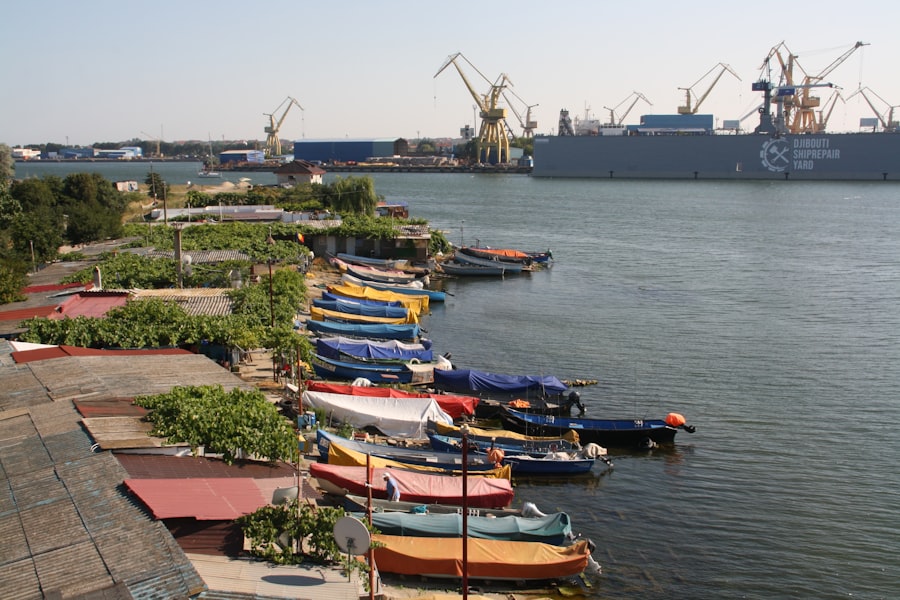
The Suez Canal plays an indispensable role in global trade by serving as a vital conduit for shipping traffic. Approximately 12% of global trade passes through this narrow waterway, making it a critical link in the supply chain for various industries. The canal facilitates the movement of oil, natural gas, consumer goods, and raw materials, enabling countries to engage in international commerce more efficiently.
Its significance is particularly pronounced for European nations that rely on imports from Asia, as it drastically reduces transit times. Moreover, the canal’s impact on shipping logistics cannot be overlooked. By providing a direct route between two major bodies of water, it allows vessels to save both time and fuel costs.
This efficiency translates into lower shipping rates for consumers and businesses alike. The Suez Canal has become a lifeline for global trade networks, ensuring that goods reach their destinations promptly and reliably.
Impact of the Suez Canal on shipping routes
The Suez Canal has fundamentally altered traditional shipping routes, reshaping maritime navigation patterns across the globe. Before its construction, ships were compelled to navigate around Africa’s Cape of Good Hope, a journey that could take weeks or even months. The canal’s establishment has enabled vessels to traverse this distance in a matter of hours, revolutionizing shipping logistics and enhancing trade efficiency.
The canal’s influence extends beyond mere distance reduction; it has also led to the emergence of new shipping alliances and routes. Major shipping companies have adapted their operations to capitalize on the advantages offered by the canal, leading to increased competition and innovation within the industry. As a result, ports along the Mediterranean and Red Sea have experienced significant growth, further integrating regional economies into the global marketplace.
Economic benefits of the Suez Canal
| Metric | Value | Unit | Notes |
|---|---|---|---|
| Annual Vessel Traffic | 19,000 | Ships per year | Average number of vessels passing through the canal annually |
| Daily Transit Time | 12-16 | Hours | Average time for a ship to transit the canal |
| Length of Canal | 193 | km | Distance from Port Said to Suez |
| Maximum Ship Size | 240,000 | Deadweight tonnage (DWT) | Maximum size of vessels allowed to transit |
| Revenue (2023) | 13.5 | Billion | Annual revenue generated by the canal |
| Percentage of Global Trade | 12 | % | Share of global maritime trade passing through the canal |
| Average Daily Cargo Volume | 50 | Million tons | Average cargo volume transported daily |
| Number of Employees | 15,000 | People | Staff employed by the Suez Canal Authority |
The economic benefits derived from the Suez Canal are manifold and far-reaching.
These fees contribute significantly to the national economy, providing funds for infrastructure development and public services.
The canal’s economic impact extends beyond direct revenues; it also stimulates job creation in sectors such as shipping, logistics, tourism, and trade. On a broader scale, the Suez Canal enhances global economic stability by facilitating trade flows between continents. By reducing transportation costs and transit times, it enables businesses to operate more efficiently and respond swiftly to market demands.
This efficiency fosters economic growth not only in Egypt but also in countries that rely on the canal for their import-export activities. The ripple effects of this economic dynamism can be felt across various sectors worldwide.
Environmental impact of the Suez Canal
While the Suez Canal has brought numerous economic advantages, its environmental impact raises significant concerns.
The introduction of invasive species through ballast water from ships poses a threat to native biodiversity in both the Mediterranean and Red Sea regions.
This ecological imbalance can have long-term consequences for fisheries and marine life. Additionally, increased shipping traffic through the canal contributes to air pollution and greenhouse gas emissions. The reliance on fossil fuels for maritime transport exacerbates climate change challenges, prompting calls for more sustainable practices within the shipping industry.
As global awareness of environmental issues grows, there is an urgent need for stakeholders to address these challenges while balancing economic interests with ecological preservation.
Geopolitical implications of the Suez Canal
The geopolitical implications of the Suez Canal are profound and multifaceted. Its strategic location makes it a focal point for international diplomacy and power dynamics in the region. Control over the canal has historically been contested by various nations due to its significance for global trade routes and energy supplies.
As such, it remains a critical asset for Egypt and a point of interest for global powers seeking influence in North Africa and the Middle East. The canal’s geopolitical importance is further underscored by its role in energy security. A substantial portion of Europe’s oil and gas imports transit through this waterway, making it essential for energy-dependent economies.
Any disruption to shipping traffic in the canal can have far-reaching consequences for global energy markets, leading to price fluctuations and supply chain disruptions. This reality underscores the need for diplomatic efforts to ensure stability and security in this vital region.
Challenges and risks associated with the Suez Canal
Despite its significance, the Suez Canal faces numerous challenges and risks that could impact its operations and global trade flows. One major concern is congestion caused by increasing shipping traffic. As global trade continues to expand, vessels navigating through the canal can experience delays due to limited capacity or adverse weather conditions.
Such congestion not only affects shipping schedules but can also lead to increased costs for businesses reliant on timely deliveries. Moreover, geopolitical tensions in the region pose risks to the canal’s security. Political instability or military conflicts could disrupt shipping operations or threaten access to this critical waterway.
Additionally, environmental disasters such as oil spills or accidents involving large vessels could have devastating consequences for both marine ecosystems and international trade. Addressing these challenges requires proactive measures from stakeholders to ensure safe and efficient navigation through this vital artery.
Future developments and expansion plans for the Suez Canal
Recognizing its importance as a global trade hub, Egypt has embarked on ambitious plans for future developments and expansions of the Suez Canal. In recent years, significant investments have been made to widen and deepen sections of the canal to accommodate larger vessels known as “New Panamax” ships. These enhancements aim to increase capacity and reduce transit times further, solidifying the canal’s position as a key player in international shipping.
Additionally, Egypt is exploring opportunities to develop surrounding areas into economic zones that leverage the canal’s strategic location. These initiatives aim to attract foreign investment and create jobs while fostering regional economic growth. As global trade patterns evolve, continued investment in infrastructure will be crucial for maintaining competitiveness and ensuring that the Suez Canal remains an essential conduit for maritime commerce.
The Suez Canal and the global economy
The Suez Canal’s influence on the global economy is profound and multifaceted. By facilitating efficient trade routes between continents, it plays a crucial role in connecting markets and enabling businesses to thrive in an increasingly interconnected world. The canal serves as a lifeline for industries ranging from energy to consumer goods, ensuring that products reach consumers swiftly and reliably.
Moreover, fluctuations in traffic through the canal can have ripple effects on global supply chains. Disruptions caused by geopolitical tensions or environmental incidents can lead to delays that impact production schedules and pricing across various sectors. As such, stakeholders must remain vigilant about developments related to the canal while adapting their strategies to navigate potential challenges effectively.
The enduring importance of the Suez Canal
In conclusion, the Suez Canal remains an enduring symbol of human ingenuity and ambition with far-reaching implications for global trade, economics, geopolitics, and environmental considerations. Its historical significance is matched only by its contemporary relevance as a vital artery for maritime commerce that connects nations across continents. As challenges arise—be they environmental concerns or geopolitical tensions—the need for collaborative efforts among stakeholders becomes increasingly apparent.
Looking ahead, continued investment in infrastructure development will be essential to ensure that the Suez Canal adapts to changing global dynamics while maintaining its status as a critical conduit for international trade. The enduring importance of this remarkable waterway lies not only in its ability to facilitate commerce but also in its capacity to shape relationships among nations in an ever-evolving world landscape.
The Suez Canal is a critical artery for global trade, significantly impacting shipping routes and logistics. For a deeper understanding of how the Suez Canal influences trade dynamics, you can read more in this related article on MyGeoQuest: Suez Canal Trade Routes. This resource provides valuable insights into the economic implications of this vital waterway.
FAQs
What is the Suez Canal?
The Suez Canal is an artificial waterway in Egypt that connects the Mediterranean Sea to the Red Sea. It provides a direct shipping route between Europe and Asia, significantly reducing the travel distance compared to the route around the southern tip of Africa.
Why is the Suez Canal important for global trade?
The Suez Canal is a critical maritime trade route because it allows ships to bypass the longer and more hazardous route around the Cape of Good Hope. This reduces shipping time and costs, facilitating faster and more efficient global trade between Europe, Asia, and beyond.
What types of goods are commonly transported through the Suez Canal?
A wide variety of goods pass through the Suez Canal, including oil and petroleum products, natural gas, manufactured goods, consumer products, raw materials, and containerized cargo. It is a vital route for energy supplies and global commerce.
How long is the Suez Canal?
The Suez Canal is approximately 193 kilometers (120 miles) long, stretching from Port Said on the Mediterranean Sea to Suez on the Red Sea.
Are there any restrictions on the size of ships that can use the Suez Canal?
Yes, the canal has size limitations known as “Suezmax,” which define the maximum dimensions of ships that can safely transit the canal. These restrictions include limits on length, width (beam), and draft (depth).
What impact does the Suez Canal have on shipping costs?
By providing a shorter route between Europe and Asia, the Suez Canal reduces fuel consumption, transit time, and overall shipping costs. However, ships must pay toll fees to use the canal, which are factored into shipping expenses.
Has the Suez Canal ever been blocked or closed?
Yes, the canal has experienced closures and blockages due to political conflicts, accidents, and natural events. Notably, the canal was blocked for several years during the mid-20th century due to conflicts, and more recently, the Ever Given container ship blockage in 2021 caused significant disruption to global trade.
Who operates and manages the Suez Canal?
The Suez Canal is operated and managed by the Suez Canal Authority, an Egyptian state-owned entity responsible for the canal’s maintenance, operation, and development.
Can all types of vessels use the Suez Canal?
Most commercial vessels, including container ships, oil tankers, bulk carriers, and passenger ships, can use the canal if they meet size and safety requirements. However, some hazardous cargoes and military vessels may face restrictions or require special permissions.
How does the Suez Canal affect global supply chains?
The canal is a vital artery for global supply chains, enabling faster delivery of goods and raw materials. Disruptions in the canal can lead to delays, increased shipping costs, and ripple effects across industries worldwide.