
Solar storms, also known as geomagnetic storms, are significant disturbances in the Earth’s magnetosphere caused by solar activity. These phenomena arise from the sun’s dynamic processes, particularly during periods of heightened solar activity, such as solar flares and coronal mass ejections (CMEs). When these solar events occur, they release vast amounts of energy and charged particles into space, which can travel towards Earth at astonishing speeds.
Upon reaching the planet, these particles interact with the Earth’s magnetic field, leading to a variety of effects that can disrupt technological systems and impact daily life. The implications of solar storms extend beyond mere scientific curiosity; they pose real threats to modern infrastructure. As society becomes increasingly reliant on technology, understanding the potential consequences of solar storms is crucial.
The interaction between solar activity and Earth’s magnetic field can lead to disruptions in communication systems, navigation tools, and power grids. Among the most vulnerable components of this infrastructure are transformers, which play a critical role in electricity distribution. The following sections will delve deeper into the nature of transformers, the effects of solar storms on them, and strategies for mitigating potential damage.
Key Takeaways
- Solar storms can disrupt Earth’s magnetic field, leading to geomagnetically induced currents (GICs) that damage transformers.
- Transformers are critical components of the power grid, vulnerable to damage from solar storm-induced electrical surges.
- Historical case studies show significant transformer failures linked to intense solar storm events.
- Predictive tools and protective strategies are essential to mitigate transformer damage and maintain grid stability.
- The economic consequences of transformer damage from solar storms can be severe, highlighting the need for future preparedness.
Understanding Transformers and their Function
Transformers are essential devices in the electrical power distribution system, designed to transfer electrical energy between two or more circuits through electromagnetic induction. They function by converting high-voltage electricity from power plants into lower voltages suitable for residential and commercial use. This conversion is vital for efficient energy transmission over long distances, as high-voltage electricity minimizes energy loss due to resistance in the wires.
Transformers come in various sizes and types, ranging from small units used in household appliances to massive installations that serve entire cities. The operation of transformers relies on the principles of electromagnetism. When alternating current flows through the primary coil of a transformer, it generates a magnetic field that induces a voltage in the secondary coil.
This process allows for the adjustment of voltage levels while maintaining the overall power balance. However, transformers are not just passive devices; they are also susceptible to external influences, including geomagnetic disturbances caused by solar storms. Understanding how transformers work is essential for comprehending the potential risks posed by these solar events.
The Effects of Solar Storms on Earth’s Magnetic Field
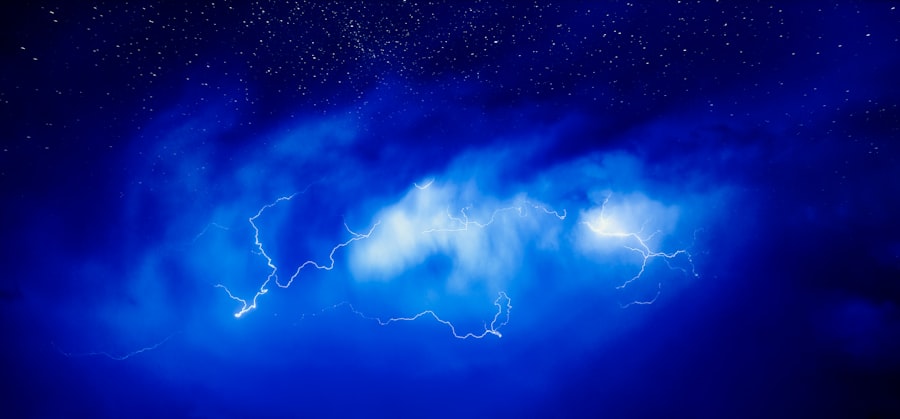
Solar storms can significantly impact Earth’s magnetic field, leading to geomagnetic fluctuations that can have far-reaching consequences. When charged particles from the sun collide with the Earth’s magnetosphere, they can cause disturbances that alter the magnetic field’s strength and orientation. These fluctuations can induce electric currents in conductive materials on Earth, including power lines and transformers.
The intensity of these geomagnetic storms varies depending on the scale of solar activity, with stronger storms posing greater risks to technological systems. The interaction between solar particles and Earth’s magnetic field can also lead to phenomena such as auroras, which are visible near the polar regions. While these displays are beautiful and awe-inspiring, they serve as a reminder of the underlying processes at play during solar storms.
The changes in the magnetic field can create conditions conducive to geomagnetically induced currents (GICs), which can flow through electrical infrastructure and potentially cause damage to transformers and other components of the power grid.
Solar Storms and Transformer Damage
| Metric | Description | Typical Range/Value | Impact on Transformers |
|---|---|---|---|
| Geomagnetic Induced Current (GIC) Intensity | Electric current induced in transformers due to geomagnetic storms | 0 to 100 A (Amperes) | High GIC can cause transformer saturation and overheating |
| Geomagnetic Storm Kp Index | Scale measuring geomagnetic activity (0-9) | 5 (minor storm) to 9 (extreme storm) | Higher Kp values correlate with increased risk of transformer damage |
| Transformer Hotspot Temperature Rise | Increase in internal temperature due to GIC-induced losses | Up to 30°C above normal operating temperature | Excessive temperature rise can degrade insulation and reduce lifespan |
| Frequency of Solar Storms | Number of significant solar storms per solar cycle (~11 years) | 10 to 20 major storms | More frequent storms increase cumulative transformer stress |
| Transformer Failure Rate During Storms | Percentage of transformers failing or damaged during major storms | 0.1% to 1% depending on grid vulnerability | Failure leads to power outages and costly repairs |
The relationship between solar storms and transformer damage is a critical area of concern for utility companies and infrastructure managers. When geomagnetic storms occur, they can induce GICs that flow through transformers, leading to overheating and potential failure. The risk of damage is particularly pronounced in large transformers that are integral to the power grid’s stability.
In some cases, transformer damage can result in widespread power outages, affecting millions of people. The consequences of such outages can be severe, ranging from disrupted communication systems to economic losses for businesses reliant on electricity.
As society continues to evolve and become more dependent on technology, understanding the vulnerabilities of transformers during solar storms becomes increasingly important. The potential for catastrophic failures underscores the need for proactive measures to protect these critical components of the electrical grid.
The Role of Geomagnetically Induced Currents (GICs) in Transformer Damage
Geomagnetically induced currents (GICs) are a direct consequence of solar storms and play a pivotal role in transformer damage.
Power lines and transformers are particularly susceptible to GICs due to their extensive networks of conductive materials.
When GICs flow through transformers, they can create excessive heat and stress on the insulation materials, leading to insulation breakdown and eventual failure. The severity of GICs during solar storms can vary based on several factors, including the strength of the storm and the geographical location of the infrastructure. Areas closer to the poles tend to experience stronger GICs due to their proximity to the magnetic field lines that guide solar particles toward Earth.
Consequently, regions with high-latitude power grids may be at greater risk for transformer damage during intense solar activity. Understanding GICs is essential for developing strategies to mitigate their impact on transformers and ensure the reliability of electrical systems.
Case Studies of Transformer Damage Caused by Solar Storms

Several notable case studies illustrate the damaging effects of solar storms on transformers and electrical infrastructure. One significant event occurred in March 1989 when a powerful geomagnetic storm caused a blackout in Quebec, Canada. The storm induced GICs that flowed through transformers in the Hydro-Québec power grid, leading to their failure and resulting in a widespread outage that lasted for several hours.
This incident highlighted the vulnerability of electrical systems to solar activity and prompted further research into protective measures. Another example is the 2003 Halloween solar storm series, which produced intense geomagnetic activity over several days. During this period, various utilities reported transformer malfunctions attributed to GICs induced by the storm.
While no widespread blackouts occurred during this event, it served as a wake-up call for utility companies regarding the potential risks posed by solar storms. These case studies underscore the importance of understanding historical events to inform future preparedness strategies.
Mitigating the Impact of Solar Storms on Transformers
To mitigate the impact of solar storms on transformers, utility companies and infrastructure managers must adopt proactive measures aimed at enhancing resilience against geomagnetic disturbances. One effective strategy involves monitoring solar activity through space weather forecasting systems that provide real-time data on solar flares and CMEs. By anticipating potential geomagnetic storms, utilities can take precautionary actions such as temporarily reducing load on vulnerable transformers or implementing protective devices designed to divert GICs away from critical components.
Additionally, investing in transformer design improvements can enhance their ability to withstand GICs. This may include using advanced materials with better insulation properties or incorporating built-in protection mechanisms that can detect abnormal current flows and automatically disconnect affected transformers from the grid. By prioritizing research and development in transformer technology, utilities can better prepare for future solar storm events and minimize potential damage.
Predicting Solar Storms and their Potential Impact on Transformers
Predicting solar storms is an essential aspect of preparing for their potential impact on transformers and electrical infrastructure. Advances in space weather forecasting have improved scientists’ ability to monitor solar activity and predict when geomagnetic storms may occur. Organizations such as NASA and the National Oceanic and Atmospheric Administration (NOAA) utilize satellite data and models to assess solar conditions and issue alerts regarding impending storms.
These predictions allow utility companies to implement contingency plans in advance of expected geomagnetic disturbances. By understanding the likelihood of a storm’s occurrence and its potential intensity, utilities can take proactive measures to protect transformers from damage caused by GICs. However, challenges remain in accurately forecasting the precise effects of solar storms on specific regions or infrastructure components, necessitating ongoing research in this field.
Strategies for Protecting Transformers from Solar Storm Damage
Protecting transformers from damage caused by solar storms requires a multifaceted approach that combines technology, planning, and education. One effective strategy involves installing surge protection devices that can help mitigate the effects of GICs by diverting excess currents away from sensitive equipment. These devices act as a first line of defense against unexpected surges caused by geomagnetic disturbances.
Furthermore, regular maintenance and inspections of transformers are crucial for identifying vulnerabilities before they lead to failures during solar storms. Utility companies should prioritize training personnel on recognizing signs of stress or damage related to GIC exposure. By fostering a culture of preparedness within organizations, utilities can enhance their resilience against solar storm impacts.
The Economic Impact of Solar Storm-Related Transformer Damage
The economic implications of transformer damage caused by solar storms can be substantial. Widespread power outages resulting from transformer failures can lead to significant financial losses for businesses reliant on electricity for operations. Additionally, repair costs for damaged transformers can be exorbitant, particularly for large units that require specialized expertise for maintenance or replacement.
Moreover, prolonged outages can disrupt supply chains and affect productivity across various sectors, leading to cascading economic effects that extend beyond immediate repair costs. As society becomes increasingly interconnected through technology, understanding these economic impacts is essential for justifying investments in protective measures against solar storm-related transformer damage.
Conclusion and Future Considerations for Solar Storms and Transformer Damage
In conclusion, solar storms represent a significant threat to modern electrical infrastructure, particularly transformers that are vital for power distribution. Understanding the mechanisms behind these phenomena and their potential impacts is crucial for developing effective mitigation strategies. As technology continues to evolve, so too must approaches to safeguarding against geomagnetic disturbances.
Future considerations should focus on enhancing predictive capabilities regarding solar storms while investing in research aimed at improving transformer resilience against GICs. By fostering collaboration between scientists, utility companies, and policymakers, society can better prepare for the challenges posed by solar storms and ensure a reliable energy supply in an increasingly electrified world.
Recent studies have highlighted the potential risks posed by solar storms to electrical infrastructure, particularly transformers. A related article discusses the implications of these solar events on power systems and the necessary precautions that can be taken to mitigate damage. For more in-depth information, you can read the article here: Solar Storm Transformer Damage Effects.
WATCH THIS! The $500 Billion Bet: Why America’s Biggest Dam Is Guaranteed to Fail
FAQs
What is a solar storm?
A solar storm, also known as a geomagnetic storm, is a disturbance in Earth’s magnetosphere caused by solar wind and solar flares emitted by the Sun. These storms can release large amounts of charged particles and electromagnetic radiation.
How can solar storms affect transformers?
Solar storms can induce geomagnetically induced currents (GICs) in power grids. These currents can flow through transformers, causing overheating, insulation damage, and in severe cases, permanent transformer failure.
What are the typical effects of transformer damage caused by solar storms?
Damage can include overheating, reduced efficiency, insulation breakdown, increased risk of short circuits, and in extreme cases, complete transformer burnout leading to power outages.
Why are transformers vulnerable to solar storms?
Transformers are vulnerable because GICs can cause direct current to flow through their windings, which are designed for alternating current. This can lead to saturation of the transformer core, overheating, and physical damage.
Can solar storms cause widespread power outages?
Yes, severe solar storms have the potential to cause widespread and prolonged power outages by damaging critical transformers and other components of the electrical grid.
How often do solar storms strong enough to damage transformers occur?
Severe solar storms are relatively rare but can occur during periods of high solar activity, typically every 11 years during the solar maximum phase of the solar cycle.
What measures can be taken to protect transformers from solar storm damage?
Protective measures include installing GIC blocking devices, improving transformer design, real-time monitoring of geomagnetic activity, grid operational adjustments during storms, and developing rapid response protocols.
Has there been any historical event where solar storms damaged transformers?
Yes, the March 1989 geomagnetic storm caused a major blackout in Quebec, Canada, due to transformer damage. Other events have also caused localized transformer failures and power disruptions.
Are all transformers equally susceptible to solar storm damage?
No, susceptibility varies based on transformer design, location, grounding practices, and the configuration of the power grid. Transformers in high-latitude regions are generally more vulnerable.
What role do power grid operators play during solar storms?
Power grid operators monitor space weather forecasts and geomagnetic activity to implement preventive measures such as load redistribution, temporarily shutting down vulnerable equipment, and coordinating rapid repairs if damage occurs.