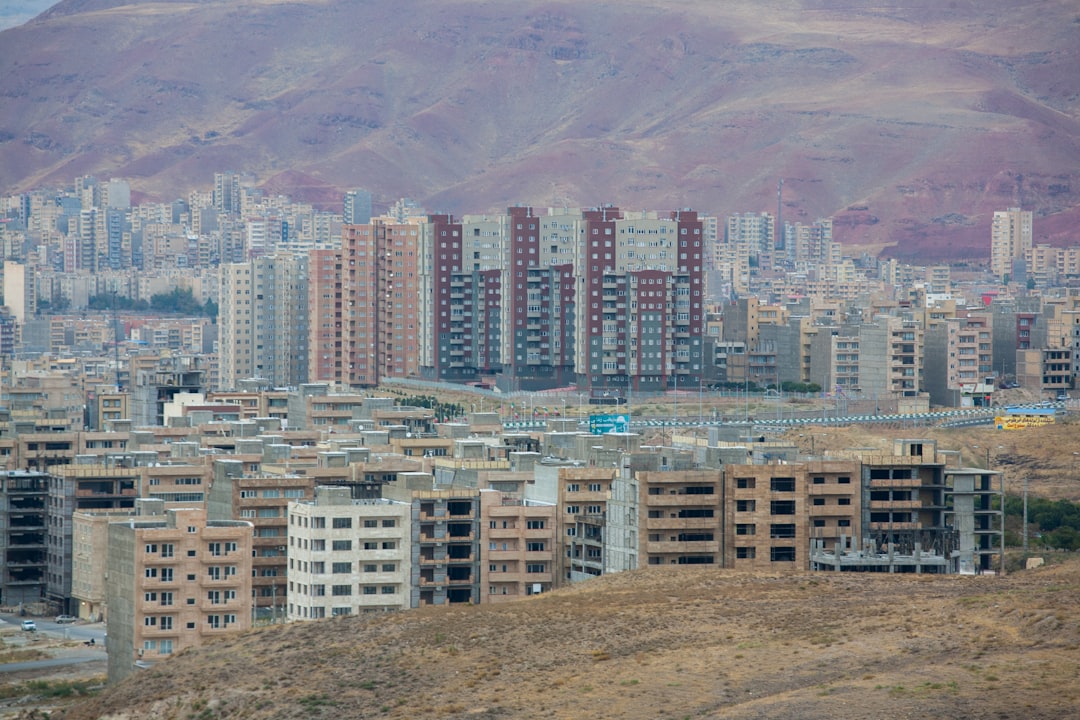
Settlement patterns refer to the ways in which populations distribute themselves across geographical areas, influenced by a myriad of factors including economic opportunities, cultural ties, and historical contexts. These patterns play a crucial role in shaping voting behavior, as they often dictate the social, economic, and political landscapes within which individuals reside. Understanding the relationship between where people live and how they vote is essential for comprehending the dynamics of electoral outcomes.
The interplay between settlement patterns and voting behavior reveals insights into the motivations and priorities of different communities, ultimately influencing policy decisions and governance. As societies evolve, so too do their settlement patterns, reflecting changes in demographics, migration trends, and urban development. The significance of these patterns extends beyond mere geography; they encapsulate the values, beliefs, and priorities of the populations that inhabit them.
By examining how various settlement types—urban, rural, suburban, and others—affect voting behavior, one can gain a deeper understanding of the complexities that underlie electoral processes. This exploration not only highlights the diversity of political thought across different regions but also underscores the importance of context in shaping individual and collective political actions.
These factors contribute to a distinct political culture that tends to lean more liberal or progressive compared to rural areas. In urban environments, issues such as social justice, environmental sustainability, and public transportation often take precedence in voters’ minds.
The presence of various interest groups and advocacy organizations further amplifies these concerns, leading to a voting behavior that reflects a collective desire for change and reform. Conversely, rural settlements typically exhibit a more conservative voting pattern. The values held by rural communities often emphasize tradition, self-reliance, and a strong connection to local culture and agriculture.
Voters in these areas may prioritize issues such as land use, agricultural policies, and rural healthcare access over broader social issues. This divergence in priorities can lead to stark contrasts in electoral outcomes between urban and rural regions, as candidates who resonate with the specific needs and values of these communities are more likely to succeed at the polls.
Key Takeaways
- Urban settlements tend to lean towards liberal voting behavior, while rural settlements tend to lean towards conservative voting behavior.
- Suburban settlements play a significant role in shaping voting patterns, as they can swing either liberal or conservative depending on various factors.
- Gentrification can lead to changes in voting behavior, as it often attracts more liberal-leaning residents to previously conservative areas.
- Ethnic enclaves can have a strong influence on voting behavior, as they often vote in alignment with their cultural and ethnic interests.
- Socioeconomic status plays a crucial role in voting behavior, with higher income areas tending to lean conservative and lower income areas tending to lean liberal.
The Role of Suburban Settlements in Shaping Voting Patterns
Suburban areas occupy a unique position in the landscape of American voting behavior. Often seen as a bridge between urban and rural settings, suburbs can exhibit characteristics of both environments. The demographic composition of suburban areas is frequently diverse, with a mix of socioeconomic backgrounds that can influence political leanings.
In recent decades, many suburbs have experienced significant demographic shifts due to factors such as immigration and changing family structures, which have contributed to evolving political attitudes. The suburban voter is often characterized by a desire for stability and quality of life improvements, leading to a focus on issues such as education, public safety, and infrastructure development. As suburban populations grow and diversify, their voting behavior can become increasingly unpredictable.
Candidates who can effectively address the unique concerns of suburban voters—balancing progressive ideals with traditional values—may find success in these pivotal electoral battlegrounds. The suburban vote has become increasingly influential in determining election outcomes, making it essential for political strategists to understand this demographic’s evolving preferences.
The Impact of Gentrification on Voting Behavior

Gentrification represents a complex phenomenon that can significantly alter the political landscape of urban areas. As neighborhoods undergo revitalization and attract higher-income residents, long-standing communities may experience displacement and cultural shifts. This transformation can lead to changes in voting behavior as new residents bring different priorities and political affiliations into the mix.
Gentrification often results in increased property values and investments in local infrastructure, which can create tensions between established residents and newcomers. The impact of gentrification on voting behavior is multifaceted. On one hand, new residents may advocate for progressive policies that align with their interests, such as affordable housing initiatives or improved public services.
On the other hand, long-term residents may feel marginalized or disenfranchised as their needs are overshadowed by those of wealthier newcomers. This dynamic can lead to polarized voting patterns within gentrifying neighborhoods, as different factions vie for political representation that reflects their distinct interests. Understanding these shifts is crucial for policymakers seeking to address the needs of all community members amidst rapid change.
The Effect of Ethnic Enclaves on Voting Behavior
| City | Ethnic Enclave Population | Voter Turnout |
|---|---|---|
| New York | 500,000 | 65% |
| Los Angeles | 400,000 | 55% |
| Chicago | 300,000 | 60% |
Ethnic enclaves are neighborhoods where specific ethnic or cultural groups reside in close proximity to one another. These communities often foster strong social networks and cultural ties that can significantly influence voting behavior. Members of ethnic enclaves may prioritize issues that directly affect their communities, such as immigration reform, language access services, and civil rights protections.
As a result, candidates who resonate with these concerns are more likely to garner support from voters within these enclaves. The voting behavior within ethnic enclaves can also be shaped by historical experiences and collective memory. For instance, communities with a history of marginalization may be more inclined to support candidates who advocate for social justice and equity.
Additionally, the presence of community organizations that mobilize voters can amplify political engagement within these neighborhoods. As ethnic enclaves continue to grow and evolve, their influence on broader electoral trends becomes increasingly significant, highlighting the importance of understanding cultural context in political analysis.
The Influence of Socioeconomic Status and Voting Behavior
Socioeconomic status (SES) plays a pivotal role in shaping voting behavior across different settlement patterns. Individuals from higher SES backgrounds often have access to resources that enable them to engage more actively in the political process—such as education, financial stability, and social capital. This engagement can manifest in higher voter turnout rates and greater participation in civic activities.
Conversely, those from lower SES backgrounds may face barriers that hinder their political participation, including economic instability and limited access to information about candidates and issues. The relationship between SES and voting behavior is further complicated by geographic factors. In urban areas with high levels of income inequality, for example, disparities in political engagement can be pronounced.
Wealthier neighborhoods may see higher voter turnout rates compared to lower-income areas where residents may feel disillusioned or disconnected from the political process. Understanding these dynamics is essential for addressing systemic inequalities in voter participation and ensuring that all voices are heard in the democratic process.
The Relationship between Religious Communities and Voting Patterns
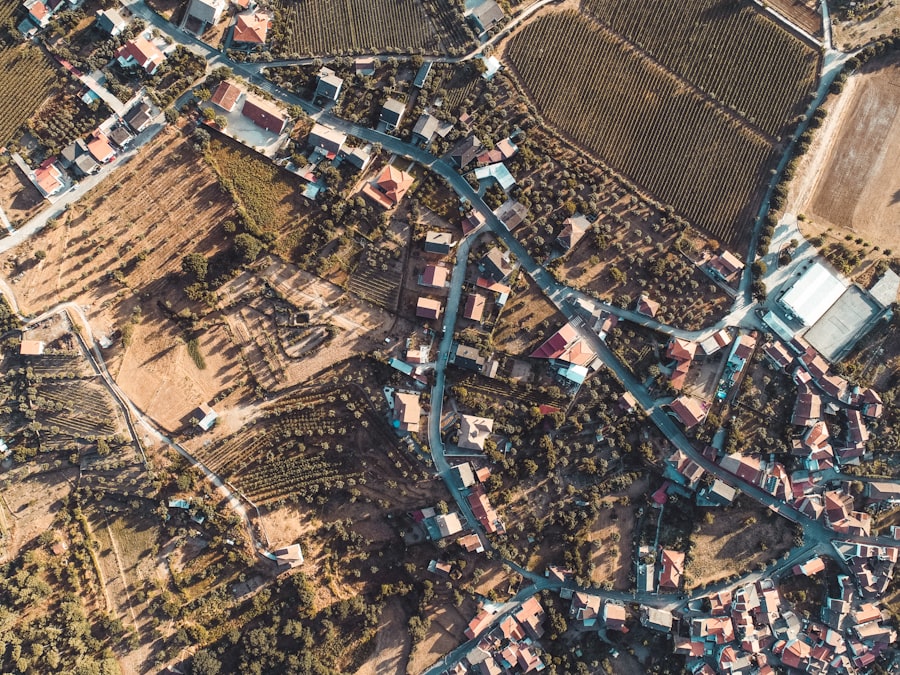
Religious communities often serve as important social networks that shape individuals’ values and beliefs, which in turn influence their voting behavior. Different faith traditions may prioritize distinct issues based on their teachings and community values. For instance, evangelical Christians may focus on issues such as abortion and family values, while more progressive religious groups might emphasize social justice and environmental stewardship.
These differing priorities can lead to varied voting patterns among religious communities. The geographic distribution of religious communities also plays a role in shaping voting behavior. In areas where certain faith groups are concentrated—such as Bible Belt regions or urban centers with diverse religious populations—voting patterns may reflect the dominant beliefs within those communities.
Additionally, religious leaders often mobilize their congregations around specific issues or candidates, further influencing electoral outcomes. Understanding the intersection of religion and politics is crucial for comprehending the complexities of voting behavior across different settlement patterns.
The Impact of Immigration and Settlement Patterns on Voting Behavior
Immigration has a profound impact on settlement patterns and subsequently on voting behavior. As new immigrants settle in specific regions—often forming tight-knit communities—they bring with them unique perspectives shaped by their experiences in their home countries. These perspectives can influence their political priorities and engagement levels once they become eligible voters.
Issues such as immigration reform, labor rights, and access to social services often resonate strongly within immigrant communities. The relationship between immigration and voting behavior is also shaped by external factors such as policy changes and societal attitudes toward immigrants. In times of heightened anti-immigrant sentiment or restrictive immigration policies, immigrant communities may mobilize politically to advocate for their rights and representation.
This mobilization can lead to increased voter turnout among immigrant populations as they seek to assert their voices in the democratic process. Understanding how immigration shapes settlement patterns provides valuable insights into the evolving landscape of American politics.
The Role of Education and Voting Behavior in Different Settlement Patterns
Education serves as a critical factor influencing voting behavior across various settlement patterns. Higher levels of educational attainment are often associated with increased political awareness and engagement. Individuals with advanced degrees tend to be more informed about political issues and are more likely to participate in elections compared to those with lower levels of education.
This trend holds true across urban, suburban, and rural settings but manifests differently depending on local contexts. In urban areas where educational institutions are concentrated, there may be greater opportunities for civic engagement through programs that promote voter education and participation. Conversely, rural areas may face challenges related to access to quality education and resources that facilitate political engagement.
As educational disparities persist across different settlement patterns, addressing these inequalities becomes essential for fostering an informed electorate capable of making meaningful contributions to the democratic process.
The Influence of Age and Generational Differences on Voting Behavior in Different Settlement Patterns
Age is another significant factor influencing voting behavior across various settlement patterns. Younger voters tend to prioritize issues such as climate change, social justice, and economic opportunity—often aligning with more progressive candidates. In contrast, older voters may focus on issues related to retirement security, healthcare access, and traditional values.
These generational differences can lead to distinct voting patterns within urban, suburban, and rural contexts. Settlement patterns also play a role in shaping generational attitudes toward politics. For instance, younger individuals living in urban areas may be more exposed to diverse perspectives through social networks and cultural experiences than their rural counterparts.
This exposure can foster progressive attitudes among younger urban voters while older generations may hold onto more conservative views shaped by their experiences growing up in different contexts. Understanding these generational dynamics is crucial for political campaigns seeking to engage voters across age groups effectively.
Understanding the Complex Relationship between Settlement Patterns and Voting Behavior
The intricate relationship between settlement patterns and voting behavior underscores the importance of context in understanding electoral dynamics. Urban, rural, suburban, gentrifying neighborhoods, ethnic enclaves—all contribute unique perspectives that shape how individuals engage with politics.
As societies continue to evolve through demographic shifts and changing cultural landscapes, recognizing these complexities becomes essential for fostering inclusive political participation. By understanding how settlement patterns influence voting behavior, policymakers can better address the needs of diverse communities while promoting equitable representation within the democratic process. Ultimately, this understanding serves not only to illuminate past electoral trends but also to inform future strategies aimed at engaging all citizens in meaningful ways.
Settlement patterns can significantly influence voting behaviors and outcomes in various regions. For a deeper understanding of this relationship, you can explore the article on the impact of geographic distribution on electoral results at this link. The article delves into how urban versus rural settlement patterns shape political preferences and voter turnout, providing valuable insights into the dynamics of electoral politics.
WATCH THIS! The Map You Trust Is A Lie: Why America Is Really 11 Rival Nations
FAQs
What are settlement patterns?
Settlement patterns refer to the way in which people have organized themselves in a particular area, including the distribution of population, the types of housing, and the arrangement of communities.
How do settlement patterns affect voting?
Settlement patterns can affect voting in various ways, such as influencing the demographic makeup of a voting district, the political leanings of different communities, and the accessibility of polling places for residents.
What are some examples of how settlement patterns can impact voting?
Examples of how settlement patterns can impact voting include the concentration of like-minded voters in certain areas, the gerrymandering of voting districts to favor a particular political party, and the influence of urban versus rural populations on election outcomes.
How do urban and rural settlement patterns differ in their impact on voting?
Urban settlement patterns tend to be more diverse and densely populated, leading to a greater mix of political opinions and a higher voter turnout. Rural settlement patterns, on the other hand, may be more homogenous and spread out, potentially leading to a more unified political stance and lower voter turnout.
What role do settlement patterns play in shaping political representation?
Settlement patterns can influence the allocation of political representation by determining the boundaries of voting districts, the demographics of elected officials, and the issues that are prioritized by policymakers based on the needs of different communities.