
Oil transport is a critical component of the global economy, facilitating the movement of crude oil and refined products from production sites to consumers worldwide. The intricate web of pipelines, tankers, and refineries underscores the importance of this industry, which not only fuels economies but also shapes geopolitical landscapes. However, the imposition of sanctions on oil transport has emerged as a significant tool for nations seeking to exert political pressure or influence.
These sanctions can disrupt established trade routes, alter market dynamics, and create ripple effects that extend far beyond the immediate targets. Sanctions targeting oil transport are often employed in response to perceived threats or violations of international norms. They can take various forms, including trade embargoes, asset freezes, and restrictions on financial transactions.
The implications of such measures are profound, affecting not only the sanctioned nations but also global oil markets and the economies of countries that rely on oil imports. As the world grapples with the complexities of energy security and geopolitical tensions, understanding the interplay between oil transport and sanctions becomes increasingly vital.
Key Takeaways
- Sanctions on oil transport have significant impacts on global trade, economy, and geopolitics.
- Different types of sanctions, such as embargoes and trade restrictions, can be imposed on oil transport.
- Sanctions can lead to disruptions in oil transport infrastructure and affect the operations of oil transport companies and vessels.
- Changes in oil transport routes and methods may occur as a result of sanctions, leading to economic consequences and environmental impacts.
- Potential solutions and workarounds, such as alternative transport routes and diplomatic negotiations, can be explored to mitigate the effects of sanctions on oil transport.
The Role of Oil in Global Trade and Economy
Oil serves as a cornerstone of the global economy, underpinning various sectors from transportation to manufacturing. It is a primary energy source that powers industries, fuels vehicles, and generates electricity. The significance of oil extends beyond its immediate utility; it is also a key driver of international trade.
Countries rich in oil reserves often find themselves at the center of global economic activity, with their exports influencing prices and availability in markets around the world. The interconnectedness of oil markets means that fluctuations in supply or demand can have far-reaching consequences. For instance, a disruption in oil transport due to sanctions can lead to price spikes, affecting not only consumers but also businesses reliant on stable energy costs.
Additionally, nations that depend heavily on oil imports may face economic instability if their supply chains are interrupted. This intricate relationship highlights the importance of maintaining secure and reliable oil transport networks in an increasingly volatile geopolitical landscape.
Types of Sanctions Imposed on Oil Transport
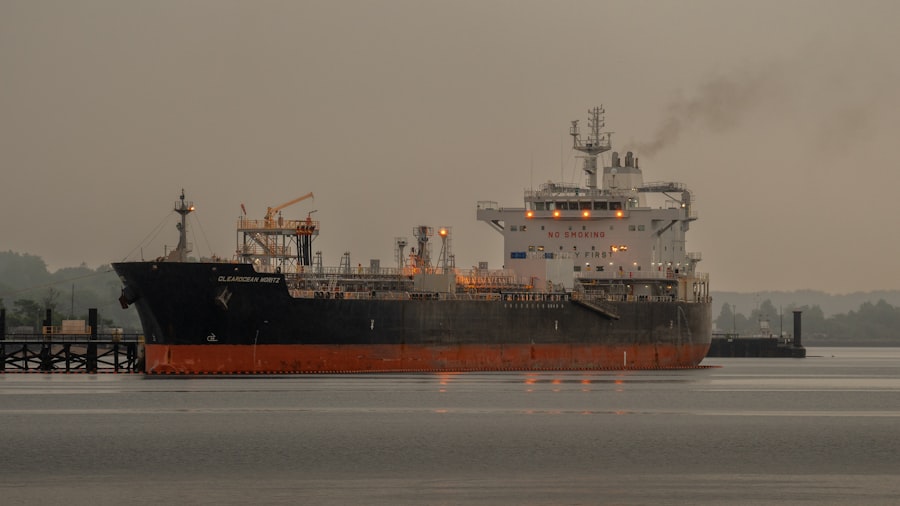
Sanctions imposed on oil transport can take several forms, each designed to achieve specific political objectives. One common type is trade embargoes, which prohibit the export or import of oil products from targeted countries. These embargoes can severely limit a nation’s ability to engage in international trade, leading to economic isolation and hardship for its citizens.
Another form of sanction involves financial restrictions that prevent companies from engaging in transactions related to oil sales, effectively cutting off access to global markets. Asset freezes are also a prevalent method used to target individuals or entities involved in oil transport. By freezing assets linked to oil companies or government officials, sanctioning nations aim to disrupt the flow of revenue generated from oil sales.
Additionally, sanctions may extend to shipping companies and vessels involved in transporting oil from sanctioned countries, creating a complex web of restrictions that complicate compliance for businesses operating in the sector. Each type of sanction carries its own set of challenges and consequences, both for the targeted nations and for the broader global economy.
Impact of Sanctions on Oil Transport Infrastructure
| Impact of Sanctions on Oil Transport Infrastructure |
|---|
| Decreased investment in maintenance and upgrades |
| Reduced capacity for oil transportation |
| Increased risk of accidents and spills |
| Higher transportation costs |
The imposition of sanctions can have a profound impact on oil transport infrastructure, leading to significant disruptions in operations. Sanctioned countries may find it increasingly difficult to maintain and upgrade their infrastructure due to restricted access to foreign investment and technology. This deterioration can result in inefficiencies and increased operational costs, further exacerbating the economic challenges faced by these nations.
Moreover, sanctions can lead to a decline in production levels as companies withdraw from operations or scale back investments in exploration and development.
As infrastructure deteriorates and production wanes, the ability of sanctioned nations to participate in international markets diminishes, creating a cycle of economic decline that can be difficult to reverse.
Effect of Sanctions on Oil Transport Companies and Vessels
Oil transport companies and vessels are often caught in the crossfire of sanctions imposed on specific nations. These companies face significant risks when engaging in trade with sanctioned countries, as they may be subject to legal repercussions or financial penalties if found in violation of sanctions. This uncertainty can lead to increased insurance costs and hesitance among shipping companies to operate in regions affected by sanctions.
Additionally, vessels involved in transporting oil from sanctioned nations may face restrictions on their access to ports or insurance coverage. This can result in delays and increased operational costs as companies seek alternative routes or methods for transporting oil. The cumulative effect of these challenges can lead to a contraction in the market for oil transport services, as companies reassess their risk exposure and adjust their business strategies accordingly.
Changes in Oil Transport Routes and Methods due to Sanctions
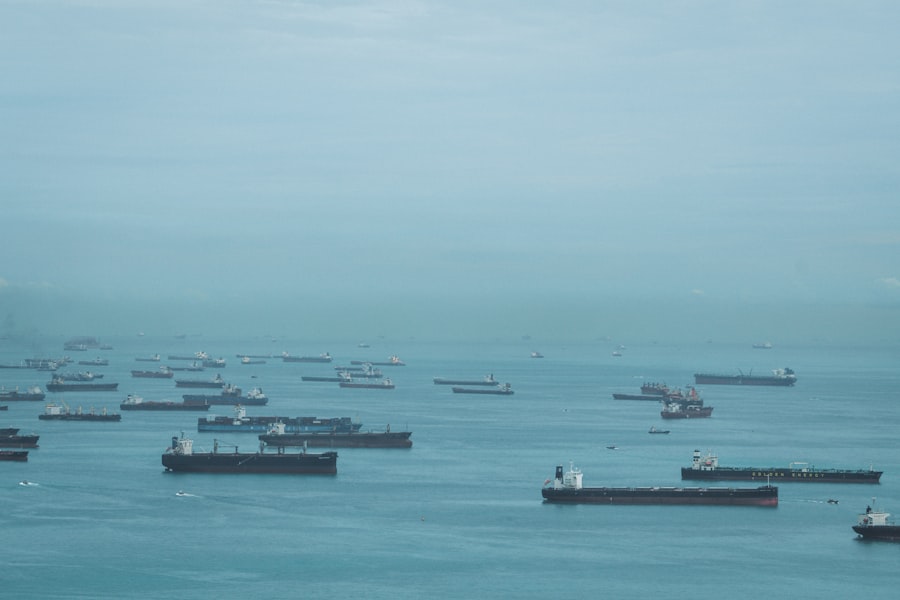
In response to sanctions, oil transport routes and methods often undergo significant changes as companies seek to navigate the complexities of compliance while maintaining profitability. One common strategy is the rerouting of shipments through less scrutinized channels or alternative ports that may not be subject to the same restrictions. This can involve longer transit times and increased costs but allows companies to continue operations despite sanctions.
Moreover, some companies may resort to using “flag-of-convenience” vessels—ships registered under countries with less stringent regulations—to evade detection and minimize risks associated with transporting sanctioned oil. This practice raises concerns about safety standards and environmental regulations, as these vessels may not adhere to the same protocols as those operating under stricter jurisdictions. The adaptation of transport routes and methods highlights the lengths to which companies will go to sustain their operations amid challenging geopolitical circumstances.
Economic Consequences of Sanctions on Oil Transport
The economic consequences of sanctions on oil transport extend beyond the immediate impact on targeted nations; they reverberate throughout the global economy. For countries imposing sanctions, there may be short-term gains in terms of political leverage or compliance with international norms. However, these benefits can be offset by rising oil prices resulting from supply disruptions, which can lead to inflationary pressures domestically.
For importing nations, sanctions can create vulnerabilities as they become reliant on alternative sources of oil that may be less stable or more expensive. This shift can lead to increased competition for available supplies, driving up prices and creating uncertainty in energy markets. Additionally, countries that have historically relied on sanctioned nations for their oil supply may face challenges in securing adequate volumes, leading to potential energy shortages or increased costs for consumers.
Environmental Impact of Sanctions on Oil Transport
The environmental impact of sanctions on oil transport is an often-overlooked aspect of this complex issue. As companies seek alternative routes or methods for transporting oil from sanctioned nations, there is a risk that environmental standards may be compromised. For instance, rerouting shipments through less regulated areas could increase the likelihood of spills or accidents due to inadequate safety measures.
Furthermore, the decline in investment in infrastructure maintenance and upgrades due to sanctions can exacerbate environmental risks associated with aging pipelines and facilities. Deteriorating infrastructure may lead to leaks or other environmental hazards that pose significant risks to local ecosystems and communities. The interplay between sanctions and environmental considerations underscores the need for a balanced approach that prioritizes both political objectives and ecological sustainability.
Political and Geopolitical Ramifications of Sanctions on Oil Transport
The political and geopolitical ramifications of sanctions on oil transport are profound and multifaceted. Sanctions can serve as a tool for nations seeking to exert influence over others or compel compliance with international norms. However, they can also lead to unintended consequences, such as fostering resentment among targeted nations or driving them closer together in opposition to perceived external threats.
Moreover, the shifting dynamics of global oil markets due to sanctions can alter alliances and partnerships among nations. Countries that find themselves isolated by sanctions may seek new alliances with other states willing to engage in trade despite restrictions. This realignment can create new geopolitical tensions as nations navigate competing interests in an increasingly multipolar world.
Potential Solutions and Workarounds for Oil Transport under Sanctions
In light of the challenges posed by sanctions on oil transport, various solutions and workarounds have emerged as companies seek to adapt to changing circumstances. One potential approach involves enhancing transparency and compliance measures within the industry to mitigate risks associated with engaging with sanctioned entities. By adopting robust due diligence practices, companies can better navigate the complexities of international regulations while minimizing exposure to legal repercussions.
Additionally, technological advancements may offer new avenues for circumventing some challenges associated with sanctions. Innovations such as blockchain technology could enhance traceability in oil supply chains, allowing companies to demonstrate compliance with regulations while maintaining operational efficiency. As the industry evolves in response to geopolitical pressures, finding creative solutions will be essential for sustaining oil transport operations under increasingly complex conditions.
Conclusion and Outlook for the Future of Oil Transport under Sanctions
The future of oil transport under sanctions remains uncertain as geopolitical tensions continue to shape global energy markets. While sanctions serve as a tool for political leverage, their implications extend far beyond immediate targets, affecting economies worldwide and raising critical questions about energy security and environmental sustainability. As nations grapple with these complexities, it is essential for stakeholders within the industry to remain vigilant and adaptable.
Looking ahead, the interplay between sanctions and oil transport will likely continue to evolve as new technologies emerge and geopolitical landscapes shift. Companies will need to navigate an increasingly complex regulatory environment while seeking innovative solutions that balance compliance with operational efficiency. Ultimately, fostering collaboration among nations and industry stakeholders will be crucial for ensuring a stable and sustainable future for oil transport amid ongoing geopolitical challenges.
Sanctions can significantly impact the global oil transport industry by restricting the movement of oil from sanctioned countries, leading to shifts in trade routes and increased transportation costs. These measures can also result in a decrease in the global oil supply, causing fluctuations in oil prices. For a deeper understanding of how these dynamics play out, you can explore a related article on this topic by visiting com/sample-page/’>this page.
This article provides insights into the complexities of oil transport under sanctions and the broader implications for the global economy.
WATCH THIS! One Narrow Strait Holds Global Economy Hostage
FAQs
What are sanctions?
Sanctions are measures taken by countries or international organizations to restrict or prohibit trade and economic activity with a particular country, group, or individual in order to achieve specific political or foreign policy goals.
How do sanctions affect oil transport?
Sanctions can affect oil transport by restricting the ability of sanctioned countries to import or export oil, as well as by limiting the access of sanctioned entities to international shipping and insurance services. This can result in disruptions to oil supply chains and increased costs for transporting oil.
What are the consequences of sanctions on oil transport?
The consequences of sanctions on oil transport can include higher shipping costs, longer delivery times, and disruptions to global oil supply. Sanctions can also lead to increased volatility in oil prices and impact the stability of global energy markets.
How do countries and companies navigate sanctions on oil transport?
Countries and companies may seek alternative shipping routes, suppliers, or transportation methods to bypass sanctions on oil transport. They may also engage in complex legal and financial arrangements to comply with sanctions while still conducting oil transport activities.
What are the potential long-term effects of sanctions on oil transport?
The long-term effects of sanctions on oil transport can include shifts in global oil trade patterns, the development of new transportation infrastructure, and changes in the geopolitical dynamics of the oil industry. Sanctions can also incentivize the development of alternative energy sources and technologies.