The oceans cover more than 70% of the Earth’s surface and function as a critical component of the planet’s climate system. They are dynamic systems that interact with the atmosphere, land, and living organisms through complex processes. The oceans regulate climate by absorbing heat, storing carbon, and influencing weather patterns.
Understanding these relationships is essential for comprehending the implications of climate change and the necessity for conservation efforts. As human activity drives unprecedented planetary changes, the health of ocean systems has become increasingly important. Rising temperatures, pollution, and overfishing threaten marine biodiversity and the stability of global climate systems.
The oceans absorb significant amounts of carbon dioxide and heat, acting as a buffer against climate change. However, their capacity to perform these functions is diminishing. This article examines various aspects of ocean systems and their role in climate regulation, emphasizing the connection between marine health and global climate stability.
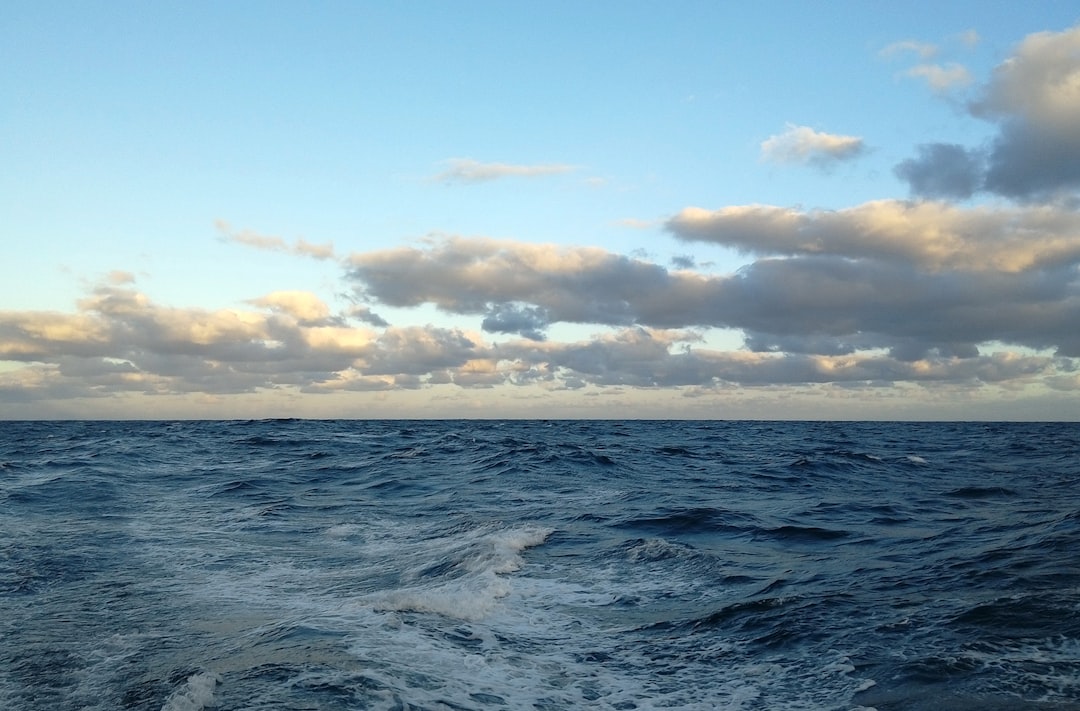
The treacherous waters of the Drake Passage are known for their unpredictable weather and powerful currents.
Key Takeaways
- Ocean currents and temperatures play a crucial role in regulating global climate and weather patterns.
- Ocean acidification and melting polar ice significantly disrupt ocean systems, exacerbating climate change effects.
- Oceanic carbon sequestration is vital for mitigating climate change by absorbing atmospheric CO2.
- Oceanic heat transport and feedback loops contribute to climate variability and influence long-term climate trends.
- Conserving ocean ecosystems is essential for maintaining climate stability and supporting effective climate action.
The Role of Ocean Currents in Climate Regulation
Ocean currents are like the planet’s conveyor belts, transporting warm and cold water across vast distances. These currents play a fundamental role in regulating climate by redistributing heat from the equator to the poles. For instance, the Gulf Stream carries warm water from the Gulf of Mexico up along the eastern coast of North America and across the Atlantic Ocean to Europe, significantly influencing the climate of these regions.
Without such currents, many areas would experience extreme temperature fluctuations, making them inhospitable for human life and ecosystems. Moreover, ocean currents also affect weather patterns and precipitation distribution. Changes in these currents can lead to shifts in climate zones, impacting agriculture, water supply, and biodiversity.
For example, alterations in the El Niño Southern Oscillation can result in severe droughts or floods across different parts of the world. As climate change continues to alter ocean temperatures and salinity levels, understanding the dynamics of ocean currents becomes increasingly crucial for predicting future climate scenarios.
The Influence of Ocean Temperatures on Global Climate
Ocean temperatures are a key indicator of climate change, as they directly influence atmospheric conditions. Warmer ocean waters can lead to increased evaporation rates, contributing to more intense storms and altered precipitation patterns. This phenomenon has been observed in recent years, with hurricanes becoming more powerful due to higher sea surface temperatures.
The relationship between ocean temperatures and atmospheric conditions underscores the importance of monitoring these changes to anticipate future climate impacts. Additionally, rising ocean temperatures can disrupt marine ecosystems, leading to coral bleaching and shifts in species distributions. These changes not only threaten marine biodiversity but also have cascading effects on human communities that rely on these ecosystems for food and livelihoods.
The interplay between ocean temperatures and global climate highlights the urgent need for comprehensive strategies to mitigate climate change and protect ocean health.
The Impact of Ocean Acidification on Climate Change
Ocean acidification is a direct consequence of increased carbon dioxide emissions, as the oceans absorb approximately 30% of atmospheric CO2. This process leads to a decrease in pH levels, making seawater more acidic. The implications of ocean acidification are profound, particularly for marine organisms that rely on calcium carbonate for their shells and skeletons, such as corals and shellfish.
As these organisms struggle to survive in more acidic waters, entire ecosystems face collapse, which can further exacerbate climate change. The impact of ocean acidification extends beyond marine life; it also affects human communities that depend on healthy oceans for their economic well-being. Fisheries may suffer as key species decline, leading to food insecurity and loss of livelihoods for millions around the world.
Addressing ocean acidification is thus essential not only for marine conservation but also for safeguarding human populations from the adverse effects of climate change.
The Importance of Oceanic Carbon Sequestration in Climate Mitigation
| Ocean System | Climate Impact | Key Metrics | Example Data |
|---|---|---|---|
| Thermohaline Circulation | Regulates global climate by distributing heat | Water temperature, salinity, circulation speed | Atlantic Meridional Overturning Circulation (AMOC) speed: ~17.5 Sv (Sverdrups) |
| El Niño-Southern Oscillation (ENSO) | Influences global weather patterns and temperature | Sea surface temperature anomalies, atmospheric pressure | Sea surface temperature anomaly: +0.5 to +2.0 °C during El Niño events |
| Ocean Heat Uptake | Absorbs excess atmospheric heat, moderating climate change | Heat content (Joules), temperature increase (°C) | Upper 700m ocean heat content increase: ~0.4 x 10^22 Joules per decade |
| Carbon Sequestration | Removes CO2 from atmosphere, mitigating greenhouse effect | CO2 uptake rate (GtC/year), dissolved inorganic carbon | Oceans absorb ~2.5 GtC/year of anthropogenic CO2 |
| Sea Ice Extent | Influences albedo and global temperature regulation | Sea ice area (million km²), seasonal variability | Arctic sea ice minimum extent: ~3.7 million km² (recent average) |
The oceans play a crucial role in carbon sequestration, acting as a significant sink for atmospheric carbon dioxide. Phytoplankton, microscopic plants that inhabit the upper layers of the ocean, absorb CO2 during photosynthesis, converting it into organic matter. When these organisms die, some of this carbon sinks to the ocean floor, effectively removing it from the atmosphere for long periods.
This natural process is vital for mitigating climate change by reducing greenhouse gas concentrations. However, human activities are disrupting this delicate balance.
Protecting and restoring marine ecosystems is essential for enhancing their capacity for carbon sequestration. Initiatives such as marine protected areas can help safeguard these vital habitats, ensuring that they continue to function effectively in combating climate change.
The Role of Oceanic Heat Transport in Climate Variability
Oceanic heat transport is a critical mechanism that influences climate variability on both regional and global scales. The movement of warm water from equatorial regions toward the poles helps regulate temperature differences across latitudes. This process is essential for maintaining stable climates; however, changes in heat transport due to climate change can lead to significant disruptions.
For instance, alterations in oceanic heat transport can affect atmospheric circulation patterns, leading to extreme weather events such as prolonged droughts or heavy rainfall in certain regions. These changes can have far-reaching consequences for agriculture, water resources, and overall ecosystem health. Understanding how oceanic heat transport interacts with other climate systems is vital for developing effective adaptation strategies in response to ongoing climate change.
The Effect of Oceanic Circulation on Weather Patterns
Oceanic circulation plays a fundamental role in shaping weather patterns around the globe. The movement of warm and cold water influences atmospheric pressure systems, which in turn affect wind patterns and precipitation distribution. For example, the North Atlantic Oscillation is closely linked to variations in oceanic circulation and can lead to significant changes in winter weather across Europe and North America.
As climate change alters oceanic circulation patterns, it is likely that weather extremes will become more frequent and intense. This could result in increased flooding in some areas while others may experience severe droughts. Understanding these connections is crucial for improving weather forecasting models and preparing communities for potential impacts associated with changing weather patterns.
The Contribution of Oceanic Ecosystems to Climate Stability
Oceanic ecosystems are not only vital for marine biodiversity but also play a significant role in maintaining climate stability. Coral reefs, mangroves, and seagrass beds provide essential services such as carbon storage, coastal protection, and habitat for numerous species. These ecosystems act as buffers against climate impacts by absorbing excess carbon dioxide and reducing coastal erosion.
However, human activities such as coastal development, pollution, and overfishing threaten these critical habitats. Protecting and restoring oceanic ecosystems is essential for enhancing their resilience to climate change while ensuring they continue to provide vital services to both marine life and human communities. Conservation efforts must prioritize these ecosystems to maintain their contributions to global climate stability.
The Influence of Oceanic Feedback Loops on Climate Change
Oceanic feedback loops are complex interactions that can either amplify or mitigate climate change effects. For instance, as global temperatures rise, polar ice melts, leading to decreased albedo—the reflection of sunlight—resulting in further warming as more heat is absorbed by darker ocean waters. This feedback loop accelerates climate change impacts and poses significant challenges for global efforts to limit temperature rise.
Conversely, healthy oceans can help mitigate some effects of climate change through processes like carbon sequestration and heat absorption. However, if ocean health continues to decline due to pollution and overexploitation, these positive feedback mechanisms may weaken or fail altogether. Understanding these feedback loops is crucial for developing effective strategies to combat climate change while promoting ocean conservation.
The Impact of Melting Polar Ice on Ocean Systems and Climate
The melting of polar ice caps is one of the most visible indicators of climate change and has profound implications for ocean systems and global climate patterns. As ice melts, it contributes freshwater to the oceans, altering salinity levels and potentially disrupting ocean currents that regulate temperature and weather patterns worldwide. This disruption can lead to unpredictable climatic shifts that affect ecosystems and human populations alike.
Moreover, melting ice reduces albedo effect—where bright ice reflects sunlight—resulting in increased absorption of solar energy by darker ocean waters. This creates a feedback loop that accelerates warming and further ice melt. The consequences extend beyond polar regions; changes in ocean systems can influence weather patterns globally, leading to extreme events such as hurricanes or droughts in distant areas.
The Need for Ocean Conservation in Climate Action
In conclusion, the intricate relationship between ocean systems and climate underscores the urgent need for concerted conservation efforts. As oceans face unprecedented threats from human activities and climate change impacts, protecting these vital ecosystems becomes paramount for ensuring global climate stability. The oceans are not just passive observers; they are active participants in regulating our planet’s climate.
To effectively address climate change, it is essential to integrate ocean conservation into broader environmental policies and initiatives. This includes establishing marine protected areas, reducing pollution, promoting sustainable fishing practices, and investing in research to better understand ocean dynamics. By prioritizing ocean health alongside efforts to reduce greenhouse gas emissions, humanity can work towards a more sustainable future where both people and nature thrive together in harmony with our planet’s complex systems.
Ocean systems play a crucial role in regulating the Earth’s climate, influencing weather patterns and temperature fluctuations. For a deeper understanding of this relationship, you can explore the article on the impact of ocean currents on climate change. This article provides valuable insights into how these currents distribute heat across the planet and affect atmospheric conditions. To read more, visit this link.
WATCH THIS 🛑 Drake Passage: Earth’s Deadliest Waters Revealed
FAQs
What role do ocean systems play in regulating the Earth’s climate?
Ocean systems regulate Earth’s climate by distributing heat around the globe through currents, storing large amounts of carbon dioxide, and influencing weather patterns. They act as a heat reservoir, absorbing solar energy and releasing it slowly, which helps moderate temperature extremes.
How do ocean currents affect global climate?
Ocean currents transport warm and cold water across different regions, affecting air temperatures and precipitation patterns. For example, the Gulf Stream carries warm water from the tropics to the North Atlantic, warming Western Europe, while cold currents can cool coastal areas.
What is the relationship between oceans and the carbon cycle?
Oceans absorb about a quarter of the carbon dioxide emitted by human activities, acting as a major carbon sink. Phytoplankton in the ocean also use CO2 for photosynthesis, which helps regulate atmospheric carbon levels and influences global climate.
How do changes in ocean temperature impact climate?
Rising ocean temperatures can lead to more intense and frequent weather events such as hurricanes and typhoons. Warmer oceans also contribute to sea level rise through thermal expansion and melting of polar ice, which affects coastal climates and ecosystems.
Can ocean systems influence long-term climate patterns?
Yes, ocean systems influence long-term climate patterns such as El Niño and La Niña, which cause significant variations in temperature and precipitation worldwide. These patterns can last for months or years and have widespread impacts on agriculture, water resources, and ecosystems.
How does ocean salinity affect climate?
Ocean salinity influences the density of seawater, which drives thermohaline circulation—a global conveyor belt of ocean currents. Changes in salinity can disrupt this circulation, potentially altering climate patterns by affecting heat distribution in the oceans.
What impact does ocean acidification have on climate systems?
Ocean acidification, caused by increased CO2 absorption, affects marine life and ecosystems that play a role in carbon cycling. Disruptions to these systems can reduce the ocean’s ability to sequester carbon, potentially exacerbating climate change.
How do ocean systems interact with the atmosphere to influence weather?
Oceans exchange heat, moisture, and gases with the atmosphere, influencing weather systems. Evaporation from the ocean surface contributes to cloud formation and precipitation, while sea surface temperatures can affect storm development and intensity.