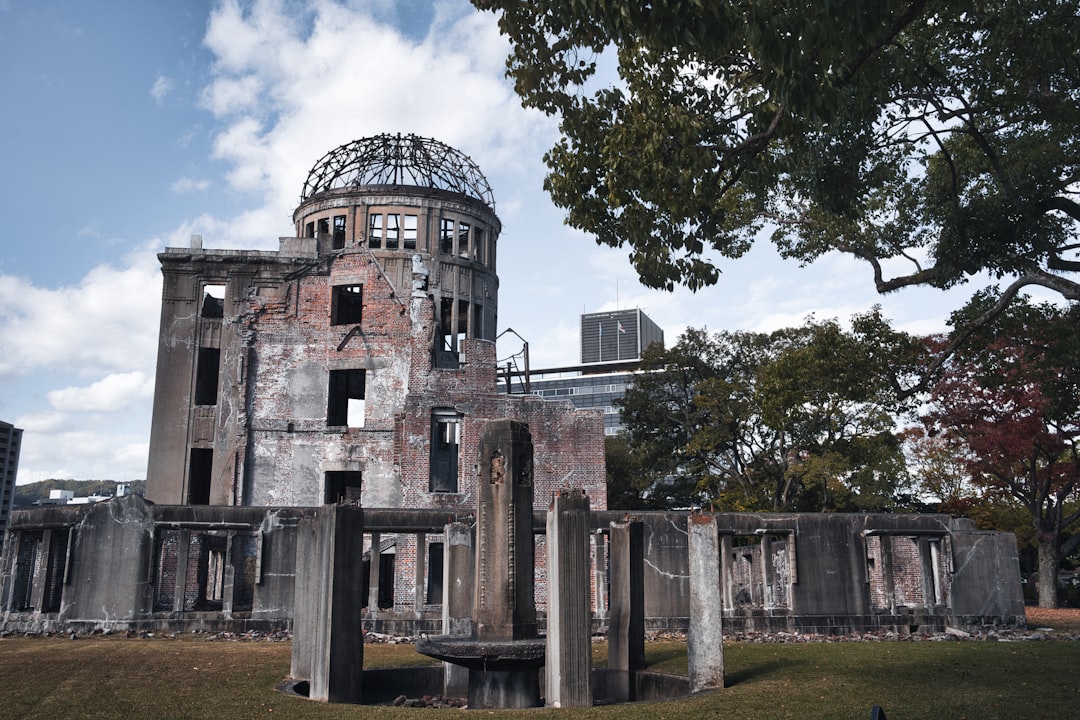
Nuclear colonialism in the Pacific represents a complex and troubling chapter in the history of international relations, particularly concerning the treatment of indigenous populations. This term encapsulates the exploitation and marginalization of Pacific Island nations by powerful states, primarily during the Cold War era, when nuclear testing became a strategic priority. The Pacific Islands, rich in culture and natural resources, were often viewed as mere testing grounds for nuclear capabilities, leading to profound and lasting consequences for the local communities.
The legacy of these actions continues to resonate today, as the impacts of nuclear testing are felt across generations. The concept of nuclear colonialism extends beyond mere military strategy; it encompasses a broader narrative of environmental degradation, health crises, and cultural dislocation. The Pacific Islands, once vibrant with life and tradition, have been irrevocably altered by the fallout from nuclear tests.
As the world grapples with the implications of nuclear energy and weaponry, it is crucial to understand the historical context and ongoing ramifications of these actions on the Pacific Island nations and their peoples.
Key Takeaways
- Nuclear colonialism in the Pacific has had far-reaching impacts on the environment, health, culture, and economy of Pacific Island communities.
- Historical context reveals a pattern of nuclear testing by colonial powers in the Pacific, leading to long-term consequences for the affected populations.
- The environmental and health impacts of nuclear testing have resulted in widespread contamination and health issues for Pacific Island communities.
- Displacement and cultural impacts have disrupted traditional ways of life and led to the loss of indigenous knowledge and practices.
- The economic impacts of nuclear colonialism have hindered the development and prosperity of Pacific Island nations, perpetuating a cycle of dependency and inequality.
Historical Context of Nuclear Testing in the Pacific
The historical backdrop of nuclear testing in the Pacific is marked by a series of significant events that began in the mid-20th century. Following World War II, the United States and France established testing sites in various Pacific territories, including Bikini Atoll and Mururoa Atoll. These locations were chosen for their remote nature and perceived lack of political power among the indigenous populations.
The first test conducted by the United States in 1946 at Bikini Atoll marked the beginning of a series of detonations that would continue for decades, culminating in a total of over 100 atmospheric tests. The motivations behind these tests were deeply intertwined with geopolitical strategies during the Cold War. The Pacific became a stage for demonstrating military prowess, with little regard for the consequences faced by local communities.
The indigenous peoples of these islands were often not informed about the dangers posed by nuclear testing, leading to catastrophic health and environmental outcomes. The historical context reveals a pattern of exploitation and disregard for human rights that has shaped the narrative of nuclear colonialism in the region.
Environmental and Health Impacts of Nuclear Testing
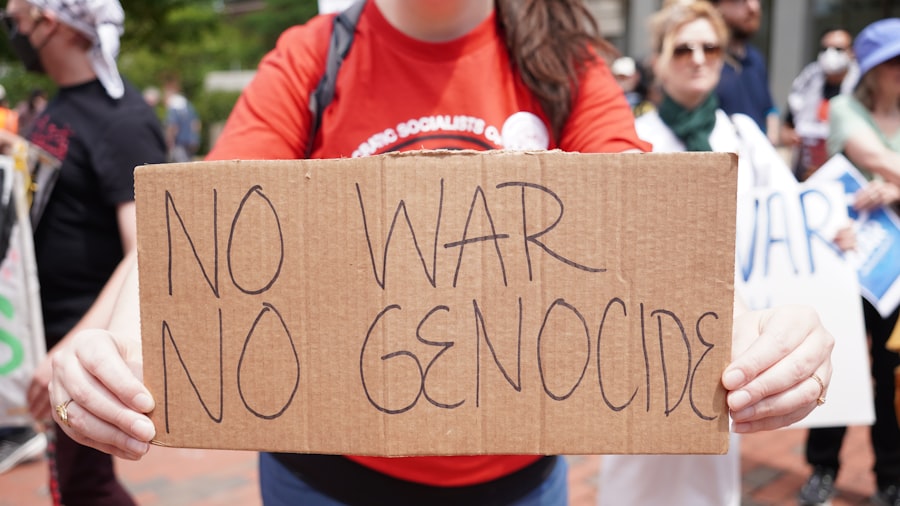
The environmental consequences of nuclear testing in the Pacific are profound and far-reaching. The detonation of nuclear devices resulted in widespread contamination of land and water, leading to long-term ecological damage. Radioactive fallout settled on islands and atolls, rendering them uninhabitable and disrupting local ecosystems.
Marine life, a crucial source of sustenance for many island communities, was also severely affected, leading to declines in fish populations and contamination of traditional food sources.
Many residents exposed to radiation during tests have reported a range of health issues, including cancers, autoimmune diseases, and reproductive problems.
The legacy of these health crises continues to affect subsequent generations, as genetic mutations and other health complications emerge. The failure to provide adequate medical care or compensation for affected individuals has further exacerbated the suffering experienced by these communities, highlighting the ongoing injustices stemming from nuclear colonialism.
Displacement and Cultural Impacts on Pacific Island Communities
| Community | Displacement | Cultural Impacts |
|---|---|---|
| Kiribati | High | Loss of traditional land and livelihood |
| Tuvalu | High | Threat to traditional practices and knowledge |
| Marshall Islands | High | Loss of cultural heritage sites |
| Fiji | Moderate | Impact on traditional ceremonies and rituals |
Displacement is one of the most tragic outcomes of nuclear testing in the Pacific. Entire communities were forcibly relocated from their ancestral lands to make way for testing sites, resulting in a profound loss of cultural identity and connection to place. For many Pacific Islanders, land is not merely a physical space but a vital component of their cultural heritage and spiritual beliefs.
The uprooting of these communities has led to a disconnection from traditional practices, languages, and ways of life. The cultural impacts extend beyond physical displacement; they also encompass psychological trauma and loss of community cohesion. Many individuals have struggled with feelings of alienation and grief as they navigate life away from their homelands.
The intergenerational trauma associated with these experiences has created a complex web of challenges for Pacific Island communities, as they strive to preserve their cultural identities while grappling with the legacies of colonialism and nuclear testing.
Economic Impacts of Nuclear Colonialism
The economic ramifications of nuclear colonialism in the Pacific are multifaceted and often detrimental to local communities. While some nations received financial compensation or development aid following nuclear testing, these funds have frequently fallen short of addressing the extensive damage inflicted on both people and land.
Moreover, the environmental degradation caused by nuclear testing has had lasting effects on traditional livelihoods such as fishing and agriculture. Contaminated waters and soils have diminished food security for many islanders, forcing them to rely on imported goods that are often expensive and unsustainable. This economic vulnerability is compounded by limited access to resources and opportunities for development, leaving many Pacific Island nations struggling to build resilient economies in the face of ongoing challenges.
Political Implications of Nuclear Testing in the Pacific
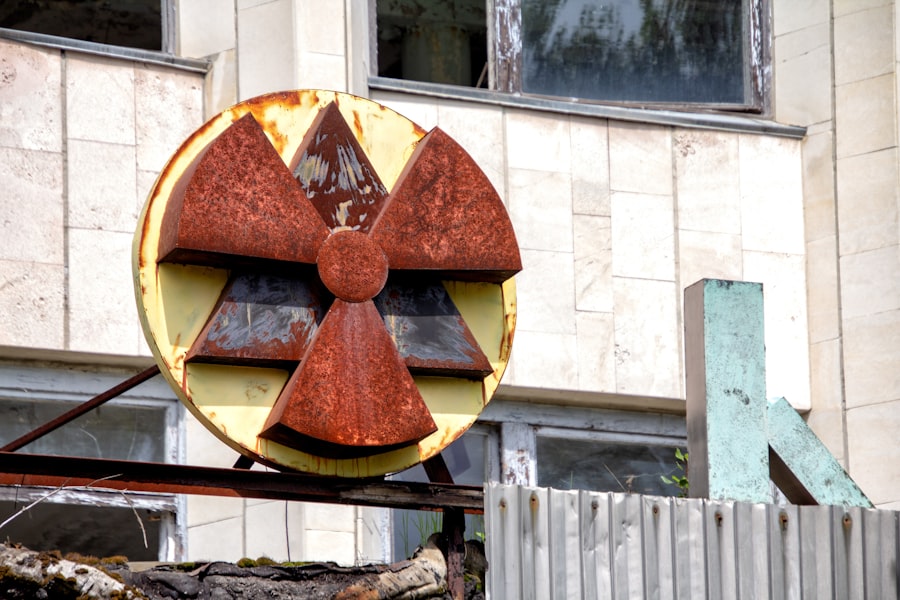
The political landscape surrounding nuclear testing in the Pacific is fraught with tension and complexity. The legacy of colonialism continues to shape relationships between Pacific Island nations and former colonial powers. Many island nations have sought recognition and reparations for the injustices they have endured, yet political negotiations often stall due to competing interests and geopolitical considerations.
Furthermore, the issue of nuclear testing has become intertwined with broader discussions about sovereignty and self-determination. As Pacific Island nations advocate for their rights on international platforms, they face challenges from powerful states that may prioritize strategic interests over humanitarian concerns. This dynamic underscores the need for greater solidarity among affected nations as they navigate the political implications of their shared history.
Resistance and Activism Against Nuclear Colonialism
In response to the injustices wrought by nuclear colonialism, grassroots movements and activism have emerged across the Pacific Islands. Local communities have mobilized to demand accountability from governments and international organizations, advocating for reparations, environmental restoration, and health support for affected individuals. These movements often draw on traditional knowledge systems and cultural practices to assert their rights and reclaim their narratives.
Activists have also sought to raise awareness on global platforms about the ongoing impacts of nuclear testing. By sharing personal stories and highlighting the resilience of their communities, they aim to challenge dominant narratives that overlook or minimize the experiences of Pacific Islanders. This resistance is not only about seeking justice for past wrongs but also about envisioning a future where indigenous voices are heard and respected in discussions about nuclear policy and environmental stewardship.
International Response and Support for Affected Pacific Island Nations
The international response to nuclear colonialism in the Pacific has been varied, with some nations offering support while others remain silent on the issue. Organizations such as the United Nations have acknowledged the plight of affected communities, yet concrete actions often lag behind rhetoric. Many Pacific Island nations have called for greater international solidarity in addressing their grievances, emphasizing that this is not solely a regional issue but one that resonates globally.
Support from non-governmental organizations (NGOs) has also played a crucial role in amplifying voices from affected communities. These organizations work to document human rights abuses, provide legal assistance, and advocate for policy changes at national and international levels. However, challenges remain in ensuring that affected communities are at the forefront of decision-making processes regarding their futures.
Legal and Justice Issues Surrounding Nuclear Testing in the Pacific
Legal frameworks surrounding nuclear testing in the Pacific are complex and often inadequate in addressing historical injustices. Many affected individuals have sought legal recourse through national courts or international tribunals; however, these efforts frequently encounter obstacles such as jurisdictional limitations or lack of political will from powerful states. The pursuit of justice is further complicated by issues related to evidence collection and documentation of health impacts.
The quest for accountability has led some Pacific Island nations to advocate for comprehensive treaties that address reparations for affected communities. These legal initiatives aim not only to secure compensation but also to establish mechanisms for environmental restoration and health support. However, achieving meaningful legal redress remains an uphill battle as affected communities continue to navigate a landscape shaped by power imbalances and historical neglect.
Current Challenges and Future Prospects for Pacific Island Communities
As Pacific Island communities confront the legacy of nuclear colonialism, they face numerous challenges that threaten their futures. Climate change poses an existential threat to many low-lying islands, exacerbating issues related to displacement, food security, and health. The intersectionality of these challenges underscores the need for holistic approaches that address both environmental sustainability and social justice.
Despite these challenges, there is hope for resilience among Pacific Island communities. Efforts to revitalize cultural practices, strengthen local economies, and advocate for environmental protection are gaining momentum. By fostering solidarity among affected nations and engaging with global movements for justice, Pacific Islanders are working towards a future where their rights are recognized, their voices are amplified, and their cultures are preserved.
Addressing the Legacy of Nuclear Colonialism in the Pacific
The legacy of nuclear colonialism in the Pacific is a poignant reminder of the enduring impacts of colonial exploitation on indigenous peoples. As communities continue to grapple with environmental degradation, health crises, displacement, and cultural dislocation, it is imperative that both local and global actors acknowledge this history and work towards meaningful reparations and justice. Addressing these legacies requires not only recognition but also concerted efforts to empower affected communities in shaping their futures.
In moving forward, it is essential that international dialogue prioritizes the voices of those most impacted by nuclear testing. By fostering collaboration between governments, NGOs, and indigenous communities, there exists an opportunity to create pathways toward healing and restoration. Ultimately, addressing the legacy of nuclear colonialism in the Pacific is not just about rectifying past wrongs; it is about building a more just and equitable future for all who call these islands home.
Nuclear colonialism in the Pacific has been a significant issue, with lasting impacts on the environment and the health of local populations. An article that delves into the broader implications of such practices is available on MyGeoQuest. This piece explores the historical context and ongoing consequences of nuclear testing in the region, highlighting the struggles of indigenous communities. For more detailed insights, you can read the full article by visiting MyGeoQuest.
FAQs
What is nuclear colonialism in the Pacific?
Nuclear colonialism in the Pacific refers to the historical and ongoing impact of nuclear testing and waste disposal by colonial powers, particularly the United States and France, in the Pacific region. This has had devastating effects on the environment, health, and culture of the indigenous peoples in the Pacific.
When did nuclear colonialism in the Pacific begin?
Nuclear colonialism in the Pacific began in the mid-20th century when the United States and France conducted numerous nuclear tests in the region. The United States conducted tests in the Marshall Islands and French Polynesia, while France conducted tests in French Polynesia.
What are the effects of nuclear colonialism in the Pacific?
The effects of nuclear colonialism in the Pacific include environmental degradation, health issues such as cancer and birth defects, displacement of indigenous communities, and loss of traditional livelihoods. The impact has been felt across generations and continues to affect the region today.
How have the indigenous peoples in the Pacific been affected by nuclear colonialism?
The indigenous peoples in the Pacific have been disproportionately affected by nuclear colonialism, experiencing higher rates of cancer, thyroid disorders, and other health issues as a result of exposure to nuclear radiation. Their traditional lands and waters have also been contaminated, impacting their way of life and cultural practices.
What is being done to address nuclear colonialism in the Pacific?
Efforts are being made to address nuclear colonialism in the Pacific, including advocacy for recognition of the impacts, compensation for affected communities, and environmental remediation. Additionally, there are calls for the complete cessation of nuclear testing and the cleanup of contaminated sites in the region.