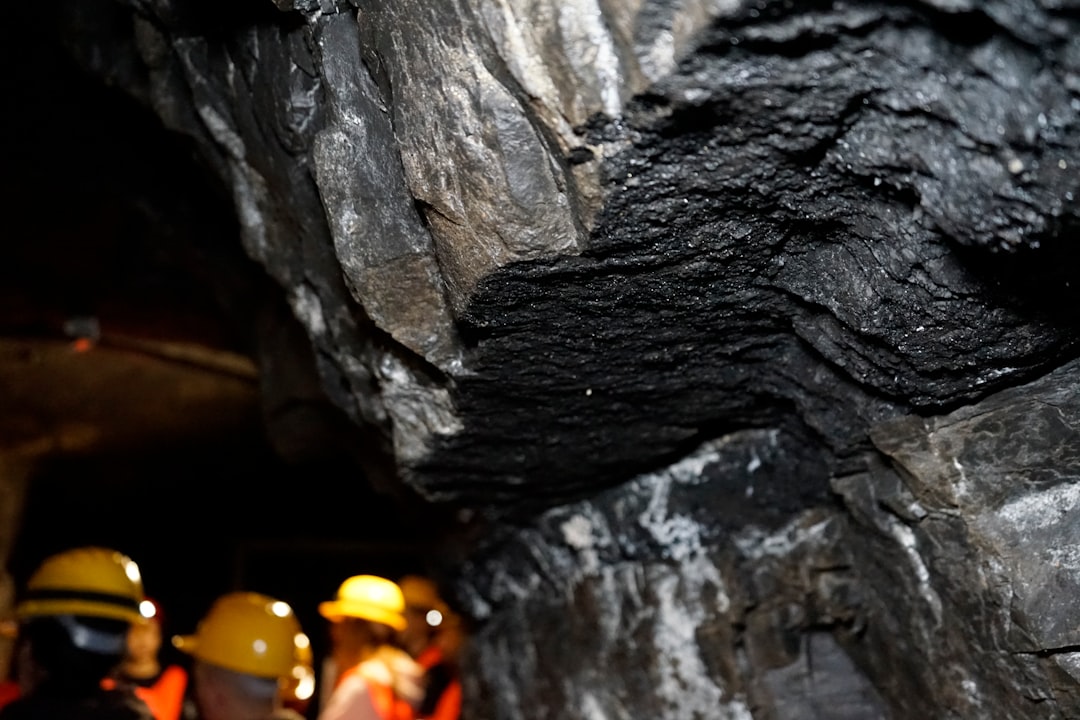
The Great Salt Lake, a sprawling, hypersaline remnant of ancient Lake Bonneville, is a vital ecological, economic, and cultural touchstone for the Intermountain West. However, this unique inland sea faces a precarious future, profoundly shaped by the multifaceted impacts of mining and refining operations within its watershed. These industries, while contributing significantly to regional economies, exert considerable pressure on the lake’s delicate ecosystem, from abstracting its lifeblood water to introducing and concentrating pollutants. Understanding these impacts is crucial for navigating the complex challenges of balancing resource extraction with the imperative of preserving this irreplaceable natural wonder.
The most visceral and undeniable impact of industries operating near the Great Salt Lake is the relentless demand for its water. While direct mining operations might not always be situated on the lake’s immediate shores, the vast network of infrastructure and industrial processes supporting them invariably draws from the same river systems that feed the lake. This diversion of water, particularly during periods of drought, acts like a slow, steady leak in a grand reservoir, diminishing its volume and concentrating its salinity to levels that push the boundaries of life.
Agriculture’s Thirsty Embrace
While not directly a mining or refining activity, agriculture in the Great Salt Lake watershed is a colossal consumer of water, often exceeding the demands of other sectors. The irrigation of crops, particularly alfalfa, consumes a substantial portion of the inflow from rivers like the Bear, Weber, and Jordan. This agricultural demand, deeply intertwined with the economic fabric of surrounding communities, indirectly magnifies the water stress on the lake. When water managers are forced to allocate dwindling resources, agricultural needs often take precedence, further reducing the flow reaching the Great Salt Lake. It acts as a powerful vacuum, pulling water away before it can even reach its destination.
Industrial Water Consumption: A Hidden Drain
Beyond agriculture, industrial processes themselves are significant water users. Mining operations, in their extensive need for dust suppression, ore processing, and cooling, require substantial quantities of water. Refining processes, which often involve extensive washing and chemical treatments, add to this demand. While individual industrial water rights might appear modest in comparison to agricultural tracts, the cumulative effect of numerous industrial facilities, often operating continuously, represents a significant drain on the watershed’s hydrology. These industrial water needs, though often seen as essential for economic output, are like persistent drips from a faucet, incrementally eroding the lake’s water balance.
Residential Growth and Municipal Demands
Adding another layer to the water scarcity challenge is the growing population of the Wasatch Front. As cities expand and their populations increase, so does the demand for municipal water. This water is overwhelmingly sourced from the same river systems that replenish the Great Salt Lake. While essential for human habitation and development, this concurrent demand creates a three-pronged squeeze on the lake’s water resources, with agriculture, industry, and urban growth all vying for a shrinking pool. It’s a scenario akin to a single jug struggling to quench the thirst of three growing bodies.
The mining and refining activities in the Great Salt Lake region have raised significant environmental concerns, particularly regarding the impact on local ecosystems and water quality. For a deeper understanding of these issues, you can read a related article that explores the consequences of industrial practices on this unique habitat. To learn more, visit this article for insights into the ongoing challenges faced by the Great Salt Lake.
Pollution Pathways: A Legacy of Trace Elements and Dissolved Solids
The mining and refining industries are inherently associated with the mobilization and concentration of various substances, some of which can find their way into the Great Salt Lake, altering its chemical composition and posing risks to its delicate ecosystem. These pollutants can enter the lake through direct discharge (though increasingly regulated), runoff from industrial sites, and atmospheric deposition.
Heavy Metals: The Hidden Scars of Extraction
Historical and ongoing mining activities have unearthed and processed ores containing a range of heavy metals, including arsenic, lead, cadmium, and mercury. While modern regulations aim to minimize direct discharge, past practices have left a legacy of contaminated mine tailings and surrounding soils. Rain and snowmelt can mobilize these metals, carrying them through surface runoff and groundwater into the rivers that feed the Great Salt Lake. Once in the lake, heavy metals can accumulate in sediments and in the tissues of aquatic organisms, creating a chain of toxicity that threatens the entire food web. Imagine these metals as tiny, persistent nails being slowly scattered across the lakebed, capable of puncturing the health of its inhabitants.
Acid Mine Drainage: A Corrosive Tide
In areas with sulfide-bearing minerals, mining can lead to a phenomenon known as acid mine drainage (AMD). When these minerals are exposed to air and water, they react to form sulfuric acid, which can then dissolve metals from surrounding rock. This acidic, metal-laden water can significantly lower the pH of receiving waters, making them toxic to aquatic life. While the direct flow of AMD into the Great Salt Lake might be mitigated through treatment systems, the potential for significant environmental damage remains a concern, especially during extreme weather events that could overwhelm containment measures. AMD acts like a corrosive agent, eating away at the very conditions necessary for life.
Dissolved Solids and Salinity: The Amplifying Effect
Refining processes, particularly those involving the extraction of minerals like potash, can generate large volumes of wastewater containing elevated levels of dissolved salts. While efforts are made to treat and manage these brines, accidental spills or inadequate containment can lead to direct discharges into the lake or its tributaries. This influx of dissolved solids directly contributes to the lake’s already high salinity. As the lake shrinks due to water abstraction, these dissolved solids become more concentrated, pushing the salinity levels to extremes that can be lethal for many species, thereby simplifying the lake’s biodiversity. It’s like adding more salt to an already overflowing salt shaker, making it increasingly unpalatable for delicate creatures.
Atmospheric Deposition: An Invisible Spray
Industrial emissions, including those from smelters and refining facilities, can release particulate matter containing various elements into the atmosphere. These particles can travel considerable distances before settling back to earth, a process known as atmospheric deposition. If these particles contain heavy metals or other contaminants, they can find their way into the Great Salt Lake, adding another subtle but persistent source of pollution. This invisible spray, carried by the wind, contributes to the cumulative burden of contaminants, much like a slow, steady dust storm accumulating over time.
Habitat Alteration: The Shifting Sands of an Ecosystem
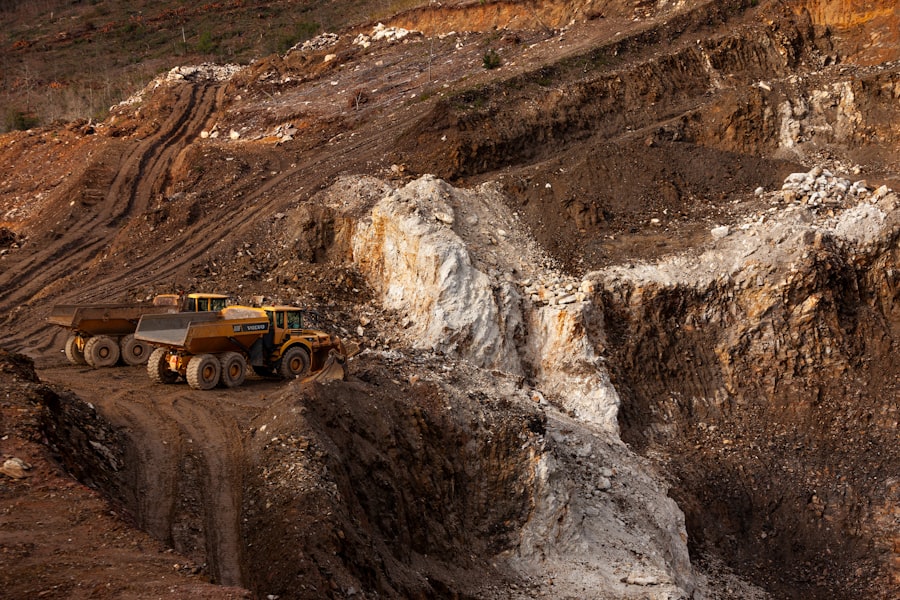
The physical presence and operational demands of mining and refining facilities can directly alter the natural habitats surrounding and within the Great Salt Lake. These alterations can disrupt breeding grounds, migration routes, and the availability of essential food sources for the diverse wildlife that depends on this unique environment.
Dredging and Sediment Disturbance: Unearthing the Lakebed
In some instances, mining operations might involve dredging of lakebed sediments to access mineral deposits, particularly those associated with brine shrimp or mineral salts. This dredging can resuspend settled contaminants, increase turbidity in the water column, and destroy benthic habitats that are crucial for organisms like brine shrimp and brine flies, the foundation of the lake’s food web. It’s like plowing up the carefully cultivated soil of a garden, disrupting the delicate root systems beneath.
Infrastructure Development: Cutting Through the Landscape
The construction of roads, pipelines, processing plants, and tailings ponds associated with mining and refining requires significant land disturbance. This development can fragment natural landscapes, disrupt hydrological patterns, and create barriers to wildlife movement. The visual impact of these industrial structures can also be a significant alteration to the natural aesthetic of the lake environment. These sprawling complexes act as imposing walls, dividing the natural world and impeding its natural flow.
Alteration of Shorelines and Wetlands: The Vanishing Edges
Shoreline development, including the construction of levees, impoundments, and industrial facilities, can directly impact the fragile wetland ecosystems that fringe the Great Salt Lake. These wetlands are critical stopover points for millions of migratory birds and serve as vital nurseries for aquatic life. Alterations to these areas can reduce nesting sites, foraging grounds, and the availability of freshwater refuges, particularly during periods of low lake levels. These changes are like the erosion of the lake’s delicate lace trim, diminishing its overall beauty and functionality.
Economic Interdependence: A Delicate Balancing Act
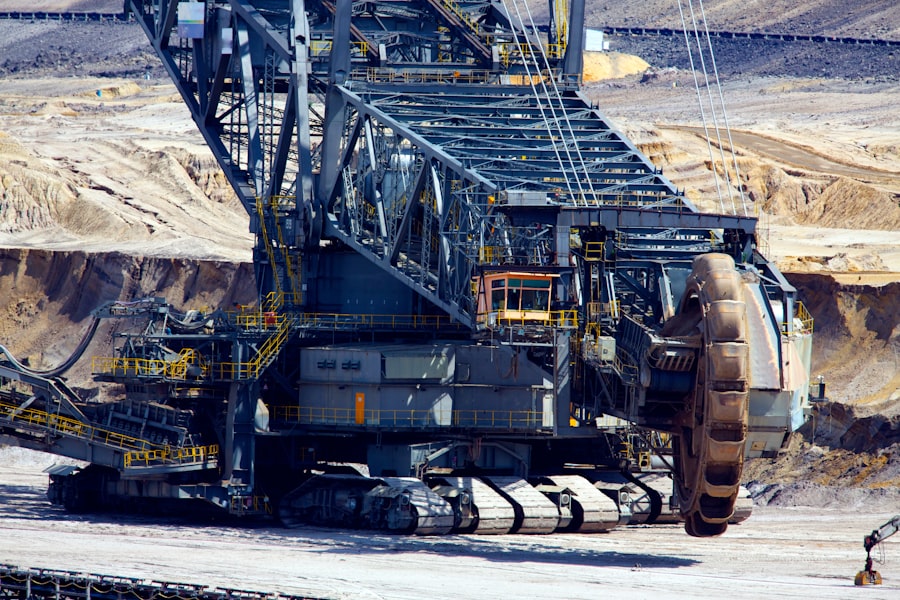
The Great Salt Lake and the surrounding region share a complex and often contentious economic interdependence with mining and refining. The industries provide jobs, tax revenue, and essential resources, while the lake itself supports significant economic activities such as recreation, tourism, and the extraction of valuable commodities in its own right.
Mineral Extraction from the Lake: A Direct Competition
The Great Salt Lake itself is a source of valuable minerals, including magnesium, potash, and common salt, extracted through solar evaporation ponds. These industries, while directly dependent on the lake, operate on a different set of principles than many of the upstream mining and refining operations. However, the concentration of salts in the lake, a consequence of both natural processes and upstream impacts, is directly relevant to these lake-based extraction industries. Fluctuations in lake levels and salinity directly impact their operational efficiency and economic viability. It’s a case where the lake’s natural processes, influenced by external factors, become the very resource that must be managed.
Jobs and Revenue: The Double-Edged Sword
Mining and refining companies are significant employers in Utah, providing well-paying jobs and contributing substantial tax revenue to state and local governments. This economic benefit is a powerful argument for the continuation and even expansion of these industries. However, this economic reliance can create a powerful inertia, making it challenging to implement stricter environmental regulations or to prioritize the lake’s ecological health over immediate economic gains. The allure of these economic benefits can sometimes blind the region to the long-term environmental costs, like a dazzling display that distracts from a looming danger.
Tourism and Recreation: The Lake as a Natural Asset
The Great Salt Lake is a significant draw for tourists and recreational users, including birdwatchers, boaters, and those seeking the unique experience of floating in its dense waters. These activities generate considerable economic revenue through lodging, food services, and outdoor equipment sales. The health and accessibility of the lake are directly linked to the vitality of these sectors. When the lake recedes and its air quality deteriorates due to exposed lakebeds, these economic opportunities diminish, highlighting the direct economic cost of neglecting the lake’s ecological well-being. The lake’s grandeur, when diminished, directly impacts the livelihoods of those who depend on its allure.
The mining and refining activities in the region have raised significant concerns regarding their impact on the Great Salt Lake ecosystem. A recent article explores these environmental challenges and highlights the delicate balance between industrial development and ecological preservation. For more insights on this topic, you can read the full discussion in this related article, which delves into the implications of such activities on local wildlife and water quality.
The Future of the Lake: A Call for Integrated Management
| Metric | Value | Unit | Impact Description |
|---|---|---|---|
| Water Withdrawal for Mining | 150 | Million Gallons per Day | Reduces inflow to Great Salt Lake, lowering lake levels |
| Salt Extraction Volume | 2.5 | Million Tons per Year | Alters mineral composition and sediment distribution in the lake |
| Heavy Metal Concentration Increase | 15 | Percent Increase | Elevated levels of metals like arsenic and mercury affecting aquatic life |
| Airborne Particulate Emissions | 500 | Tons per Year | Contributes to air quality degradation around the lake area |
| Reduction in Brine Shrimp Population | 30 | Percent Decline | Impacts bird species dependent on brine shrimp as a food source |
| Lake Surface Area Change | -10 | Percent over 10 years | Due to combined effects of water diversion and evaporation |
The intricate web of interactions between mining, refining, and the Great Salt Lake necessitates a paradigm shift towards integrated and proactive management. Simply addressing individual impacts in isolation will not suffice; a holistic approach that considers the cumulative effects and fosters collaboration among stakeholders is essential for the long-term survival of this unique ecosystem.
Stricter Regulations and Enforcement: Building Stronger Safeguards
While regulations for mining and refining activities in Utah have evolved, continuous strengthening and rigorous enforcement are paramount. This includes more stringent limits on water usage, improved wastewater treatment protocols, and robust monitoring of pollutants entering the watershed. The aim is to create a system where the economic activities are not a wolf in sheep’s clothing, masquerading as progress while undermining the very foundation of the region’s natural wealth.
Water Conservation and Diversification: Rethinking Our Thirst
Beyond industrial and agricultural sectors, a broader societal commitment to water conservation is critical. This includes investing in water-efficient technologies, promoting drought-tolerant landscaping, and exploring alternative water sources where feasible. Diversifying agricultural practices to less water-intensive crops could also play a significant role. This is about learning to be more judicious with our precious water resources, like a wise steward managing a finite inheritance.
Ecosystem Restoration and Monitoring: Healing the Wounds
Investing in the restoration of damaged wetland habitats and actively monitoring the health of the Great Salt Lake and its watershed are crucial steps. Understanding the long-term trends of salinity, water levels, and pollutant concentrations will inform adaptive management strategies. This proactive approach, akin to a doctor diligently monitoring a patient’s vital signs, is essential for early detection and intervention.
Stakeholder Collaboration and Education: Weaving a Common Thread
Fostering open communication and collaboration among diverse stakeholders, including industry representatives, government agencies, environmental organizations, and local communities, is vital. Public education campaigns can raise awareness about the challenges facing the Great Salt Lake and the shared responsibility in its preservation. This collaborative spirit is like weaving a diverse tapestry, where each individual thread contributes to the strength and beauty of the whole, ultimately protecting the shimmering jewel at its center.
FAQs
What types of mining activities occur near the Great Salt Lake?
Mining activities near the Great Salt Lake primarily include mineral extraction such as salt, magnesium, and potash. These operations involve both surface and underground mining techniques to harvest valuable minerals from the lakebed and surrounding areas.
How does mining impact the water quality of the Great Salt Lake?
Mining can affect the water quality of the Great Salt Lake by introducing pollutants such as heavy metals, chemicals, and increased sedimentation. These contaminants may alter the lake’s natural chemistry, potentially harming aquatic life and disrupting the ecosystem.
What are the environmental effects of refining minerals from the Great Salt Lake?
Refining minerals extracted from the Great Salt Lake can lead to air and water pollution due to the release of dust, chemical byproducts, and wastewater. These processes may contribute to habitat degradation, affect local wildlife, and increase the risk of contamination in surrounding areas.
How does mining and refining influence the lake’s ecosystem and wildlife?
Mining and refining activities can disrupt the Great Salt Lake’s delicate ecosystem by altering water levels, salinity, and habitat availability. This can negatively impact bird populations, brine shrimp, and other species that depend on the lake’s unique environment for survival.
What measures are in place to mitigate the environmental impact of mining and refining on the Great Salt Lake?
Regulatory agencies enforce environmental standards and monitoring programs to minimize the impact of mining and refining. These measures include controlling pollutant discharge, managing water usage, habitat restoration efforts, and requiring companies to implement best practices for sustainable resource extraction.