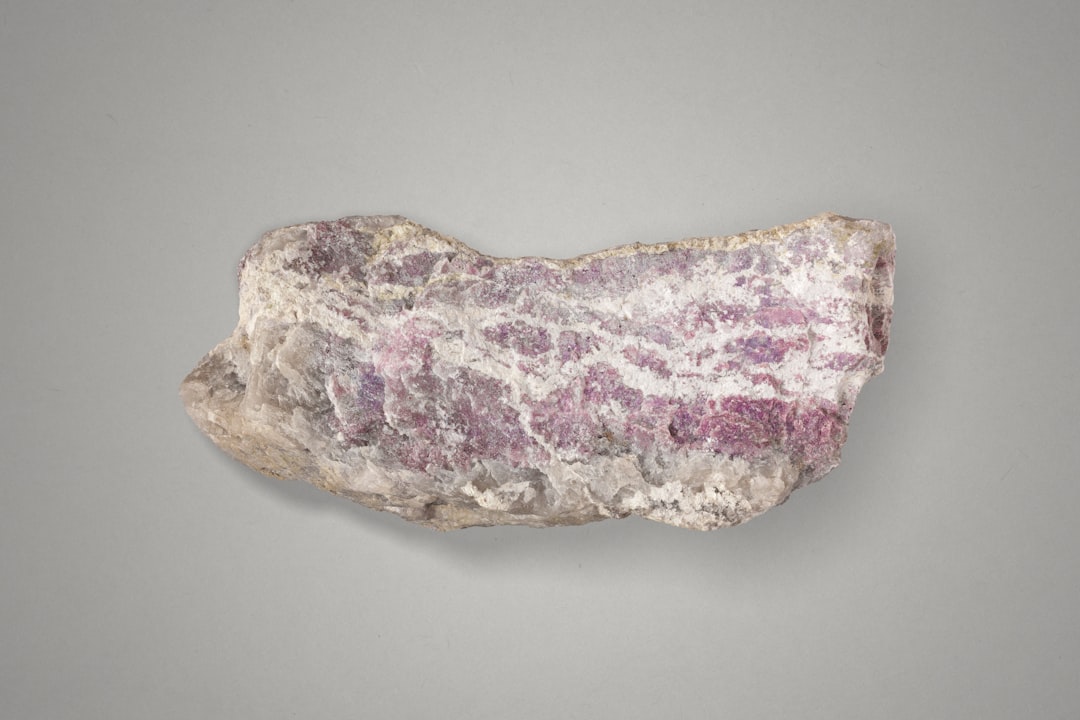
The extraction of lithium, a critical element for battery technology powering everything from electric vehicles to portable electronics, has become a significant global economic pursuit. As the demand for lithium continues its upward trajectory, so too does the expansion of mining operations. While the environmental and economic considerations of these ventures often dominate public discourse, the tangible and often overlooked impact on local livestock populations warrants thorough examination. This article seeks to illuminate the multifaceted ways in which lithium mining can affect the health, well-being, and productivity of livestock residing in proximity to mining sites.
Lithium mining, particularly the extraction from brine reserves, is an incredibly water-intensive process. Vast quantities of water are pumped from underground aquifers to the surface, where they are then evaporated in large ponds to concentrate the lithium salts. This process can create a significant strain on local water resources, which are often a vital lifeline for pastoral communities and their livestock.
Groundwater Depletion and its Ramifications
A primary concern is the direct depletion of groundwater tables. These subterranean reservoirs act as nature’s hidden arteries, feeding rivers, streams, and wells that provide drinking water for cattle, sheep, goats, and other grazing animals. When mining operations draw heavily from these aquifers, the water table can recede, leading to reduced water availability in natural water sources.
Reduced Access to Drinking Water: A Daily Struggle
For livestock, access to clean and readily available drinking water is not a luxury; it is a fundamental necessity for survival and productivity. As water sources dwindle, animals are forced to travel greater distances to find sustenance, expending valuable energy reserves. This increased exertion can lead to weight loss, reduced milk production in dairy animals, and a higher susceptibility to dehydration and heat stress, especially in arid and semi-arid environments where lithium is often extracted. Imagine a seasoned traveler suddenly finding their familiar oasis reduced to a muddy puddle – such is the reality for many animals.
Lowered Water Quality: A Subtle Poison
Beyond mere quantity, the quality of available water can also be compromised. During the brine extraction process, naturally occurring minerals and salts are brought to the surface. If these are not properly managed, they can leach into surrounding water bodies or seep into groundwater, altering its chemical composition. For livestock, consuming water with elevated levels of salinity or specific minerals can lead to various health problems, including digestive issues, kidney damage, and reproductive problems. These effects can be insidious, gradually weakening the animals without immediate, obvious signs of distress.
Surface Water Alterations: Drying Up the Veins
The impact extends beyond groundwater. Surface water bodies, such as seasonal streams and ephemeral lakes, can also be affected. Pumping large volumes of groundwater can reduce the inflow to these surface sources, leading to their diminished capacity or complete desiccation. This further exacerbates the water scarcity issue for livestock who rely on these visible water points.
Habitat Degradation of Riparian Zones
Riparian zones, the areas along the banks of rivers and streams, are often rich in vegetation and serve as crucial grazing and drinking grounds for livestock. When surface water recedes, these riparian areas degrade, leading to a loss of palatable forage. This forces livestock to seek out less nutritious or more distant grazing lands, further stressing their existing resources.
Lithium mining has significant implications for local livestock, as the extraction process can lead to water contamination and habitat disruption, ultimately affecting animal health and productivity. A related article that delves into these environmental impacts can be found at My Geo Quest, where it discusses how the mining industry’s practices can alter ecosystems and pose risks to agricultural practices in nearby areas. Understanding these effects is crucial for developing sustainable mining practices that consider both economic benefits and the well-being of local livestock.
Land Use Changes and Habitat Fragmentation: Pushing Livestock to the Periphery
Lithium mining necessitates significant land transformation. Large swathes of land are cleared for mining pits, evaporation ponds, processing facilities, access roads, and infrastructure. This directly encroaches upon traditional grazing lands and can lead to a fragmentation of livestock habitats.
Loss of Grazing Lands: A Shrinking Table
The most direct impact is the outright loss of land that was previously used for grazing. These areas, often comprising natural grasslands, shrublands, or savannas, provide the primary source of nutrition for many livestock species. As these lands are converted to industrial use, herds are forced to compete for increasingly scarce grazing territory. This can lead to overgrazing of remaining areas, resulting in land degradation and reduced carrying capacity. Picture a shepherd’s flock being abruptly shooed away from their familiar meadow, only to find themselves confined to a smaller, less verdant patch of land.
Habitat Fragmentation and Wildlife Corridors
The construction of roads and infrastructure associated with mining can act as physical barriers, dividing contiguous grazing areas and fragmenting habitats. This makes it more difficult for livestock to move freely between foraging grounds and water sources. Furthermore, these developments can disrupt established wildlife corridors, potentially impacting the migratory patterns of both wild ungulates and domestic herds that may share these landscapes. This is akin to placing fences across a well-trodden path, forcing travelers to find circuitous and often less efficient routes.
Lithium mining has raised concerns not only for the environment but also for local livestock, as the extraction process can lead to water contamination and habitat disruption. A recent article highlights the impact of these mining activities on agricultural practices and the health of animals in nearby areas. For more insights on this topic, you can read the full article here. Understanding these effects is crucial for developing sustainable mining practices that protect both the ecosystem and local farming communities.
Dust and Noise Pollution: A Constant Disturbance
The mining process itself generates considerable dust and noise. Heavy machinery, blasting, and vehicle traffic contribute to airborne particulate matter and persistent auditory disturbances. This can have several detrimental effects on livestock.
Respiratory Issues and Reduced Productivity
Inhaling fine dust particles can lead to respiratory problems in livestock, similar to how a constant cough can debilitate a person. These issues can range from mild irritations to more severe conditions like bronchitis, affecting their overall health and reducing their productivity. Animals suffering from respiratory distress may experience reduced appetite and lethargy, leading to weight loss and decreased milk or wool production.
Stress and Behavioral Changes
The constant noise and activity associated with mining operations can induce stress in livestock. Animals are sensitive to their environment, and sustained disruption can alter their natural behaviors. This might manifest as increased agitation, reduced grazing time, and altered social dynamics within herds. Chronic stress can negatively impact their immune systems, making them more susceptible to disease, and can also affect reproductive success. Imagine trying to relax and graze peacefully while a cacophony of construction noise and dust clouds assail you from all sides – it’s a recipe for anxiety.
Contamination Risks: The Unseen Threats to Livestock Health
The extraction and processing of lithium can involve the use of various chemicals, and there is a potential for the release of contaminants into the environment. These contaminants can pose significant risks to the health of livestock that ingest them through contaminated water, soil, or forage.
Heavy Metals and Their Bioaccumulation
Lithium extraction often involves the use of reagents and can bring naturally occurring heavy metals to the surface. These heavy metals, such as lead, arsenic, and cadmium, can be toxic to livestock. They can enter the food chain through contaminated water and soil, and then accumulate in the tissues of grazing animals. This bioaccumulation can lead to chronic poisoning, affecting various physiological systems. Think of the slow, silent accumulation of poison in a food item that is consumed over time – the effects are not immediate but ultimately devastating.
Neurological and Reproductive Impairments
Exposure to heavy metals can cause a range of health issues in livestock, including neurological disorders, developmental problems in young animals, and reproductive inefficiencies. These can manifest as reduced fertility, birth defects, and impaired growth rates, directly impacting the economic viability of livestock farming.
Chemical Spills and Leaks: Immediate and Devastating Impacts
Accidents, such as chemical spills or leaks from tailings ponds or processing facilities, can lead to acute poisoning events
FAQs

1. How does lithium mining impact the health of local livestock?
Lithium mining can affect local livestock health through contamination of water sources and soil with chemicals used in the extraction process. This can lead to ingestion of harmful substances by animals, potentially causing illness or reduced productivity.
2. Can lithium mining alter the grazing land available for livestock?
Yes, lithium mining operations often require large areas of land, which can reduce the amount of available grazing land for local livestock. This can lead to overcrowding in remaining pastures and decreased food resources for animals.
3. Are there any changes in water quality for livestock near lithium mining sites?
Lithium mining can lead to changes in water quality due to the release of mining byproducts and chemicals into nearby water bodies. Contaminated water can affect livestock health and reduce the availability of clean drinking water.
4. What measures can be taken to minimize the impact of lithium mining on livestock?
Measures include implementing strict environmental regulations, monitoring water and soil quality, creating buffer zones between mining sites and grazing areas, and rehabilitating land after mining activities to restore habitats for livestock.
5. Is the impact of lithium mining on livestock a global concern or localized?
The impact is generally localized to areas near lithium mining operations. However, as lithium demand grows globally, more regions may experience similar effects, making it an increasing concern in lithium-rich areas.