The voracious appetite of the world for technologies powered by lithium-ion batteries, from electric vehicles and smartphones to grid-scale energy storage, has thrust lithium into the spotlight as a critical mineral of the 21st century. As nations race to secure supply chains and transition away from fossil fuels, the extraction of this silvery-white metal, often dubbed “white gold,” is accelerating. However, beneath the gleaming promise of a cleaner energy future lies a complex and growing concern: the significant and often detrimental impact of lithium mining on biodiversity. This article delves into the multifaceted environmental consequences of lithium extraction, particularly focusing on its alarming effects on the delicate tapestry of life that surrounds mining operations.
The majority of the world’s lithium is sourced from two primary methods: hard-rock mining and brine evaporation. While both processes present environmental challenges, the latter, particularly prevalent in the arid regions of South America’s “Lithium Triangle” (Chile, Argentina, and Bolivia), is a particularly water-intensive endeavor with profound implications for local ecosystems. Imagine a vast, arid landscape, where life clings precariously to scarce water resources. Lithium extraction, in these regions, is akin to a giant sponge, siphoning up precious groundwater and surface water, leaving behind a parched land.
Salars: Ecosystems on the Brink
Brine Pumping and Water Table Decline
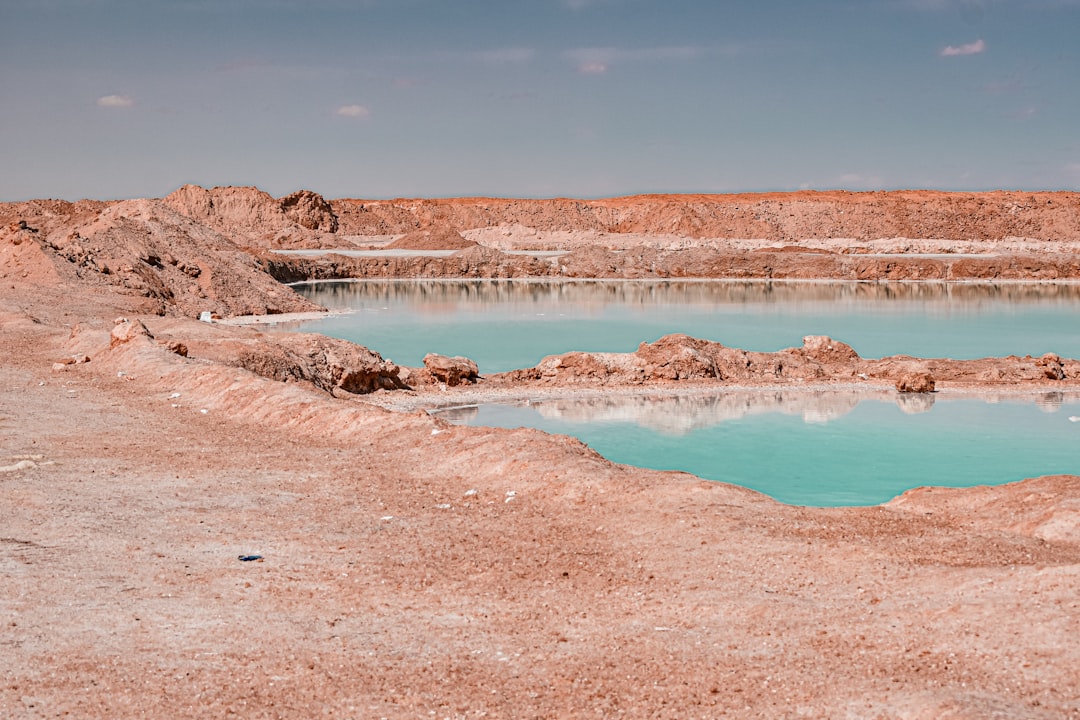
Lithium-rich brines are found deep underground, beneath salt flats known as salars. Extracting these brines involves pumping them to the surface where they are then channeled into vast evaporation ponds. This relentless pumping can lead to a significant decline in local water tables. The consequences for the surrounding environment are cascading. Aquatic ecosystems that rely on these water sources shrink, impacting fish populations, amphibians, and the myriad of invertebrates that form the base of the food web. Terrestrial flora and fauna, accustomed to this lifeblood, face increased stress from drought, reduced vegetation, and diminished access to drinking water.
Impact on Wetland Habitats
Many salar environments are not barren wastelands but unique and fragile wetland ecosystems. These wetlands, often fed by underground springs and seasonal rainfall, support a surprising diversity of life. The continuous extraction of brine can disrupt the delicate hydrological balance of these areas, leading to the desiccation of marshlands and the loss of vital breeding grounds for birds and other wildlife. The vibrant pulse of these ecosystems, attuned to the subtle ebb and flow of water, is silenced by the constant demand for lithium.
Competition with Local Communities and Agriculture
The intense water usage by lithium operations often creates direct competition with the water needs of local indigenous communities and agricultural practices. This competition exacerbates existing water scarcity issues in already arid regions, leading to social tensions and further undermining the resilience of local ecosystems. When the needs of industrial extraction overshadow the fundamental requirements for life and livelihood, the delicate balance of interdependence is broken.
Lithium mining has become a critical topic of discussion due to its significant impact on biodiversity, particularly in regions rich in unique ecosystems. For a deeper understanding of this issue, you can refer to a related article that explores the environmental consequences of lithium extraction and its effects on local wildlife and habitats. This article provides valuable insights into the balance between the demand for renewable energy sources and the preservation of biodiversity. To read more, visit this link.
Habitat Fragmentation and Destruction: Scarring the Landscape
Beyond water concerns, the physical footprint of lithium mining itself results in the direct destruction and fragmentation of natural habitats. The construction of mines, access roads, processing facilities, and the vast network of evaporation ponds all contribute to the alteration and degradation of the landscape. This is not merely a cosmetic change; it is a profound disruption to the intricate web of life that has evolved over millennia.
Land Use Change and Deforestation
The establishment of large-scale lithium mining operations often necessitates significant land clearing. In some areas, this can involve the removal of native vegetation, including trees and shrubs, to make way for infrastructure. This deforestation not only destroys the immediate habitat for numerous species but also contributes to soil erosion, reduces carbon sequestration, and alters local microclimates. The chainsaws that clear the way for extraction are also silencing the songs of countless creatures.
Infrastructure Development and Wildlife Corridors
The construction of roads, pipelines, and power lines to support mining activities can bisect critical wildlife corridors. These corridors are essential pathways for animals to migrate, find food and mates, and maintain genetic diversity. When these pathways are broken, populations become isolated, increasing their vulnerability to disease, inbreeding, and local extinction. The linear scars of infrastructure become insurmountable barriers, trapping wildlife in shrinking islands of habitat.
Noise and Light Pollution
The constant hum of machinery, blasting, and vehicle traffic associated with mining operations generates significant noise pollution. This can disrupt animal behavior, including foraging, breeding, and communication, particularly for species that rely on subtle auditory cues. Similarly, the artificial light from mining facilities can disorient nocturnal animals, impacting their hunting, navigation, and reproductive cycles. The cacophony of industrial activity drowns out the natural rhythms of the wild.
Chemical Contamination: Poisons in the Water and Soil
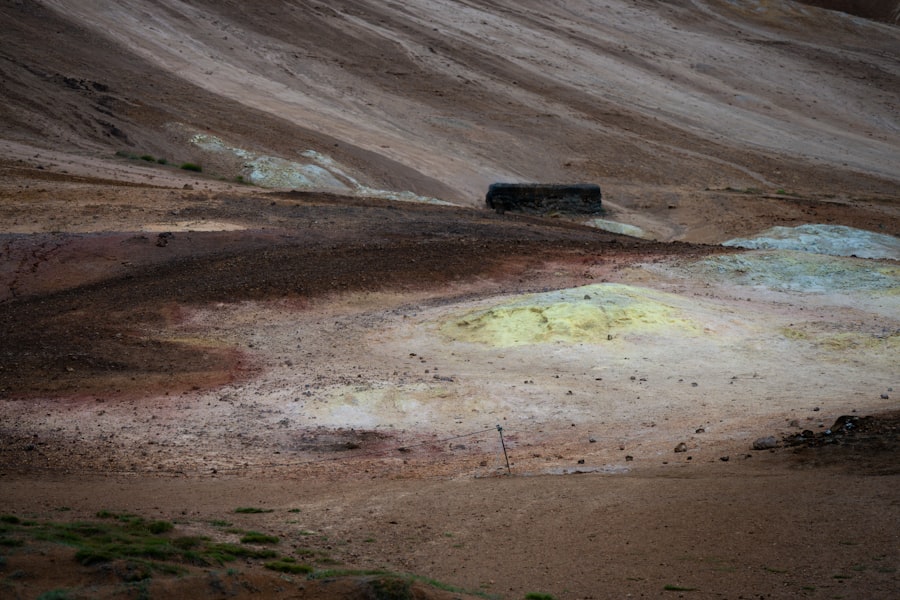
The very nature of mineral extraction often involves the use of chemicals, and lithium mining is no exception. The processing of lithium ores and brines can release a cocktail of potentially toxic substances into the environment, posing a direct threat to biodiversity. Imagine a slow-acting poison seeping into the earth and water, invisible but deadly.
Acidification and Heavy Metal Leaching
In hard-rock mining, the exposure of sulfide minerals to air and water can lead to the formation of sulfuric acid, a process known as acid mine drainage. This acidic runoff can mobilize heavy metals naturally present in the rock, such as lead, cadmium, and arsenic. When these contaminated waters enter rivers, lakes, and groundwater, they can be toxic to aquatic life, causing reproductive failure, developmental abnormalities, and mortality. The rocks, once inert, become vessels of poison.
Disposal of Tailings and Processed Brines
The waste products of lithium extraction, including rock tailings and processed brines, often contain residual chemicals and heavy metals. Improper storage or disposal of these materials can lead to leakage into surrounding soil and water bodies, creating long-term contamination hotspots. The mountains of tailings, seemingly inert, can become silent time bombs of pollution.
Impacts on Flora and Fauna Through Ingestion and Absorption
When plants absorb contaminated water and soil, their tissues can accumulate toxic elements. Animals that consume these plants or drink contaminated water can then ingest these toxins, leading to bioaccumulation and biomagnification up the food chain. This can result in health problems, reduced reproductive success, and increased mortality rates in a wide range of species, from insects to large mammals. The very sustenance of life becomes a vehicle for its destruction.
Impacts on Specific Ecosystems and Keystone Species
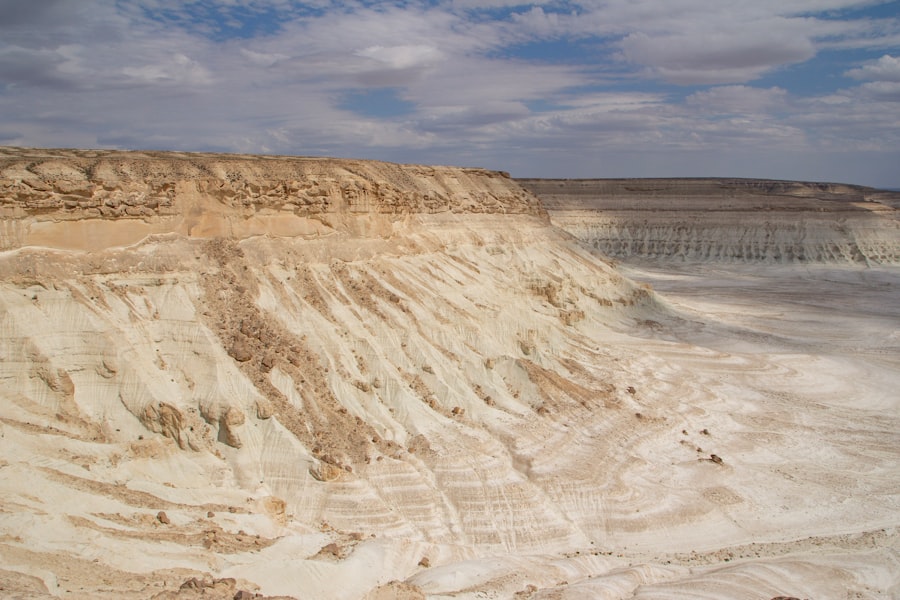
The effects of lithium mining are not uniform across all landscapes. Certain ecosystems and species are particularly vulnerable to the pressures of extraction. Understanding these specific impacts is crucial for effective conservation strategies.
Andean High-Altitude Wetlands and Flamingos
The high-altitude salt flats of the Andes, where much of the world’s lithium is extracted, are home to unique and specialized ecosystems. These areas are crucial breeding grounds for several species of Andean flamingos, animals that have adapted to survive in these extreme environments. The dewatering of salars directly impacts the shallow hypersaline lagoons that flamingos rely on for feeding and nesting. A reduction in water levels, changes in salinity, and potential contamination can disrupt their entire life cycle, threatening these iconic birds with a precarious existence.
Desert Oases and Endemic Species
In desert regions, even small oases can support remarkable biodiversity, containing endemic species found nowhere else on Earth. Lithium mining operations that deplete groundwater can dry up these vital water sources, leading to the extinction of these highly specialized and vulnerable organisms. The loss of an oasis is not just the loss of water; it is the silencing of a unique evolutionary story.
Impacts on Soil Microbes and Nutrient Cycling
The top layers of soil are teeming with microbial life, the invisible architects of healthy ecosystems. Chemical contamination and physical disturbance from mining can decimate these microbial communities. This disruption can impair essential ecosystem functions, such as nutrient cycling, decomposition, and the maintenance of soil structure, leading to long-term degradation of the land. The unseen foundation of life in the soil crumbles under the weight of extraction.
The growing demand for lithium, essential for electric vehicle batteries and renewable energy storage, has raised concerns about its impact on biodiversity. As mining operations expand, ecosystems face significant threats, including habitat destruction and water depletion. A related article discusses these environmental challenges in depth, highlighting the need for sustainable practices in lithium extraction. For more insights on this crucial topic, you can read the article here.
The Path Forward: Balancing Energy Needs with Conservation
| Metric | Impact Description | Quantitative Data | Source/Region |
|---|---|---|---|
| Habitat Loss | Area of natural habitat cleared for lithium mining operations | Up to 1,000 hectares per large-scale mine | Atacama Desert, Chile |
| Water Usage | Volume of water extracted for lithium extraction processes | Approximately 500,000 cubic meters per year per mine | Bolivia’s Salar de Uyuni |
| Species Displacement | Number of species affected or displaced due to mining activities | 15+ endemic species impacted | Australia’s Greenbushes Mine |
| Soil Contamination | Concentration of heavy metals in soil near mining sites | Lead and arsenic levels up to 3x background levels | China’s lithium mining regions |
| Biodiversity Index Decline | Reduction in local biodiversity indices post-mining | 15-25% decrease over 5 years | Argentina’s Lithium Triangle |
| Carbon Footprint | CO2 emissions related to lithium extraction and processing | Approx. 15 tons CO2 per ton of lithium produced | Global average |
The undeniable demand for lithium-ion batteries in the global transition to a low-carbon economy presents a complex ethical and environmental dilemma. The question is not whether to extract lithium, but how to do so responsibly and sustainably, minimizing the ecological footprint and ensuring the long-term health of the planet. A mere acknowledgment of the problem is insufficient; concrete action is required to chart a course towards a more harmonious coexistence between human needs and the preservation of biodiversity.
Sustainable Mining Practices and Technological Innovation
Ongoing research and development are exploring less water-intensive extraction methods, such as direct lithium extraction (DLE) technologies, which aim to recover lithium from brines with minimal evaporation. Innovations in hard-rock mining, including closed-loop water systems and more efficient waste management, are also crucial. The pursuit of technological solutions is akin to finding a gentler hand to draw from the earth’s bounty.
Robust Environmental Regulations and Enforcement
Strict environmental regulations, coupled with rigorous monitoring and enforcement, are essential to hold mining companies accountable for their environmental impacts. This includes comprehensive environmental impact assessments, adherence to water use restrictions, and stringent waste disposal protocols. Laws are the fences that protect the most vulnerable parts of our natural heritage.
Community Engagement and Indigenous Rights
Meaningful engagement with local communities, particularly indigenous populations who often bear the brunt of environmental degradation, is paramount. This includes respecting their rights, ensuring equitable benefit sharing, and integrating their traditional ecological knowledge into mining planning and management. The voices of those most affected must be heard and heeded.
Investment in Biodiversity Conservation and Restoration
Alongside mitigation efforts, significant investment is needed in biodiversity conservation and ecosystem restoration projects in areas affected by lithium mining. This could involve creating protected areas, reintroducing native species, and restoring degraded habitats. The scars of extraction must be tended to, and the wounds of nature must be allowed to heal.
The transition to a green economy, fueled by batteries that rely on lithium, cannot be a victory for some at the expense of others. The intricate biodiversity of our planet, a testament to millions of years of evolution, is a shared inheritance. As we endeavor to power our future, we must ensure that the quest for “white gold” does not leave behind a wasteland, devoid of the vibrant life that makes our planet so extraordinary. The challenge before us is to become stewards of the earth, not just consumers, weaving a future where technological advancement and ecological preservation are not opposing forces, but threads of the same vital fabric.
FAQs
What is lithium mining and why is it important?
Lithium mining involves extracting lithium-containing minerals from the earth, which are essential for producing batteries used in electric vehicles, smartphones, and renewable energy storage. Its importance has grown due to the increasing demand for clean energy technologies.
How does lithium mining affect biodiversity?
Lithium mining can impact biodiversity by disrupting habitats, altering water availability, and causing soil degradation. These changes can threaten local plant and animal species, especially in sensitive ecosystems where lithium deposits are often found.
Which ecosystems are most vulnerable to lithium mining?
Ecosystems such as salt flats, wetlands, and arid regions where lithium is commonly extracted are particularly vulnerable. These areas often host unique species adapted to specific environmental conditions, making them sensitive to disturbances caused by mining activities.
What measures can reduce the impact of lithium mining on biodiversity?
Mitigation measures include conducting thorough environmental impact assessments, implementing sustainable mining practices, restoring habitats after mining, and monitoring biodiversity to ensure minimal long-term damage.
Are there alternatives to lithium that could lessen environmental impacts?
Research is ongoing into alternative battery materials like sodium, magnesium, and solid-state technologies. While these alternatives may reduce reliance on lithium, they currently face challenges in efficiency, cost, and scalability compared to lithium-based batteries.