
The impact of heat waves on Caspian evaporation is a critical factor in understanding the delicate water balance of the world’s largest inland body of water. Recent decades have seen an intensification of heat waves across the Caspian Sea region, a phenomenon with profound implications for its salinity, biodiversity, and the livelihoods dependent upon it. This article delves into the multifaceted ways in which these periods of extreme heat act as accelerators for evaporation, pushing the Caspian towards an increasingly precarious state. As you read, visualize the Caspian not just as a vast expanse of water, but as a living system, breathing in heat and exhaling moisture, its very breath being amplified by the scorching breath of heat waves.
Understanding the Fundamental Drivers of Evaporation
Evaporation, the process by which liquid water transforms into vapor and rises into the atmosphere, is governed by a confluence of meteorological and hydrological factors. The primary drivers are solar radiation, air temperature, humidity, and wind speed. High solar radiation provides the latent heat necessary for water molecules to break free from liquid bonds. Elevated air temperatures directly increase the kinetic energy of water molecules, making them more prone to escape. Conversely, high humidity acts as a deterrent, as the air is already saturated with water vapor. Wind plays a crucial role by sweeping away the humid air layer above the water surface, allowing for continuous evaporation. You can think of the air above the water as a sponge. When the sponge is dry (low humidity) and there’s a breeze (wind), it can absorb more water. Heat waves significantly alter these fundamental drivers.
The Direct Confrontation: Elevated Air Temperatures and Water Surfaces
Heat waves are characterized by prolonged periods of exceptionally high ambient air temperatures. When these temperatures soar, they create a formidable thermal gradient between the water surface and the overlying atmosphere. This gradient acts like a powerful engine, driving heat energy from the air into the water. As the water surface absorbs this excess heat, its temperature rises. Warmer water molecules possess greater kinetic energy, making them significantly more likely to transition into the gaseous state. Picture the water surface as a pot on a stove. A heat wave is like turning the dial up to high, making the water boil more vigorously, even without direct boiling. This direct heating effect is a cornerstone of how heat waves impact evaporation.
The Unseen Force: Enhanced Solar Radiation and the Caspian’s Surface
While heat waves are primarily defined by air temperature, they often coincide with periods of intense solar radiation. Clear skies, a common feature during heat waves, allow sunlight to penetrate the atmosphere with minimal obstruction. This direct and powerful solar influx bombards the Caspian Sea’s surface. The energy from these solar rays is absorbed by the water, further increasing its temperature and, consequently, its evaporation rate. The relationship is synergistic: higher air temperatures mean more heat transfer from the atmosphere, and more intense sunlight provides additional energy directly to the water for vaporization. Imagine a magnifying glass focusing sunlight – heat waves amplify this effect across the entire surface of the Caspian.
Recent studies have highlighted the significant impact of heat waves on the evaporation rates of the Caspian Sea, which may lead to ecological and economic challenges in the region. For a deeper understanding of this phenomenon and its implications, you can explore a related article that discusses the broader effects of climate change on water bodies. To read more, visit this article.
The Dehydrating Breath: Humidity Deficits and Evaporation Intensification
The Role of Vapor Pressure Deficit
A key, albeit often underestimated, factor in evaporation is the vapor pressure deficit (VPD). VPD is the difference between the amount of water vapor the air can hold at a given temperature and the amount it actually holds. A high VPD signifies that the air is dry and has a significant capacity to absorb more moisture. Heat waves, particularly those characterized by dry air masses, dramatically increase VPD over the Caspian Sea. As the air becomes hotter, its capacity to hold water vapor increases. If the actual amount of water vapor in the air does not keep pace, the VPD widens. This creates a more aggressive “pull” for water molecules to escape the liquid phase and enter the atmosphere. Think of the air above the Caspian as a thirsty traveler; a heat wave makes this traveler exceedingly parched, more desperate to quench its thirst with any available water.
The Impact of Arid Air Masses
Heat waves are frequently associated with the advection of hot and dry air masses from surrounding arid or semi-arid regions. These continental air masses, already low in moisture content, are then further heated as they move over the warmer land surfaces preceding their arrival at the Caspian. When these parched air masses reach the Caspian Sea, they encounter a relatively moist surface. The resulting interaction leads to a substantial and rapid transfer of water vapor from the sea into the atmosphere. This “thieving” of moisture by the dry air is a critical component of the accelerated evaporation during heat wave events. It is like introducing a powerful desiccant to the surface of the sea, wringing out its moisture at an accelerated pace.
Feedback Loops: Warming, Drying, and More Warming
The interplay between heat, humidity, and evaporation can create destabilizing feedback loops. As heat waves increase evaporation, they can also lead to a slight increase in atmospheric humidity over the immediately affected area if the air mass retains the evaporated moisture. However, in many instances, especially with dominant wind patterns, this moisture is quickly transported away. The net effect of persistent heat waves is often the reduction of available surface water, which in turn can lead to a reduction in local evaporative cooling. This can cause local temperatures to rise even further, exacerbating the conditions for more intense evaporation. This is a vicious cycle where the Caspian’s own loss of water feeds the very conditions that cause further loss.
Wind Patterns and Drying Winds: A Double-Edged Sword
The Ventilating Effect of Wind
Wind is a double-edged sword when it comes to evaporation. On one hand, wind is essential for the continuous removal of humid air from the water surface. It acts like a fan, sweeping away the moisture-laden air and allowing drier air to come into contact with the water, thus sustaining the evaporation process. During heat waves, this ventilating effect can be particularly pronounced if wind speeds are elevated. This is because the increased temperature difference between the water and the air, coupled with a constant supply of drier air, creates a potent evaporation gradient.
The Scouring Action of Hot, Dry Winds
However, heat waves often bring with them specific wind regimes. These can include hot, dry winds originating from desert regions. While these winds provide the necessary ventilation, their inherent dryness and elevated temperature significantly amplify their evaporative capacity. These are not just “moving air”; they are actively “wringing out” the water’s surface. Unlike cooler, moister winds that might be present at other times of the year, these winds possess a desiccating power that is directly proportional to their heat and dryness. Imagine a high-pressure dryer set to its hottest setting being aimed directly at the Caspian. This is the impact of such wind systems during intense heat waves.
Altered Synoptic Patterns and Persistent Drought-Like Conditions
Heat waves are often dictated by large-scale atmospheric pressure systems, or synoptic patterns. Persistent high-pressure systems can lead to a stagnation of weather, trapping heat and preventing the influx of cooler, moister air. These patterns can also steer weather systems in ways that favor the prolonged flow of hot and dry winds over the Caspian. This creates drought-like conditions over the water body itself, as the sea experiences a sustained period of significant moisture loss without sufficient replenishment from precipitation or inflowing rivers, which may themselves be impacted by upstream heat.
Impact on the Caspian’s Water Balance: A Gradual Dissipation
Quantifying Evaporation Losses
Accurately quantifying the precise increase in evaporation due to heat waves is a complex scientific endeavor. It requires sophisticated meteorological monitoring, hydrological modeling, and satellite data analysis. However, research consistently points to a significant positive correlation between periods of extreme heat and increased evaporation rates. These increased losses contribute directly to a decline in the Caspian Sea’s water volume. The accumulated effect of these enhanced evaporation periods over multiple years can lead to substantial reductions in the sea level. Consider the Caspian as a bathtub; heat waves are like leaving the tap running on high while simultaneously opening the drain wider.
The Cascading Effects on Salinity
As water evaporates from the Caspian Sea, the dissolved salts are left behind. This means that increased evaporation leads to a concentration of salts in the remaining water. This rise in salinity has profound ecological consequences. Many species of fish, invertebrates, and plants are adapted to specific salinity ranges. As the Caspian becomes saltier, these species face a significant challenge to their survival. Species that are less tolerant may experience population declines or even local extinctions. Conversely, more salt-tolerant species might thrive, leading to a shift in the ecosystem’s composition. This is akin to changing the recipe of a soup; adding too much salt, a subtle change initially, can render it unpalatable for many diners.
Threats to Coastal Ecosystems and Human Infrastructure
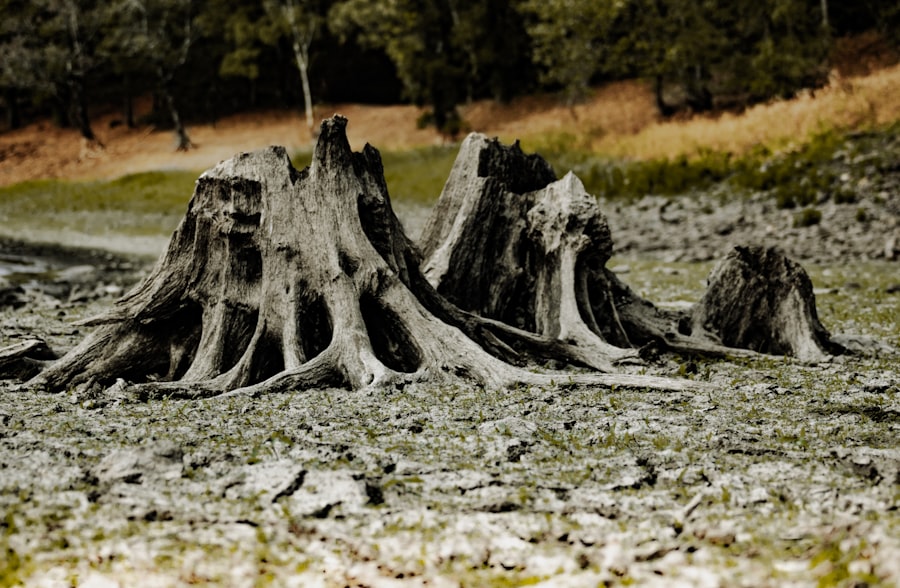
The rising salinity and declining water levels driven by intensified evaporation have tangible impacts on coastal ecosystems and human activities. Wetlands and marshlands that are crucial habitats for migratory birds and other wildlife can dry out or become hypersaline, rendering them uninhabitable. Coastal erosion can accelerate as shorelines retreat. For human populations living and working around the Caspian, these changes can affect fisheries, water supply for agriculture and industry, and even the navigability of ports. The economic and social fabric of the region is intrinsically linked to the health of the Caspian, making this impact a serious concern.
Recent studies have highlighted the significant impact of heat waves on the evaporation rates of the Caspian Sea, raising concerns about the long-term ecological and economic consequences for the surrounding regions. In particular, the increased temperatures during these extreme weather events can accelerate water loss, leading to changes in salinity and affecting local biodiversity. For a deeper understanding of this phenomenon and its implications, you can read more in this insightful article on myGeoQuest.
Future Projections and Mitigation Strategies: Navigating the Rising Tide of Heat
| Metric | Value | Unit | Notes |
|---|---|---|---|
| Average Temperature Increase During Heat Waves | 4.5 | °C | Compared to baseline summer temperatures |
| Increase in Evaporation Rate | 15 | % | Relative increase during heat wave periods |
| Average Daily Evaporation | 7.2 | mm/day | During heat wave events |
| Baseline Average Daily Evaporation | 6.3 | mm/day | Non-heat wave summer days |
| Duration of Heat Waves | 10 | days | Average length of heat wave events |
| Total Water Loss Due to Evaporation | 72 | mm | Over a typical 10-day heat wave |
| Relative Humidity Drop | 8 | % | Decrease during heat wave periods |
Climate Change as an Underlying Driver
It is crucial to understand that heat waves themselves are not isolated events but are increasingly becoming a feature of a changing climate. Global warming, driven by anthropogenic greenhouse gas emissions, is leading to a demonstrable increase in the frequency, intensity, and duration of heat waves across the globe, including the Caspian region. Therefore, the impact of heat waves on Caspian evaporation is not a static problem but one that is likely to intensify in the future as global temperatures continue to climb. The trajectory of future evaporation is inextricably linked to our global efforts to mitigate climate change.
The Need for Enhanced Monitoring and Research
To effectively manage the challenges posed by increased Caspian evaporation, enhanced monitoring and continued research are paramount. This includes sophisticated satellite-based remote sensing to track surface temperature and evaporation rates, as well as in-situ measurements. Further research is needed to refine our understanding of the complex interactions between atmospheric conditions, water temperature, and evaporation. This will allow for more accurate predictions of future sea-level changes and their ecological and socio-economic consequences. We need to become better diagnosticians of the Caspian’s health, equipped with the latest tools and knowledge.
Exploring Adaptation and Mitigation Measures
While the primary driver of intensifying heat waves lies in global climate change, there are local and regional adaptation and, to some extent, mitigation measures that can be explored. This might involve stricter water management strategies for inflowing rivers, efforts to reduce pollution that can affect water clarity and temperature, and potentially even interventions to influence local microclimates, though these are often highly complex and debated. On a larger scale, the most effective mitigation strategy remains the global reduction of greenhouse gas emissions to curb the underlying trend of rising temperatures and, consequently, the frequency and intensity of heat waves. Without addressing the root cause – climate change – the Caspian will continue to face an uphill battle against the relentless rise of heat and its dehydrating effect.
FAQs
What is the Caspian Sea and why is its evaporation rate important?
The Caspian Sea is the world’s largest enclosed inland body of water, located between Europe and Asia. Its evaporation rate is important because it directly affects the sea’s water balance, levels, and regional climate, impacting ecosystems and human activities around the basin.
How do heat waves influence evaporation rates in the Caspian Sea?
Heat waves increase air temperatures significantly, which raises the water temperature and enhances the evaporation rate from the Caspian Sea’s surface. This can lead to a faster loss of water volume during prolonged periods of extreme heat.
What are the potential environmental impacts of increased evaporation due to heat waves?
Increased evaporation can lower the Caspian Sea’s water levels, potentially disrupting aquatic habitats, increasing salinity, and affecting biodiversity. It may also impact local climate conditions and water availability for surrounding communities.
Are there any long-term trends in heat waves affecting the Caspian Sea region?
Studies indicate that the frequency and intensity of heat waves in the Caspian Sea region have been increasing due to climate change. This trend suggests a potential for sustained higher evaporation rates and associated environmental challenges.
What measures can be taken to mitigate the impact of heat waves on Caspian Sea evaporation?
Mitigation measures include monitoring climate patterns, managing water resources efficiently, protecting surrounding ecosystems, and implementing regional climate adaptation strategies to reduce vulnerability to heat waves and their effects on evaporation.