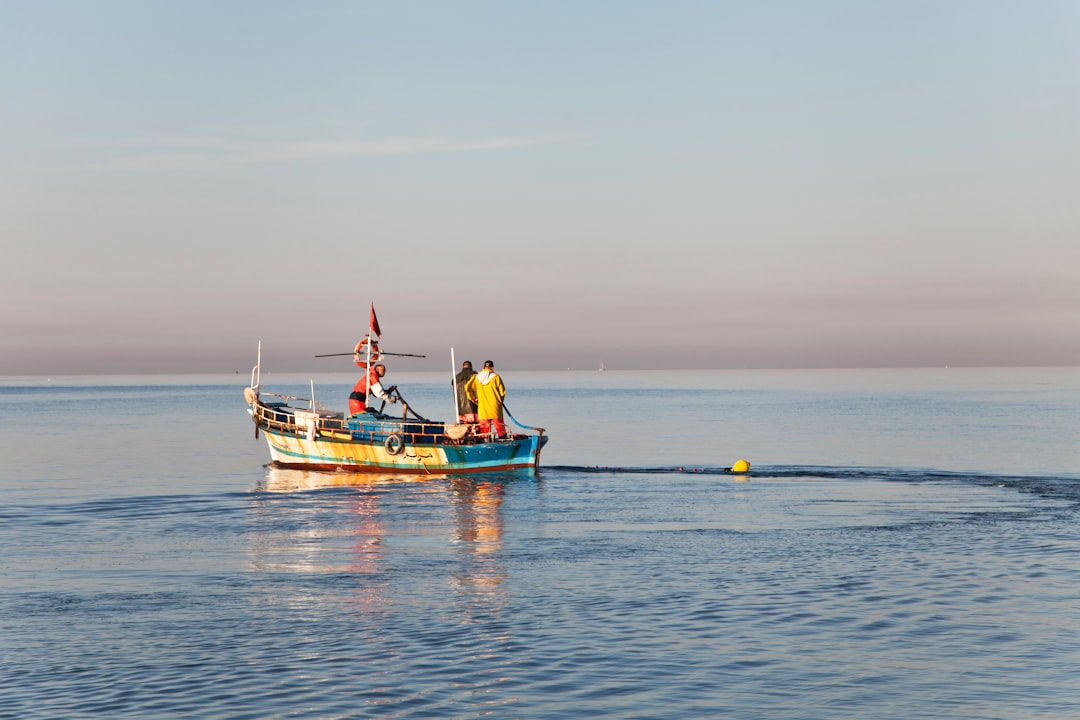
The Mediterranean Sea, a cradle of biodiversity and a vital resource for millions, has long been a cornerstone of the region’s economy and culture. Spanning across three continents—Europe, Asia, and Africa—this semi-enclosed sea is home to a rich tapestry of marine life, including over 17,000 species of marine organisms. The fisheries of the Mediterranean have historically provided sustenance, employment, and economic stability to coastal communities.
From the small-scale artisanal fishers who have passed down their traditions through generations to the larger commercial enterprises that supply markets across Europe and beyond, the fishing industry is deeply intertwined with the social fabric of Mediterranean societies. However, the Mediterranean fisheries are facing unprecedented challenges. Overfishing, habitat degradation, and pollution have already strained fish stocks and marine ecosystems.
As the impacts of climate change become increasingly pronounced, the future of these fisheries hangs in the balance. Understanding the current state of Mediterranean fisheries and the multifaceted threats they face is crucial for developing effective strategies to ensure their sustainability and resilience in a rapidly changing environment.
Key Takeaways
- Mediterranean fisheries are facing significant challenges due to climate change, including rising sea temperatures and ocean acidification.
- Changes in fish migration patterns and species distribution are disrupting traditional fishing practices.
- Extreme weather events are becoming more frequent and intense, impacting marine ecosystems and fishing communities.
- Economic and social consequences are affecting the livelihoods of those dependent on Mediterranean fisheries.
- Collaborative international policies and mitigation strategies are essential for sustainable management and the future resilience of Mediterranean fisheries.
Current State of Mediterranean Fisheries
The current state of Mediterranean fisheries is characterized by a complex interplay of ecological, economic, and social factors. According to recent assessments, many fish stocks in the region are overexploited or depleted, with estimates suggesting that around 60% of assessed stocks are either overfished or subject to overfishing. This alarming statistic highlights the urgent need for effective management practices and conservation efforts.
The decline in fish populations not only threatens marine biodiversity but also jeopardizes the livelihoods of countless individuals who depend on fishing for their income and sustenance. In addition to overfishing, illegal, unreported, and unregulated (IUU) fishing poses a significant threat to the sustainability of Mediterranean fisheries. These practices undermine legitimate fishing operations and contribute to the depletion of already vulnerable stocks.
Furthermore, habitat destruction due to coastal development, pollution from agricultural runoff, and plastic waste exacerbates the challenges faced by marine ecosystems. As a result, the health of the Mediterranean Sea is in jeopardy, necessitating immediate action to safeguard its fisheries for future generations.
Climate Change and Its Effects on the Mediterranean Region
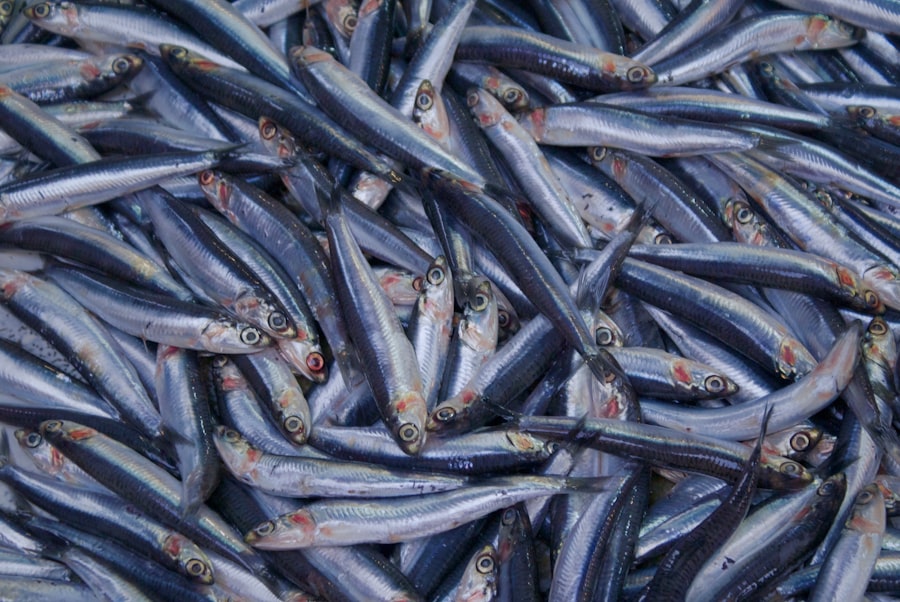
Climate change is one of the most pressing issues facing the Mediterranean region today. The effects of rising global temperatures are being felt acutely in this area, which is considered a climate change hotspot. The Mediterranean Sea has warmed significantly over the past few decades, with surface temperatures rising at a rate faster than the global average.
This warming trend has far-reaching implications for marine ecosystems, fisheries, and coastal communities. In addition to rising temperatures, climate change is also contributing to altered precipitation patterns in the region. Some areas are experiencing increased rainfall and flooding, while others are facing prolonged droughts.
These changes can lead to increased runoff into the sea, introducing pollutants and nutrients that can disrupt marine ecosystems. The combination of warming waters and altered precipitation patterns creates a perfect storm for Mediterranean fisheries, threatening their viability and resilience in an uncertain future.
Impact of Rising Sea Temperatures on Fish Species
Rising sea temperatures have profound effects on fish species in the Mediterranean Sea. Many species are sensitive to temperature changes, which can influence their growth rates, reproductive cycles, and overall health. Warmer waters can lead to shifts in species distribution as fish seek cooler habitats or migrate to deeper waters.
This phenomenon can disrupt established fishing practices and create challenges for fishers who rely on specific species that may no longer be available in traditional fishing grounds. Moreover, temperature increases can exacerbate existing stressors on fish populations. For instance, higher temperatures can lead to reduced oxygen levels in the water, creating hypoxic conditions that are detrimental to marine life.
Additionally, warmer waters can facilitate the spread of diseases and parasites that can further threaten fish stocks. As species respond to these changes in various ways—some thriving while others decline—the overall balance of marine ecosystems is at risk, highlighting the urgent need for adaptive management strategies in response to these shifts.
Changes in Fish Migration Patterns and Distribution
| Metric | Value | Unit | Notes |
|---|---|---|---|
| Decline in Fish Biomass | 40 | Percent | Estimated decline over the past 30 years |
| Average Sea Surface Temperature Increase | 1.2 | °C | Increase since 1980 in the Mediterranean Sea |
| Number of Commercially Important Species Declining | 15 | Species | Species showing significant population decreases |
| Reduction in Annual Fishery Yield | 25 | Percent | Decrease attributed to climate change impacts |
| Increase in Invasive Species | 30 | Percent | Rise in invasive species presence linked to warming waters |
| Frequency of Marine Heatwaves | 3 | Events per decade | Increased frequency affecting fish habitats |
| Ocean Acidification Rate | 0.02 | pH units per decade | Impacting shell-forming species and ecosystems |
As climate change continues to reshape the Mediterranean Sea, changes in fish migration patterns and distribution are becoming increasingly evident. Many fish species are shifting their ranges northward or deeper into cooler waters as they seek suitable habitats that meet their thermal preferences. This shift not only affects the ecological dynamics within marine ecosystems but also has significant implications for fisheries management.
For instance, species that were once abundant in certain areas may become scarce as they migrate away from traditional fishing grounds. This can lead to economic challenges for local fishing communities that depend on these species for their livelihoods. Additionally, new species may enter previously unoccupied areas, potentially leading to competition with native species and altering existing food webs.
Understanding these migration patterns is essential for developing adaptive management strategies that account for changing distributions and ensure sustainable fishing practices.
Ocean Acidification and its Effects on Marine Life
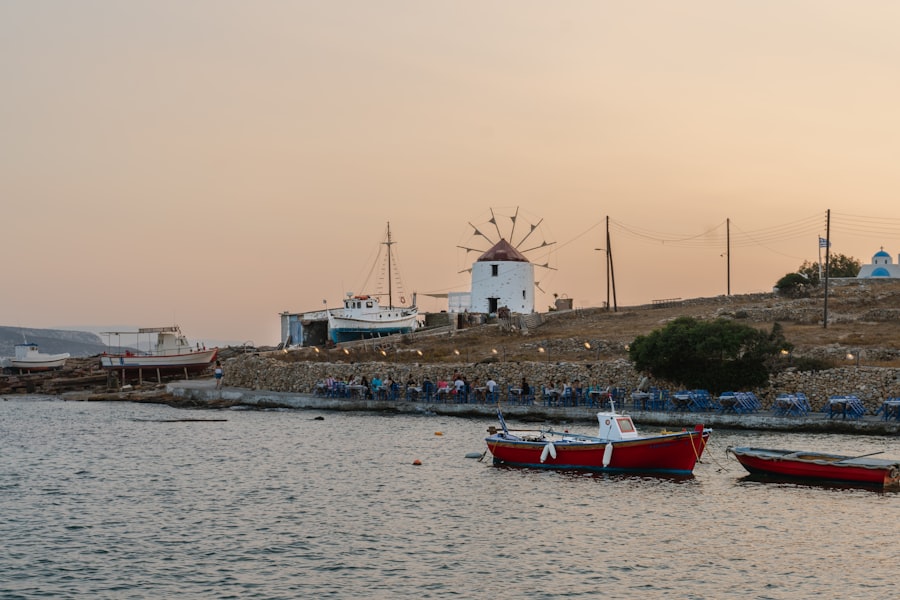
Ocean acidification is another critical consequence of climate change that poses a significant threat to marine life in the Mediterranean Sea. As atmospheric carbon dioxide levels rise due to human activities, a substantial portion of this CO2 is absorbed by the oceans, leading to a decrease in pH levels. This process can have detrimental effects on various marine organisms, particularly those with calcium carbonate shells or skeletons, such as mollusks and corals.
In the Mediterranean context, ocean acidification threatens key species that play vital roles in marine ecosystems and fisheries.
This decline can have cascading effects throughout the food web, impacting not only other marine species but also human communities that rely on these organisms for food and economic stability.
Addressing ocean acidification requires concerted efforts to reduce carbon emissions globally while also implementing local strategies to enhance ecosystem resilience.
Increased Frequency and Intensity of Extreme Weather Events
The Mediterranean region is experiencing an increase in the frequency and intensity of extreme weather events as a result of climate change. These events include storms, heavy rainfall, heatwaves, and droughts, all of which can have significant impacts on marine ecosystems and fisheries. For instance, intense storms can lead to habitat destruction along coastlines and disrupt fishing activities by making it unsafe for fishers to venture out to sea.
Moreover, extreme weather events can exacerbate existing challenges faced by fishing communities. For example, heavy rainfall can lead to increased runoff that introduces pollutants into coastal waters, further stressing marine life. Additionally, heatwaves can create conditions that are unfavorable for certain fish species, leading to declines in populations that are already vulnerable due to overfishing or habitat degradation.
The increasing unpredictability of weather patterns necessitates adaptive management strategies that take into account these new realities.
Economic and Social Impacts on Mediterranean Fishing Communities
The economic and social impacts of climate change on Mediterranean fishing communities are profound and multifaceted. As fish stocks decline due to overfishing and environmental changes, many fishers face reduced catches and income instability. This economic strain can lead to increased competition among fishers as they vie for dwindling resources, potentially resulting in conflicts within communities.
Furthermore, the social fabric of coastal communities is at risk as traditional fishing practices become less viable.
This shift can lead to a loss of cultural heritage associated with fishing traditions and practices.
Addressing these economic and social challenges requires comprehensive support systems that empower communities to adapt while preserving their cultural identity.
Strategies for Mitigating the Impact of Climate Change on Fisheries
To mitigate the impact of climate change on Mediterranean fisheries, a multifaceted approach is essential. One key strategy involves implementing sustainable fishing practices that prioritize ecosystem health while ensuring economic viability for fishing communities. This includes establishing catch limits based on scientific assessments of fish stocks and promoting responsible fishing techniques that minimize bycatch and habitat damage.
Additionally, enhancing marine protected areas (MPAs) can play a crucial role in safeguarding biodiversity and promoting resilience against climate change impacts. MPAs provide safe havens for vulnerable species while allowing ecosystems to recover from overexploitation. Furthermore, investing in research and monitoring programs can help track changes in fish populations and inform adaptive management strategies that respond effectively to shifting environmental conditions.
Collaborative Efforts and International Policies for Sustainable Fisheries Management
Addressing the challenges facing Mediterranean fisheries requires collaborative efforts at both national and international levels. Regional organizations such as the General Fisheries Commission for the Mediterranean (GFCM) play a vital role in promoting sustainable fisheries management through policy development and cooperation among member states. By fostering dialogue among stakeholders—including governments, scientists, fishers, and conservationists—these organizations can facilitate coordinated responses to shared challenges.
International agreements aimed at combating climate change also have significant implications for fisheries management in the Mediterranean region. The Paris Agreement emphasizes the need for countries to work together to limit global warming while promoting sustainable development goals. By aligning fisheries policies with broader climate objectives, countries can enhance their resilience against climate impacts while ensuring the long-term sustainability of marine resources.
The Future of Mediterranean Fisheries in a Changing Climate
The future of Mediterranean fisheries is intricately linked to the broader challenges posed by climate change and human activities. As rising temperatures, ocean acidification, altered migration patterns, and extreme weather events continue to reshape marine ecosystems, proactive measures are essential for safeguarding these vital resources. By embracing sustainable fishing practices, enhancing collaboration among stakeholders, and implementing adaptive management strategies, there is hope for a resilient future for Mediterranean fisheries.
Ultimately, ensuring the sustainability of these fisheries requires a commitment not only from governments but also from local communities and individuals who depend on them for their livelihoods. By fostering a culture of stewardship towards marine resources and prioritizing ecological health alongside economic viability, Mediterranean societies can navigate the complexities of a changing climate while preserving their rich maritime heritage for generations to come.
The ongoing collapse of Mediterranean fisheries is increasingly being linked to the impacts of climate change, which disrupts marine ecosystems and fish populations. For a deeper understanding of this critical issue, you can read more in the article available at this link. The article discusses the various factors contributing to the decline of fish stocks in the Mediterranean and highlights the urgent need for sustainable management practices to protect these vital resources.
WATCH THIS! The $10 Trillion Secret: What Happens If The Strait of Gibraltar Closes For Good
FAQs
What is causing the collapse of Mediterranean fisheries?
The collapse of Mediterranean fisheries is primarily caused by a combination of overfishing, habitat degradation, pollution, and climate change. Rising sea temperatures and ocean acidification due to climate change are altering marine ecosystems, affecting fish populations and their reproductive cycles.
How does climate change specifically impact Mediterranean fish species?
Climate change leads to warmer sea temperatures, which can shift the distribution of fish species, reduce suitable habitats, and disrupt breeding patterns. It also causes ocean acidification, which affects the development of shell-forming organisms that are crucial to the marine food web.
What are the consequences of fisheries collapse in the Mediterranean region?
The collapse results in reduced fish stocks, threatening food security and the livelihoods of communities dependent on fishing. It also disrupts marine biodiversity and ecosystem balance, potentially leading to long-term ecological damage.
Are there any measures being taken to address the collapse of Mediterranean fisheries?
Yes, measures include implementing sustainable fishing practices, establishing marine protected areas, regulating fishing quotas, and international cooperation to reduce pollution and greenhouse gas emissions. Research and monitoring programs are also in place to better understand and manage fish populations.
Can the Mediterranean fisheries recover from the collapse?
Recovery is possible but requires coordinated efforts to reduce overfishing, mitigate climate change impacts, and restore marine habitats. Effective management and conservation strategies, along with global climate action, are essential for the long-term sustainability of Mediterranean fisheries.
How does overfishing contribute to the collapse alongside climate change?
Overfishing depletes fish populations faster than they can reproduce, weakening the resilience of marine ecosystems. When combined with climate change stressors, this accelerates the decline of fish stocks and hinders recovery efforts.
What role do marine protected areas play in mitigating fisheries collapse?
Marine protected areas (MPAs) provide safe habitats where fish populations can recover and reproduce without fishing pressure. MPAs help maintain biodiversity, improve ecosystem health, and can enhance fish stocks in surrounding areas through spillover effects.
How is pollution affecting Mediterranean fisheries?
Pollution from agricultural runoff, industrial waste, and plastic debris degrades water quality and marine habitats. Contaminants can accumulate in fish, affecting their health and safety for human consumption, further stressing already vulnerable fish populations.