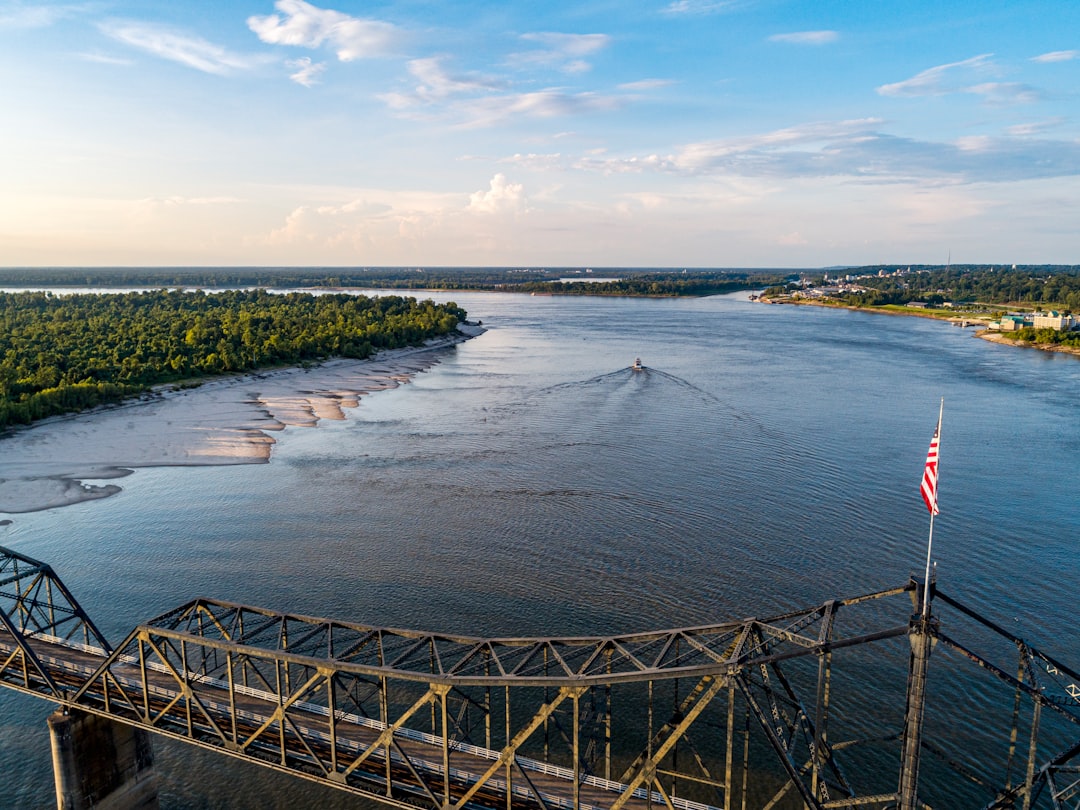
A Mississippi River Course Change: Navigating Uncharted Waters
The Mississippi River, a titan of North American geography, has for millennia carved its path across the continent, a liquid artery vital to ecosystems, commerce, and human settlement. Its meandering journey, however, is not a fixed decree etched in stone. The river’s inherent dynamism means that under specific and often extreme circumstances, its course can, and has, been altered. The impact of such a fundamental shift, were it to occur on a significant scale, would ripple through the very fabric of the regions it traverses, presenting a complex tapestry of environmental, economic, and societal challenges and opportunities. Imagine a vast, living organism deciding to reroute its circulatory system; the consequences, both intended and unforeseen, would be profound. This article explores the multifaceted implications of a hypothetical, substantial alteration to the Mississippi River’s course.
Rivers are not static entities. Their paths are a consequence of a delicate equilibrium between the erosive power of flowing water and the resistance of the land. Understanding the geological forces at play is crucial to grasping how and why a river might deviate from its established channel.
The Mechanics of Avulsion
- Sediment Load and Channel Aggradation: The Mississippi River, like many large alluvial rivers, carries a substantial sediment load. As water flows, it deposits some of this sediment, gradually building up the riverbed. This process, known as aggradation, can raise the channel floor. When the riverbed rises significantly, particularly during flood events, the water can find a lower, more advantageous route to the sea, bypassing older stretches of its channel. This is analogous to a traffic jam on an elevated highway, where vehicles might seek a less congested, ground-level route.
- Channel Sinuosity and Floodplain Dynamics: The sinuous nature of the Mississippi is a testament to its continuous adjustment. Meanders, or bends, are formed as the river erodes the outer bank and deposits sediment on the inner bank. During floods, water can overtop the levees and floodplains. If a chute cutoff occurs – a breach across a narrow neck of land between two meanders – a new, straighter channel can be established, effectively abandoning a significant loop.
- Tectonic Influences (Less Common for Significant Mississippi Shifts): While less likely to cause a swift and dramatic course change for the Mississippi in the short term, underlying tectonic activity can influence regional topography over geological timescales. Subsidence or uplift of land can subtly alter drainage patterns, potentially favoring a new river path.
Historical Precedents and Natural Levee Formation
- Past River meanders: The Mississippi has a documented history of changing its course, albeit on scales that might not be immediately apparent today. Ancient oxbow lakes, remnants of former meanders, dot the landscape, silent testaments to the river’s past navigations.
- Natural Levee Development: The deposition of sediment during floods creates natural levees – elevated ridges along the riverbanks. These features can, over time, confine the river to a particular path. However, severe floods can breach these natural defenses, creating pathways for avulsion.
The potential consequences of the Mississippi River changing its course are significant, impacting both the environment and local communities. For a deeper understanding of this topic, you can explore the article titled “What Happens If the Mississippi River Changes Course?” on My Geo Quest. This article delves into the geological and ecological implications of such a shift, as well as the historical context surrounding the river’s behavior. To read more, visit My Geo Quest.
Environmental Reverberations: A New Ecosystemic Landscape
A significant alteration of the Mississippi’s course would fundamentally reshape the ecological landscape, impacting hydrology, biodiversity, and soil composition. The river’s current path is a blueprint for countless interconnected life forms; changing that blueprint would inevitably lead to a cascade of environmental adjustments.
Altered Hydrology and Groundwater Dynamics
- Changes in Water Availability: Areas previously reliant on the Mississippi for irrigation and water supply would face significant challenges. The new course might leave some regions parched, while others downstream of the new channel might experience unprecedented inundation. This would be akin to a vital organ switching its primary nutrient supply – the entire body’s metabolism would need to adapt.
- Groundwater Recharge Shifts: The river’s interaction with the underlying aquifer system is a critical component of regional hydrology. A course change would alter the patterns of groundwater recharge, potentially impacting well levels, springs, and the health of wetlands dependent on subsurface water.
- Deltaic Evolution and Sediment Delivery: The Mississippi Delta is a dynamic landform built by centuries of sediment deposition. A new course would drastically alter the sediment load reaching the Gulf of Mexico, potentially leading to accelerated erosion of the existing delta or the initiation of new land-building processes elsewhere.
Biodiversity and Habitat Transformation
- Wetland and Aquatic Ecosystem Disruption: Vast wetland systems and aquatic habitats are intimately linked to the Mississippi’s current flow. Abandoned river channels would gradually transform, potentially becoming oxbow lakes or swamps, while new areas would be inundated, creating novel aquatic environments. Species adapted to specific flow regimes and water chemistries would face immediate adaptation pressures or displacement.
- Terrestrial Habitat Shifts: Changes in soil moisture, salinity, and flooding patterns would transform terrestrial habitats. Forests might succumb to inundation or drought, while grasslands or scrublands could emerge in areas previously occupied by diverse arboreal communities.
- Impact on Migratory Species: The Mississippi River serves as a crucial migratory corridor for numerous species, including birds, fish, and insects. A course change would disrupt these ancient pathways, potentially leading to disorientation, increased mortality, and long-term population declines. The river’s current route is a well-trodden highway for these travelers; diverting the highway would leave many stranded.
Soil Composition and Agricultural Productivity
- Fertile Floodplain Abandonment: The rich alluvial soils deposited by the Mississippi’s historical floods are the bedrock of agricultural productivity in many regions. Abandoning these fertile floodplains would render them less productive without significant human intervention.
- New Sediment Deposition and Soil Formation: The new course would begin the process of depositing sediment in a different location, gradually building new soils. This process, however, takes centuries, and the immediate agricultural impact would be substantial.
Economic Upheaval and Opportunity: Reshaping the Nation’s Arteries
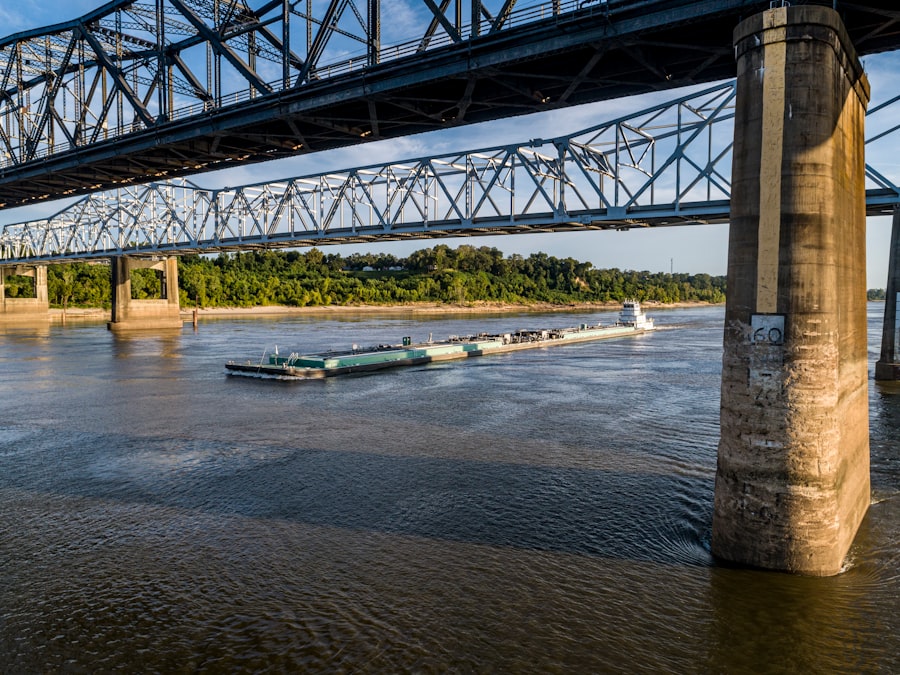
The economic implications of a Mississippi River course change would be nothing short of revolutionary, impacting industries from transportation and agriculture to energy and tourism. The river is not merely a geographical feature; it is a foundational element of the nation’s economic engine.
Transportation and Logistics Networks
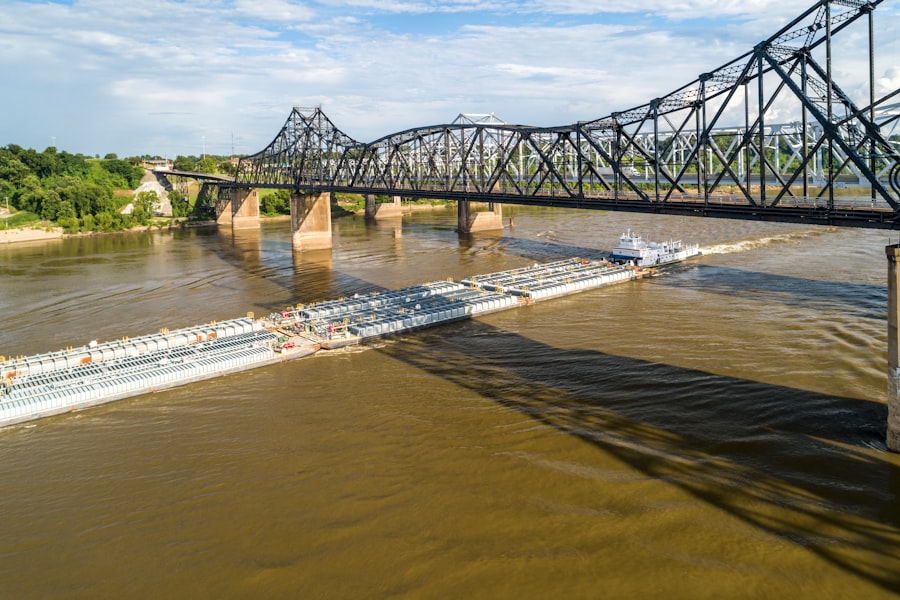
- Navigational Challenges and Opportunities: The Mississippi is a vital artery for barge traffic, a cost-effective means of moving bulk commodities. A course change would necessitate the abandonment or relocation of much of this infrastructure. New channels would need to be dredged and maintained, presenting both immense cost and potential for creating new, more efficient transportation routes. The economic fallout from a disrupted supply chain would be immediate and widespread, akin to severing a major artery in the nation’s circulatory system.
- Port City Repurposing: Cities that have grown and thrived on the banks of the Mississippi would face profound economic adjustments. Ports would become obsolete, requiring significant investment in new infrastructure or a complete repurposing of existing facilities. This could lead to economic decline for some while creating opportunities for others.
- Shift in Regional Economic Dominance: The economic gravity of regions would shift. Areas that benefit from the new waterway would see increased investment and growth, while those left behind could face economic stagnation.
Agricultural and Industrial Impact
- Disruption to Existing Agricultural Economies: Regions heavily reliant on the Mississippi’s current floodplains for irrigation and fertile land would experience severe economic disruption. Farmers would face the immense challenge of adapting to new water sources or relocating their operations.
- Industrial Relocation and Adaptation: Industries that depend on the river for water, cooling, or transportation would need to adapt or relocate. This could involve significant capital investment and a period of economic uncertainty.
- Emergence of New Economic Hubs: The areas where the new course of the river establishes itself could become new economic hubs, attracting investment and development as industries and populations gravitate towards the resurgent waterway.
Energy and Resource Extraction
- Impact on Water-Intensive Industries: Industries such as power generation and certain forms of manufacturing that rely heavily on the river for cooling water would be significantly impacted. Relocation or the development of alternative cooling technologies would be necessary.
- Potential for New Hydroelectric Opportunities: Depending on the topography of the new course, there might be opportunities for the development of new hydroelectric power generation facilities, though this would be a long-term prospect.
- Shifts in Resource Accessibility: The river’s course influences the accessibility of certain natural resources. A change could impact mining operations, forestry, and other resource-dependent industries.
Tourism and Recreation
- Loss of Existing Attractions: Many historical sites, natural parks, and recreational areas are located along the Mississippi’s current course. Their ecological and aesthetic value, and thus their tourism appeal, could be diminished or destroyed.
- Emergence of New Tourist Destinations: The novel landscapes and ecosystems created by the new river course could, over time, develop into new tourist attractions, drawing visitors interested in exploring unique environments.
Societal Ramifications and Human Displacement: A New Geography of Life
The most profound and immediate impacts of a significant Mississippi River course change would be felt by the millions of people whose lives are intertwined with its current geography. The river is not just a physical entity; it is a cultural and historical anchor, and its relocation would necessitate a fundamental reordering of human settlement and societal structures.
Population Displacement and Migration
- Areas of Origin and Destination: Communities located in areas that become suddenly arid or prone to severe flooding would face immense pressure to relocate. This could trigger significant internal migration patterns, placing strain on receiving communities. The challenge of managing mass migration and ensuring adequate resources for displaced populations would be immense.
- Cultural and Historical Disconnection: The Mississippi River has a deep cultural and historical significance for many communities. Displacement would mean severing ties to ancestral lands, historical sites, and established cultural practices, leading to a profound sense of loss and dislocation. Imagine uprooting a forest that has stood for centuries; the absence would be keenly felt.
Infrastructure Adaptation and Reconstruction
- Relocation of Essential Services: Water treatment plants, sewage systems, power lines, and road networks would all need to be re-evaluated and potentially relocated or rebuilt to accommodate the new river course. This would be an undertaking of monumental logistical and financial complexity.
- New Infrastructure Development: The establishment of a new river course would necessitate the development of entirely new infrastructure to support emerging communities and economic activities, requiring careful planning and significant investment.
Governance and Resource Management Challenges
- Interstate and International Cooperation: The Mississippi River basin spans multiple states and borders, and a course change would necessitate unprecedented levels of cooperation between different levels of government to manage water rights, flood control, and environmental protection.
- Redefinition of Boundaries and Jurisdictions: Existing political boundaries and resource management jurisdictions would need to be reassessed and potentially redrawn to reflect the new hydrological reality. This could lead to complex legal and administrative challenges.
- Social Equity and Vulnerable Populations: Ensuring that the impacts of such a massive geological shift are managed equitably, with particular attention to vulnerable populations, would be a paramount concern. The burdens and benefits of such a transformation would need careful consideration to avoid exacerbating existing inequalities.
The potential consequences of the Mississippi River changing its course are significant, affecting both the environment and local communities. Such a shift could lead to altered ecosystems, increased flooding in certain areas, and changes in agricultural practices along the riverbanks. For a deeper understanding of these implications, you can explore a related article that discusses these issues in detail. This article provides insights into the geographical and socio-economic factors at play, making it a valuable resource for anyone interested in the topic. To read more, visit this article.
The Long View: Adaptation, Resilience, and the Future of the Mississippi Basin
| Impact Area | Potential Consequences | Estimated Metrics |
|---|---|---|
| Environmental | Altered ecosystems, loss of wetlands, changes in sediment deposition | Up to 50,000 acres of wetlands affected; increased coastal erosion by 30% |
| Economic | Disruption of shipping routes, impact on agriculture, damage to infrastructure | Shipping delays up to 6 months; crop yield reduction by 15-25% in affected areas |
| Social | Displacement of communities, changes in water supply, increased flood risk | Potential displacement of 10,000+ residents; flood risk increase by 40% |
| Navigation | Loss of navigable channels, need for new infrastructure | Closure of 200 miles of current navigation routes; construction of new channels over 5 years |
| Water Quality | Changes in salinity, increased pollution concentration | Salinity levels may rise by 20% in some areas; pollutant concentration increase by 10-15% |
The impact of a Mississippi River course change would not be a singular event but a prolonged process of adaptation and recalibration. While the immediate consequences would be disruptive, the potential for human resilience and innovative solutions to emerge from such a transformative challenge is also significant.
Building Resilience in a Changing Landscape
- Adaptive Planning and Infrastructure: The development of flexible and adaptive infrastructure, capable of withstanding altered hydrological conditions and supporting evolving human settlement patterns, would be crucial. This might involve embracing nature-based solutions and decentralized systems.
- Technological Innovation: Advances in water management, agricultural science, and disaster preparedness will play a vital role in helping communities adapt to altered environmental conditions.
- Community Empowerment and Education: Fostering informed and engaged communities, equipped with knowledge about the new hydrological realities and empowered to participate in decision-making processes, will be essential for effective adaptation.
The Mississippi as a Continually Evolving Entity
- Redefining the River’s Role: The Mississippi River has always been a force of nature that humans have sought to understand, harness, and sometimes, control. A course change would force a re-evaluation of our relationship with this immense natural system, emphasizing a more dynamic and collaborative approach to its management.
- Long-Term Ecological and Geological Processes: Over geological timescales, the river will continue to shape the landscape. Understanding and anticipating these long-term processes will be key to ensuring the sustainability of human endeavors in the basin.
- The Enduring Symbol of Connection: Regardless of its precise path, the Mississippi River will remain a powerful symbol of connection, linking diverse landscapes and peoples. Its altered course would simply redefine the nature of that connection, posing new challenges and ultimately, offering new opportunities for coexistence with the forces of nature.
In conclusion, the hypothetical alteration of the Mississippi River’s course presents a compelling scenario for exploring the intricate interconnectedness of our natural and human systems. It underscores the profound influence of hydrological dynamics on ecological health, economic prosperity, and the very fabric of human society. Understanding and preparing for such extraordinary events, even if improbable, highlights our ongoing need to adapt to a world shaped by powerful natural forces.
WATCH NOW ▶️ SHOCKING: Mississippi: The $12 Trillion Lie Revealed
FAQs
What does it mean for the Mississippi River to change course?
When the Mississippi River changes course, it means the river shifts its main channel to a new path, often due to natural processes like sediment buildup, flooding, or erosion. This can alter the flow of water and sediment across the landscape.
How often has the Mississippi River changed its course historically?
The Mississippi River has changed its course multiple times over thousands of years. These changes are part of the river’s natural evolution and have shaped the geography of the surrounding regions.
What are the potential impacts if the Mississippi River changes course today?
If the Mississippi River changes course today, it could affect navigation, local economies, ecosystems, and communities. It might disrupt shipping routes, alter flood risks, and impact water supplies for agriculture and cities.
Can humans prevent the Mississippi River from changing course?
Humans have built levees, dams, and other control structures to manage the river’s flow and reduce the likelihood of course changes. However, these measures cannot completely prevent natural shifts, especially during major flood events.
Why is it important to monitor the Mississippi River’s course?
Monitoring the river’s course helps predict and manage flood risks, protect infrastructure, and maintain navigation channels. Understanding potential changes allows for better planning and response to minimize negative impacts on people and the environment.