
Whispers from the Tides: An Introduction to Île de Sable
The Île de Sable, a name that evokes images of windswept shores and sun-baked sands, holds within its seemingly placid facade a tapestry of unanswered questions. For centuries, this enigmatic island, nestled off the coast of Brittany, has been a silent witness to history, its sandy soil potentially concealing secrets that have eluded scholars and treasure hunters alike. Unlike its more boisterous mainland neighbors, Île de Sable rarely makes headlines. Its stories are not etched in grand monuments or documented in extensive royal decrees. Instead, they are whispered by the gulls, carried on the salt-laced wind, and buried beneath the shifting dunes. This article seeks to unravel some of these forgotten narratives, to peel back the layers of sand and time, and to illuminate the historical mysteries that continue to shroud Île de Sable. The island’s very existence, its fluctuating size, and the sparse yet intriguing evidence of human habitation all contribute to its mystique. From the earliest settlers to more recent, and perhaps clandestine, activities, Île de Sable has served as a canvas for human endeavor and, occasionally, for human misadventure. Uncovering these stories is not merely an academic exercise; it is an attempt to connect with a past that, without careful excavation, risks being permanently swept away by the relentless embrace of the sea.
The Island’s Shifting Identity: Geology and Early Legends
The physical characteristics of Île de Sable are the first layer of its enigma. The island is not a static landmass but a dynamic entity, its shape and size demonstrably altered by the powerful currents and tidal forces of the Atlantic. This fluidity has made consistent mapping and historical documentation a significant challenge. Early cartographers often depicted it inconsistently, sometimes as a substantial island, at others as a mere shoal or even absent entirely. This geological variability has, in turn, influenced its accessibility and the nature of any human presence. Legends surrounding the island often reflect this ephemeral quality. Local folklore speaks of Île de Sable appearing and disappearing, a mirage born of the sea mist. Some tales attribute its shifting nature to mythical sea creatures or ancient curses. While these are, of course, fanciful explanations, they speak to a deep-seated perception of the island as something untamed and unpredictable, a place that does not easily yield its secrets to human understanding. The geological processes that shape Île de Sable are crucial to understanding its history. Erosion, sedimentation, and the constant interplay of land and sea have dictated where and when human settlements could exist, and what traces they might have left behind.
The Unstable Canvas: Geological Formations and Coastal Dynamics
The geological makeup of Île de Sable is predominantly sandy, a characteristic that gives it its name and its peculiar instability. Unlike islands formed from volcanic rock or ancient bedrock, Île de Sable is largely composed of loose sediment, constantly sculpted by the sea. This results in a landscape that is not only prone to erosion but also to rapid changes in topography. Dunes are constantly forming, shifting, and collapsing, burying and revealing different sections of the island with each passing tide and storm. This dynamic environment makes long-term archaeological preservation a significant challenge. Any structures or artifacts left by early inhabitants are at constant risk of being buried deep beneath the sand or washed away entirely into the ocean. The very fragility of the island’s landmass contributes to its historical mystery, as it offers a fleeting window into the past. Studying the island’s geomorphology is therefore paramount. Understanding the prevailing currents, the patterns of sedimentation, and the historical storm surges provides crucial context for interpreting the sparse archaeological evidence that does exist. It helps researchers understand why certain areas might have been more hospitable for settlement at different times and why others might have been quickly abandoned.
Myth and Memory: Folklore and the Island’s Supernatural Aura
The perception of Île de Sable as a place of mystery is deeply ingrained in local folklore. Tales passed down through generations speak of the island as a spectral entity, a phantom isle that materializes only under specific lunar conditions or to those with a particular destiny. These legends, while lacking empirical proof, offer a glimpse into how the island’s unpredictable nature was interpreted by those who lived along its shores. Some stories link the island to shipwrecks, suggesting it acts as a siren, luring vessels to their doom. Others whisper of hidden treasures, protected by ancient guardians or magical forces. The consistent theme across these narratives is one of a place that is not entirely of this world, a realm where the ordinary rules of existence do not always apply. This pervasive aura of the supernatural has, in turn, deterred some from serious historical investigation, while simultaneously attracting those drawn to the allure of the unknown. The myths themselves are a form of historical record, reflecting the anxieties and imaginations of people living in close proximity to such an enigmatic natural phenomenon. They highlight a deep human desire to find meaning and narrative in the face of the inexplicable.
The Île de Sable, shrouded in historical mystery, has long captivated the imaginations of historians and adventurers alike. For those interested in delving deeper into the enigmatic past of this intriguing island, a related article can provide valuable insights and context. You can explore more about the island’s secrets and its significance in maritime history by visiting this link: Île de Sable Historical Mystery.
Echoes of Early Presence: Tracing Human Footprints
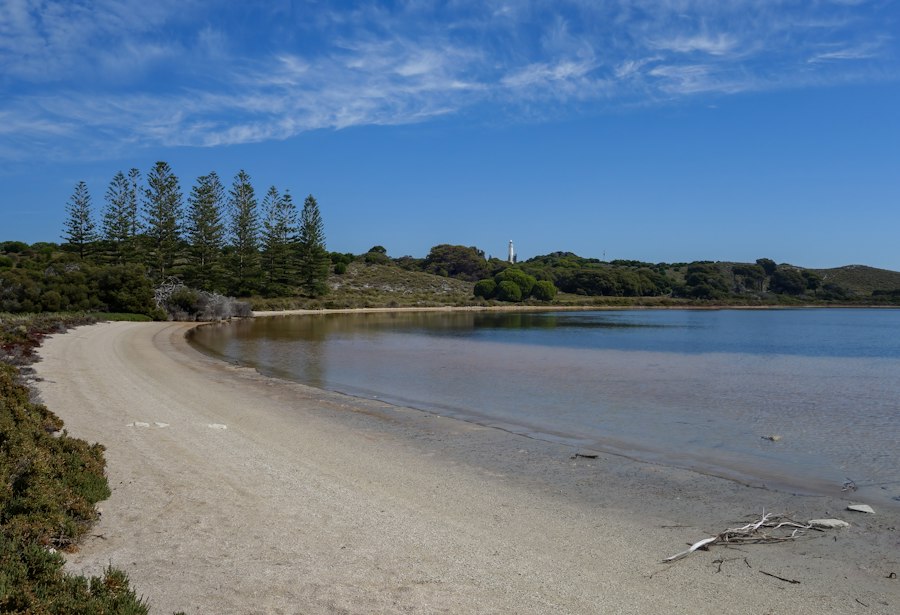
Despite its geological instability, evidence suggests that Île de Sable has not always been uninhabited. Archaeological finds, though scarce and often fragmented, point to intermittent human activity spanning millennia. These remnants offer tantalizing clues about who might have lived on the island, how they sustained themselves, and their relationship with this challenging environment. The nature of these findings – stone tools, fragments of pottery, remnants of rudimentary shelters – suggests a pattern of seasonal use rather than permanent settlement, likely by seafaring communities or for temporary refuge. The challenge lies in piecing together these disparate fragments into a coherent narrative, a task made all the more difficult by the island’s ever-changing landscape. Each discovery, no matter how small, represents a precious link to a past that could easily be lost forever. The careful study of these artifacts, combined with a deep understanding of the surrounding maritime cultures, is essential to understanding the island’s human history.
The First Inhabitants: Stone Age Nomads and Maritime Fishermen
The earliest known human presence on Île de Sable likely dates back to the Mesolithic or early Neolithic periods. This era saw human populations, particularly those living along the coast, becoming increasingly adept at exploiting marine resources. The island, even in its less substantial forms, would have offered a convenient temporary base for fishing expeditions. Archeologists have unearthed lithic tools – axes, scrapers, and projectile points – crafted from local stone. These artifacts, found scattered across the island, suggest the presence of small, transient groups who likely used the island for short periods, perhaps during favorable fishing seasons or as a resting point on longer sea voyages. The absence of significant agricultural remains or permanent structures from this period reinforces the idea of a nomadic or semi-nomadic lifestyle, with the island serving as a resource rather than a permanent home. The very nature of these finds implies a resourcefulness and an understanding of the sea that was crucial for survival in this period.
Unearthing Primitive Tools: Lithic Evidence and Habitation Patterns
The discovery of stone tools on Île de Sable provides the most tangible evidence of its earliest human inhabitants. These lithic artifacts, often made from flint or chert, are typically characterized by their functional simplicity. Researchers have identified types of tools consistent with prehistoric hunting, butchery, and food processing. The distribution of these finds, often concentrated in specific areas that might have offered natural shelter or access to freshwater sources in the past, helps archaeologists infer potential habitation patterns. It is important to note that these findings do not suggest large, organized settlements but rather small, temporary encampments. The scarcity of bone or shell fragments from this period, which would indicate extensive food consumption, further supports the notion of short-term stays. The analysis of the stone sources for these tools can also provide valuable information about the migration patterns and trade networks of these early peoples, indicating whether they were using local resources or bringing materials from further afield.
The Salt-Kissed Larders: Marine Exploitation and Subsistence Strategies
The maritime nature of Île de Sable strongly suggests that its early inhabitants relied heavily on the sea for sustenance. While direct evidence of fishing gear is rare due to the corrosive effects of saltwater and the passage of time, the presence of shell middens, even if small and ephemeral, can indicate the consumption of shellfish. Furthermore, the types of stone tools found, such as scrapers, would have been useful for preparing fish and other marine creatures for consumption. It is plausible that these early peoples were skilled fishermen, using rudimentary nets, lines, and possibly spears. The island itself might have also offered opportunities for gathering seaweed, edible plants that grew in the coastal environment, and perhaps even trapping seabirds. Understanding their subsistence strategies is key to understanding their connection to the island and the reasons for their visits, highlighting their adaptability to a challenging, resource-rich environment.
Later Settlements: Medieval Fishermen and Coastal Outposts
As human civilization progressed, Île de Sable continued to be a point of interest, albeit perhaps a more utilitarian one. Evidence suggests that during the medieval period, the island may have served as a temporary outpost for fishermen, particularly those operating in the rich fishing grounds off the Breton coast. Fragments of coarser pottery and remnants of rudimentary stone constructions have been found, hinting at more sustained, though still seasonal, use. These finds suggest a slightly more organized presence than the prehistoric period, possibly involving small huts or shelters that offered protection from the elements. The island’s strategic location, while challenging, would have made it a convenient staging post for longer fishing voyages, allowing fishermen to rest, repair their gear, and perhaps even store some of their catch before returning to the mainland. The mystery here lies in the exact nature and duration of these settlements, and whether they were officially sanctioned or simply informal gathering places.
The historical mystery surrounding Île de Sable has captivated many, drawing attention to the island’s enigmatic past and the legends that surround it. For those interested in exploring more about this intriguing topic, a related article can provide deeper insights into the island’s history and its significance in maritime lore. You can read more about it in this fascinating piece that delves into the secrets of Île de Sable by visiting this link.
Whispers of Medieval Life: Pottery Shards and Construction Fragments
The discovery of pottery shards from the medieval period on Île de Sable provides a crucial temporal marker for human activity. These fragments, often made from coarse earthenware, are distinct from earlier prehistoric ceramics and can be dated by their style and manufacturing techniques. Their presence indicates that people were regularly visiting or temporarily inhabiting the island during this era. Alongside the pottery, rudimentary building materials, such as shaped stones and remnants of collapsed walls, have been unearthed. These findings suggest the existence of simple structures, likely shelters or small storage areas, built to withstand the harsh coastal environment. The limited scale of these structures, however, points away from permanent villages and towards a more utilitarian use of the island as a temporary base of operations for activities like fishing or shell gathering.
The Fishermen’s Refuge: Seasonal Outposts and Maritime Trade Routes
It is highly probable that medieval fishermen utilized Île de Sable as a seasonal refuge. The waters surrounding Brittany were, and still are, rich in various fish species. This would have attracted fishing fleets from various coastal communities. The island, despite its challenges, offered a convenient stopping point, especially during longer voyages or when adverse weather conditions made it difficult to return directly to the mainland. These would not have been permanent settlements but rather temporary camps, established during the fishing seasons. It is also possible that the island played a minor role in small-scale maritime trade, acting as a clandestine meeting point or a place to temporarily stash goods. The lack of extensive fortifications or clear evidence of defensive structures suggests a focus on resource gathering and a relatively peaceful coexistence with other seafaring communities, rather than a fortified outpost.
The Shadow of Smuggling: Covert Operations and Hidden Histories
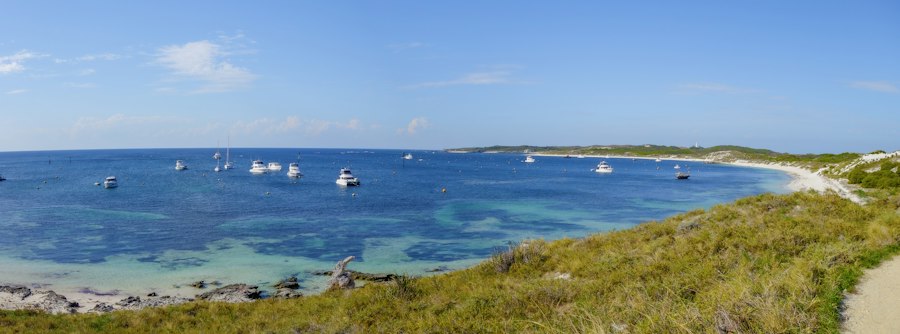
Beyond the lives of ordinary fishermen and foragers, Île de Sable’s remote location and shifting sands also made it an ideal location for clandestine activities. The island’s isolation and its proximity to established trade routes presented opportunities for smuggling. Historical records and local legends often allude to the island being a rendezvous point for illicit activities, a place where goods were secretly landed and exchanged. The nature of these operations would have been inherently secretive, leaving behind only the faintest of traces. Uncovering these stories requires sifting through fragmented accounts, deciphering coded messages if any exist, and looking for subtle anomalies in the archaeological record that might point to unauthorized or hidden caches. The mystery surrounding smuggling on Île de Sable is less about grand pronouncements and more about whispered secrets and deliberately obscured footprints.
Rumors of Contraband: Evidence of Illicit Trade and Discreet Landings
The history of coastal regions is often intertwined with tales of smuggling, and Île de Sable is no exception. The island’s geographical position, somewhat secluded from major settlements yet accessible by sea, made it a prime candidate for illicit landings. While direct documentary evidence of large-scale smuggling operations is scarce – by its very nature, smuggling seeks to avoid official records – anecdotal accounts and local folklore persist. These stories often speak of small boats arriving under the cover of darkness, of clandestine exchanges on deserted beaches, and of the island serving as a temporary repository for untaxed goods. The types of contraband would likely have varied over time, from luxury items like silks and spices to more mundane goods that were subject to heavy duties. The mystery lies in verifying these rumors and pinpointing specific periods and types of smuggling activity.
Discreet Dwellings and Concealed Caches: Archaeological Clues
While smugglers would have been careful to leave no obvious signs, archaeological investigation can sometimes unearth subtle clues. The discovery of small, isolated stone structures or depressions in the ground, not immediately attributable to fishing huts or temporary shelters, could suggest hidden caches or temporary dwellings used by smugglers. These might have been used to store contraband before it was moved inland or to provide shelter for the individuals involved in the illicit trade. The absence of extensive refuse or evidence of long-term habitation around such sites would further support a clandestine purpose. Furthermore, the presence of objects that are out of place for the historical period or context of the island could also point to smuggling activities, such as coins or artifacts that were illicitly acquired or intended for illicit trade.
Whispers in the Archives: Historical Accounts and Legal Records
While direct evidence may be scarce, a deeper dive into historical archives can sometimes yield fragmented accounts that shed light on smuggling activities. Old customs records, court documents related to piracy or contraband seizure, and even personal letters or journals from individuals living in nearby coastal communities might contain veiled references to suspicious activities on or around Île de Sable. These documents, though not always explicitly naming the island, can provide broader context for understanding the potential for smuggling in the region. Local historians and archivists often hold valuable anecdotal knowledge, passed down through oral tradition, which can offer starting points for more targeted archival research. Deciphering these historical whispers requires careful cross-referencing and a keen eye for inconsistencies or unusual omissions in official records.
The Search for Lost Treasures: Legends and Archaeological Pursuits
The mystique of Île de Sable is inextricably linked to the allure of lost treasures. Legends of buried pirate hoards, forgotten shipwrecks laden with riches, and even hidden caches of historical artifacts have long circulated. These tales, fueled by the island’s remoteness and the potential for its shifting sands to both conceal and reveal secrets, have attracted treasure hunters and archaeologists alike. The challenge for researchers is to distinguish between fanciful folklore and plausible historical claims. This involves meticulously

They Survived 15 Years on an Island Almost No One Could Reach
FAQs
What is the Île de Sable historical mystery?
The Île de Sable historical mystery refers to the disappearance of the inhabitants of a small island off the coast of Nova Scotia in the early 16th century. The island was discovered by Portuguese explorers in 1520, but when French explorers arrived in 1536, they found the island deserted with no signs of what happened to the inhabitants.
What are some theories about the disappearance of the Île de Sable inhabitants?
There are several theories about the disappearance of the Île de Sable inhabitants, including a possible attack by pirates, a natural disaster such as a hurricane or tsunami, or a disease outbreak that wiped out the population. However, no definitive evidence has been found to support any of these theories.
Has any archaeological evidence been found on Île de Sable?
Despite numerous expeditions and investigations, no significant archaeological evidence has been found on Île de Sable to shed light on the mystery of the disappearance of its inhabitants. The island remains largely uninhabited and untouched, adding to the intrigue surrounding the historical mystery.
Are there any historical records or accounts that mention Île de Sable?
There are limited historical records and accounts that mention Île de Sable, mostly from early European explorers who stumbled upon the island. These accounts provide some details about the island’s geography and the mystery of the vanished inhabitants, but no concrete explanations have been found.
Is there ongoing research or investigation into the Île de Sable historical mystery?
There is ongoing interest in the Île de Sable historical mystery, with researchers, historians, and archaeologists continuing to explore the island and search for clues that may help unravel the mystery. New technologies and methods are being used to analyze the island and its surroundings in the hopes of finding answers to the centuries-old enigma.