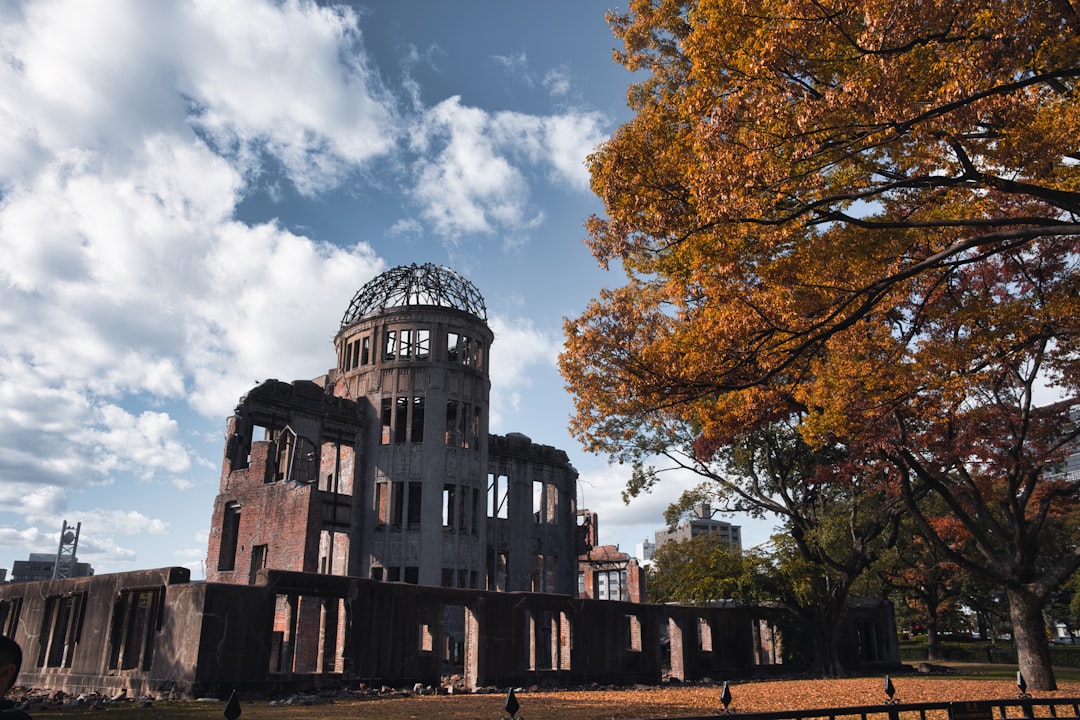
The legacy of atomic testing is a profound and troubling chapter in human history, marked by its far-reaching consequences on health and well-being. From the mid-20th century, when nuclear weapons were tested in various locations around the globe, the immediate and long-term health effects on populations living near test sites became increasingly evident. The detonation of nuclear devices released not only explosive energy but also a cocktail of radioactive materials into the environment.
These materials, including strontium-90, cesium-137, and iodine-131, have been linked to a range of health issues, including cancers, autoimmune diseases, and genetic mutations. The fallout from these tests did not respect borders; it spread through air and water, affecting communities far beyond the immediate vicinity of the explosions. As research has progressed, the understanding of the health impacts associated with atomic testing has deepened.
Studies have shown that individuals exposed to radiation during tests often experience higher rates of thyroid cancer, leukemia, and other malignancies. Moreover, the psychological toll of living under the shadow of potential illness has compounded these physical health issues. Survivors and their families frequently report anxiety, depression, and a pervasive sense of uncertainty about their futures.
The legacy of atomic testing is thus not merely a matter of physical health; it encompasses a broader spectrum of human experience that includes emotional and psychological dimensions.
Key Takeaways
- The legacy of atomic testing has had a significant impact on human health, with long-term effects on individuals and communities.
- Atomic testing has caused psychological trauma and distress in affected communities, leading to ongoing mental health challenges.
- Displacement and disruption of communities due to atomic testing has led to social and economic challenges for those affected.
- The inter-generational effects of atomic testing have had lasting impacts on families and communities, with ongoing health and social issues.
- The environmental impact of atomic testing has had detrimental effects on human health, with long-term consequences for affected populations.
The Psychological Impact of Atomic Testing on Affected Communities
The psychological impact of atomic testing on affected communities is a complex and multifaceted issue that extends beyond the immediate aftermath of the detonations. For many individuals living in proximity to test sites, the knowledge that they were subjected to radiation exposure has led to a pervasive sense of fear and mistrust. This fear is not only rooted in the potential for developing serious health conditions but also in the broader implications of being part of a community that has been marginalized and exploited for military purposes.
The psychological scars left by atomic testing can manifest in various ways, including chronic stress, anxiety disorders, and post-traumatic stress disorder (PTSD). Communities affected by atomic testing often grapple with a collective trauma that can hinder their ability to heal and move forward. The stigma associated with radiation exposure can lead to social isolation, as individuals may feel alienated from those who do not share their experiences.
This isolation can be exacerbated by a lack of support from governmental and health institutions, which may downplay or deny the long-term effects of radiation exposure. As a result, many survivors find themselves caught in a cycle of despair, struggling to cope with both their physical ailments and the emotional fallout from their experiences.
The Displacement and Disruption of Communities due to Atomic Testing

Displacement and disruption are among the most visible consequences of atomic testing on communities. In many cases, entire populations were forcibly relocated from their homes to make way for nuclear tests. This displacement was often carried out with little regard for the cultural and social ties that bound these communities together.
Families were uprooted from their ancestral lands, disrupting traditional ways of life and severing connections to their heritage. The loss of land not only stripped individuals of their homes but also undermined their economic stability, as many relied on agriculture or fishing for their livelihoods. The disruption caused by atomic testing extends beyond physical displacement; it also affects community cohesion and identity.
When people are forced to leave their homes, they often lose the social networks that provide support during times of crisis. The resulting fragmentation can lead to increased rates of substance abuse, domestic violence, and mental health issues within displaced populations. Furthermore, the long-term effects of such disruptions can be felt for generations, as children grow up without a sense of belonging or connection to their cultural roots.
The Inter-generational Effects of Atomic Testing on Families and Communities
| Generation | Health Effects | Community Impact |
|---|---|---|
| First Generation | Increased risk of cancer and other health issues | Displacement and loss of livelihood |
| Second Generation | Higher rates of birth defects and genetic mutations | Continued economic and social challenges |
| Third Generation | Potential long-term health implications | Inter-generational trauma and psychological effects |
The inter-generational effects of atomic testing are a poignant reminder that the consequences of such actions extend far beyond those who were directly exposed. Children born to parents who experienced radiation exposure may face an increased risk of genetic mutations and health issues. Research has indicated that certain cancers and other diseases can manifest in subsequent generations, raising concerns about the long-term implications for families affected by atomic testing.
This phenomenon creates a cycle of suffering that can perpetuate trauma within families, as each generation grapples with the legacy left by their predecessors. Moreover, the psychological impact of atomic testing can also be inter-generational. Children raised in families affected by atomic testing may inherit not only physical health challenges but also emotional scars.
The fear and anxiety experienced by parents can be transmitted to their children, leading to a pervasive sense of unease about their own health and future. This cycle of trauma can hinder community resilience and recovery efforts, as families struggle to break free from the shadow of past injustices.
The Environmental Impact of Atomic Testing on Human Health
The environmental impact of atomic testing is another critical aspect that cannot be overlooked when discussing its legacy on human health. The detonation of nuclear devices released vast amounts of radioactive materials into the atmosphere, soil, and water sources. These contaminants have had lasting effects on ecosystems and human populations alike.
Contaminated land can render agricultural practices unsafe, leading to food insecurity and malnutrition among affected communities. Additionally, water sources tainted with radioactive substances pose significant health risks to those who rely on them for drinking and sanitation. The environmental degradation caused by atomic testing has far-reaching implications for public health.
As ecosystems become compromised, the natural balance is disrupted, leading to declines in biodiversity and the collapse of local food systems. Communities that once thrived on their natural resources find themselves grappling with new challenges related to health and sustainability. The long-term consequences of this environmental impact are still being studied, but it is clear that the legacy of atomic testing extends well beyond immediate human health concerns.
The Long-term Effects of Radiation Exposure on Atomic Test Site Workers

Atomic test site workers are among those who have borne the brunt of radiation exposure during nuclear tests. Many individuals employed in these sites were unaware of the potential dangers associated with their work or were misled about safety protocols. As a result, they often faced significant health risks without adequate protection or support.
Long-term studies have shown that these workers are at an increased risk for various cancers and other serious health conditions due to their exposure to ionizing radiation. The plight of atomic test site workers highlights the need for comprehensive health monitoring and support systems for those who have been exposed to radiation in occupational settings. Many workers have reported difficulties accessing healthcare services or receiving recognition for their work-related illnesses.
This lack of support can exacerbate feelings of isolation and despair among workers who have sacrificed their health for national security interests. Addressing these long-term effects requires a concerted effort from governments and organizations to ensure that workers receive the care they need.
The Stigma and Discrimination Faced by Atomic Test Site Workers and Affected Communities
Stigma and discrimination are pervasive issues faced by atomic test site workers and affected communities. Many individuals who have been exposed to radiation carry an invisible burden; they may be viewed with suspicion or fear by others who do not understand the nature of their experiences. This stigma can lead to social isolation, as individuals may feel compelled to hide their past or avoid discussing their health issues with friends or family members.
Such discrimination can further compound the psychological toll experienced by survivors and their families. Moreover, affected communities often find themselves marginalized in broader societal discussions about nuclear policy and public health.
This marginalization can perpetuate feelings of helplessness among affected populations, as they struggle to advocate for recognition and support in the face of systemic discrimination.
The Challenges of Seeking Compensation and Support for Atomic Test Site Victims
Seeking compensation and support for victims of atomic testing presents numerous challenges that can deter individuals from pursuing justice. Many survivors face bureaucratic hurdles when attempting to access compensation programs or healthcare services related to their exposure. Complex application processes, stringent eligibility criteria, and lengthy waiting periods can create significant barriers for those already grappling with health issues.
Additionally, survivors may encounter skepticism from authorities regarding the legitimacy of their claims, further complicating their efforts to seek redress. The lack of comprehensive support systems for atomic test site victims underscores the need for advocacy and reform in this area. Many survivors feel abandoned by government agencies that once prioritized national security over individual health concerns.
As a result, grassroots organizations have emerged to fill this gap, providing resources and support for those affected by atomic testing. However, these efforts often rely on limited funding and volunteer support, highlighting the urgent need for systemic change to ensure that victims receive the recognition and assistance they deserve.
The Global Reach of Atomic Testing and its Impact on Indigenous Communities
The global reach of atomic testing has had particularly devastating effects on Indigenous communities around the world. Many Indigenous peoples have been disproportionately affected by nuclear tests conducted on or near their ancestral lands. These tests have not only resulted in immediate health risks but have also disrupted traditional ways of life that are deeply intertwined with the land.
For Indigenous communities, land is not merely a resource; it is a source of identity, culture, and spirituality. The impact of atomic testing on Indigenous communities extends beyond physical displacement; it also encompasses cultural erosion and loss. As traditional practices are disrupted by contamination or relocation, Indigenous peoples face challenges in preserving their cultural heritage for future generations.
The Efforts to Raise Awareness and Advocate for Atomic Test Site Victims
In recent years, there has been a growing movement to raise awareness about the plight of atomic test site victims and advocate for their rights. Grassroots organizations, activists, and survivors themselves have come together to share their stories and demand justice for those affected by nuclear testing. These efforts aim not only to highlight the ongoing health impacts but also to challenge societal perceptions surrounding atomic testing and its consequences.
Public awareness campaigns have played a crucial role in bringing attention to this issue on both national and international stages. Documentaries, art installations, and community events have served as platforms for survivors to share their experiences and educate others about the long-term effects of radiation exposure. By amplifying these voices, advocates hope to foster greater understanding and empathy toward those who have suffered as a result of atomic testing.
The Ongoing Efforts to Address the Human Cost of Atomic Testing
Addressing the human cost of atomic testing requires sustained commitment from governments, organizations, and communities alike. Efforts are underway to establish comprehensive healthcare programs for survivors, ensuring they receive necessary medical attention without facing financial barriers. Additionally, advocacy groups continue to push for policy changes that recognize the rights of atomic test site victims and provide them with adequate compensation.
As society grapples with the legacy of atomic testing, it is essential to remember that healing is not solely an individual journey; it is a collective responsibility. By acknowledging past injustices and working toward reparative measures, communities can begin to rebuild trust and foster resilience among those affected by nuclear testing. The ongoing efforts to address these issues serve as a testament to the strength and determination of survivors who refuse to be silenced in their pursuit of justice.
The human cost of atomic testing is a topic that has garnered significant attention due to its profound impact on communities and the environment. An article that delves into the broader implications of such testing can be found on MyGeoQuest, which explores various geographical and environmental issues. For more insights into the consequences of atomic testing and its lasting effects, you can read the related article on their website. Visit the article by clicking on this link to gain a deeper understanding of the subject.
FAQs
What is atomic testing?
Atomic testing refers to the detonation of nuclear weapons for the purpose of testing their effectiveness, safety, and reliability. These tests can be conducted underground, in the atmosphere, underwater, or in outer space.
What is the human cost of atomic testing?
The human cost of atomic testing includes the immediate and long-term health effects on individuals who were exposed to radiation from the tests. This can include increased risk of cancer, genetic mutations, and other health issues.
Where have atomic tests been conducted?
Atomic tests have been conducted in various locations around the world, including the United States, the Soviet Union, the United Kingdom, France, China, India, Pakistan, and North Korea. Many of these tests were conducted in remote areas, but some were also conducted near inhabited areas.
What are the long-term effects of atomic testing on human health?
The long-term effects of atomic testing on human health can include an increased risk of cancer, particularly thyroid cancer, leukemia, and other types of cancer. Exposure to radiation from atomic tests can also lead to genetic mutations and other health issues in future generations.
What efforts have been made to address the human cost of atomic testing?
Efforts have been made to compensate and provide medical care for individuals who were affected by atomic testing. For example, the United States has established the Radiation Exposure Compensation Program to provide financial compensation to individuals who developed certain cancers as a result of exposure to radiation from atomic tests. Additionally, various international organizations and advocacy groups work to raise awareness about the human cost of atomic testing and advocate for the rights of affected individuals.