
American regionalism has deep historical roots that can be traced back to the early days of the nation. The diverse landscapes, climates, and cultures across the United States have fostered distinct regional identities. From the rolling hills of New England to the vast plains of the Midwest, each area developed its own unique characteristics shaped by geography, economy, and social dynamics.
The early settlers brought with them their traditions and customs, which blended with the indigenous cultures and the influences of later immigrants, creating a rich tapestry of regional identities. As the nation expanded westward, regionalism became even more pronounced. The Louisiana Purchase in 1803 and the subsequent westward migration introduced new cultural elements and economic opportunities.
The South developed its own identity rooted in agriculture and plantation life, while the industrial North embraced urbanization and manufacturing. These differences were not merely superficial; they influenced everything from political affiliations to social norms, laying the groundwork for a complex interplay of regional identities that would continue to evolve throughout American history.
Key Takeaways
- American regionalism is rooted in the diverse cultural, historical, and geographical differences across the country.
- Immigration and migration have significantly influenced the development of regionalism in the United States.
- Regionalism has been a prominent theme in American art and literature, reflecting the unique characteristics of different regions.
- The impact of regionalism on American identity has shaped the country’s cultural and social landscape.
- Music and folklore have played a significant role in expressing and preserving regional identities in the United States.
The Influence of Immigration and Migration on Regionalism
Immigration and migration have played pivotal roles in shaping American regionalism. Waves of immigrants arriving from Europe, Asia, and Latin America brought diverse cultural practices, languages, and traditions that enriched local communities. For instance, the influx of Irish immigrants in the 19th century significantly impacted urban centers like New York City, where they established vibrant neighborhoods that reflected their heritage.
Similarly, Italian and Jewish immigrants contributed to the cultural mosaic of American cities, each adding their unique flavors to the regional identity. Migration patterns within the United States have also influenced regionalism. The Great Migration of African Americans from the rural South to urban centers in the North during the early to mid-20th century transformed cities like Chicago and Detroit.
This movement not only altered the demographic landscape but also led to the emergence of distinct cultural expressions, such as jazz and blues music, which became emblematic of African American experiences in these regions. As people moved and settled in new areas, they brought their traditions with them, further enriching the regional identities across the nation.
Regionalism in Art and Literature
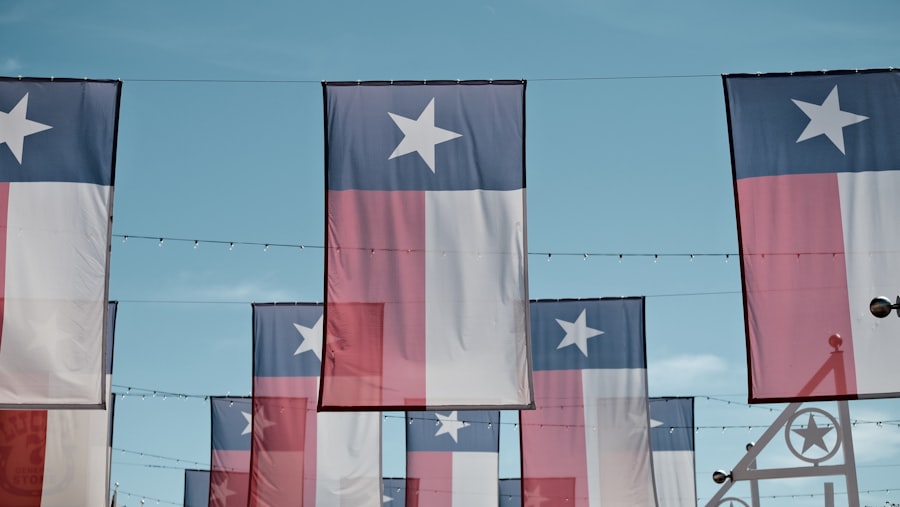
Art and literature have long served as reflections of regional identities in America. Writers such as Mark Twain and Willa Cather captured the essence of their respective regions through their storytelling, providing insights into the lives and struggles of ordinary people. Twain’s depictions of life along the Mississippi River highlighted the unique culture of the South and Midwest, while Cather’s works celebrated the experiences of immigrants on the Great Plains.
These literary contributions not only showcased regional dialects and customs but also explored broader themes of identity and belonging. In visual arts, regionalism found expression through movements such as American Scene Painting in the early 20th century. Artists like Grant Wood and Thomas Hart Benton focused on rural life and everyday scenes, emphasizing the beauty and complexity of American landscapes.
Their works often depicted local traditions and values, reinforcing a sense of pride in regional heritage. Through both literature and art, regionalism has provided a platform for voices that might otherwise go unheard, allowing individuals to connect with their roots while also engaging with broader national narratives.
The Impact of Regionalism on American Identity
| Aspect | Impact |
|---|---|
| Cultural Diversity | Regionalism has contributed to a rich tapestry of cultural traditions and identities within the United States. |
| Political Division | Regionalism has sometimes led to political divisions and differences in priorities between different regions of the country. |
| Economic Disparities | Regionalism has resulted in economic disparities between different regions, impacting the overall American identity. |
| Social Cohesion | Regionalism has influenced social cohesion, with different regions having distinct social norms and values. |
Regionalism has significantly shaped American identity by fostering a sense of belonging among individuals within specific locales. The diverse experiences and histories associated with different regions contribute to a multifaceted national identity that is both unified and varied. For many Americans, their regional identity is a source of pride, influencing everything from language and customs to political beliefs and social interactions.
This sense of belonging can create strong community ties, as individuals come together to celebrate shared traditions and values. However, regionalism can also lead to divisions within the broader national identity. Differences in culture, politics, and economic interests can create tensions between regions, particularly when it comes to issues such as resource allocation or social policies.
The Civil War serves as a historical example of how regional differences can escalate into conflict, highlighting the complexities of balancing regional identities with a cohesive national narrative. As America continues to evolve, understanding these dynamics remains crucial for fostering unity while respecting the rich diversity that defines the nation.
Regionalism in Music and Folklore
Music and folklore are vital components of American regionalism, serving as expressions of cultural heritage that resonate deeply within communities. Each region boasts its own musical traditions that reflect its unique history and social fabric. For instance, country music emerged from the Appalachian region, drawing on folk traditions brought by immigrants from Europe.
This genre not only tells stories of rural life but also captures the struggles and triumphs of everyday people, making it a powerful vehicle for regional expression. Folklore also plays a significant role in shaping regional identities through storytelling and oral traditions. Tales passed down through generations often reflect local customs, values, and historical events.
In the South, for example, stories about legendary figures like John Henry or Paul Bunyan serve to reinforce cultural pride while also imparting moral lessons. These narratives contribute to a shared sense of identity among community members, fostering connections that transcend individual experiences. As music and folklore continue to evolve, they remain essential elements of American regionalism, celebrating diversity while highlighting common threads that unite different cultures.
The Role of Regionalism in American Politics
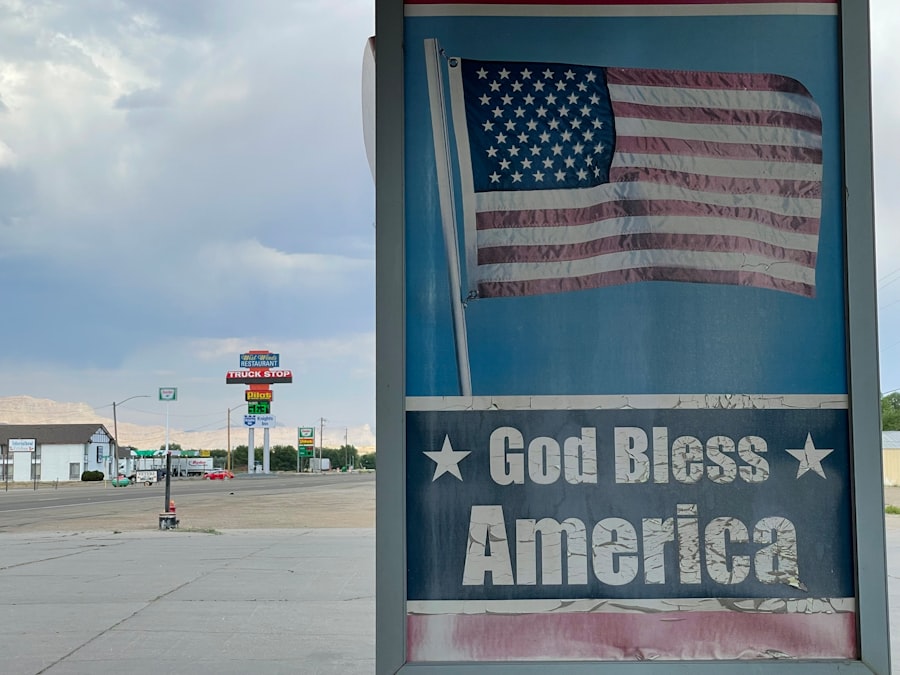
Regionalism has long influenced American politics, shaping party affiliations, policy preferences, and electoral outcomes. Different regions often prioritize distinct issues based on their unique economic conditions and cultural values. For instance, rural areas may focus on agricultural policies and land use regulations, while urban centers might prioritize social justice initiatives or environmental concerns.
This divergence can lead to varying political landscapes across the country, with certain regions leaning more toward conservative or liberal ideologies. The impact of regionalism is particularly evident during elections when candidates tailor their messages to resonate with specific constituencies. Political campaigns often emphasize local issues that matter most to voters in particular regions, reflecting an understanding of how geography shapes political priorities.
Additionally, regional alliances can emerge as groups with shared interests come together to advocate for policies that benefit their communities. As America navigates an increasingly polarized political climate, recognizing the role of regionalism is essential for fostering dialogue and understanding among diverse populations.
Regionalism in Food and Cuisine
Food is a powerful expression of regional identity in America, with each area boasting its own culinary traditions that reflect local ingredients, cultural influences, and historical contexts. From Southern barbecue to New England clam chowder, regional cuisines tell stories about the people who inhabit those areas and their relationships with the land.
Regional foodways often serve as a source of pride for communities, fostering connections among residents who share similar tastes and culinary practices. Festivals celebrating local dishes or ingredients are common across the country, showcasing the importance of food in building community bonds. Moreover, as food culture continues to evolve with globalization and increased access to diverse ingredients, traditional recipes may adapt while still honoring their roots.
This dynamic interplay between tradition and innovation underscores how food remains a vital aspect of American regionalism.
The Resurgence of Regionalism in the 20th Century
The 20th century witnessed a resurgence of interest in regionalism as artists, writers, and scholars sought to explore local identities amid rapid modernization and globalization. The Great Depression prompted many to reflect on their roots as they grappled with economic hardship; this introspection led to a renewed appreciation for local culture and traditions. Writers like Zora Neale Hurston celebrated African American folklore from the South while artists captured rural landscapes through their work.
Additionally, movements such as the Regionalist art movement emerged during this time as artists sought to depict everyday life in America’s heartland rather than focusing solely on urban experiences. This shift allowed for a broader representation of American life that included rural perspectives often overlooked in mainstream narratives. As individuals began to embrace their regional identities once more, they contributed to a rich cultural dialogue that celebrated diversity while reinforcing connections among communities across the nation.
Regionalism and the Civil Rights Movement
The Civil Rights Movement highlighted both the strengths and challenges of regionalism within America’s social fabric. Activists from various regions came together to advocate for racial equality; however, they often faced differing attitudes toward civil rights based on local histories and cultural contexts. Southern states were particularly significant battlegrounds during this period due to their entrenched systems of segregation and discrimination.
Regional differences also influenced strategies employed by civil rights leaders; grassroots organizing efforts varied widely depending on local conditions. In some areas, nonviolent protests were met with fierce resistance from authorities while other regions experienced more supportive responses from community members or local leaders willing to engage in dialogue about racial justice issues. Ultimately, these dynamics underscored how deeply rooted regional identities could both unite individuals around common goals while simultaneously presenting obstacles rooted in historical legacies.
The Globalization of American Regionalism
As globalization continues to shape cultural exchanges worldwide, American regionalism has also evolved in response to these changes.
For instance, culinary practices have become more diverse as international flavors find their way into traditional dishes; fusion cuisine exemplifies this trend by combining elements from different culinary heritages.
Moreover, technology has facilitated greater access to information about various regions across America; individuals can now explore local customs or participate in virtual events regardless of geographical boundaries. This exposure fosters appreciation for diverse cultures while prompting questions about authenticity and preservation within regional identities. As globalization reshapes how people engage with their surroundings—both locally and globally—understanding these dynamics becomes essential for navigating contemporary discussions around culture.
The Future of American Regionalism
The future of American regionalism remains uncertain yet promising as society grapples with ongoing changes brought about by technology, migration patterns, climate change, and shifting demographics. As younger generations increasingly embrace multiculturalism while seeking connections to their roots—whether through art forms like music or culinary practices—regional identities may continue evolving into more inclusive representations that honor diversity within unity. Furthermore, addressing pressing issues such as environmental sustainability will require collaboration across regions; recognizing shared challenges can foster solidarity among communities traditionally divided by geographic boundaries.
By embracing both local heritage and global influences—while remaining mindful of historical legacies—American regionalism has the potential not only to endure but thrive amid an ever-changing landscape characterized by complexity rather than simplicity. In conclusion, American regionalism is a multifaceted phenomenon deeply embedded in the nation’s history and culture. Its roots stretch back centuries, shaped by immigration patterns, artistic expressions, political dynamics, culinary traditions—and much more—creating a rich tapestry that reflects both unity and diversity within America’s identity.
As society continues navigating contemporary challenges while honoring its pasts—regionalism will undoubtedly play an integral role in shaping future narratives about what it means to be American today.
American regionalism has played a significant role in shaping the cultural and artistic landscape of the United States, reflecting the diverse experiences and identities across different areas. For a deeper understanding of this movement, you can explore the article on the history of American regionalism found at this link. This article delves into the various artistic expressions and literary works that emerged from different regions, highlighting how geography and local culture influenced the narratives and styles of American artists and writers.
WATCH THIS! The Map You Trust Is A Lie: Why America Is Really 11 Rival Nations
FAQs
What is American regionalism in art?
American regionalism in art refers to a realist modern art movement that depicted rural and small-town America. It emerged in the 1930s as a response to the Great Depression and the urbanization of America.
Who were the major artists associated with American regionalism?
The major artists associated with American regionalism include Thomas Hart Benton, John Steuart Curry, and Grant Wood. These artists were known for their depictions of rural life and landscapes in the American Midwest.
What were the key themes of American regionalist art?
The key themes of American regionalist art included a celebration of rural life, the American heartland, and the working class. The art often depicted scenes of farming, small towns, and everyday life in the Midwest.
How did American regionalism impact the art world?
American regionalism had a significant impact on the art world by challenging the dominance of European modernism and bringing attention to the unique culture and landscapes of rural America. It also influenced the development of American folk art and the portrayal of American identity in art.
Is American regionalism still relevant in contemporary art?
While American regionalism as a specific art movement has waned, its influence can still be seen in contemporary art. Many artists continue to explore themes of rural life, regional identity, and the American landscape in their work.