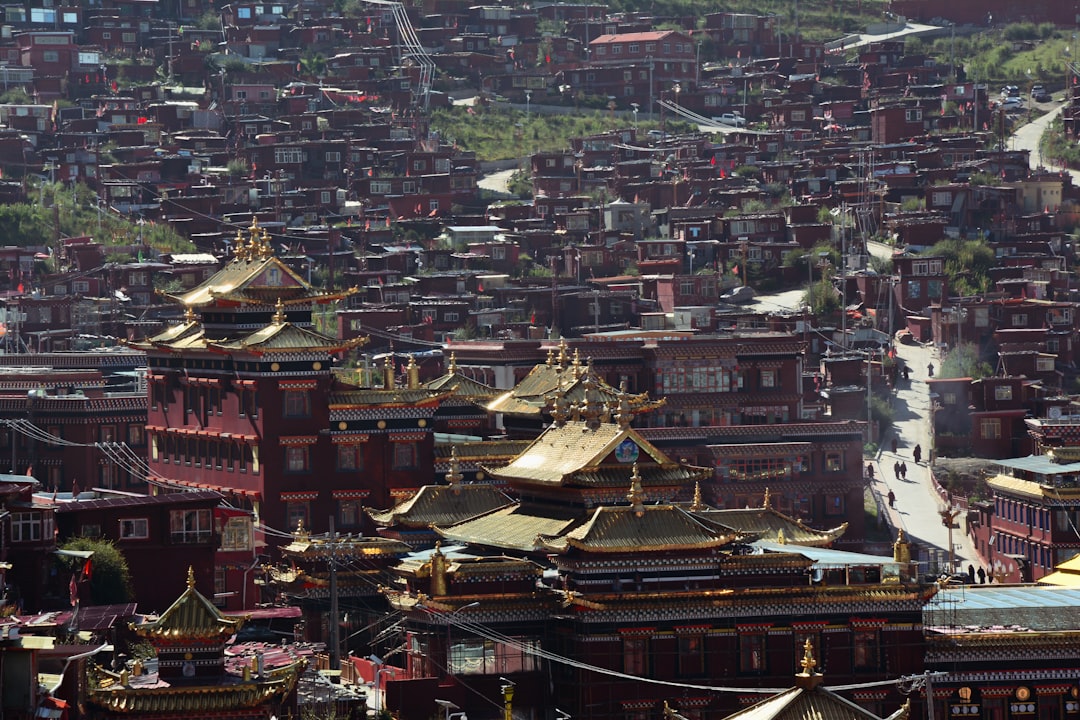
Tibet, a region steeped in rich cultural heritage and breathtaking landscapes, has been experiencing a notable decline in its population over recent decades. This demographic shift is not merely a statistical anomaly; it reflects a complex interplay of historical, economic, political, and environmental factors that have shaped the lives of its inhabitants. As the world becomes increasingly aware of the challenges facing this unique region, understanding the reasons behind Tibet’s population decline becomes essential for grasping the broader implications for its future.
The decline in Tibet’s population is a multifaceted issue that raises questions about identity, sustainability, and the preservation of culture. With a history marked by both resilience and adversity, the Tibetan people find themselves at a crossroads. The interplay of external pressures and internal dynamics has led to significant changes in demographic patterns, prompting a closer examination of the factors contributing to this trend.
As Tibet navigates the complexities of modernity, the implications of its population decline extend beyond mere numbers, affecting the very fabric of Tibetan society.
Key Takeaways
- Tibet’s population has been declining due to a combination of economic, political, environmental, and cultural factors.
- Historical context reveals that Tibet’s population has been impacted by political and social factors, including Chinese government policies.
- Economic and development factors, such as limited job opportunities and infrastructure, have contributed to population decline in Tibet.
- Environmental and climate change impacts, including melting glaciers and natural disasters, have also affected Tibet’s population.
- Cultural and religious influences, migration and urbanization trends, healthcare challenges, and gender imbalance all play a role in Tibet’s population decline.
Historical Context of Tibet’s Population
To fully comprehend the current demographic situation in Tibet, one must delve into its historical context. Traditionally, Tibet has been home to a diverse population that has thrived in its unique geographical setting. The region’s isolation, coupled with its distinct cultural practices and spiritual beliefs, fostered a sense of community among its inhabitants.
However, the 20th century brought significant upheaval, particularly with the incorporation of Tibet into the People’s Republic of China in 1950. This political shift marked the beginning of profound changes that would impact the population dynamics of the region. The historical context also reveals patterns of migration and displacement that have contributed to population decline.
The Chinese government’s policies aimed at integrating Tibet into the national framework led to significant demographic changes, including an influx of Han Chinese settlers. This migration altered the ethnic composition of the region and created tensions between different communities. Additionally, historical events such as the Cultural Revolution further exacerbated these tensions, leading to a loss of life and cultural heritage that has had lasting effects on Tibet’s population.
Economic and Development Factors
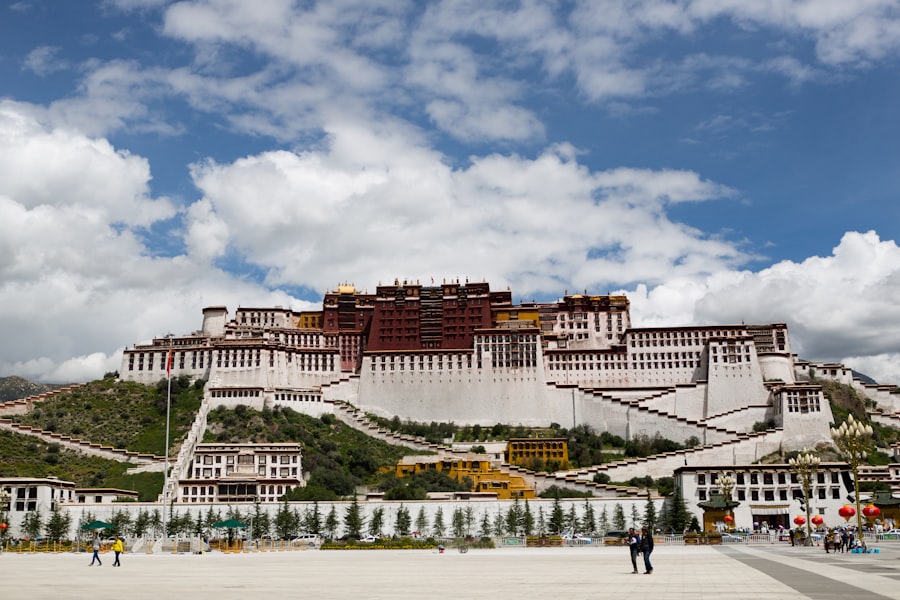
Economic development plays a crucial role in shaping population trends, and Tibet is no exception. The region has seen significant investment in infrastructure and industry in recent years, yet these developments have not necessarily translated into improved living conditions for all Tibetans. Many locals find themselves grappling with economic disparities that have emerged as a result of rapid modernization.
The influx of outside investment often prioritizes profit over local needs, leading to discontent among indigenous populations. Moreover, economic opportunities in urban areas have prompted many young Tibetans to migrate to cities in search of better prospects. This urbanization trend has resulted in a brain drain, where skilled individuals leave their rural communities for urban centers, further contributing to population decline in traditional areas.
The challenge lies in balancing economic growth with sustainable development that respects and preserves Tibetan culture and identity.
Political and Social Factors
| Factors | Metrics |
|---|---|
| Political Stability | Number of government changes in the past 10 years |
| Government Corruption | Corruption Perception Index (CPI) score |
| Political Freedom | Freedom House rating |
| Social Unrest | Number of protests or strikes in the past year |
The political landscape in Tibet is fraught with complexities that significantly influence its demographic trends. The Chinese government’s policies towards Tibetans have often been characterized by strict control over social and political expression. This environment has led to feelings of disenfranchisement among many Tibetans, who perceive their cultural identity as being under threat.
Such political pressures can lead to lower birth rates as families may feel uncertain about their future and the stability of their communities. Social factors also play a critical role in shaping population dynamics. The traditional Tibetan family structure has been influenced by both cultural norms and external pressures.
As modern values permeate Tibetan society, there is a growing trend towards smaller family units. This shift can be attributed to various factors, including increased access to education and changing attitudes towards marriage and child-rearing. The combination of political repression and evolving social norms contributes to a complex landscape where population decline becomes an inevitable outcome.
Environmental and Climate Change Impacts
Tibet’s unique environment is both a blessing and a challenge for its inhabitants. The region is often referred to as the “Third Pole” due to its vast glaciers and high-altitude ecosystems that are crucial for global water supply. However, climate change poses significant threats to these delicate ecosystems, impacting agriculture and livelihoods for many Tibetans.
As temperatures rise and weather patterns become increasingly erratic, traditional farming practices are disrupted, leading to food insecurity. The environmental challenges faced by Tibetans are compounded by issues such as deforestation and resource depletion. As communities struggle to adapt to these changes, many are forced to abandon their ancestral lands in search of more viable living conditions.
This migration away from rural areas contributes to population decline as younger generations leave behind their heritage in pursuit of stability elsewhere. The intersection of environmental degradation and demographic shifts underscores the urgent need for sustainable practices that can support both the land and its people.
Cultural and Religious Influences
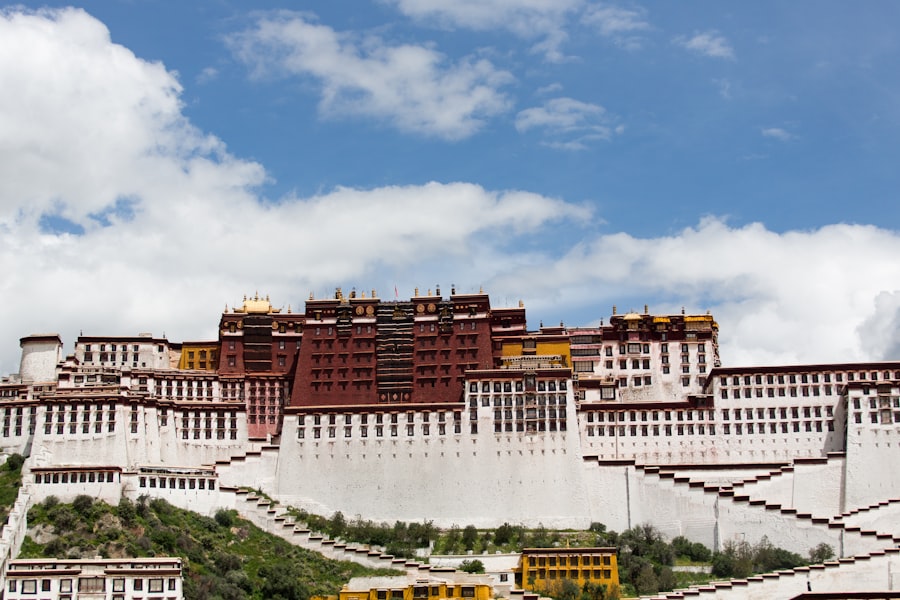
Tibet’s rich cultural tapestry is woven with threads of spirituality, tradition, and community values. Buddhism plays a central role in shaping the identity of the Tibetan people, influencing everything from daily life to social structures. However, the pressures of modernization and political repression have led to concerns about the preservation of this cultural heritage.
As younger generations are exposed to global influences, there is a risk that traditional practices may be lost or diluted. The impact of cultural influences on population dynamics is evident in family planning choices among Tibetans. Many families are now opting for fewer children due to economic constraints and changing societal expectations.
This shift reflects a broader trend seen across many cultures where modernization leads to altered perceptions of family size and child-rearing practices.
Migration and Urbanization Trends
Migration patterns within Tibet reveal significant trends that contribute to its population decline. As economic opportunities become increasingly concentrated in urban areas, many young Tibetans are leaving their rural homes in search of better prospects. This urbanization trend not only affects population numbers but also alters the social fabric of communities left behind.
Rural areas face challenges such as aging populations and declining birth rates as younger individuals migrate to cities. The allure of urban life often comes with its own set of challenges for migrants. While cities may offer better job prospects, they also present difficulties related to housing, integration into new communities, and maintaining cultural identity.
Many young Tibetans find themselves caught between two worlds—striving for success in urban environments while grappling with feelings of disconnection from their roots.
Healthcare and Public Health Challenges
Healthcare access remains a critical issue for many Tibetans, impacting overall population health and growth rates. The region faces unique challenges related to geography, infrastructure, and resource allocation that can hinder effective healthcare delivery. Rural communities often lack adequate medical facilities and trained personnel, leading to disparities in health outcomes compared to urban areas.
Public health challenges are further exacerbated by issues such as malnutrition and limited access to clean water. These factors contribute to higher mortality rates among vulnerable populations, particularly children and the elderly. As healthcare systems struggle to meet the needs of diverse communities, population decline becomes an inevitable consequence of inadequate health resources.
Addressing these public health challenges is essential for fostering a healthier population capable of sustaining itself amidst ongoing changes.
Education and Literacy Rates
Education plays a pivotal role in shaping demographic trends within Tibet. Access to quality education has improved over recent years; however, disparities still exist between urban and rural areas. Many young Tibetans pursue higher education opportunities outside their home regions, leading to a brain drain that further contributes to population decline in rural communities.
Literacy rates among Tibetans have seen gradual improvements; however, challenges remain in ensuring equitable access for all demographics. Education not only empowers individuals but also influences family planning decisions and economic opportunities. As more young people attain higher levels of education, they may choose to delay marriage and childbearing—factors that contribute to declining birth rates within Tibetan society.
Gender Imbalance and Family Planning Policies
Gender dynamics within Tibetan society are influenced by both cultural traditions and modern pressures. Family planning policies implemented by the Chinese government have had significant implications for gender balance within Tibetan communities. These policies often prioritize smaller family sizes, leading some families to make difficult choices regarding childbearing.
The resulting gender imbalance can have far-reaching consequences for social structures within Tibetan society. Traditional values may clash with modern realities as families navigate expectations around gender roles and family size. Addressing these imbalances requires a nuanced understanding of cultural context while promoting gender equality and reproductive rights for all individuals.
Future Prospects for Tibet’s Population
Looking ahead, the future prospects for Tibet’s population remain uncertain amid ongoing challenges and opportunities for growth. The interplay between economic development, environmental sustainability, cultural preservation, and social dynamics will shape demographic trends in the coming years. Policymakers must prioritize inclusive strategies that respect Tibetan identity while addressing pressing issues such as healthcare access, education equity, and environmental resilience.
As global awareness of Tibet’s unique challenges continues to grow, there is potential for collaborative efforts aimed at supporting sustainable development initiatives within the region. By fostering dialogue between local communities and external stakeholders, there is hope for creating pathways that honor Tibetan culture while addressing contemporary realities. Ultimately, the future of Tibet’s population will depend on collective efforts to navigate these complexities with sensitivity and foresight.
One of the hidden reasons for Tibet’s low population can be explored further in the article found at this link. The article delves into various factors, including the harsh environmental conditions, historical migrations, and socio-political influences that have shaped the demographic landscape of the region. Understanding these elements provides a deeper insight into why Tibet remains sparsely populated despite its vast geographical area.
WATCH THIS! Tibet’s Emptiness Is No Accident
FAQs
What are the hidden reasons for Tibet’s low population?
There are several factors contributing to Tibet’s low population, including geographical challenges, government policies, and cultural traditions.
How does geography affect Tibet’s population?
Tibet’s high altitude, harsh climate, and rugged terrain make it difficult for people to live and work in the region, limiting the potential for population growth.
What role do government policies play in Tibet’s low population?
Historically, the Chinese government has implemented policies that restrict population growth in Tibet, including strict family planning measures and incentives for Han Chinese migration to the region.
How do cultural traditions impact Tibet’s population?
Tibetan cultural traditions, such as a preference for large, extended families and a nomadic lifestyle, can also contribute to lower population growth rates.
What are the implications of Tibet’s low population?
Tibet’s low population has significant implications for the region’s economic development, social services, and cultural preservation. It also raises concerns about the sustainability of traditional Tibetan ways of life.