Deep-sea diving is an exhilarating pursuit that attracts adventurers and marine enthusiasts alike. However, it is not without its inherent risks. The allure of exploring the ocean’s depths can often overshadow the potential dangers that divers face.
From unpredictable currents to encounters with dangerous marine life, the underwater world presents a myriad of challenges that require careful consideration and preparation. Understanding these risks is crucial for anyone contemplating a deep-sea diving adventure. The thrill of descending into the deep blue can be intoxicating, but it is essential to recognize that the ocean is an unpredictable environment.
Divers must be equipped with knowledge and skills to navigate the complexities of underwater exploration. The risks associated with deep-sea diving extend beyond mere physical dangers; they encompass psychological challenges as well, making it imperative for divers to approach their adventures with caution and respect for the ocean’s power.
Key Takeaways
- Deep-sea diving poses risks such as pressure-related injuries and exposure to hazardous chemicals and pollutants.
- Unpredictable underwater currents can pose a danger to divers, leading to navigation challenges and potential equipment malfunction.
- Encounters with dangerous marine life, such as sharks and jellyfish, can result in injuries and psychological challenges for divers.
- Limited visibility underwater can make navigation difficult and increase the risk of encountering underwater cave and wreck hazards.
- Extreme temperatures in the ocean can have a significant impact on the body, leading to potential health risks for divers.
Unpredictable Underwater Currents
One of the most significant hazards divers face is the presence of unpredictable underwater currents. These currents can change rapidly and without warning, posing a serious threat to even the most experienced divers. Strong currents can sweep divers away from their intended path, making it difficult to return to the surface or reach a designated exit point.
This unpredictability can lead to disorientation and panic, especially for those who are not adequately trained to handle such situations. Moreover, the strength and direction of underwater currents can vary greatly depending on factors such as tides, weather conditions, and geographical features. Divers must be vigilant and aware of their surroundings at all times, as a sudden shift in current can turn a routine dive into a perilous situation.
Proper training in current management techniques, along with an understanding of local conditions, is essential for ensuring safety while diving in areas known for strong underwater currents.
Encounter with Dangerous Marine Life
The ocean is home to a diverse array of marine life, some of which can pose significant risks to divers. Encounters with dangerous creatures such as sharks, jellyfish, and venomous fish can lead to serious injuries or even fatalities. While many marine animals are harmless and play vital roles in their ecosystems, it is crucial for divers to be aware of the potential dangers that certain species present.
In addition to large predators like sharks, divers must also be cautious of smaller creatures that can deliver painful stings or bites. For instance, jellyfish are notorious for their painful stings, which can cause severe allergic reactions in some individuals. Divers should educate themselves about the local marine life before embarking on a dive, understanding which species to avoid and how to react if they encounter them.
Knowledge and respect for the ocean’s inhabitants are key components of safe diving practices.
Pressure-Related Injuries
| Pressure-Related Injuries | Statistics |
|---|---|
| Number of reported cases | 100,000 |
| Common affected areas | Heels, sacrum, hips |
| Preventive measures | Regular repositioning, use of pressure-relieving devices |
| Treatment cost | 10,000 – 70,000 per case |
As divers descend into deeper waters, they are subjected to increasing pressure that can lead to various pressure-related injuries. One of the most common issues is barotrauma, which occurs when the pressure difference between the inside of a diver’s body and the surrounding water causes damage to air-filled spaces, such as the lungs and sinuses. This condition can result in severe pain and complications if not addressed promptly.
” This condition occurs when a diver ascends too quickly after spending time at depths where the pressure is significantly higher than at the surface. Nitrogen gas, which is absorbed by the body under high pressure, can form bubbles in the bloodstream during rapid ascent, leading to debilitating symptoms. To mitigate these risks, divers must adhere to safe ascent rates and follow established decompression procedures, ensuring they give their bodies adequate time to adjust to changing pressures.
Limited Visibility and Navigation Challenges
Limited visibility is another challenge that divers frequently encounter while exploring underwater environments.
In murky waters, even experienced divers may struggle to maintain orientation or locate their dive buddies.
Navigating in low-visibility conditions requires heightened awareness and reliance on tactile cues rather than visual ones. Divers often use techniques such as maintaining physical contact with their dive partners or following guidelines set by dive instructors to ensure safety. Additionally, divers should familiarize themselves with navigation tools like compasses and dive computers to aid in orientation when visibility is compromised.
Preparation and adaptability are essential skills for overcoming the challenges posed by limited visibility.
Potential for Equipment Malfunction
The reliance on specialized equipment is a fundamental aspect of deep-sea diving, but this dependence also introduces risks associated with potential equipment malfunction. A failure in critical gear such as regulators, tanks, or buoyancy control devices can have dire consequences for a diver’s safety. Regular maintenance and thorough pre-dive checks are essential practices that divers must adopt to minimize the likelihood of equipment failure.
Divers should also be trained in emergency procedures related to equipment malfunctions. For instance, knowing how to handle a free-flowing regulator or experiencing an unexpected loss of buoyancy can mean the difference between a safe return to the surface and a life-threatening situation. By being proactive about equipment care and familiarizing themselves with emergency protocols, divers can significantly reduce the risks associated with equipment malfunction.
Exposure to Hazardous Chemicals and Pollutants
The ocean is not only home to diverse marine life but also serves as a repository for various pollutants and hazardous chemicals. Divers may unknowingly expose themselves to harmful substances while exploring contaminated waters or wreck sites. Chemicals such as heavy metals, oil spills, and agricultural runoff can pose serious health risks if ingested or absorbed through the skin.
To mitigate these risks, divers should stay informed about local water quality reports and avoid diving in areas known for pollution or hazardous waste. Additionally, wearing protective gear such as wetsuits can provide a barrier against harmful substances while also offering thermal protection in colder waters. Awareness of environmental conditions is crucial for ensuring both personal safety and the preservation of marine ecosystems.
Risks of Decompression Sickness
Decompression sickness remains one of the most well-known risks associated with deep-sea diving. This condition arises when divers ascend too quickly after spending time at depths where pressure is significantly higher than at sea level. As nitrogen gas absorbed by the body under high pressure forms bubbles during rapid ascent, it can lead to severe pain and potentially life-threatening complications.
To prevent decompression sickness, divers must adhere strictly to established ascent rates and decompression stops based on their dive profiles. Utilizing dive tables or computers helps divers monitor their nitrogen absorption levels and plan safe ascents accordingly. Education about this condition is vital; understanding its symptoms—such as joint pain, dizziness, or difficulty breathing—can enable divers to seek immediate medical attention if needed.
Underwater Cave and Wreck Hazards
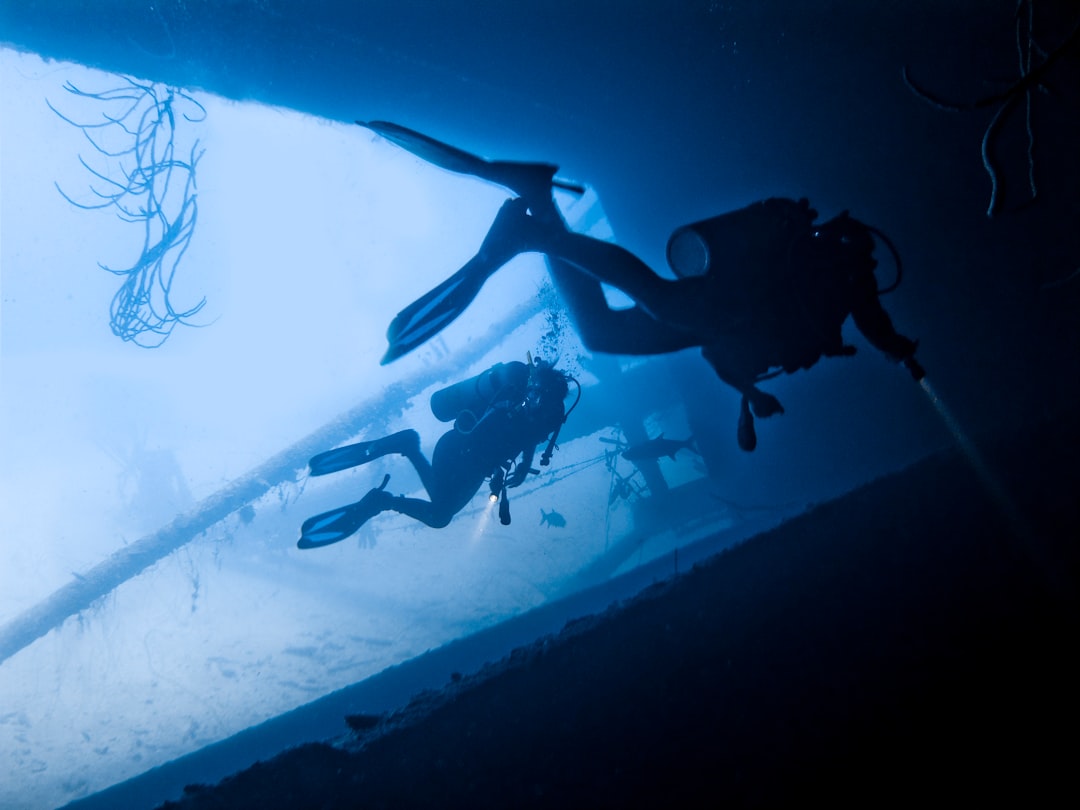
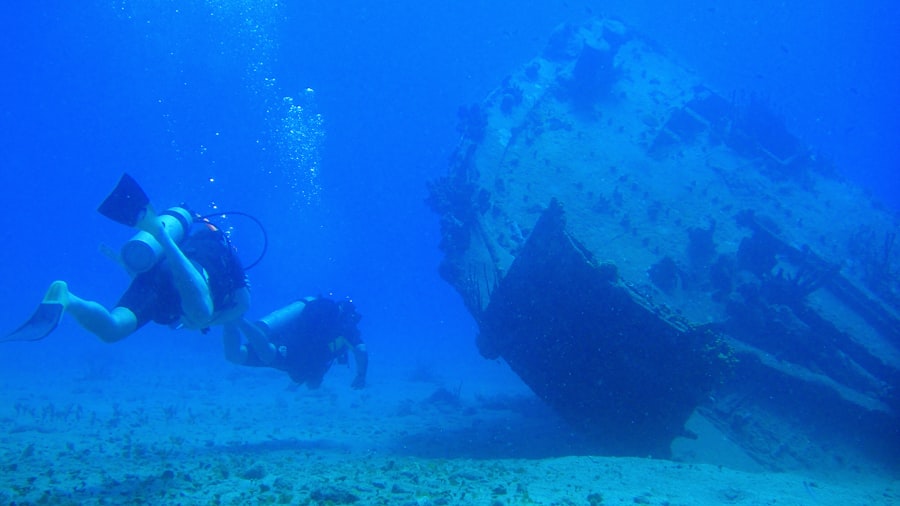
Exploring underwater caves and shipwrecks presents unique challenges that require specialized training and experience. These environments often feature tight spaces, low visibility, and complex navigation routes that can easily disorient even seasoned divers. The risk of becoming trapped or lost in these confined areas is significant; therefore, proper training in cave diving techniques is essential for anyone considering such explorations.
Additionally, wrecks may harbor sharp edges or unstable structures that pose physical hazards during exploration. Divers must exercise caution when navigating these sites and be aware of potential dangers such as entanglement or structural collapse. Engaging in thorough pre-dive planning and ensuring that all team members are adequately trained can help mitigate these risks while allowing divers to safely enjoy the thrill of exploring underwater caves and wrecks.
Impact of Extreme Temperatures on the Body
Extreme temperatures present another challenge for deep-sea divers, particularly those venturing into colder waters or extreme environments like polar regions. Hypothermia can occur rapidly in frigid conditions if divers are not adequately insulated with appropriate thermal protection gear such as drysuits or thick wetsuits. The body’s ability to maintain core temperature diminishes significantly when exposed to cold water for extended periods.
Conversely, diving in excessively warm waters can lead to heat-related illnesses such as heat exhaustion or heat stroke if proper hydration practices are not followed. Divers must be mindful of their physical condition before entering extreme temperature environments and take necessary precautions to ensure their safety throughout their dives.
Psychological Challenges of Ocean Exploration
Beyond physical risks, deep-sea diving also poses psychological challenges that can impact a diver’s experience and safety. The vastness of the ocean can evoke feelings of isolation or anxiety, particularly during solo dives or in unfamiliar environments. The pressure of navigating complex underwater landscapes may lead some divers to experience panic attacks or heightened stress levels.
To address these psychological challenges, divers should prioritize mental preparation alongside physical training before embarking on dives. Techniques such as visualization exercises or mindfulness practices can help manage anxiety and enhance focus during dives. Building a strong support network among fellow divers also fosters camaraderie and provides reassurance when facing the uncertainties inherent in ocean exploration.
In conclusion, while deep-sea diving offers unparalleled opportunities for adventure and discovery, it is essential for divers to remain aware of the myriad risks involved in this thrilling activity. From unpredictable currents and encounters with dangerous marine life to pressure-related injuries and psychological challenges, each aspect requires careful consideration and preparation. By prioritizing safety through education, training, and awareness of environmental conditions, divers can navigate these risks effectively while enjoying the wonders that lie beneath the surface of the ocean.
Ocean exploration, while often celebrated for its potential to uncover new species and understand marine ecosystems, also has a darker side that raises ethical and environmental concerns. For a deeper insight into these issues, you can read the article on the complexities of ocean exploration and its impact on marine life at this link. This article delves into the unintended consequences of human activities in the ocean, highlighting the need for responsible exploration practices.
WATCH THIS! The Map You Can’t See is Controlling the World
FAQs
What is the dark side of ocean exploration?
The dark side of ocean exploration refers to the negative impacts and consequences of human activities in the ocean, such as pollution, overfishing, habitat destruction, and climate change.
What are some examples of the dark side of ocean exploration?
Examples of the dark side of ocean exploration include plastic pollution, oil spills, destructive fishing practices, coral reef degradation, and the acidification of the ocean due to increased carbon dioxide emissions.
How does ocean exploration contribute to the dark side?
Ocean exploration contributes to the dark side through activities such as industrial fishing, shipping, offshore oil and gas drilling, deep-sea mining, and the discharge of pollutants into the ocean.
What are the environmental impacts of the dark side of ocean exploration?
The environmental impacts of the dark side of ocean exploration include loss of biodiversity, destruction of marine habitats, disruption of marine ecosystems, and the alteration of ocean chemistry.
What are the consequences of the dark side of ocean exploration?
Consequences of the dark side of ocean exploration include the decline of fish stocks, the endangerment of marine species, the degradation of coastal areas, and the exacerbation of climate change.
How can the dark side of ocean exploration be addressed?
The dark side of ocean exploration can be addressed through sustainable fishing practices, the reduction of plastic pollution, the protection of marine habitats, the promotion of renewable energy sources, and the implementation of international agreements to mitigate climate change.