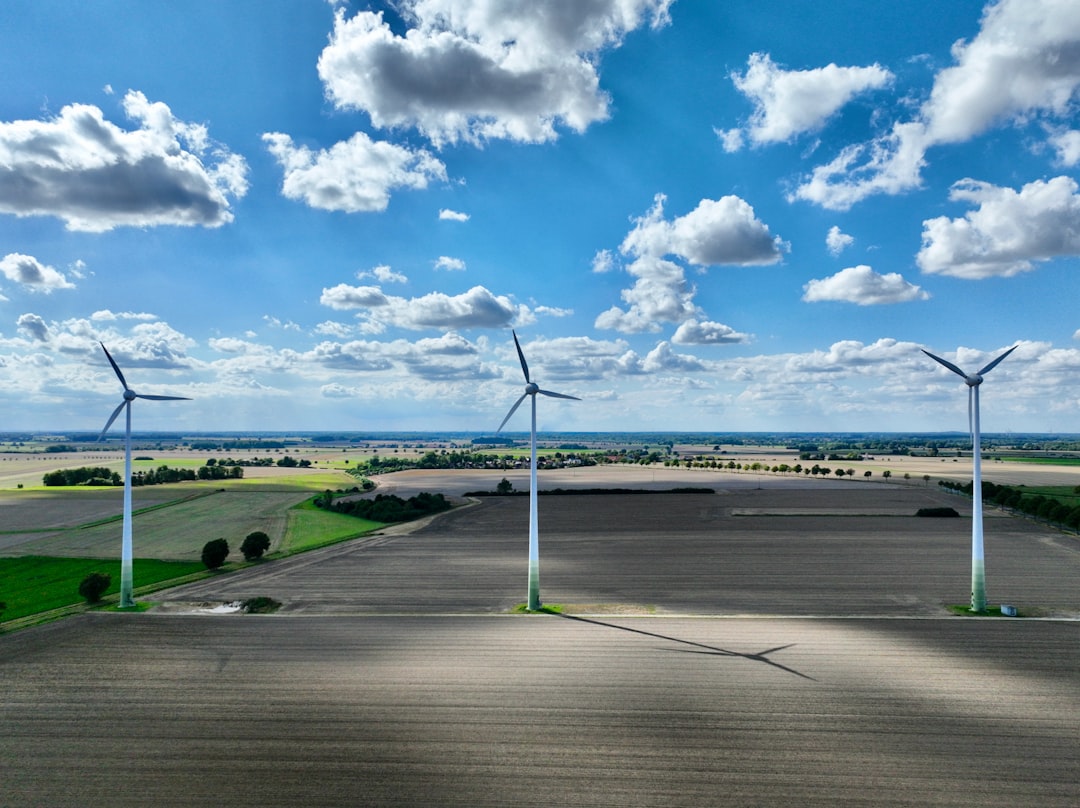
The transition to renewable energy represents one of the most significant shifts in the global energy landscape in recent history. As nations address the challenges of climate change, energy security, and fossil fuel depletion, the adoption of sustainable energy sources has accelerated substantially. This transition is a necessary evolution designed to reduce greenhouse gas emissions and establish a more sustainable future.
The urgency is reinforced by scientific evidence supporting the need to limit global warming, motivating governments, businesses, and communities to implement alternative energy solutions. Renewable energy includes several sources: solar, wind, hydroelectric, and geothermal power. Each source presents distinct advantages and limitations, contributing to a diversified energy portfolio capable of meeting contemporary energy demands.
The transition involves multiple dimensions beyond technological innovation, including economic factors, regulatory frameworks, and social considerations. As stakeholders engage with this complex process, understanding the various costs associated with renewable energy is critical for making informed decisions and ensuring successful implementation.
Key Takeaways
- Transitioning to renewable energy involves significant upfront and ongoing costs across multiple sectors.
- Infrastructure upgrades, grid integration, and energy storage are major financial challenges in renewable adoption.
- Environmental impacts and land use require careful management to balance ecological concerns with energy needs.
- Policy, regulatory frameworks, and social displacement add complexity and cost to the renewable energy transition.
- Technological innovation and ensuring energy equity are critical for sustainable and affordable renewable energy futures.
Initial Investment Costs of Renewable Energy
One of the most significant barriers to the widespread adoption of renewable energy is the initial investment required for infrastructure development. The costs associated with setting up solar panels, wind turbines, and other renewable technologies can be substantial. For instance, solar photovoltaic systems require not only the panels themselves but also inverters, mounting systems, and installation labor.
Similarly, wind farms necessitate substantial capital for turbine procurement and site preparation. These upfront costs can deter potential investors and slow down the transition to cleaner energy sources. However, it is crucial to recognize that while initial investments may be high, they are often offset by long-term savings on operational costs and fuel expenditures.
Renewable energy sources typically have lower ongoing costs compared to fossil fuels, which are subject to price volatility and depletion. Moreover, technological advancements continue to drive down the costs of renewable technologies, making them increasingly competitive with traditional energy sources. As economies of scale are achieved and innovation flourishes, the initial financial barriers may diminish, paving the way for broader adoption. Learn about the environmental impacts of lithium mining in this informative video.
Infrastructure Upgrades and Maintenance Costs

Beyond initial investments, transitioning to renewable energy necessitates significant upgrades to existing infrastructure. Many regions rely on aging power grids that were designed for centralized fossil fuel generation. Integrating renewable energy sources into these grids requires substantial modifications to ensure reliability and efficiency.
This may involve enhancing transmission lines, upgrading substations, and implementing smart grid technologies that can manage the variable nature of renewable energy generation. Maintenance costs also play a critical role in the overall financial picture of renewable energy systems. While renewable technologies generally have lower maintenance requirements than traditional fossil fuel plants, they are not without their challenges.
Wind turbines require regular inspections and maintenance to ensure optimal performance, while solar panels may need cleaning and occasional repairs. These ongoing costs must be factored into the overall economic assessment of renewable energy projects, as they can impact long-term viability and profitability.
Intermittency and Storage Costs
One of the inherent challenges of renewable energy sources like solar and wind is their intermittency. Unlike fossil fuels that can provide a constant supply of energy, renewables are dependent on environmental conditions—sunlight availability for solar panels and wind speeds for turbines. This variability necessitates the development of energy storage solutions to ensure a reliable power supply.
Battery storage systems have emerged as a promising solution, allowing excess energy generated during peak production times to be stored for use during periods of low generation. However, the costs associated with energy storage technologies can be significant. High-capacity batteries, such as lithium-ion systems, require substantial investment in both materials and technology development.
Additionally, while prices for battery storage have been declining in recent years, they still represent a considerable expense in the overall renewable energy equation. As research continues into alternative storage solutions—such as pumped hydro storage or emerging technologies like solid-state batteries—the hope is that these innovations will further reduce costs and enhance the feasibility of integrating renewables into the energy mix.
Land Use and Environmental Impacts
| Cost Category | Description | Example Metrics | Impact on Transition |
|---|---|---|---|
| Grid Integration Costs | Expenses related to upgrading and adapting the electrical grid to handle variable renewable energy sources. | Grid reinforcement: 10-20% of total project cost Energy storage capacity needed: 5-15% of peak load |
Increases overall system costs and complexity; requires additional infrastructure investment. |
| Intermittency Management | Costs associated with balancing supply and demand due to the variable nature of wind and solar power. | Backup capacity: 15-30% of installed renewable capacity Frequency regulation services |
Necessitates investment in storage, demand response, or backup generation, raising operational costs. |
| Raw Material Supply Constraints | Hidden costs from scarcity and price volatility of critical minerals like lithium, cobalt, and rare earths. | Price volatility: up to 50% increase in material costs Supply chain delays: 6-12 months |
Can delay projects and increase capital costs, affecting deployment speed and affordability. |
| Environmental and Social Externalities | Impacts such as land use conflicts, biodiversity loss, and community displacement not always accounted for. | Land use: 1-3 hectares per MW Community compensation costs |
May lead to project delays, legal challenges, and increased mitigation expenses. |
| Decommissioning and Recycling | Costs related to end-of-life management of renewable energy infrastructure and materials. | Recycling rates: 50-90% depending on technology Decommissioning costs: 5-10% of initial investment |
Long-term financial liabilities that need to be planned for to ensure sustainability. |
The deployment of renewable energy technologies often raises concerns about land use and environmental impacts. Large-scale solar farms and wind installations require significant land areas that can disrupt local ecosystems and wildlife habitats. For instance, wind turbines can pose threats to bird populations if not carefully sited, while solar farms may compete with agricultural land or natural landscapes.
Balancing the need for renewable energy with environmental stewardship is a critical consideration in planning and development processes. Moreover, while renewable energy sources are generally considered more environmentally friendly than fossil fuels, they are not without their own ecological footprints. The manufacturing processes for solar panels and wind turbines involve resource extraction and industrial processes that can have negative environmental consequences.
It is essential for policymakers and developers to conduct thorough environmental assessments and engage in responsible land-use planning to mitigate these impacts while advancing renewable energy goals.
Grid Integration and Transmission Costs
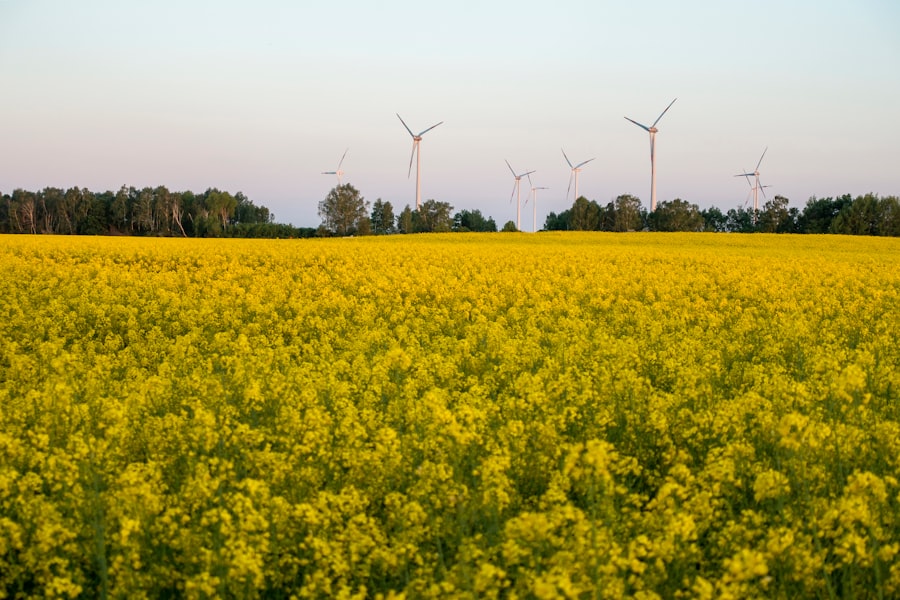
Integrating renewable energy into existing power grids presents another layer of complexity that involves significant costs. The current grid infrastructure in many regions was designed primarily for centralized fossil fuel generation and may not be equipped to handle the decentralized nature of renewable sources. Upgrading transmission lines to accommodate increased electricity flow from diverse locations is essential for ensuring grid stability and reliability.
Additionally, the costs associated with grid integration extend beyond physical infrastructure upgrades.
These investments are crucial for managing the variability of renewable generation and ensuring that supply meets demand in real-time.
As countries strive to create more resilient and flexible energy systems, addressing grid integration challenges will be paramount.
Policy and Regulatory Costs
The transition to renewable energy is heavily influenced by policy frameworks and regulatory environments at local, national, and international levels. Governments play a critical role in shaping incentives for renewable energy development through subsidies, tax credits, and feed-in tariffs. However, establishing these policies often involves considerable administrative costs related to research, implementation, monitoring, and enforcement.
Moreover, navigating regulatory hurdles can pose challenges for developers seeking to bring renewable projects online. Permitting processes can be lengthy and complex, leading to delays that increase overall project costs. Streamlining regulatory frameworks while ensuring environmental protections is essential for fostering a conducive environment for renewable energy investment.
Policymakers must strike a balance between promoting growth in the sector while safeguarding public interests.
Social and Economic Displacement Costs
The shift towards renewable energy can also result in social and economic displacement costs that must be carefully considered. As traditional fossil fuel industries decline in response to changing energy landscapes, workers in these sectors may face job losses or transitions that are not always smooth or equitable. Communities reliant on fossil fuel extraction or production may experience economic downturns as demand shifts towards renewables.
To mitigate these impacts, it is essential for governments and industry leaders to prioritize workforce development programs that facilitate retraining and reskilling opportunities for displaced workers. Additionally, engaging local communities in the planning process can help ensure that their voices are heard and that they benefit from new renewable projects through job creation or investment in local infrastructure. Addressing social equity concerns will be vital for achieving a just transition towards a sustainable energy future.
Technological Innovation and Development Costs
Technological innovation plays a pivotal role in driving down costs associated with renewable energy systems while enhancing their efficiency and reliability. Research and development efforts focused on improving solar panel efficiency, wind turbine design, or battery storage capabilities require substantial investment from both public and private sectors. These costs can be significant but are essential for advancing the state of renewable technologies.
Moreover, fostering an environment conducive to innovation involves not only financial investment but also collaboration among stakeholders across various sectors—government agencies, research institutions, private companies, and non-profit organizations. By pooling resources and expertise, stakeholders can accelerate technological advancements that will ultimately reduce costs and improve the viability of renewable energy solutions.
Energy Equity and Affordability Concerns
As the transition to renewable energy progresses, concerns about energy equity and affordability have come to the forefront of discussions surrounding sustainable development. While renewable technologies have become more cost-competitive over time, access to these resources remains uneven across different socioeconomic groups. Low-income households may struggle to afford upfront costs associated with solar installations or other renewable technologies despite potential long-term savings.
Programs that provide financial assistance or incentives for low-income households can help bridge the gap between affordability and access to renewable technologies. Additionally, community-based initiatives that prioritize local engagement can empower marginalized groups to participate actively in the transition towards sustainable energy.
Conclusion and Considerations for the Future
The transition to renewable energy is an intricate process characterized by numerous challenges and opportunities. While initial investment costs, infrastructure upgrades, intermittency issues, land use concerns, grid integration complexities, policy frameworks, social displacement impacts, technological innovation needs, and equity considerations all present hurdles to overcome, they also offer pathways for growth and advancement in sustainable practices. As stakeholders continue to navigate this evolving landscape, it is imperative that they adopt a holistic approach that considers not only economic factors but also social equity and environmental stewardship.
By fostering collaboration among governments, businesses, communities, and individuals alike—while prioritizing innovation—society can work towards a future where renewable energy plays a central role in powering economies sustainably while addressing pressing global challenges such as climate change and social inequality. The journey towards a cleaner energy future may be fraught with obstacles; however, it also holds immense potential for creating a more resilient world for generations to come.
The transition to renewable energy is often celebrated for its environmental benefits, but it also comes with hidden costs that can impact its overall effectiveness. A related article that delves into these complexities is available at this link. It explores the financial and social implications of shifting to renewable sources, shedding light on the challenges that must be addressed to ensure a sustainable energy future.
WATCH THIS! 🌍 “THE WATER IS GONE: Inside the Desert Killing the EV Revolution
FAQs
What are the hidden costs associated with the renewable energy transition?
Hidden costs of the renewable energy transition can include grid integration expenses, energy storage requirements, land use impacts, raw material extraction for technologies, and the environmental costs of manufacturing and disposing of renewable energy equipment.
Why is energy storage considered a hidden cost in renewable energy?
Energy storage is necessary to manage the intermittent nature of renewable sources like solar and wind. The cost of batteries or other storage technologies, along with their maintenance and eventual replacement, adds to the overall expense of the transition.
How does grid infrastructure impact the cost of renewable energy transition?
Upgrading and expanding grid infrastructure to accommodate decentralized and variable renewable energy sources can be costly. This includes investments in smart grids, transmission lines, and grid management systems.
Are there environmental hidden costs in renewable energy technologies?
Yes, the production and disposal of renewable energy technologies can have environmental impacts, such as mining for rare earth metals, energy consumption during manufacturing, and waste management challenges for solar panels and batteries.
Do renewable energy transitions affect energy prices for consumers?
In some cases, the initial investment and integration costs can lead to higher energy prices temporarily. However, over time, renewable energy can reduce costs due to low operational expenses and fuel savings.
How do land use and ecosystem impacts factor into hidden costs?
Large-scale renewable projects may require significant land, potentially affecting ecosystems, agriculture, and local communities. These impacts can lead to additional costs related to land acquisition, environmental mitigation, and social acceptance.
Is the decommissioning of renewable energy infrastructure a hidden cost?
Yes, decommissioning and recycling or disposing of renewable energy infrastructure at the end of its life cycle can incur costs that are sometimes overlooked in initial project planning.
How do policy and regulatory frameworks influence hidden costs?
Inconsistent or evolving policies can create financial risks and additional costs for renewable energy projects, including permitting delays, compliance expenses, and changes in subsidies or incentives.
Can the transition to renewable energy impact existing energy industries?
Yes, the shift can lead to economic and social costs related to job losses in fossil fuel industries, requiring investment in retraining and economic diversification programs.
What measures can help mitigate the hidden costs of renewable energy transition?
Effective planning, investment in grid modernization, development of recycling technologies, supportive policies, and community engagement can help reduce hidden costs and facilitate a smoother transition.