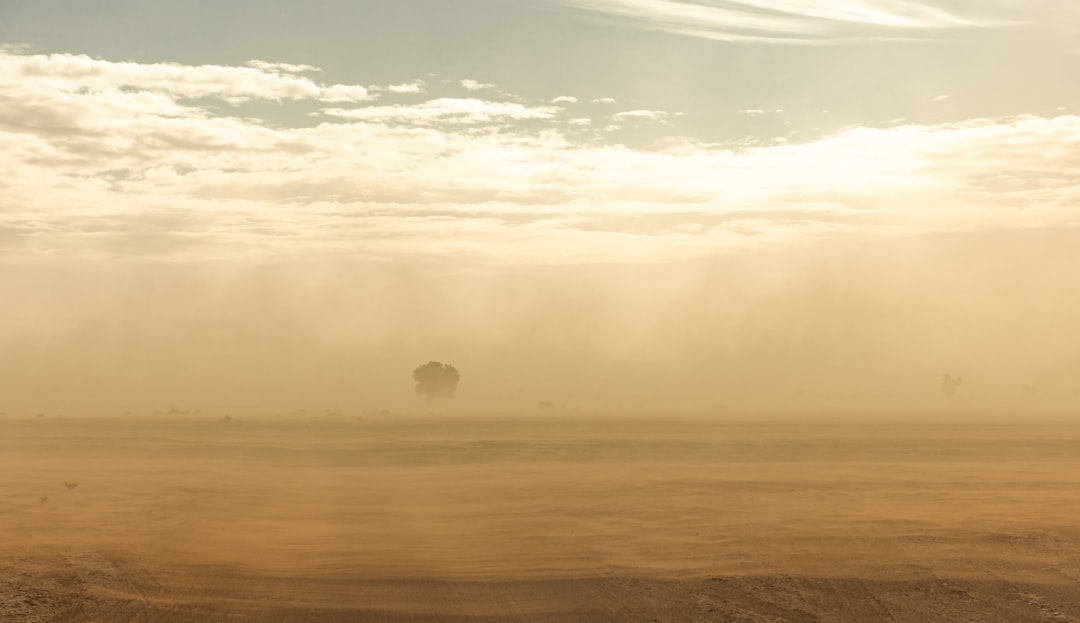
The health impact of Mangystau’s toxic dust storms is a growing concern for the region’s inhabitants and public health officials. These natural phenomena, exacerbated by anthropogenic factors, have transformed the once pristine landscapes of Mangystau into a recurring source of airborne contaminants, casting a long shadow over the well-being of its population. The relentless scouring of arid lands, coupled with human activities, unleashes a potent cocktail of particulate matter, heavy metals, and other harmful substances into the atmosphere, posing a significant threat to respiratory health, cardiovascular systems, and potentially even long-term developmental outcomes. Understanding the multifaceted health implications of these toxic dust storms is crucial for developing effective mitigation strategies and safeguarding the lives and livelihoods of those exposed.
The genesis of Mangystau’s toxic dust storms is a complex interplay of natural arid conditions and escalating human pressures. The region, characterized by its vast steppe expanses and semi-desert climate, is inherently prone to wind erosion. However, this natural propensity has been significantly amplified by a confluence of factors, transforming localized dust events into regional health hazards.
Climate Change and Aridification
The overarching influence of climate change has played a pivotal role in exacerbating the aridification of Mangystau. Rising global temperatures lead to increased evaporation rates, depleting surface moisture and rendering the soil more susceptible to wind erosion. Shifts in precipitation patterns, often resulting in prolonged droughts and infrequent rainfall, further destabilize the land. This drying effect is like a slow, creeping fever that dehydrates the land, making it brittle and easily broken. The reduction in vegetation cover, a natural anchor for the soil, leaves vast tracts of land exposed to the relentless caress of the wind.
Degraded Land Use Practices
Human activities, unfortunately, have often acted as a catalyst, accelerating the degradation of Mangystau’s fragile ecosystems. Unsustainable agricultural practices, including overgrazing by livestock, have stripped the land of its protective vegetative cover. The incessant gnawing of herds on sparse vegetation is akin to a tireless army dismantling a natural fortress, leaving the soil vulnerable. Industrial activities, particularly those related to oil and gas extraction, have also contributed to land disturbance. The construction of infrastructure, exploration activities, and the creation of industrial waste sites can all disrupt soil structure and release previously bound contaminants.
Anthropogenic Contributions to Dust Composition
The “toxic” in toxic dust storms is not merely hyperbole. The composition of the dust itself is a critical concern, and human activities are directly responsible for enriching it with harmful substances. Industrial emissions, particularly from oil refineries and mining operations, release particulate matter laden with heavy metals like lead, cadmium, and arsenic. These metals are like insidious poisons, insidious in their ability to accumulate in the environment and within living organisms. Agricultural activities can also contribute to the presence of pesticide residues and nutrient imbalances in the soil, which then become airborne. Furthermore, the historical legacy of Soviet-era industrialization and military activities has left behind contaminated sites that are now being unearthed and dispersed by stronger winds.
Recent studies have highlighted the alarming health impacts of toxic dust storms in Mangystau, drawing attention to the urgent need for public awareness and intervention. For a deeper understanding of the environmental challenges faced in this region, you can explore a related article that discusses the broader implications of dust storms on health and the environment. For more information, visit MyGeoQuest.
Respiratory Health Impacts: The First Line of Defense Under Siege
The human respiratory system, our primary interface with the airborne environment, bears the brunt of Mangystau’s toxic dust storms. The constant inhalation of fine particulate matter acts as a relentless abrasive, triggering a cascade of inflammatory responses and predisposing individuals to a spectrum of respiratory ailments.
Acute Respiratory Infections
Exposure to high concentrations of dust can directly irritate the airways, making individuals more susceptible to common respiratory infections. The particulate matter damages the delicate cilia that line the respiratory tract, impairing their ability to clear pathogens. This compromised defense mechanism is like a torn net, failing to catch the viruses and bacteria that would otherwise be expelled. Children, with their developing immune systems and narrower airways, are particularly vulnerable to an increased incidence and severity of acute respiratory infections.
Chronic Obstructive Pulmonary Disease (COPD) and Asthma Exacerbation
For individuals already suffering from pre-existing respiratory conditions like asthma and Chronic Obstructive Pulmonary Disease (COPD), dust storms act as potent triggers for exacerbations. The inflammation induced by inhaled particles can lead to bronchospasm, increased mucus production, and difficulty breathing. These events can be life-threatening and require immediate medical intervention. The constant bombardment of the lungs by dust is like being trapped in a perpetual smog, where every breath is a struggle. For asthmatics, each dust storm can be a terrifying storm within their own chest, tightening their airways and stealing their breath.
Long-Term Pulmonary Damage and Fibrosis
Prolonged and repeated exposure to toxic dust can lead to more insidious and irreversible lung damage. Fine particulate matter can penetrate deep into the alveoli, the tiny air sacs responsible for gas exchange. This can trigger chronic inflammation, leading to scarring of lung tissue, a condition known as pulmonary fibrosis. Over time, this fibrosis reduces lung capacity and function, making breathing progressively more difficult and leading to a significant decline in quality of life. This persistent scarring is like the slow, inexorable growth of concrete within the lungs, hardening them and diminishing their elasticity.
Increased Susceptibility to Lung Cancer
While direct causality is complex and requires extensive epidemiological research, there is a growing concern about the potential link between prolonged exposure to the heavy metals and other carcinogens present in Mangystau’s toxic dust and an increased risk of lung cancer. The abrasive nature of the dust combined with the genotoxic effects of certain heavy metals can contribute to cellular damage and mutations that may predispose individuals to malignant transformation. The long-term siege of the lungs by these toxic agents can, over decades, pave the way for the insidious growth of cancer.
Cardiovascular Health Implications: A Hidden Danger
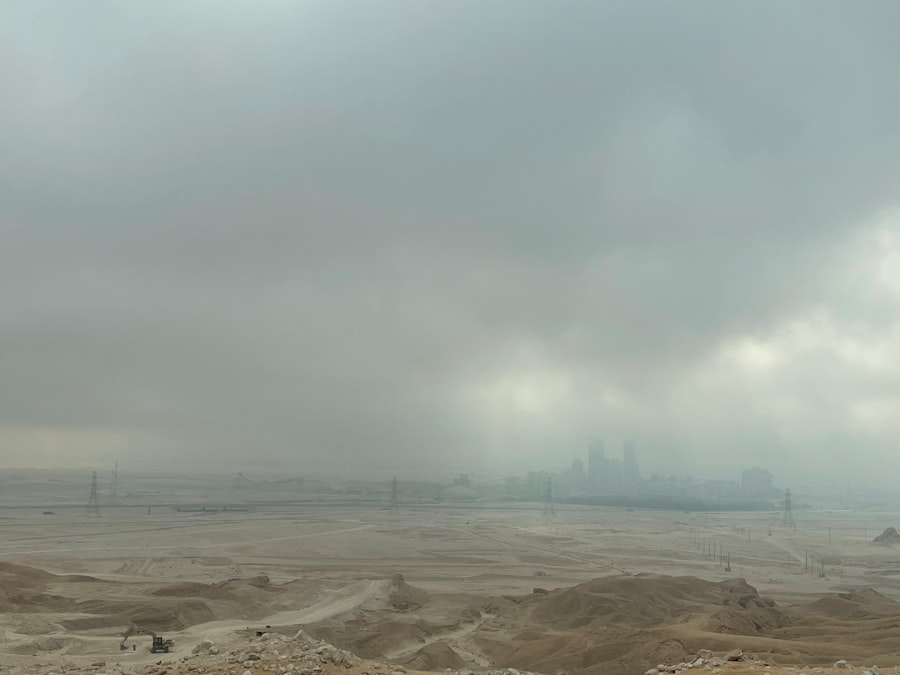
The impact of toxic dust storms extends beyond the lungs, posing a significant threat to the cardiovascular system. The fine and ultrafine particles that are inhaled can enter the bloodstream, triggering a range of physiological responses that increase the risk of heart disease and stroke.
Systemic Inflammation and Oxidative Stress
Inhaled particulate matter can induce systemic inflammation throughout the body. This chronic inflammation is a known precursor to many cardiovascular diseases. The particles can also generate reactive oxygen species, leading to oxidative stress, which damages blood vessels and contributes to the development of atherosclerosis, the hardening and narrowing of arteries. The microscopic invaders from the dust storm are like saboteurs, wreaking havoc on the body’s internal plumbing.
Increased Risk of Heart Attacks and Strokes
Studies have shown a correlation between exposure to high levels of air pollution, including dust storms, and an increased incidence of acute cardiovascular events such as heart attacks (myocardial infarctions) and strokes. The inflammatory response and oxidative stress can destabilize atherosclerotic plaques, making them more prone to rupture and leading to blood clots that can block blood flow to the heart or brain. The heart, already working overtime to oxygenate the body in a polluted environment, becomes more vulnerable to sudden, catastrophic failures.
Blood Pressure Dysregulation
Exposure to particulate matter has also been linked to transient and long-term changes in blood pressure. Inflammation and alterations in the autonomic nervous system can contribute to hypertension, a major risk factor for both heart disease and stroke. The constant stress on the system from inhaling toxic particles can cause the body’s internal pressure gauges to go haywire.
Impact on Individuals with Pre-existing Cardiovascular Conditions
Individuals with pre-existing heart conditions are particularly vulnerable to the adverse effects of dust storms. The increased physiological stress and inflammation can trigger arrhythmias, worsen heart failure, and precipitate acute cardiac events. For these individuals, a dust storm is not just an inconvenience; it is a genuine health crisis that can push a weakened heart to its breaking point.
Other Health Concerns: Beyond the Obvious
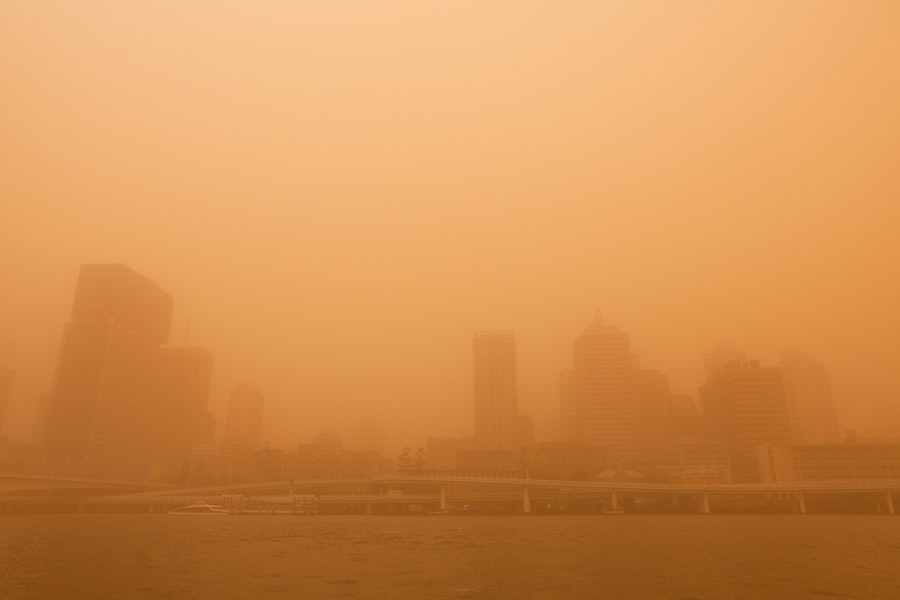
The health impacts of Mangystau’s toxic dust storms are not confined to the respiratory and cardiovascular systems. Emerging evidence suggests a broader range of health concerns, impacting neurological function, reproductive health, and even mental well-being.
Neurological Effects
There is growing scientific interest in the potential neurological impacts of air pollution, including toxic dust. Ultrafine particles have the capacity to cross the blood-brain barrier, potentially leading to neuroinflammation and oxidative damage. While research is ongoing, concerns exist about potential links to cognitive decline, an increased risk of neurodegenerative diseases, and developmental impacts on children. The brain, our command center, may not be immune to the insidious invasion of these microscopic toxins.
Ocular and Dermatological Issues
The direct exposure of the eyes to dust can cause irritation, redness, and conjunctivitis. Prolonged exposure can lead to more severe eye conditions. Similarly, the skin can become irritated, dry, and prone to allergic reactions upon contact with the dust. These are the more immediate and visible signs of the environmental assault, like a constant gritty shower on sensitive surfaces.
Potential Reproductive and Developmental Impacts
The presence of heavy metals and other toxic substances in the dust raises concerns about potential reproductive and developmental health impacts. Studies on other populations exposed to similar contaminants have suggested links to adverse birth outcomes, developmental delays in children, and fertility issues. However, specific research on the reproductive and developmental effects of Mangystau’s dust storms is still in its nascent stages. The specter of these toxins impacting the next generation is a deeply worrying possibility.
Mental Health and Well-being
The pervasive nature of these dust storms, their impact on daily life, and the constant worry about health consequences can have a significant toll on the mental health and well-being of the population. Reduced visibility, cancelled outdoor activities, and the fear of illness can contribute to stress, anxiety, and a diminished sense of control over one’s environment. The psychological burden of living under a perpetually hazy sky, knowing the air you breathe is potentially harmful, is a silent but significant health concern.
Recent studies have highlighted the alarming health impacts of toxic dust storms in Mangystau, raising concerns among local communities and health officials. For a deeper understanding of this pressing issue, you can explore a related article that discusses the environmental factors contributing to these storms and their effects on respiratory health. This comprehensive analysis sheds light on the urgent need for effective mitigation strategies. To read more about this topic, visit this article for further insights.
Mitigation and Adaptation Strategies: Charting a Path Forward
| Metric | Value | Unit | Notes |
|---|---|---|---|
| Average Annual Dust Storms | 15 | Events per year | Recorded in Mangystau region |
| PM10 Concentration During Storms | 350 | µg/m³ | Exceeds WHO safe limit of 50 µg/m³ |
| Respiratory Hospital Admissions Increase | 40 | Percent | During dust storm periods compared to baseline |
| Prevalence of Chronic Respiratory Diseases | 18 | Percent of population | Attributed to long-term dust exposure |
| Average Duration of Dust Storms | 6 | Hours | Typical storm length |
| Increase in Asthma Attacks | 30 | Percent | Reported during dust storm events |
| Population Exposed | 150,000 | People | Living in high-risk areas of Mangystau |
Addressing the health impacts of Mangystau’s toxic dust storms requires a multi-pronged approach, encompassing both mitigation efforts to reduce the source of the problem and adaptation strategies to protect the population. The challenge is akin to trying to calm a raging storm, but by understanding its origins and its fury, we can begin to build sturdier shelters and find ways to weather its passage.
Land Reclamation and Reforestation
The most critical long-term strategy involves extensive land reclamation and reforestation efforts. Stabilizing the soil through planting drought-resistant vegetation can significantly reduce wind erosion. This is a long-term investment, planting seeds of hope for a healthier future, akin to tending a garden that will eventually provide a protective canopy. Community involvement and sustainable land management practices are paramount to the success of these initiatives.
Industrial Emission Control and Regulation
Stricter regulations and enforcement of industrial emission standards are essential to reduce the release of toxic substances into the atmosphere. Investing in cleaner production technologies and promoting responsible waste management are crucial steps. Holding industries accountable for their environmental footprint is like enforcing the rules of the road to prevent accidents on a larger scale.
Public Health Interventions and Awareness Campaigns
Public health interventions are vital to inform and protect the population. This includes providing access to healthcare services, particularly for respiratory and cardiovascular conditions, and raising public awareness about the health risks associated with dust storms. Educating individuals on protective measures, such as wearing masks during high-exposure periods and improving indoor air quality, empowers them to take proactive steps. These campaigns are the alarm bells and the survival guides in times of environmental crisis.
Early Warning Systems and Air Quality Monitoring
Developing and implementing robust early warning systems for dust storms, coupled with comprehensive air quality monitoring networks, can provide timely information to the public. This allows individuals to take necessary precautions and reduces exposure during peak events. Knowing when the storm is coming is the first step to seeking shelter.
Research and Future Directions
Continued research is crucial to deepen our understanding of the complex health impacts of Mangystau’s toxic dust storms. This includes epidemiological studies to quantify risks, toxicological assessments of specific contaminants, and investigations into the synergistic effects of different pollutants. Investing in this research is like equipping ourselves with better maps and compasses to navigate uncharted health territories. Future directions should also explore innovative technological solutions for air purification and novel treatment modalities for dust-related illnesses.
The health impact of Mangystau’s toxic dust storms represents a significant and evolving challenge. The relentless airborne assault on the region’s inhabitants demands urgent attention and a commitment to both environmental protection and public health. By understanding the intricate web of causes and consequences, and by diligently implementing comprehensive mitigation and adaptation strategies, the communities of Mangystau can strive towards a future where the air they breathe is not a silent enemy, but a life-sustaining element.
FAQs
What causes the toxic dust storms in Mangystau?
Toxic dust storms in Mangystau are primarily caused by strong winds lifting fine particles from the region’s dry, contaminated soils. Industrial activities, mining operations, and natural desert conditions contribute to the presence of hazardous substances in the dust.
What are the main health impacts of these dust storms on local residents?
Exposure to toxic dust storms can lead to respiratory problems such as asthma, bronchitis, and other chronic lung diseases. The dust may also cause eye irritation, skin issues, and exacerbate cardiovascular conditions due to the inhalation of harmful particles.
Which populations are most vulnerable to the health effects of Mangystau’s dust storms?
Children, the elderly, and individuals with pre-existing respiratory or cardiovascular conditions are most vulnerable. Outdoor workers and people living in close proximity to industrial sites are also at higher risk of adverse health effects.
What measures can be taken to reduce health risks from toxic dust storms?
Preventive measures include wearing protective masks, staying indoors during dust storms, using air purifiers, and improving industrial emission controls. Public health advisories and monitoring air quality can also help minimize exposure.
Are there any long-term environmental consequences associated with these dust storms?
Yes, toxic dust storms can lead to soil degradation, contamination of water sources, and damage to local ecosystems. The spread of hazardous substances through dust can also affect agriculture and biodiversity in the Mangystau region.