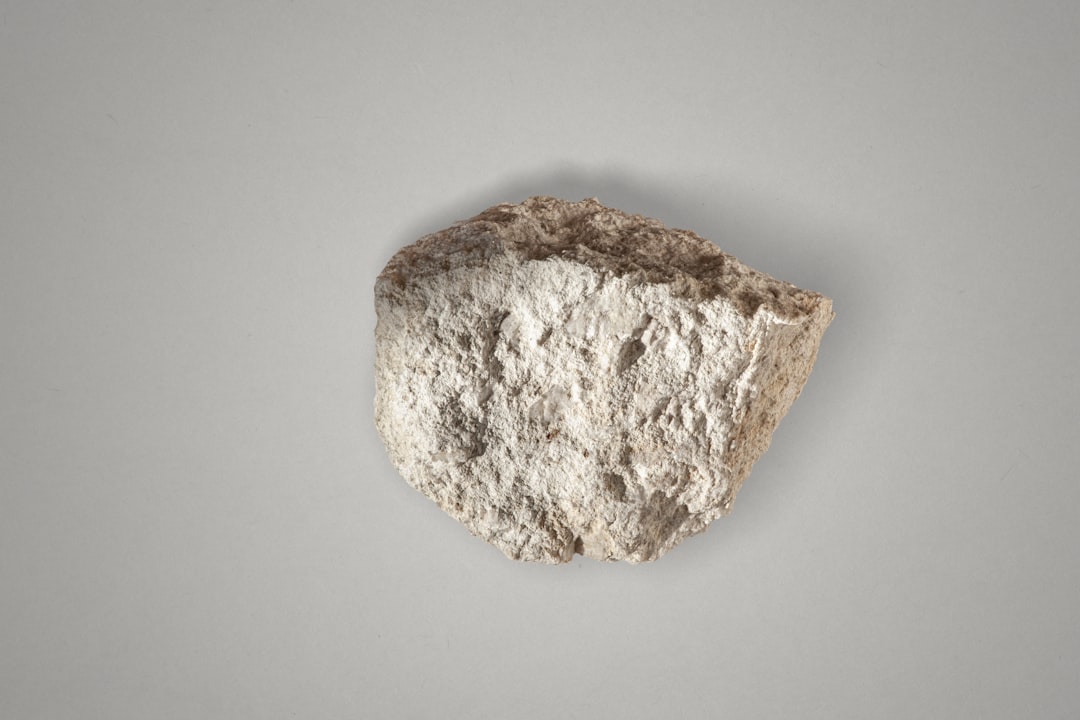
The Earth’s crust is a treasure trove, and among its most prized possessions, lithium has emerged as a cornerstone of the modern technological age. This lightweight alkali metal, often dubbed “white gold,” is the indispensable ingredient powering our electric vehicles, smartphones, and a growing array of renewable energy storage solutions. As the global appetite for these technologies continues to surge, so too does the demand for lithium. This escalating demand has, however, cast a long shadow, giving rise to a complex and increasingly potent phenomenon: resource nationalism in lithium mining. Resource nationalism, at its core, is the assertion of control over a nation’s natural resources, often driven by a desire to maximize economic benefits, enhance national security, or exert geopolitical leverage. In the context of lithium, this translates into governments actively seeking to secure a larger share of the profits, control the extraction process, and ensure a stable supply for their domestic industries. This shift in power dynamics presents a formidable challenge for the global supply chain, potentially disrupting production, inflating prices, and reshaping the geopolitical landscape of the 21st century.
The burgeoning demand for lithium is not a fleeting trend; it is a fundamental consequence of humanity’s pivot towards electrification and decarbonization. The internal combustion engine, for decades the dominant force of personal transportation, is increasingly being sidelined by its electric counterpart. This transition is powered, quite literally, by batteries, and lithium-ion technology reigns supreme. The sheer scale of this shift means that the demand for lithium, once a niche commodity, has exploded onto the global stage.
The EV Revolution: A Quantum Leap in Demand
Electric vehicles are no longer an experimental curiosity; they are rapidly becoming mainstream. Governments worldwide are setting ambitious targets for EV adoption, driven by environmental regulations and a desire to reduce reliance on fossil fuels. This translates directly into an exponential increase in the demand for lithium-ion batteries, which are the heart of every EV. The average EV battery contains a significant amount of lithium, and as millions of these vehicles roll off assembly lines each year, the strain on lithium supply chains intensifies. Imagine a single spark igniting a wildfire; the EV revolution is that spark for lithium demand.
The Renewable Energy Storage Imperative
Beyond transportation, lithium plays a crucial role in stabilizing and enhancing the integration of renewable energy sources. Solar and wind power, while vital for a sustainable future, are inherently intermittent. Large-scale battery storage systems, utilizing lithium-ion technology, are essential to store excess energy generated during peak production times and release it when demand outstrips supply. This capability is critical for ensuring the reliability of power grids as they transition away from fossil fuel reliance. The need for grid-scale storage to complement renewable energy deployment creates another significant, and growing, demand driver for lithium.
The Digital Age and Consumer Electronics
While the EV and renewable energy sectors are the primary drivers, the ever-present hum of consumer electronics further contributes to the constant pull on lithium resources. Smartphones, laptops, tablets, and a myriad of other portable devices all rely on lithium-ion batteries for their power. While the individual contribution of each device might seem small, the sheer volume of these products manufactured and used globally creates a persistent and substantial baseline demand that cannot be ignored. This constant, individual need, multiplied by billions, forms a bedrock of demand for lithium.
The increasing demand for lithium, driven by the rise of electric vehicles and renewable energy technologies, has sparked significant interest in lithium mining around the globe. This surge in demand has also led to a rise in resource nationalism, as countries seek to assert control over their natural resources. For a deeper understanding of these dynamics, you can read the article on this topic at MyGeoQuest, which explores the implications of resource nationalism in the context of lithium mining and its impact on global markets.
The Geopolitical Underpinnings of Resource Control
The concentration of lithium deposits in a limited number of countries, coupled with the escalating demand, has created a fertile ground for resource nationalism. Nations that are blessed with significant lithium reserves are increasingly recognizing their strategic importance and are moving to exert greater control over their extraction and export. This is not a new phenomenon; throughout history, nations have jockeyed for control over essential resources, from oil to diamonds. However, the unique characteristics of lithium and its critical role in the energy transition are lending a new urgency and complexity to these geopolitical calculations.
The “Lithium Triangle”: A Concentration of Power
A significant portion of the world’s known lithium reserves is concentrated in three South American countries: Argentina, Bolivia, and Chile. This region, often referred to as the “Lithium Triangle,” holds vast underground brine deposits, a primary source of lithium extraction. The geographical concentration of this vital resource grants these nations considerable leverage in the global market. Their collective decisions and policies regarding lithium extraction can have a ripple effect across the entire supply chain, influencing global prices and availability. These nations sit atop a strategic goldmine, and they are learning to wield that title.
Shifting Ownership Models: From Foreign Dominance to State Control
Historically, the lithium extraction industry has been largely dominated by foreign multinational corporations. However, a growing trend towards resource nationalism is prompting governments to re-evaluate these ownership structures. Many countries are now seeking to increase state ownership or participation in lithium mining projects, aiming to capture a larger share of the economic rents and exert more direct control over the resource. This can manifest through outright nationalization, joint ventures with state-owned enterprises, or stricter regulatory frameworks that favor domestic companies.
National Security and Supply Chain Resilience
For many nations, securing a reliable and stable supply of lithium has become a matter of national security. The growing reliance on lithium-powered technologies makes countries vulnerable to supply disruptions caused by geopolitical tensions, trade disputes, or production bottlenecks in key exporting nations. This has led to a drive to diversify supply sources, encourage domestic exploration and production, and even stockpiling strategic reserves of lithium and its battery components. The fear of being left behind in the electrification race is a powerful motivator for nations seeking to secure their own lithium future.
Manifestations of Resource Nationalism: Navigating the New Landscape
Resource nationalism in the lithium sector is not a monolithic entity; it manifests in various forms, each with its own implications for the global mining industry and the countries involved. Understanding these different facets is crucial for stakeholders seeking to navigate this evolving landscape.
Increased Royalties and Taxation: A Bigger Slice of the Pie
One of the most common expressions of resource nationalism is the imposition of higher royalties and taxes on lithium extraction. Governments are seeking to ensure that their nations benefit more directly from the wealth generated by their natural resources. This can involve increasing the percentage of revenue that mining companies must pay to the state, introducing new export taxes, or re-negotiating existing fiscal regimes to reflect the heightened strategic importance of lithium. For mining companies, this translates into higher operating costs and a potentially reduced profit margin.
Localization Requirements: Boosting Domestic Industries
Another significant trend is the implementation of localization requirements, compelling mining companies to invest in domestic processing and manufacturing capabilities. This aims to move beyond simply exporting raw lithium and instead to develop value-added industries within the producing nation. This can include requirements for the domestic refining of lithium into battery-grade chemicals, or even the establishment of battery manufacturing plants. The goal is to create jobs, transfer technology, and build a more integrated and self-sufficient battery supply chain within the nation.
Environmental and Social Governance (ESG) Demands: A Double-Edged Sword
While often framed under the umbrella of resource nationalism, heightened demands for Environmental, Social, and Governance (ESG) performance can also serve as a tool for asserting national control. Governments are increasingly scrutinizing the environmental impact of lithium extraction, particularly concerning water usage and potential contamination. They are also placing greater emphasis on community engagement, land rights, and ensuring that local populations benefit from mining operations. While these demands are often legitimate and crucial for sustainable development, they can also be leveraged by governments to impose stricter regulations, increase compliance costs for foreign companies, and potentially favor domestic operators who may be perceived as having a better understanding of local conditions.
Challenges and Opportunities in a Constrained Market
The rise of resource nationalism in lithium mining presents a complex interplay of challenges and opportunities, reshaping the dynamics of global supply chains and potentially creating new economic frontiers. For those who can navigate this intricate terrain, the rewards can be substantial, but the risks are equally significant.
Supply Chain Volatility and Price Fluctuations: The Earthquake Effect
The implementation of resource nationalist policies can lead to significant volatility in the global lithium supply chain. New regulations, export restrictions, or disputes over contract terms can disrupt established production flows, creating sudden shortages and driving up prices. This “earthquake effect” can have a profound impact on downstream industries, such as battery manufacturers and automakers, forcing them to contend with unpredictable costs and potential production delays. Imagine a delicate ecosystem, where the removal of a single keystone species can throw the entire balance into disarray; similarly, disruptions in lithium supply can destabilize entire industries.
The Quest for Diversification: Spreading the Risk
In response to the growing threat of resource nationalism and supply chain fragility, there is an accelerating global quest for diversification of lithium sources. This involves exploring new mining frontiers, investing in different extraction technologies (such as hard-rock mining in addition to brine extraction), and supporting the development of recycling infrastructure for lithium-ion batteries. The aim is to reduce reliance on a few key producing nations and create a more resilient and distributed global supply network.
Opportunities for New Entrants and Technological Innovation
Resource nationalism can, paradoxically, create opportunities for new players and drive technological innovation. As governments seek to exert more control, they may open doors for domestic companies to participate more actively in the lithium value chain. Furthermore, the pressure to develop more sustainable and efficient extraction methods, driven by both environmental concerns and a desire for greater economic returns, can spur significant technological advancements. This might involve the development of novel techniques for lithium extraction from unconventional sources or more efficient battery chemistries that reduce the overall reliance on virgin lithium.
As the demand for lithium continues to surge due to the growing electric vehicle market, concerns about resource nationalism are becoming increasingly prominent. Countries rich in lithium reserves are beginning to assert greater control over their resources, leading to potential geopolitical tensions. A related article explores these dynamics in depth, highlighting the implications for global supply chains and investment strategies. For more insights on this topic, you can read the full article here.
Looking Ahead: The Evolving Geopolitics of “White Gold”
| Metric | Value | Notes |
|---|---|---|
| Global Lithium Production (2023) | 100,000 metric tons | Estimated total lithium extracted worldwide |
| Top Lithium Producing Countries | Australia, Chile, China, Argentina | Major contributors to global lithium supply |
| Percentage of Lithium Reserves Nationalized | Approximately 60% | Share of lithium reserves under state control or nationalized companies |
| Increase in Lithium Export Taxes (2020-2023) | 15-30% | Range of export tax hikes in resource nationalist policies |
| Investment in Domestic Lithium Processing Plants | Up 40% since 2020 | Reflects efforts to add value locally and reduce raw material exports |
| Impact on Global Lithium Prices (2020-2023) | Price increase of 120% | Driven by supply constraints and resource nationalism |
| Number of New Lithium Mining Regulations Enacted | 15 countries | Governments tightening control over lithium resources |
| Percentage of Lithium Used in EV Batteries | 70% | Primary demand driver for lithium globally |
The trajectory of resource nationalism in lithium mining is still unfolding, and its long-term implications will depend on a delicate balance of national interests, global demand, and technological advancements. The “white gold” of the 21st century promises to be a defining element in the geopolitical landscape for decades to come.
International Cooperation vs. Competitive Protectionism: A Tightrope Walk
The future of lithium supply will likely be shaped by the ongoing tension between the need for international cooperation and the allure of competitive protectionism. Producing nations will strive to maximize their national benefits, potentially leading to protectionist policies. However, the global nature of the demand for lithium-powered technologies necessitates a degree of international collaboration to ensure fair access, stable pricing, and equitable distribution of this critical resource. Striking the right balance will be crucial to avoid a fragmented and conflict-ridden global market.
The Role of Technology and Innovation: A Game Changer
Technological innovation will undoubtedly play a pivotal role in shaping the future of lithium mining and its associated resource nationalism. Advancements in battery recycling technologies could significantly reduce the reliance on virgin lithium, thereby diminishing the leverage of producing nations. Similarly, the development of alternative battery chemistries that utilize more abundant elements could further dilute lithium’s strategic importance. These technological evolutions have the potential to act as powerful counterweights to the forces of resource nationalism.
The Enduring Importance of Diplomacy and Fair Trade Practices
Ultimately, navigating the growing threat of resource nationalism in lithium mining will require a commitment to diplomacy and the establishment of fair trade practices. Open dialogue, transparent agreements, and a recognition of the interconnectedness of the global economy will be essential to managing this critical resource responsibly. The lessons learned from past struggles over other vital commodities should serve as a cautionary tale, emphasizing the importance of collaboration over conflict in securing a sustainable and prosperous future powered by “white gold.”
FAQs
What is lithium mining?
Lithium mining is the process of extracting lithium, a soft, silvery-white metal, from mineral deposits or brine pools. Lithium is a critical component in batteries for electric vehicles, smartphones, and other electronic devices.
Why is lithium important in today’s economy?
Lithium is essential for the production of rechargeable lithium-ion batteries, which power electric vehicles and store renewable energy. As demand for clean energy technologies grows, lithium has become a strategic resource for many countries.
What is resource nationalism in the context of lithium mining?
Resource nationalism refers to a country’s efforts to assert control over its natural resources, such as lithium, often through policies that prioritize domestic benefits, restrict foreign ownership, or increase taxes and royalties on mining operations.
How has resource nationalism affected lithium mining globally?
Resource nationalism has led some lithium-rich countries to implement stricter regulations, renegotiate contracts, or nationalize mining operations. This can impact global supply chains, investment flows, and the availability of lithium on the international market.
Which countries are most affected by the rise of resource nationalism in lithium mining?
Countries with significant lithium reserves, such as Bolivia, Argentina, Chile, and Australia, have experienced varying degrees of resource nationalism. These nations are key players in the global lithium market and their policies influence global supply and pricing.