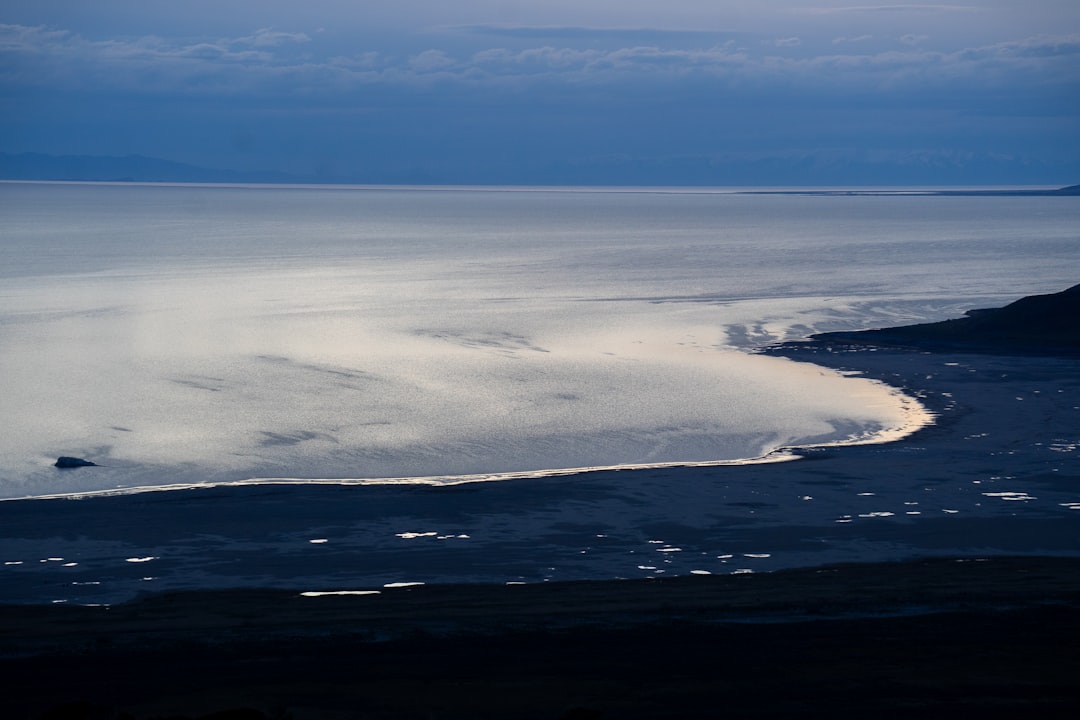
The Great Salt Lake: Why the Bad Smell?
The Great Salt Lake, a shimmering expanse of brine and natural wonder in the heart of Utah, possesses a distinctive, often pungent aroma that has puzzled and sometimes repelled visitors for generations. While its visual grandeur often takes center stage, the pervasive smell is an undeniable facet of the lake experience, a characteristic rooted in a complex interplay of biological processes and environmental factors. To understand the malodor emanating from this unique inland sea, one must delve into the microscopic life teeming within its waters, the very chemistry of its existence, and the pressures exerted upon it by human activity. The smell, in essence, is the lake’s breath, exhaled as a consequence of its deepest biological and geological conversations.
The very saltiness of the Great Salt Lake is the primary architect of its olfactory signature. Unlike freshwater lakes, the Great Salt Lake is a hypersaline environment, meaning it contains significantly higher concentrations of dissolved salts than the ocean. This extreme salinity acts as a potent selective pressure, creating a habitat that only a specialized cadre of microorganisms can endure. These extremophiles, miniature biological pioneers of the brine, are the unsung composers of the lake’s characteristic scent.
Halophilic Bacteria: The Dominant Scent Producers
The dominant players in the olfactory drama are the halophilic bacteria, literally “salt-loving” bacteria. These microscopic organisms have evolved remarkable adaptations to thrive in the harsh, salty conditions where most life would falter. Within the Great Salt Lake, several species of halophilic bacteria flourish, forming massive populations that are visible to the naked eye in certain conditions as colorful mats and films. These bacteria are not simply passive inhabitants; they are active participants in the lake’s cycles, and their metabolic processes are directly linked to the release of volatile sulfur compounds, the primary culprits behind the unpleasant odor. Imagine a microscopic factory, working tirelessly, and its exhaust fumes are what you’re smelling.
Anaerobic Respiration and Sulfur Metabolism
A key driver of the smell production lies in the anaerobic respiration carried out by certain types of halophilic bacteria. In environments where oxygen is scarce, such as the deeper, stagnant layers of the lake or within the organic-rich sediments at the bottom, these bacteria resort to alternative methods of energy production. One common pathway involves the reduction of sulfate ions ($SO_4^{2-}$) to hydrogen sulfide ($H_2S$). Sulfate ions are abundant in the Great Salt Lake due to the evaporative concentration of minerals. Hydrogen sulfide, commonly known as rotten egg gas, is a volatile compound with a very low odor threshold, meaning it can be detected in extremely small concentrations. The more sulfate the lake contains and the more anaerobic respiration occurs, the more hydrogen sulfide is released, contributing significantly to the pungent smell. This process is akin to a natural chemical plant, where the lake’s inherent mineral wealth is processed by tiny biological workers, releasing a specific byproduct.
Microbial Blooms and Decomposition
The Great Salt Lake experiences periods of intense microbial growth, often referred to as blooms. These blooms occur when nutrient levels, water temperature, and light availability are optimal for bacterial reproduction. Following these periods of rapid growth, large quantities of organic matter, also known as biomass, are generated. When these blooms die off and begin to decompose, it creates a feast for other microorganisms, many of which are also anaerobic. The breakdown of this dead organic material by decomposers, particularly in oxygen-depleted environments, further fuels the production of hydrogen sulfide and other sulfur-containing volatile organic compounds (VOCs). This cycle of growth and decay is a natural biological rhythm, but its byproduct is the pervasive smell. Think of it as the lake’s life cycle, complete with a slightly unpleasant smell of decomposition.
Dunaliella Salina: The Vibrant Pigment and Its Role
While not a direct producer of the rotten egg smell, the unicellular alga Dunaliella salina plays a significant role in the lake’s ecosystem and indirectly influences the olfactory experience. This halophilic alga is responsible for the striking reddish-pink hues that the Great Salt Lake often displays, particularly in shallower areas or at certain times of the year. Dunaliella salina produces beta-carotene, an antioxidant pigment that protects it from intense sunlight. Its proliferation is often linked to periods of high salinity and nutrient availability. While the alga itself doesn’t produce hydrogen sulfide, its dead cells contribute to the organic matter that fuels the decomposition processes described above, thereby indirectly supporting the conditions for odor production. The vibrant colors are a visual spectacle, but they are a byproduct of a life form that, in its eventual demise, adds to the lake’s scented narrative.
The unpleasant odor emanating from the Great Salt Lake can be attributed to various factors, including the high concentration of minerals and the presence of decaying organic matter. For a deeper understanding of the environmental conditions contributing to this phenomenon, you can read a related article that explores the lake’s unique ecosystem and its impact on local air quality. To learn more, visit this article.
Environmental Factors: The Breath of the Land
Beyond the microscopic world, the physical characteristics and environmental conditions of the Great Salt Lake are crucial in determining how and when its smells are perceived by humans. The lake’s shallow nature, its extensive shoreline, and the prevailing wind patterns all contribute to the dispersal and intensity of the odors.
Evaporation and Concentration: A Shrinking Cauldron
The Great Salt Lake is an endorheic lake, meaning it has no outlet to the sea. Water enters primarily through rivers and streams, but it leaves only through evaporation. This continuous process of evaporation, especially in the arid climate of Utah, leads to the natural concentration of dissolved salts and minerals. As the water volume decreases, the concentration of these substances increases, creating the hypersaline environment that fosters the halophilic microorganisms. Furthermore, the concentration of dissolved sulfates also increases, providing more substrate for sulfate-reducing bacteria. Imagine a pot of soup simmering on the stove; as the water evaporates, the flavors, and in this case, the salts and potential for scent compounds, become more intense. This ongoing concentration process is a fundamental driver of the lake’s unique chemistry and, consequently, its smell.
Drought and Decreasing Water Levels
In recent decades, prolonged periods of drought and increased water diversion for human use have led to a significant and alarming decrease in the Great Salt Lake’s water levels. As the lake shrinks, its salinity increases even further, and the surface area exposed to the air expands. This shrinking basin acts like a squeezed bellows, forcing the inherent elements of the lake into closer proximity and potentially intensifying the biological and chemical processes that generate odors. The exposed lakebed, often rich in salts and organic matter, can also contribute to dust and airborne particles that carry odors, especially during windy conditions. The shrinking of the lake is not just an ecological crisis; it is also an olfactory one, turning a distant smell into a more immediate and potentially overwhelming one.
Shoreline Dynamics and Exposed Sediments
The vast, shallow nature of the Great Salt Lake means it has an extensive shoreline. As water levels fluctuate, large areas of the lakebed can become exposed. These exposed sediments are often rich in accumulated organic matter and salts, creating ideal conditions for microbial activity, including the anaerobic decomposition that produces sulfurous compounds. When these sediments dry out, the volatile compounds can become airborne and carried by the wind. Additionally, the interaction of wind and waves with the shoreline can churn up these sediments, further releasing odors. The dynamic interface between water and land is a crucial area where the lake’s scent is born and then released into the atmosphere.
Wind Patterns and Atmospheric Dispersion
The prevailing wind patterns in the Salt Lake Valley play a critical role in how the scent of the Great Salt Lake is experienced. Winds originating from the lake can carry the volatile sulfur compounds inland, impacting communities surrounding the lake. The intensity and direction of the wind determine whether the smell is a faint whisper on the breeze or a palpable presence. Calm days can trap odors closer to the water’s surface, while strong winds can spread them over a wider area. Atmospheric conditions, such as temperature inversions, can also influence the dispersion of odors, potentially leading to periods of intensified smelling. The wind acts as the lake’s messenger, carrying its distinct aroma across the landscape.
Human Impact: A Footprint on the Scent
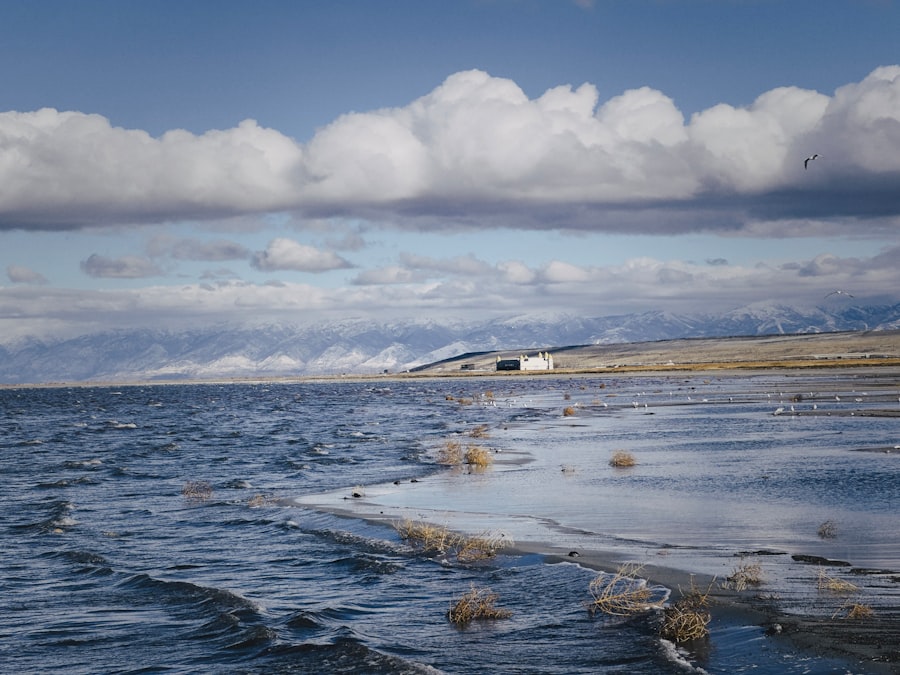
While natural processes are the fundamental source of the Great Salt Lake’s smell, human activities have undeniably amplified and altered these processes, often exacerbating the odor issue. The way humans interact with the lake, its tributaries, and the surrounding watershed has created a complex web of influences.
Water Diversion and Reduced Inflow
As mentioned previously, water diversion from the rivers that feed the Great Salt Lake has been a significant factor in its declining water levels. Reduced freshwater inflow means less dilution of the lake’s salts and minerals, leading to increased salinity. This higher salinity favors the proliferation of highly salt-tolerant microorganisms. Furthermore, reduced inflow can disrupt natural flushing mechanisms, leading to stagnation and oxygen depletion in certain areas, which are conducive to anaerobic decomposition and hydrogen sulfide production. It is like turning off the faucet that keeps the soup from getting too thick and the flavors too concentrated.
Agricultural and Municipal Water Use
The majority of water diverted from the Great Salt Lake basin is used for agriculture and municipal consumption. Irrigation practices in the arid West can result in the return of nutrient-rich agricultural runoff to the lake. While nutrients like nitrogen and phosphorus can stimulate algae growth, they can also, in excess, contribute to eutrophication and subsequent decomposition, adding to the organic load and potential for odor. Similarly, treated wastewater discharges, though generally safe, can contain trace amounts of nutrients and dissolved solids that can subtly alter the lake’s delicate chemical balance.
Industrial Activities and Pollution
Certain industrial activities in the vicinity of the Great Salt Lake have raised concerns about pollution and its potential contribution to the odor. Historically, some industries discharged wastewater containing various chemical byproducts into the lake or its tributaries. While regulations have improved, legacy pollution and ongoing industrial processes can still contribute to the chemical composition of the lake, potentially influencing microbial communities and the types of volatile compounds produced. For instance, industries involved in mineral extraction or processing might release mineral-rich effluents that alter the lake’s chemistry.
Mining and Mineral Extraction
The mineral-rich environment surrounding the Great Salt Lake has led to significant mining and mineral extraction activities. These operations, while economically important, can impact the watershed. Runoff from mines, for example, can carry dissolved metals and other substances that can enter the lake. While not directly linked to hydrogen sulfide production, changes in the lake’s mineral composition can subtly influence the microbial ecology and, by extension, the olfactory profile of the lake. It is a delicate ecosystem, and heavy industrial tools can leave their mark.
Climate Change and its Multifaceted Role
Climate change is an overarching factor that magnifies many of the issues contributing to the Great Salt Lake’s smell. Rising global temperatures contribute to increased evaporation rates, exacerbating the shrinking water levels. Changes in precipitation patterns, leading to more frequent and intense droughts, further reduce freshwater inflow. These climatic shifts create a more stressed environment for the lake, intensifying the biological and chemical processes that lead to malodor. The warming climate is essentially turning up the heat on an already sensitive system.
The Smell as an Indicator: A Toxic Warning?

The pervasive smell of the Great Salt Lake, while often an annoyance, can also serve as an important indicator of the lake’s ecological health. The intensification of odors, particularly hydrogen sulfide, can signal an imbalance in the ecosystem, directly linked to the lake’s declining water levels and increasing salinity.
Hydrogen Sulfide and Air Quality Concerns
While hydrogen sulfide is a natural product of decomposition, elevated levels can pose air quality concerns. At high concentrations, hydrogen sulfide can be harmful to human health, causing respiratory irritation and other symptoms. The smell serves as a sensory alarm, alerting communities to potentially unhealthy air conditions. As the lake continues to shrink, the risk of experiencing such elevated levels increases, especially during periods of stagnant air or strong winds carrying odors inland. This is where the smell becomes more than just an unpleasant aroma; it becomes a warning sign.
Health Impacts and Respiratory Issues
For individuals living or working near the Great Salt Lake, prolonged exposure to certain levels of hydrogen sulfide, especially during unfavorable atmospheric conditions, can lead to health issues. Vulnerable populations, such as those with pre-existing respiratory conditions like asthma, may experience exacerbated symptoms. The smell, in this context, is a tangible manifestation of a broader environmental problem with direct human health implications.
Aridification and Ecosystem Stress
The overall trend of aridification in the region, driven by climate change and water usage, places immense stress on the entire Great Salt Lake ecosystem. The increasing salinity and shrinking habitat threaten the survival of the specialized organisms that call the lake home, including the brine shrimp and brine flies that form the base of the food web for migratory birds. The intensified smell is a symptom of this broader ecosystem stress, a cry for help from a struggling natural wonder. Imagine a fever in the lake, and the bad smell is one of the tell-tale symptoms.
Impacts on Biodiversity and Migratory Birds
The Great Salt Lake is a critical stopover point for millions of migratory birds. The health of the lake directly impacts their ability to feed and rest. As the lake shrinks and its salinity fluctuates, the populations of brine shrimp and brine flies can be affected, impacting the birds that rely on them. The smell, in this broader ecological context, is a part of a larger narrative of environmental change that has far-reaching consequences for biodiversity.
The Great Salt Lake, known for its unique ecosystem and stunning landscapes, has recently garnered attention for its unpleasant odor, which can be attributed to various factors including the high salinity and the presence of decaying organic matter. For a deeper understanding of this phenomenon, you can explore a related article that delves into the environmental changes affecting the lake’s smell and overall health. This insightful piece can be found here, providing valuable information on the challenges faced by this remarkable natural resource.
Mitigating the Malodor: Seeking Solutions
| Factor | Description | Impact on Smell | Measurement/Metric |
|---|---|---|---|
| Algal Blooms | Excessive growth of algae due to nutrient runoff | Produces sulfur compounds causing a rotten egg smell | Chlorophyll concentration: 20-50 µg/L during blooms |
| Hydrogen Sulfide (H2S) Levels | Gas produced by anaerobic bacteria decomposing organic matter | Primary source of the foul odor | H2S concentration: 0.1-5 ppm near lakebed sediments |
| Water Salinity | High salt concentration affecting microbial activity | Encourages growth of sulfur-reducing bacteria | Salinity: 50-270 g/L (varies seasonally) |
| Water Level Fluctuations | Changes in lake volume due to drought or inflow variations | Exposes lakebed, increasing organic matter decay and odor | Lake surface area: 1,700-3,300 sq km depending on water level |
| Organic Matter | Dead plants and animals accumulating in sediments | Decomposition releases smelly gases | Organic carbon in sediments: 2-5% by weight |
Addressing the smell of the Great Salt Lake requires a multi-faceted approach that tackles the root causes of its environmental degradation. This involves not only managing water resources more sustainably but also exploring potential technological and ecological interventions.
Water Conservation and Management Strategies
The most direct way to combat the issues contributing to the Great Salt Lake’s smell is through rigorous water conservation and improved water management strategies. This involves reducing water usage in agriculture, promoting efficient municipal water practices, and exploring innovative water-saving technologies. Ensuring more consistent and adequate freshwater inflow to the lake is paramount to stabilizing its salinity and ecosystem. This is arguably the most critical piece of the puzzle, akin to ensuring a consistent supply of clean air to a struggling patient.
Innovative Irrigation Techniques and Urban Water Efficiency
Implementing advanced irrigation techniques that minimize water loss, such as drip irrigation and precision watering, can significantly reduce agricultural water consumption. In urban areas, promoting water-wise landscaping, fixing leaks, and encouraging water-efficient appliances can all contribute to conserving precious water resources. Every drop saved is a step towards a healthier lake.
Wetland Restoration and Ecosystem Rehabilitation
Restoring and rehabilitating wetlands in the Great Salt Lake watershed can play a vital role in improving water quality and supporting the lake’s ecosystem. Wetlands act as natural filters, removing pollutants and excess nutrients from water before it reaches the lake. They can also help regulate water flow and provide habitat for wildlife. Investing in wetland restoration is an investment in the overall health of the lake and its surrounding environment.
Natural Filtration and Nutrient Removal
Wetlands are nature’s sponges, absorbing excess nutrients from agricultural runoff and urban discharges. By acting as natural filtration systems, they can reduce the amount of organic matter that reaches the lake, thereby lessening the fuel for decomposition and odor production. This is like giving the lake a spa treatment, using natural systems to clean and revitalize it.
Engineering Solutions and Potential Interventions
While natural solutions are crucial, engineers and scientists are also exploring innovative engineering solutions to address the Great Salt Lake’s challenges, including its olfactory issues. These can range from methods to manage salinity to technologies that might mitigate odor production.
Salinity Management and Stratification Control
Research is ongoing into methods to manage the lake’s salinity, potentially through managed inflows or even artificial stratification to create more stable oxygen levels in certain areas. Some proposals involve the construction of causeways or berms to alter water circulation patterns, though these can have their own ecological implications. These are more invasive measures, akin to surgical interventions for a complex medical condition.
Odor Control Technologies and Public Engagement
While direct odor control technologies for such a vast body of water are challenging, research into methods to neutralize or capture specific volatile compounds is a developing area. More importantly, public engagement and education are vital. Understanding the natural processes behind the smell, the impact of human activity, and the importance of conservation efforts can foster a greater sense of stewardship and support for necessary actions. This is about building a collective understanding and commitment to protecting this unique natural resource. The smell of the Great Salt Lake is a complex symphony of natural processes and human influence. While it may be unpleasant, understanding its origins is the first step towards appreciating the delicate balance of this remarkable inland sea and working towards its preservation for generations to come.
FAQs
Why does the Great Salt Lake have a bad smell?
The Great Salt Lake often smells bad due to the presence of hydrogen sulfide gas, which is produced by bacteria breaking down organic matter in the lake’s salty, oxygen-poor environment.
What causes the production of hydrogen sulfide in the Great Salt Lake?
Hydrogen sulfide is produced when sulfate-reducing bacteria decompose dead plants, algae, and other organic material in the lake’s sediments, especially in areas with low oxygen levels.
Does the smell indicate pollution or contamination?
No, the smell is a natural occurrence caused by biological processes in the lake. It is not necessarily a sign of pollution but rather a result of the lake’s unique ecosystem and high salinity.
Are there specific times of the year when the smell is worse?
Yes, the smell tends to be stronger during warmer months when bacterial activity increases and more organic material decomposes, leading to higher hydrogen sulfide production.
Can the bad smell from the Great Salt Lake affect nearby communities?
Yes, the hydrogen sulfide gas can sometimes be detected in nearby areas, causing an unpleasant odor. However, the concentration is usually low and not harmful to human health.