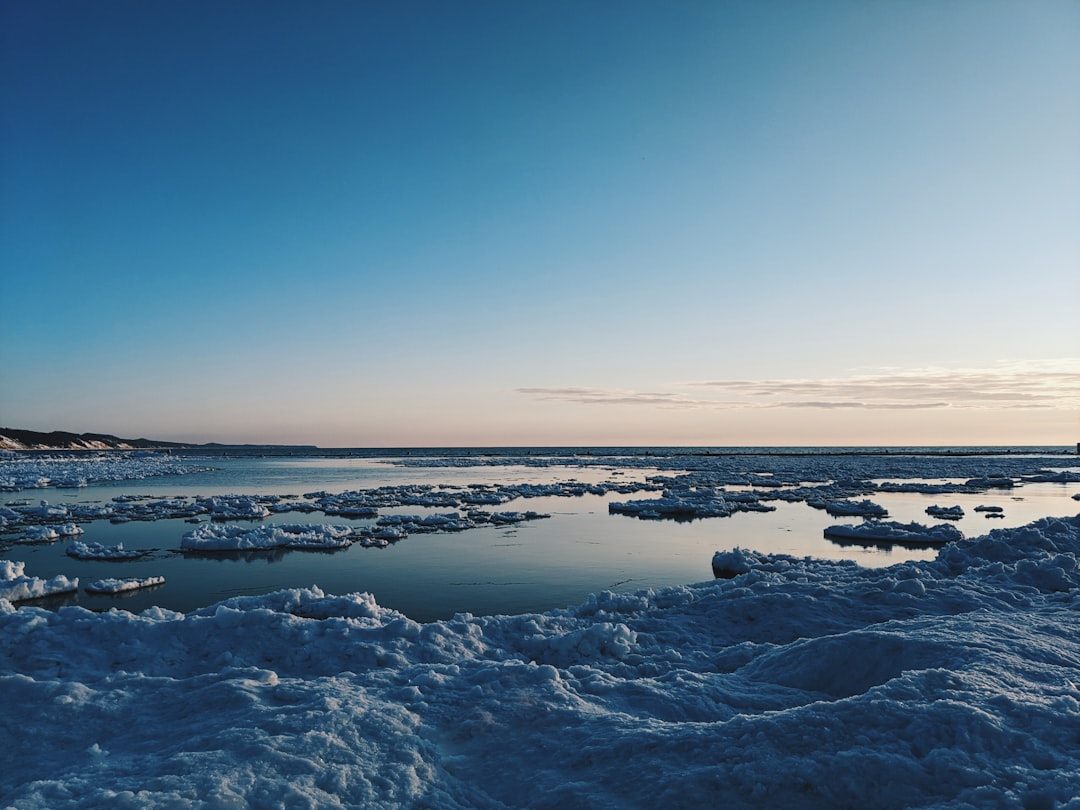
The Great Lakes, a remarkable collection of five interconnected freshwater lakes—Superior, Michigan, Huron, Erie, and Ontario—are the largest group of freshwater lakes in the world by total area. Spanning the border between the United States and Canada, these lakes cover approximately 94,250 square miles and hold about 20% of the world’s surface freshwater supply. Their vastness and ecological significance make them a vital resource for millions of people living in the surrounding regions.
The Great Lakes are not only a natural wonder but also a crucial component of the North American landscape, influencing climate, biodiversity, and human activity. The lakes are fed by numerous rivers and streams, with their waters flowing into the St. Lawrence River, which ultimately leads to the Atlantic Ocean.
This intricate hydrological system supports a diverse range of ecosystems, from wetlands to forests, and provides habitat for countless species of fish, birds, and other wildlife. The Great Lakes are also a critical resource for drinking water, agriculture, industry, and recreation, making their management and preservation essential for both environmental health and economic stability.
Key Takeaways
- The Great Lakes are a group of five interconnected freshwater lakes located in North America, consisting of Lakes Superior, Michigan, Huron, Erie, and Ontario.
- The Great Lakes have played a significant role in the historical and cultural development of the region, serving as a vital transportation route and a source of livelihood for indigenous communities.
- The legal framework for managing the Great Lakes water is primarily governed by the Great Lakes Compact, a binding agreement among the eight Great Lakes states to protect and conserve the water resources of the region.
- Both federal and state governments are actively involved in the management of Great Lakes water, with a focus on environmental protection, sustainable use, and equitable access for all stakeholders.
- Indigenous rights to the Great Lakes water are recognized and protected under various treaties and agreements, highlighting the importance of tribal sovereignty and traditional ecological knowledge in water management decisions.
Historical and cultural significance of the Great Lakes
The historical significance of the Great Lakes is deeply rooted in the narratives of Indigenous peoples who have inhabited the region for thousands of years. Tribes such as the Ojibwe, Odawa, and Potawatomi have long regarded these waters as sacred, integral to their cultural identity and way of life. The lakes served as vital transportation routes for trade and communication among Indigenous communities long before European settlers arrived.
The rich history of these waters is interwoven with stories of resilience, adaptation, and stewardship that continue to resonate today. With the arrival of European explorers in the 17th century, the Great Lakes became a focal point for colonization and economic exploitation. The fur trade flourished in this region, leading to significant changes in land use and Indigenous lifestyles.
As settlers established towns and industries along the shores, the lakes transformed into a hub for commerce and transportation. This historical trajectory has left an indelible mark on the cultural landscape of the Great Lakes region, shaping its demographics and economic activities while also raising complex questions about land rights and environmental stewardship.
Legal framework for managing the Great Lakes water

The legal framework governing the management of Great Lakes water is multifaceted, involving a combination of federal, state, provincial, and local regulations. The Great Lakes Water Quality Agreement (GLWQA), first signed in 1972 between the United States and Canada, serves as a cornerstone for collaborative efforts to protect and restore water quality in the lakes. This agreement has undergone several amendments to address emerging environmental challenges, including pollution control and habitat restoration.
In addition to international agreements, each state bordering the Great Lakes has its own set of laws and regulations aimed at managing water resources. These laws often focus on water usage rights, pollution control measures, and conservation efforts. The interplay between state laws and federal regulations creates a complex legal landscape that requires ongoing cooperation among various stakeholders to ensure sustainable management of this vital resource.
The role of the Great Lakes Compact
| Great Lakes Compact | Metrics |
|---|---|
| Water Withdrawal | Limiting the amount of water that can be withdrawn from the Great Lakes |
| Conservation | Promoting water conservation and efficient use |
| Management | Establishing a framework for managing and protecting the Great Lakes |
| Regional Cooperation | Promoting cooperation among the Great Lakes states and provinces |
The Great Lakes Compact is a significant legal agreement that was enacted in 2008 to provide a framework for managing water resources within the Great Lakes basin. This compact was developed in response to growing concerns about water diversion and depletion due to population growth and climate change. It establishes a set of binding commitments among the eight states that border the Great Lakes—Minnesota, Wisconsin, Illinois, Indiana, Michigan, Ohio, Pennsylvania, and New York—aimed at protecting the lakes from unsustainable water withdrawals.
One of the key provisions of the Compact is its prohibition on large-scale diversions of water outside the basin. This measure reflects a collective commitment to preserving the ecological integrity of the Great Lakes while allowing for reasonable use within the region. The Compact also emphasizes the importance of public participation in decision-making processes related to water management, ensuring that local communities have a voice in how their water resources are managed.
Federal and state government involvement in Great Lakes water management
Both federal and state governments play crucial roles in managing Great Lakes water resources. At the federal level, agencies such as the Environmental Protection Agency (EPA) and the U.S. Army Corps of Engineers are involved in monitoring water quality, regulating pollution sources, and overseeing infrastructure projects that impact the lakes.
These agencies work in conjunction with state governments to implement policies that align with both national standards and local needs. State governments have significant authority over water management within their borders.
This decentralized approach allows states to tailor their management strategies to address specific regional challenges while still adhering to broader federal guidelines. However, it also necessitates ongoing collaboration among states to ensure cohesive management across the entire Great Lakes basin.
Indigenous rights and the Great Lakes water
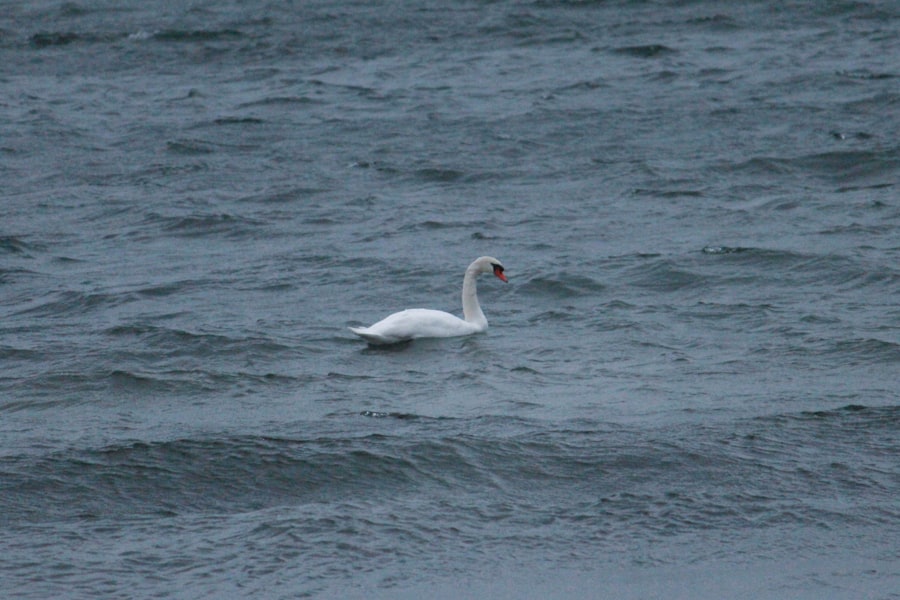
Indigenous rights concerning Great Lakes water are an essential aspect of contemporary discussions about resource management in the region. Many Indigenous tribes assert their inherent rights to access clean water and maintain traditional practices tied to these waters. Treaties signed with the U.S. government often include provisions related to fishing rights and land use that are directly connected to the health of the lakes. In recent years, there has been a growing recognition of Indigenous sovereignty and the need for meaningful consultation with tribal nations regarding water management decisions. Collaborative efforts between Indigenous communities and government agencies aim to incorporate traditional ecological knowledge into contemporary resource management practices. This partnership not only honors Indigenous rights but also enhances conservation efforts by integrating diverse perspectives on sustainability.
Environmental concerns and conservation efforts in the Great Lakes
The Great Lakes face numerous environmental challenges that threaten their health and sustainability. Pollution from agricultural runoff, industrial discharges, and urban development has led to declining water quality in some areas. Invasive species pose another significant threat, disrupting local ecosystems and outcompeting native species for resources.
Climate change further exacerbates these issues by altering precipitation patterns and increasing water temperatures. In response to these challenges, various conservation efforts have been initiated by government agencies, non-profit organizations, and local communities. Restoration projects aimed at rehabilitating wetlands, improving habitat for native species, and reducing pollution inputs are underway throughout the region.
Public awareness campaigns also play a vital role in educating residents about their impact on water quality and encouraging sustainable practices that protect this precious resource.
International agreements and disputes over the Great Lakes water
Given that the Great Lakes straddle an international border between Canada and the United States, they are subject to various international agreements that govern their use and protection. The Great Lakes Water Quality Agreement is one such agreement that facilitates cooperation between both countries on issues related to pollution control and ecosystem health. However, disputes occasionally arise over water management practices, particularly concerning issues like water diversion or allocation.
These disputes highlight the complexities inherent in managing shared resources across national boundaries. Negotiations often require balancing competing interests from different stakeholders while adhering to legal frameworks established by international treaties. Ongoing dialogue between Canada and the United States is essential for resolving conflicts amicably while ensuring that both nations remain committed to protecting this vital freshwater resource.
Economic impact of the Great Lakes water
The economic impact of the Great Lakes extends far beyond their immediate vicinity; they play a crucial role in supporting industries such as shipping, fishing, tourism, and agriculture. The lakes serve as a major transportation route for goods moving between Canada and the United States, facilitating trade worth billions of dollars annually. Ports along the shores of these lakes handle significant cargo volumes, contributing to regional economies.
Additionally, recreational activities such as boating, fishing, and swimming attract millions of visitors each year, generating substantial revenue for local businesses. The fishing industry alone supports thousands of jobs while providing fresh seafood to consumers across North America. As such, maintaining healthy ecosystems within the Great Lakes is not only vital for environmental reasons but also essential for sustaining economic prosperity in surrounding communities.
Public access and recreational use of the Great Lakes
Public access to the Great Lakes is a fundamental aspect of their value as recreational resources. Numerous parks, beaches, and trails line their shores, providing opportunities for residents and visitors alike to engage with these magnificent bodies of water. Activities such as kayaking, paddleboarding, fishing, hiking along scenic trails, or simply enjoying a day at the beach foster a deep appreciation for nature while promoting physical well-being.
Efforts to enhance public access have been supported by various organizations dedicated to preserving natural spaces around the lakes. Initiatives aimed at improving infrastructure—such as boat launches or picnic areas—help ensure that everyone can enjoy what these waters have to offer. However, balancing public access with conservation efforts remains a challenge; it is essential to protect sensitive habitats while allowing people to experience the beauty of the Great Lakes.
Future challenges and opportunities for managing the Great Lakes water
As climate change continues to impact weather patterns across North America, future challenges related to managing Great Lakes water will likely intensify. Increased rainfall can lead to flooding events that threaten infrastructure along shorelines while prolonged droughts may strain water supplies for agriculture and urban areas alike. Adapting management strategies to address these shifting conditions will require innovative solutions grounded in scientific research.
At the same time, opportunities exist for enhancing collaboration among stakeholders invested in protecting this vital resource. Engaging local communities in conservation efforts can foster stewardship while empowering individuals to take action on behalf of their environment. By leveraging technology—such as remote sensing or data analytics—managers can better understand changes occurring within ecosystems over time.
In conclusion, navigating these complexities will require ongoing dialogue among governments at all levels alongside active participation from Indigenous communities and civil society organizations committed to safeguarding one of North America’s most precious resources: its freshwater lakes.
The management and control of water resources in the Great Lakes region is a complex issue that involves various stakeholders, including government agencies, environmental groups, and local communities. For a deeper understanding of the dynamics at play, you can read more about this topic in the article found at this link. This article provides insights into the policies and agreements that govern the use and protection of the Great Lakes water.
WATCH THIS! The Great Lakes Are Dying: The $6 Trillion Lie That’s Killing America’s Water
FAQs
What is the Great Lakes Water Agreement?
The Great Lakes Water Agreement, also known as the Great Lakes-St. Lawrence River Basin Sustainable Water Resources Agreement, is a legally binding agreement between the eight U.S. states and two Canadian provinces that border the Great Lakes. It aims to protect and manage the water resources of the Great Lakes Basin.
Who controls the water in the Great Lakes?
The water in the Great Lakes is jointly managed and regulated by the U.S. and Canadian federal governments, as well as the individual states and provinces that border the lakes. The Great Lakes Compact, a legally binding agreement among the eight U.S. states, and the Great Lakes-St. Lawrence River Basin Sustainable Water Resources Agreement, between the U.S. and Canadian provinces, also play a role in governing the use and protection of the Great Lakes water.
What are the key provisions of the Great Lakes Water Agreement?
The Great Lakes Water Agreement includes provisions for managing water withdrawals, preventing diversions of water outside the Great Lakes Basin, promoting water conservation, and protecting the ecological health of the Great Lakes.
How is water use regulated in the Great Lakes Basin?
Water use in the Great Lakes Basin is regulated through a combination of federal, state, and provincial laws and regulations, as well as the Great Lakes Compact and the Great Lakes-St. Lawrence River Basin Sustainable Water Resources Agreement. These regulations govern water withdrawals, diversions, and conservation efforts within the basin.
What is the role of the International Joint Commission in managing Great Lakes water?
The International Joint Commission (IJC) is an independent binational organization established by the U.S. and Canada to prevent and resolve disputes over shared waters. The IJC plays a key role in advising the governments on the management of the Great Lakes water resources and ensuring compliance with the Great Lakes Water Agreement.