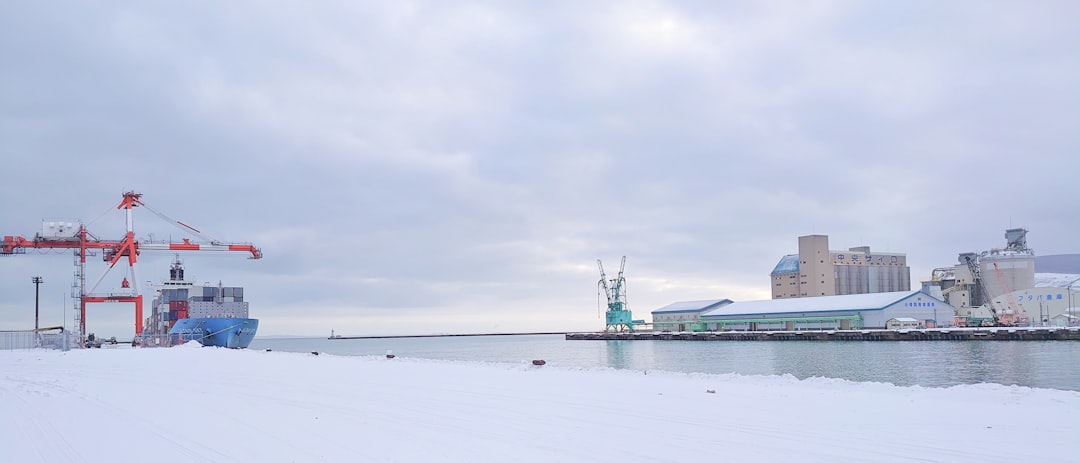
The Great Lakes, a collection of five interconnected freshwater lakes—Superior, Michigan, Huron, Erie, and Ontario—form one of the largest surface freshwater systems in the world. This region is not only a geographical marvel but also a vital economic hub for the United States and Canada. The Great Lakes economy encompasses a diverse array of industries, from manufacturing and agriculture to tourism and shipping.
The economic activities in this region are deeply intertwined with the natural resources and infrastructure that the lakes provide, making it a unique case study in regional economic development. The significance of the Great Lakes economy extends beyond mere statistics; it reflects the livelihoods of millions of people who depend on its resources. The lakes serve as a critical transportation route, facilitate trade, and support various sectors that contribute to the overall economic health of the region.
As climate change and environmental concerns increasingly impact the Great Lakes, understanding the dynamics of this economy becomes essential for policymakers, businesses, and communities alike.
Key Takeaways
- The Great Lakes region is a vital economic hub in North America, encompassing a diverse range of industries and sectors.
- Key industries in the Great Lakes economy include manufacturing, agriculture, technology, and healthcare, driving economic growth and innovation.
- Trade and transportation play a crucial role in the Great Lakes region, with the St. Lawrence Seaway and major ports facilitating international commerce.
- Environmental and sustainability challenges, such as water pollution and invasive species, pose significant threats to the Great Lakes economy.
- Innovation and technology are driving forces in the Great Lakes region, creating new economic opportunities and shaping the future of the economy.
The Importance of the Great Lakes Region
The Great Lakes region is often referred to as the “breadbasket” of North America due to its rich agricultural land and favorable climate conditions. This area produces a significant portion of the nation’s corn, soybeans, and dairy products, contributing substantially to both local and national economies. The agricultural sector not only provides food but also supports related industries such as food processing and distribution, creating a ripple effect that bolsters employment and economic stability.
Moreover, the Great Lakes are crucial for their natural resources, including fisheries and timber. The fishing industry thrives in these waters, providing jobs and sustenance for many communities. The lakes also attract millions of tourists each year, drawn by their beauty and recreational opportunities.
This influx of visitors stimulates local economies through spending on hospitality, entertainment, and retail, further underscoring the region’s importance as a multifaceted economic powerhouse.
Key Industries and Sectors in the Great Lakes Economy

The Great Lakes economy is characterized by a diverse range of industries that contribute to its resilience and growth. Manufacturing has historically been a cornerstone of this economy, particularly in states like Michigan and Ohio, where automotive production has played a pivotal role. The presence of major automotive companies has fostered a network of suppliers and skilled labor, creating a robust manufacturing ecosystem that extends beyond cars to include machinery, electronics, and consumer goods.
In addition to manufacturing, the technology sector is gaining traction in the Great Lakes region. Cities like Chicago and Detroit are emerging as tech hubs, attracting startups and established companies alike. This shift towards innovation is supported by universities and research institutions that foster collaboration between academia and industry.
As technology continues to evolve, it is expected that this sector will play an increasingly significant role in shaping the future of the Great Lakes economy.
Trade and Transportation in the Great Lakes Region
| Trade and Transportation in the Great Lakes Region | |
|---|---|
| Port of Duluth-Superior | Annual tonnage: 35 million tons |
| Port of Chicago | Annual tonnage: 19 million tons |
| Port of Detroit | Annual tonnage: 19 million tons |
| Port of Cleveland | Annual tonnage: 13 million tons |
| Port of Milwaukee | Annual tonnage: 2.5 million tons |
Trade and transportation are integral components of the Great Lakes economy, facilitated by an extensive network of waterways, railroads, and highways. The Great Lakes-St. Lawrence Seaway system allows for the movement of goods between the interior of North America and international markets.
This waterway is particularly vital for bulk commodities such as iron ore, coal, and grain, which are transported efficiently via freighters. The region’s transportation infrastructure is further enhanced by its proximity to major urban centers and border crossings with Canada. This strategic location enables seamless trade between the two countries, making the Great Lakes a critical conduit for international commerce.
However, challenges such as aging infrastructure and environmental regulations pose risks to this vital transportation network. Addressing these issues will be essential for maintaining the region’s competitive edge in global trade.
Environmental and Sustainability Challenges in the Great Lakes Economy
While the Great Lakes offer numerous economic opportunities, they also face significant environmental challenges that threaten their health and sustainability. Pollution from industrial runoff, agricultural practices, and urban development has led to water quality issues that impact both ecosystems and human health. Algal blooms, invasive species, and habitat degradation are just a few examples of the environmental stressors affecting this precious resource.
Efforts to address these challenges have gained momentum in recent years, with various stakeholders advocating for sustainable practices and policies. Initiatives aimed at reducing pollution, restoring habitats, and promoting conservation are crucial for ensuring that the Great Lakes can continue to support economic activities while preserving their ecological integrity. Balancing economic growth with environmental stewardship will be a defining challenge for the region moving forward.
Innovation and Technology in the Great Lakes Region

Innovation is at the forefront of transforming the Great Lakes economy as businesses adapt to changing market demands and technological advancements. The region is home to numerous research institutions and universities that foster innovation through collaboration with industry partners. This synergy has led to breakthroughs in various fields, including clean energy, biotechnology, and advanced manufacturing.
For instance, advancements in renewable energy technologies are being explored to harness wind and solar power potential in the region. As these innovations take root, they not only create new job opportunities but also position the Great Lakes as a leader in sustainable economic practices.
Workforce and Labor Market in the Great Lakes Economy
The workforce in the Great Lakes region is diverse and skilled, reflecting the area’s rich industrial history. However, like many regions across North America, it faces challenges related to workforce development and labor market dynamics. The demand for skilled labor in sectors such as manufacturing and technology is growing, yet there is often a gap between available jobs and qualified candidates.
To address this issue, educational institutions are increasingly partnering with businesses to develop training programs that align with industry needs. Apprenticeships, vocational training, and community college initiatives are being implemented to equip workers with the skills necessary for emerging job opportunities. By investing in workforce development, the Great Lakes economy can ensure a sustainable labor market that meets both current demands and future challenges.
Government Policies and Regulations Impacting the Great Lakes Economy
Government policies play a crucial role in shaping the economic landscape of the Great Lakes region. Federal, state, and local regulations influence various aspects of business operations, from environmental standards to labor laws. Policymakers must strike a balance between fostering economic growth and protecting natural resources to ensure long-term sustainability.
In recent years, there has been an increased focus on policies aimed at promoting clean energy initiatives and reducing carbon emissions. These regulations not only address environmental concerns but also create opportunities for businesses involved in renewable energy sectors. As governments continue to navigate complex economic landscapes, their decisions will significantly impact the trajectory of the Great Lakes economy.
Economic Opportunities and Challenges in the Great Lakes Region
The Great Lakes region presents a wealth of economic opportunities driven by its natural resources, strategic location, and diverse industries. However, it also faces challenges that require innovative solutions. The ongoing transition towards a more sustainable economy presents both risks and rewards; businesses that adapt to changing consumer preferences for environmentally friendly products may find new markets opening up.
Conversely, traditional industries may struggle if they fail to innovate or address environmental concerns adequately. The ability to pivot towards new technologies or practices will be crucial for maintaining competitiveness in an evolving global marketplace. As stakeholders work together to harness opportunities while mitigating challenges, the future of the Great Lakes economy remains promising yet uncertain.
International Relations and the Great Lakes Economy
International relations play a pivotal role in shaping the economic landscape of the Great Lakes region. The close ties between Canada and the United States facilitate trade agreements that benefit both nations economically. The Great Lakes serve as a shared resource that underscores the importance of collaboration on environmental issues, trade policies, and infrastructure development.
As global trade dynamics shift due to geopolitical factors or economic trends, maintaining strong international relationships will be essential for ensuring continued prosperity in the region. Engaging with Canadian partners on issues such as water management or transportation infrastructure can lead to mutually beneficial outcomes that enhance economic stability for both countries.
The Future of the Great Lakes Economy
The future of the Great Lakes economy hinges on its ability to adapt to changing circumstances while leveraging its unique strengths. With a rich tapestry of industries ranging from agriculture to technology, this region is well-positioned to thrive in an increasingly interconnected world. However, addressing environmental challenges and investing in workforce development will be critical for sustaining growth.
As stakeholders collaborate on innovative solutions that balance economic interests with ecological preservation, they can pave the way for a resilient future for the Great Lakes economy. By embracing change while honoring its rich heritage, this region can continue to be a vital contributor to North America’s economic landscape for generations to come.
The Great Lakes region plays a crucial role in the economy of the United States, contributing approximately six trillion dollars annually. This immense economic impact is highlighted in various studies and articles that explore the diverse industries thriving in the area, from manufacturing to agriculture. For more insights into the economic significance of the Great Lakes, you can read a related article on this topic here.
WATCH THIS! The Great Lakes Are Dying: The $6 Trillion Lie That’s Killing America’s Water
FAQs
What is the Great Lakes economy worth?
The Great Lakes economy is estimated to be worth around six trillion dollars, making it one of the largest regional economies in the world.
What are the key industries driving the Great Lakes economy?
The key industries driving the Great Lakes economy include manufacturing, agriculture, tourism, transportation, and shipping. These industries contribute significantly to the region’s economic output.
How does the Great Lakes economy impact the United States and Canada?
The Great Lakes economy has a significant impact on both the United States and Canada, as it supports millions of jobs and contributes to the overall economic growth of the region. The Great Lakes also play a crucial role in trade and transportation between the two countries.
What are some of the challenges facing the Great Lakes economy?
Some of the challenges facing the Great Lakes economy include environmental concerns, such as pollution and invasive species, as well as economic disparities among different communities within the region. Climate change and infrastructure issues also pose challenges to the economy.
How does the Great Lakes economy contribute to global trade?
The Great Lakes economy is a major player in global trade, as the region’s waterways provide crucial access to international markets. The shipping and transportation industries in the Great Lakes play a key role in facilitating trade with other countries.