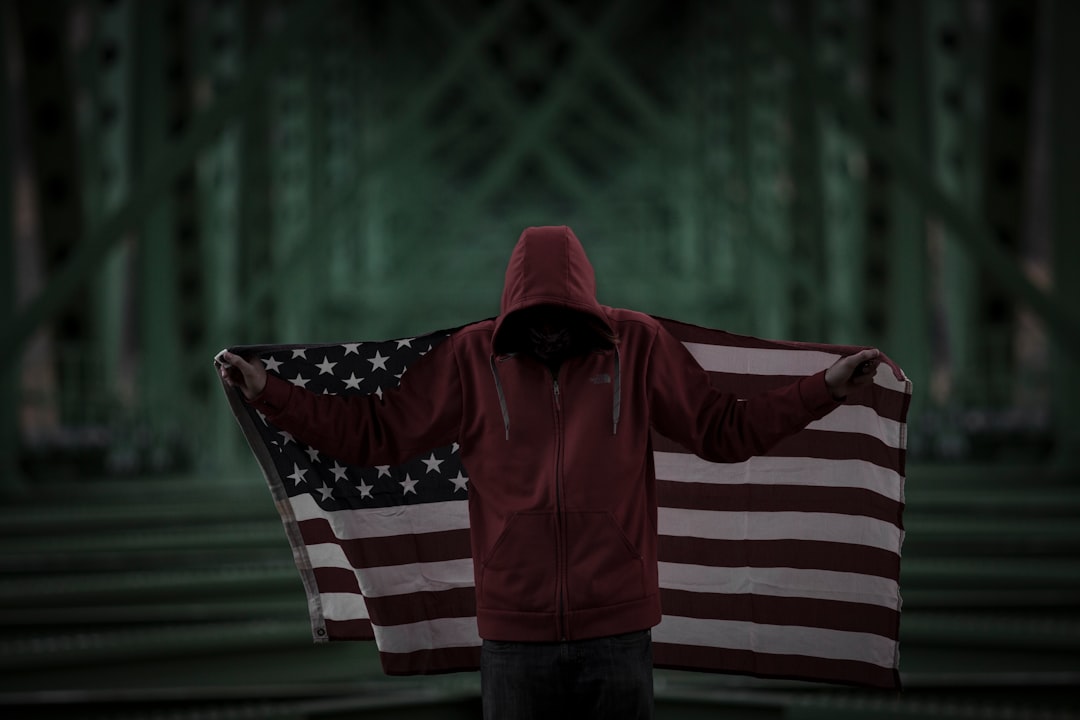
In recent years, America has witnessed a profound and troubling polarization that permeates nearly every aspect of its social, political, and cultural landscape. This division is not merely a matter of differing opinions; it has evolved into a chasm that separates individuals and communities, often leading to hostility and mistrust. The roots of this polarization can be traced back to various factors, including political ideologies, economic disparities, and cultural differences.
As citizens increasingly align themselves with like-minded groups, the ability to engage in constructive dialogue has diminished, leaving a fragmented society struggling to find common ground. The implications of this polarization are far-reaching. It affects not only the political arena but also social interactions, community cohesion, and even personal relationships.
The once-shared narratives that helped bind Americans together have been replaced by competing stories that reinforce division. As individuals retreat into echo chambers, the potential for understanding and empathy diminishes, creating an environment where compromise becomes increasingly elusive. This article will explore the multifaceted nature of America’s polarized society, examining the various forces at play and their consequences for the nation as a whole.
Key Takeaways
- America’s polarized society is characterized by deep divisions in political, social, and cultural beliefs.
- The media plays a significant role in fueling polarization through biased reporting and sensationalism.
- Political polarization has led to gridlock and inefficiency in governance, making it difficult to address pressing issues.
- Social media has amplified polarization by creating echo chambers and spreading misinformation.
- Economic inequality has contributed to polarization by widening the gap between the rich and the poor, leading to resentment and distrust.
The Role of Media in Fueling Polarization
The media landscape has undergone a seismic shift in recent decades, with the rise of cable news and digital platforms contributing significantly to the polarization of American society. Traditional news outlets, once seen as impartial arbiters of information, have increasingly adopted partisan slants, catering to specific ideological audiences. This trend has led to the proliferation of news sources that prioritize sensationalism over objectivity, further entrenching viewers in their pre-existing beliefs.
As individuals consume news that aligns with their viewpoints, they become less receptive to alternative perspectives, fostering an environment ripe for division. Moreover, the 24-hour news cycle has created an insatiable demand for content that often prioritizes conflict and controversy over nuanced discussions. This focus on sensationalism not only distorts public perception but also exacerbates tensions between opposing factions.
As media outlets compete for ratings and clicks, they often amplify divisive narratives that resonate with their audiences, perpetuating a cycle of polarization. The result is a society where individuals are more likely to view those with differing opinions as adversaries rather than fellow citizens with whom they can engage in meaningful dialogue.
Political Polarization and its Impact on Governance
Political polarization has reached unprecedented levels in America, manifesting in stark divisions between the two major parties. This polarization has significant implications for governance, as lawmakers increasingly prioritize party loyalty over bipartisan cooperation. The inability to find common ground has led to legislative gridlock, where critical issues remain unresolved due to entrenched positions.
As elected officials cater to their party bases, the potential for compromise diminishes, leaving pressing concerns such as healthcare reform and climate change unaddressed. The consequences of this political polarization extend beyond legislative inaction; they also erode public trust in government institutions. Citizens who perceive their representatives as more concerned with party politics than the needs of their constituents may become disillusioned with the democratic process.
This disillusionment can lead to apathy or even radicalization, as individuals seek alternative avenues for expressing their frustrations. In this context, the health of American democracy is at stake, as polarization undermines the very foundations of governance that rely on collaboration and consensus-building.
The Influence of Social Media on Polarization
| Metrics | Findings |
|---|---|
| Percentage of people influenced by social media | 78% |
| Number of social media platforms used for news consumption | 3.4 |
| Percentage of people who have unfollowed or blocked someone due to political views | 45% |
| Percentage of people who believe social media has increased political polarization | 62% |
Social media has emerged as a powerful force in shaping public opinion and facilitating communication among individuals. However, its impact on polarization cannot be overstated. Platforms like Facebook, Twitter, and Instagram have created spaces where users can curate their online experiences, often surrounding themselves with content that reinforces their beliefs.
This phenomenon leads to the creation of echo chambers, where dissenting voices are silenced or marginalized, further entrenching individuals in their ideological positions. Additionally, social media algorithms prioritize engagement over accuracy, often promoting sensational or polarizing content that captures users’ attention. This dynamic not only skews perceptions of reality but also fosters animosity between different groups.
As users encounter increasingly extreme viewpoints within their feeds, they may become more radicalized in their beliefs, viewing those who disagree as threats rather than fellow citizens with valid perspectives. The result is a society where constructive dialogue is stifled, and polarization deepens.
Economic Inequality and Its Contribution to Polarization
Economic inequality is another critical factor contributing to America’s polarized society. As the wealth gap widens, individuals from different socioeconomic backgrounds often find themselves living in vastly different realities. Those in affluent communities may have access to resources and opportunities that are unattainable for those in economically disadvantaged areas.
This disparity breeds resentment and frustration among those who feel left behind, leading to a sense of alienation from the political system and society at large. Moreover, economic inequality can exacerbate existing cultural and racial divides. As marginalized communities struggle to access quality education, healthcare, and employment opportunities, they may become increasingly disillusioned with institutions that seem unresponsive to their needs.
This disillusionment can manifest in political movements that challenge the status quo, further polarizing society as different groups vie for recognition and resources. In this context, addressing economic inequality becomes essential not only for promoting social justice but also for fostering a more cohesive society.
Racial and Cultural Divides in America

Racial and cultural divides have long been a defining feature of American society, but recent events have brought these issues to the forefront of national discourse. The Black Lives Matter movement, for instance, has highlighted systemic racism and police brutality, prompting widespread protests and calls for reform. However, these movements have also sparked backlash from those who perceive them as threats to their way of life or as challenges to their beliefs about race and identity.
Issues such as immigration policy, LGBTQ+ rights, and religious freedom often elicit strong reactions from individuals who feel their cultural identity is under threat. As these divides deepen, they create an environment where dialogue becomes increasingly fraught with tension and misunderstanding.
Bridging these gaps requires not only acknowledging historical injustices but also fostering empathy and understanding among diverse communities.
The Impact of Polarization on Public Discourse
The polarization of American society has had a profound impact on public discourse, transforming the way individuals communicate about contentious issues. Conversations that once took place in civil settings have devolved into heated arguments characterized by hostility and name-calling. This shift has made it increasingly difficult for individuals to engage in constructive discussions about important topics such as healthcare reform or climate change without resorting to personal attacks or dismissive rhetoric.
Moreover, the decline of civil discourse has implications for democratic engagement. When individuals feel unable to express their opinions without fear of backlash or ridicule, they may withdraw from public discussions altogether. This withdrawal can lead to a lack of informed citizenry and diminished participation in democratic processes such as voting or community organizing.
To restore healthy public discourse, it is essential to cultivate environments where diverse perspectives can be shared respectfully and thoughtfully.
Education and Polarization: The Divide in Knowledge and Understanding
Education plays a crucial role in shaping individuals’ understanding of complex issues and fostering critical thinking skills. However, disparities in educational access and quality contribute to polarization by creating divides in knowledge and understanding among different groups. Students from underfunded schools may lack exposure to diverse viewpoints or critical analysis of current events, leading to a narrow understanding of societal issues.
Furthermore, the politicization of education itself has become a contentious issue in recent years. Debates over curriculum content—such as discussions about race, gender identity, or climate change—often reflect broader societal divides. When educational institutions become battlegrounds for ideological conflicts, students may be left without the tools necessary to navigate complex societal challenges effectively.
Addressing these educational disparities is vital for fostering a more informed citizenry capable of engaging thoughtfully with diverse perspectives.
The Role of Religion in America’s Polarized Society
Religion has historically played a significant role in shaping American values and identity; however, it has also contributed to polarization within society. Different religious groups often hold divergent views on social issues such as abortion, marriage equality, and immigration policy. These differences can lead to tensions between religious communities and secular individuals or between adherents of different faiths.
Moreover, religious institutions can become politicized entities that align themselves with specific political agendas or parties. This alignment can alienate individuals who feel that their faith does not align with the prevailing political narrative within their religious community. As religion becomes intertwined with politics, it can exacerbate divisions among Americans who may otherwise share common values rooted in compassion and service.
Strategies for Bridging the Divide
To address the challenges posed by polarization in American society, it is essential to explore strategies for bridging the divide between differing groups. One approach involves fostering dialogue through community engagement initiatives that encourage individuals from diverse backgrounds to come together and share their experiences. These initiatives can help humanize opposing viewpoints and promote empathy among participants.
Additionally, promoting media literacy is crucial for equipping individuals with the skills necessary to critically evaluate information sources and engage thoughtfully with differing perspectives. By encouraging citizens to seek out diverse viewpoints rather than retreating into echo chambers, society can begin to break down barriers that contribute to polarization. Ultimately, cultivating a culture of respect and understanding is essential for fostering unity amid diversity.
The Future of America’s Polarized Society
As America grapples with its polarized society, the future remains uncertain. While the challenges posed by division are significant, there is also potential for growth and healing through collective efforts aimed at fostering understanding and collaboration. By addressing systemic issues such as economic inequality and educational disparities while promoting civil discourse and empathy among diverse communities, there is hope for a more cohesive society.
Ultimately, the path forward will require commitment from individuals across the political spectrum to engage in constructive dialogue and seek common ground despite differences.
The increasing division in America has been a topic of extensive discussion, and one insightful resource that delves into this issue is the documentary “Why America is So Divided.” This film explores the various factors contributing to the polarization of American society, including political, social, and economic influences. For further exploration of related themes, you can check out this article on [MyGeoQuest](https://www.mygeoquest.com/), which provides additional context and analysis on the current state of division in the country.
WATCH THIS! The Map You Trust Is A Lie: Why America Is Really 11 Rival Nations
FAQs
What is the documentary “Why America is So Divided” about?
The documentary “Why America is So Divided” explores the deep political, social, and cultural divisions within the United States and seeks to understand the root causes of this division.
Who produced the documentary “Why America is So Divided”?
The documentary “Why America is So Divided” was produced by a team of filmmakers and journalists who sought to provide an in-depth analysis of the factors contributing to the division in America.
What are some of the factors contributing to the division in America?
The documentary explores a range of factors contributing to the division in America, including political polarization, social inequality, racial tensions, and the impact of media and technology on public discourse.
Where can I watch the documentary “Why America is So Divided”?
The documentary “Why America is So Divided” may be available for streaming on various platforms, including online streaming services, cable networks, and on-demand video services. Check your local listings for availability.
What is the goal of the documentary “Why America is So Divided”?
The goal of the documentary is to provide a comprehensive and balanced examination of the factors contributing to the division in America, in order to foster greater understanding and dialogue among citizens.