
The Arctic region, often characterized by its vast expanses of ice, frigid temperatures, and unique ecosystems, has long been a subject of intrigue and fascination. Spanning eight countries—Canada, Denmark (Greenland), Norway, Russia, the United States, Sweden, Finland, and Iceland—the Arctic is not merely a remote wilderness; it is a dynamic area undergoing significant changes due to both natural and human influences. The region is home to a diverse array of wildlife, including polar bears, seals, and migratory birds, as well as indigenous communities that have thrived in these harsh conditions for millennia.
The Arctic’s geographical features, such as the Arctic Ocean and the surrounding tundra, play a crucial role in global climate patterns and ocean currents. In recent years, the Arctic has gained prominence on the world stage due to its strategic importance and the potential for resource extraction. As climate change continues to melt ice caps and open new shipping routes, nations are increasingly turning their attention to this once-inaccessible region.
The melting ice not only reveals untapped natural resources but also raises questions about sovereignty, environmental protection, and the rights of indigenous peoples. Thus, the Arctic stands at a crossroads where environmental concerns intersect with economic opportunities and geopolitical interests.
Key Players and Stakeholders in the Arctic
The Arctic is a complex tapestry of interests involving various key players and stakeholders. Nation-states with territorial claims in the region are at the forefront of Arctic affairs. Russia, for instance, has been particularly assertive in expanding its presence in the Arctic, investing heavily in military infrastructure and resource exploration.
The United States, while historically less engaged in Arctic governance, has begun to recognize the strategic significance of the region, particularly in light of Russia’s activities. Other Arctic nations, such as Canada and Norway, also play vital roles in shaping policies that govern resource management and environmental protection. In addition to national governments, indigenous communities are crucial stakeholders in the Arctic landscape.
These groups possess invaluable traditional knowledge about the land and its ecosystems, which is essential for sustainable development. Their voices are increasingly being recognized in discussions about resource management and conservation efforts. Non-governmental organizations (NGOs) and international bodies like the Arctic Council also contribute to the dialogue surrounding Arctic issues.
These entities advocate for environmental protection and the rights of indigenous peoples while promoting cooperation among Arctic nations.
Resource Extraction and Economic Opportunities in the Arctic
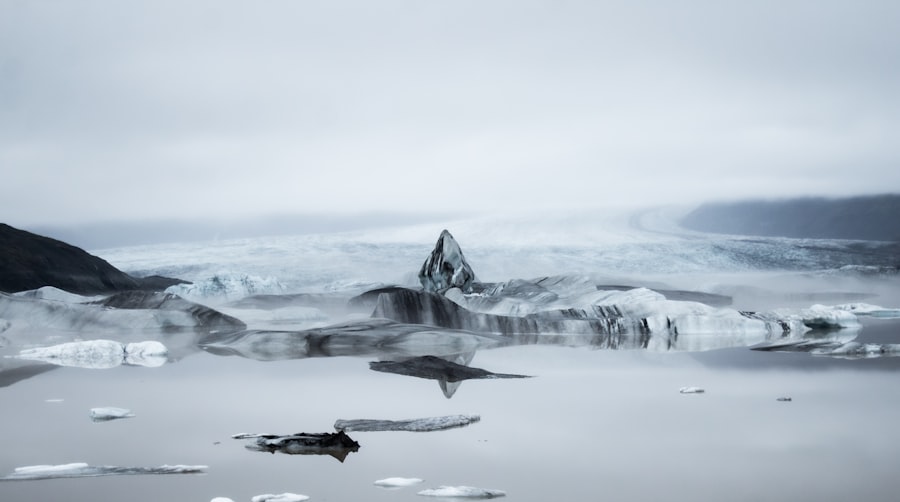
The Arctic is rich in natural resources, including oil, gas, minerals, and fish stocks. As climate change continues to alter the landscape, making these resources more accessible, interest in extraction has surged. The potential for oil and gas reserves beneath the Arctic seabed is particularly enticing for energy-hungry nations.
Companies are investing billions into exploration projects, hoping to tap into these lucrative resources. However, this rush for extraction raises significant questions about environmental sustainability and the long-term impacts on fragile ecosystems. Moreover, fishing has emerged as another critical economic opportunity in the Arctic.
Warmer waters are shifting fish populations northward, creating new fishing grounds that could benefit local economies. However, overfishing poses a serious threat to marine biodiversity and the livelihoods of indigenous communities that rely on traditional fishing practices. Balancing economic development with environmental stewardship is a pressing challenge that requires careful consideration from all stakeholders involved.
Environmental Concerns and Conservation Efforts in the Arctic
| Issue | Metrics |
|---|---|
| Ice Melting | Annual rate of ice loss |
| Wildlife Population | Number of polar bears, seals, and whales |
| Temperature Change | Average temperature increase over the past decade |
| Conservation Efforts | Area of protected marine and terrestrial areas |
The environmental concerns associated with resource extraction in the Arctic are profound and multifaceted. The region is particularly vulnerable to climate change, with temperatures rising at nearly twice the global average. This warming leads to melting ice caps, rising sea levels, and altered ecosystems that threaten both wildlife and human populations.
The loss of sea ice not only impacts polar bears and seals but also disrupts traditional hunting practices for indigenous peoples who depend on these animals for sustenance. In response to these challenges, various conservation efforts are underway to protect the Arctic’s unique environment. International agreements such as the Paris Agreement aim to mitigate climate change impacts globally, while regional initiatives focus on preserving biodiversity and promoting sustainable practices.
Indigenous communities are also at the forefront of conservation efforts, advocating for their rights and traditional knowledge to be integrated into environmental management strategies. Collaborative approaches that involve all stakeholders are essential for ensuring the long-term health of the Arctic ecosystem.
Military Presence and Security Challenges in the Arctic
As geopolitical tensions rise, military presence in the Arctic has become a significant concern for many nations. The strategic importance of the region has prompted countries like Russia and the United States to bolster their military capabilities in response to perceived threats. Russia has established new military bases along its northern coast and increased its naval operations in the Arctic Ocean.
The United States has also ramped up its military engagement through joint exercises with allies and investments in icebreaker fleets. These developments raise security challenges that extend beyond mere territorial disputes. The potential for conflict over resources or shipping routes could escalate tensions among Arctic nations.
Additionally, as new shipping lanes open due to melting ice, there are concerns about maritime safety and environmental protection. Ensuring security while fostering cooperation among nations is a delicate balance that requires diplomatic efforts and robust governance frameworks.
Indigenous Peoples and Cultural Preservation in the Arctic
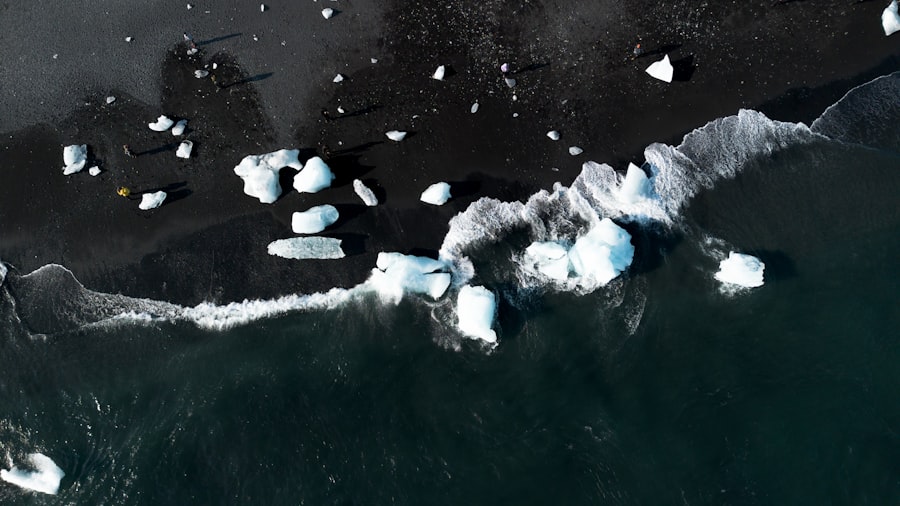
Indigenous peoples have inhabited the Arctic for thousands of years, developing rich cultures deeply intertwined with their environment. Their traditional knowledge encompasses sustainable practices that have allowed them to thrive in one of the harshest climates on Earth. However, rapid changes brought about by climate change and resource extraction threaten their way of life.
As industries encroach upon their lands, indigenous communities face challenges related to cultural preservation and self-determination. Efforts to empower indigenous voices in decision-making processes are gaining momentum. Many indigenous groups are advocating for their rights to land and resources while seeking recognition of their cultural heritage.
Collaborative initiatives that involve indigenous knowledge can lead to more effective conservation strategies and sustainable development practices. By integrating traditional wisdom with modern science, stakeholders can work towards solutions that honor both cultural preservation and environmental stewardship.
International Cooperation and Governance in the Arctic
International cooperation is essential for addressing the complex challenges facing the Arctic region. The Arctic Council serves as a primary forum for dialogue among Arctic states and indigenous communities, focusing on issues such as environmental protection, sustainable development, and scientific research. Established in 1996, this intergovernmental forum promotes collaboration among member states while recognizing the rights of indigenous peoples.
However, governance in the Arctic is not without its challenges. As interest in resource extraction grows, questions arise about how to manage these activities sustainably while respecting national sovereignty. The lack of a comprehensive legal framework governing maritime boundaries further complicates matters.
Strengthening international cooperation through treaties and agreements will be crucial for ensuring that all stakeholders can navigate these challenges effectively.
The Role of Climate Change in Shaping the Arctic Landscape
Climate change is perhaps the most significant force reshaping the Arctic landscape today. The region is experiencing unprecedented warming, leading to dramatic changes in its physical environment. Melting glaciers contribute to rising sea levels globally while altering habitats for wildlife.
The loss of sea ice not only affects marine ecosystems but also impacts weather patterns far beyond the Arctic itself. As temperatures continue to rise, scientists warn of cascading effects that could have profound implications for both local communities and global systems. Changes in ocean currents may disrupt fisheries worldwide while altering migratory patterns for birds and marine mammals.
Addressing climate change requires urgent action at both local and global levels to mitigate its impacts on this fragile region.
Transportation and Infrastructure Development in the Arctic
The opening of new shipping routes due to melting ice presents both opportunities and challenges for transportation in the Arctic. The Northern Sea Route along Russia’s coast offers a shorter passage between Europe and Asia but raises concerns about environmental degradation and maritime safety. As shipping traffic increases, so does the need for infrastructure development to support these activities.
Investment in ports, roads, and communication networks is essential for facilitating economic growth while ensuring safety standards are met. However, infrastructure development must be approached with caution to minimize ecological impacts on sensitive habitats. Collaborative planning involving local communities can help ensure that transportation projects align with sustainable development goals.
The Arctic in Global Politics and Diplomacy
The Arctic’s strategic significance has elevated its status in global politics and diplomacy. As nations vie for influence over resources and shipping routes, diplomatic relations among Arctic states have become increasingly important. Multilateral forums like the Arctic Council provide platforms for dialogue but also highlight underlying tensions related to territorial claims.
The interplay between national interests and international cooperation will shape future dynamics in the region. As global attention turns toward the Arctic, it becomes imperative for nations to engage constructively with one another while prioritizing environmental protection and indigenous rights.
Future Projections and Challenges for the Arctic Region
Looking ahead, the future of the Arctic region is fraught with both opportunities and challenges. Climate change will continue to be a driving force behind transformations in this unique environment, necessitating adaptive strategies from all stakeholders involved.
Moreover, geopolitical tensions may escalate as nations navigate competing interests in resource extraction and territorial claims. Fostering international cooperation will be essential for addressing these challenges while ensuring that indigenous voices are heard in decision-making processes. Ultimately, the future of the Arctic hinges on collective efforts to protect its fragile ecosystems while promoting sustainable development that respects cultural heritage and fosters resilience among local communities.
In recent years, the Arctic region has become a focal point for geopolitical analysis due to its strategic importance and the potential for resource exploration. As nations vie for influence and access to the Arctic’s untapped resources, understanding the geopolitical dynamics at play is crucial. A related article that delves into the complexities of Arctic geopolitics in 2024 can be found on MyGeoQuest. This article provides an in-depth examination of the current geopolitical landscape, highlighting the interests of key players and the implications for global security. For more insights, you can read the full article by visiting com/sample-page/’>this link.
WATCH THIS! The Arctic Ice Is Melting, And It Will Start World War 3
FAQs
What is geopolitical analysis?
Geopolitical analysis is the study of the effects of geography (human and physical) on international politics and international relations. It involves analyzing the political, economic, and strategic significance of geographical locations and their impact on global affairs.
What is the Arctic region?
The Arctic region is located at the northernmost part of the Earth and includes the Arctic Ocean and parts of Canada, Russia, Greenland, the United States, Norway, Sweden, Finland, and Iceland. It is known for its cold climate, unique ecosystems, and strategic importance due to its natural resources and potential shipping routes.
What is the significance of the Arctic in geopolitics?
The Arctic has gained geopolitical significance due to its natural resources, including oil, natural gas, and minerals, as well as its potential as a new shipping route as the ice melts. It has also become a focus of geopolitical competition among countries seeking to assert their influence and control in the region.
What are some key geopolitical issues in the Arctic in 2024?
Some key geopolitical issues in the Arctic in 2024 include territorial disputes, resource extraction, environmental concerns, military presence, and the impact of climate change on the region. These issues have implications for international relations and global security.
How does geopolitical analysis of the Arctic impact international relations?
Geopolitical analysis of the Arctic influences international relations by shaping the policies and strategies of countries with interests in the region. It also affects diplomatic negotiations, security arrangements, and economic cooperation among Arctic and non-Arctic states.